
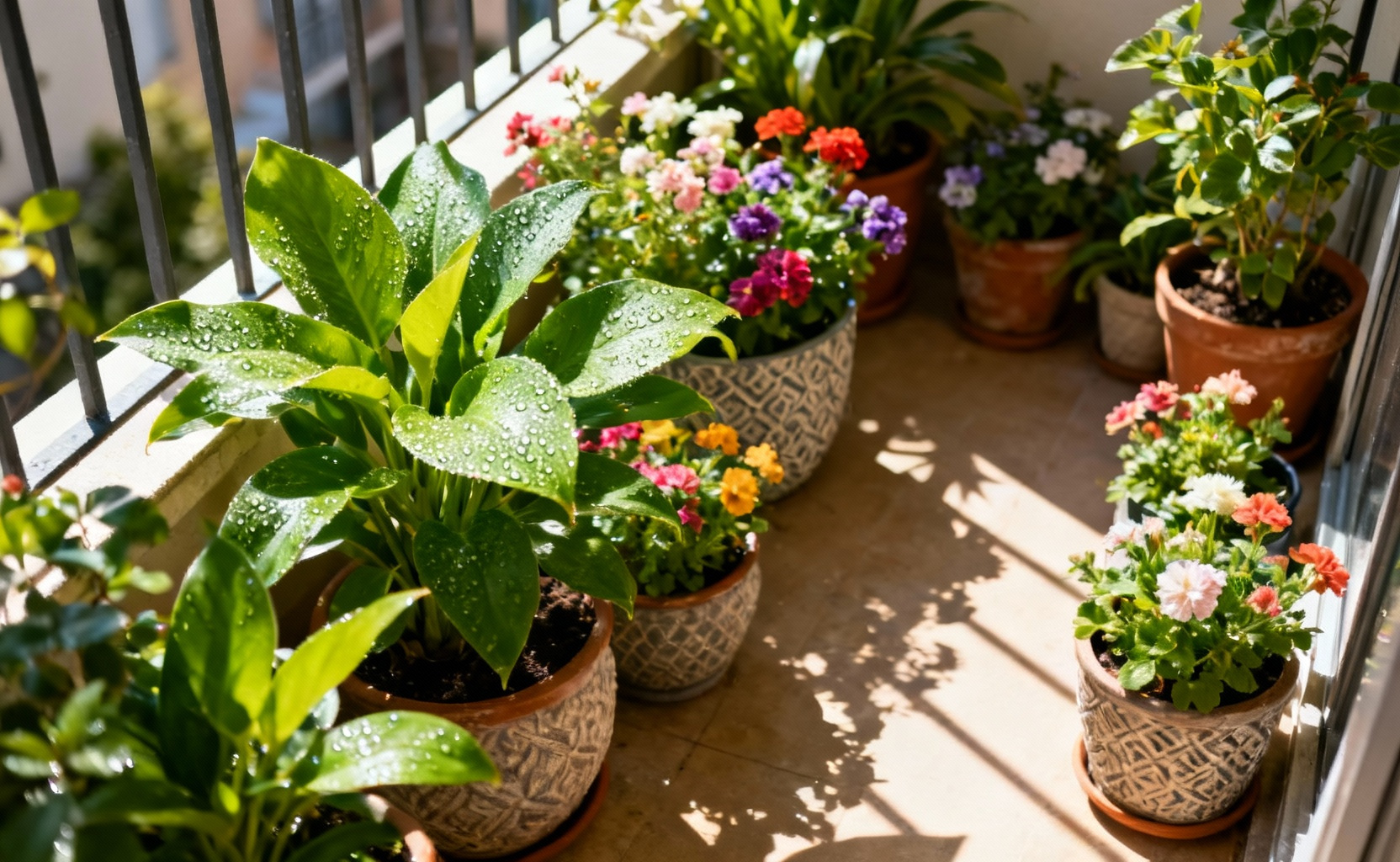

I remember standing on a client’s new city balcony, the sound of traffic rising from below like a constant, humming stressor. We’ve all felt it—that quiet ache for a slice of nature, a green refuge to call our own. In that moment, watching a single, determined seedling sprout from a crack in a neighboring wall, I realized something profound. A true sanctuary isn’t about acreage; it’s about intention. That conscious decision to cultivate life and peace in an overlooked corner is exactly what separates a healing, holistic space from an accidental collection of pots.
Your balcony is so much more than a concrete slab in the sky. It holds the potential to become a vibrant extension of your home’s energy, a personal haven that calms your nervous system and nourishes your spirit. This journey we’re about to take isn’t just about what to plant, but how to create a space that breathes with you—a place where the principles of biophilic design, aromatherapy, and mindfulness come together to support your total well-being. Think of this as your personal blueprint for crafting serenity.
Laying the Foundations of Your Sanctuary (Steps 1-5)
The most resilient gardens—and the most peaceful souls—are built on strong, intentional foundations. Before we even think of flowers or leaves, we must attune to the essential energies of your space: light, water, and the very vessels that will hold life. This is the quiet work that makes everything else flourish.
1. Chart the Sun’s Daily Journey
Before a single seed is planted, your first act is one of pure observation. Spend a day becoming a cartographer of light, noting how the sun moves across your balcony. Where does it land first in the morning? Where is the light most intense at midday? Notice the shadows cast by buildings or railings. This isn’t just a horticultural chore; it’s a way of understanding the unique energy of your space.
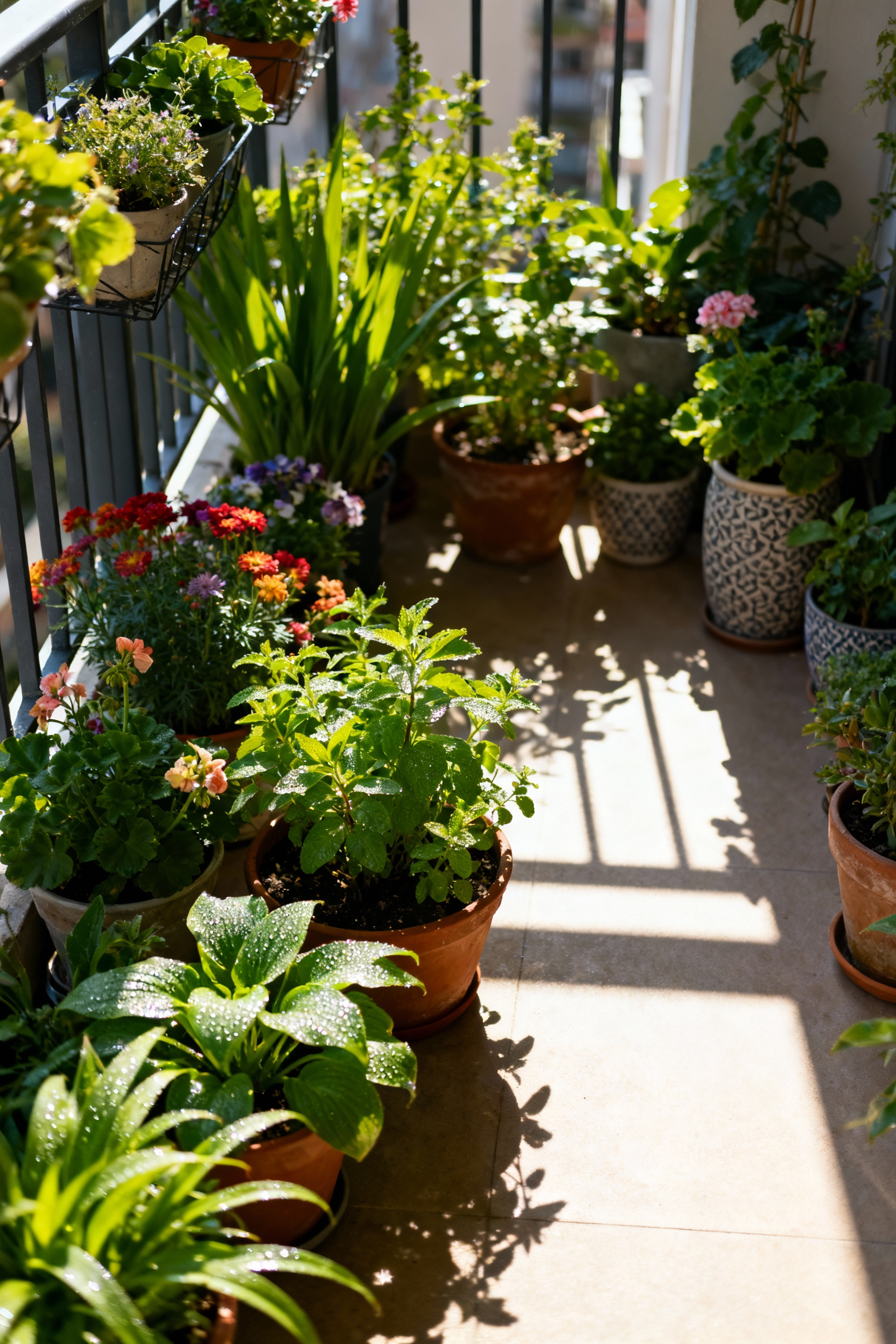
An east-facing balcony will bless your plants with gentle morning light, perfect for tender herbs, while a west-facing space offers intense afternoon sun, calling for resilient, heat-loving plants like lavender or succulents. This simple act of mapping ensures your plants don’t just survive, they thrive. By honoring their needs, you create an environment of ease and vitality, a visual reflection of harmony that nurtures you in return.
2. Choose Containers with Conscience and Comfort
The vessels that hold your plants are as important as the plants themselves. This is your chance to infuse your space with both ethical beauty and ergonomic ease. Seek out containers made from recycled materials, which are not only lighter on the planet but often lighter to lift, saving your back from unnecessary strain.
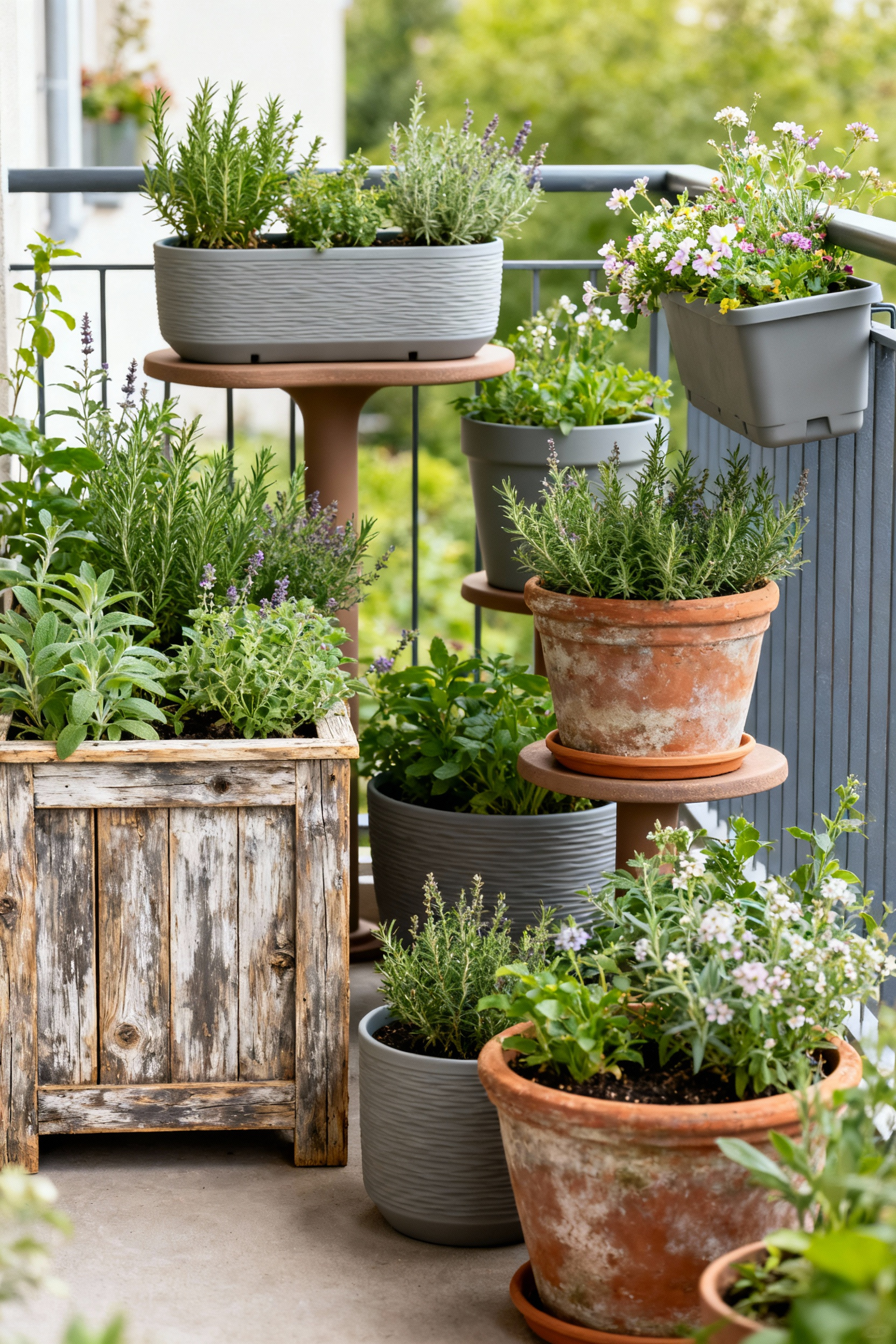
Imagine the quiet joy of tending to a garden where every pot tells a story of mindfulness—a repurposed wooden crate, a vintage terracotta pot with a gentle patina, or a planter designed for easy watering. When you design for your own physical comfort, gardening becomes less of a task and more of a moving meditation. The energy of conscious, gentle care flows from you, through the containers, and into the very soil of your sanctuary.
3. Grow Upwards with Vertical Systems
In spaces where floor area is a precious commodity, the most profound transformation comes from looking up. Integrating vertical garden systems allows you to create a lush, immersive green cocoon that softens hard architectural lines and provides a beautiful sense of privacy. Think of it as wrapping yourself in a living blanket of nature.
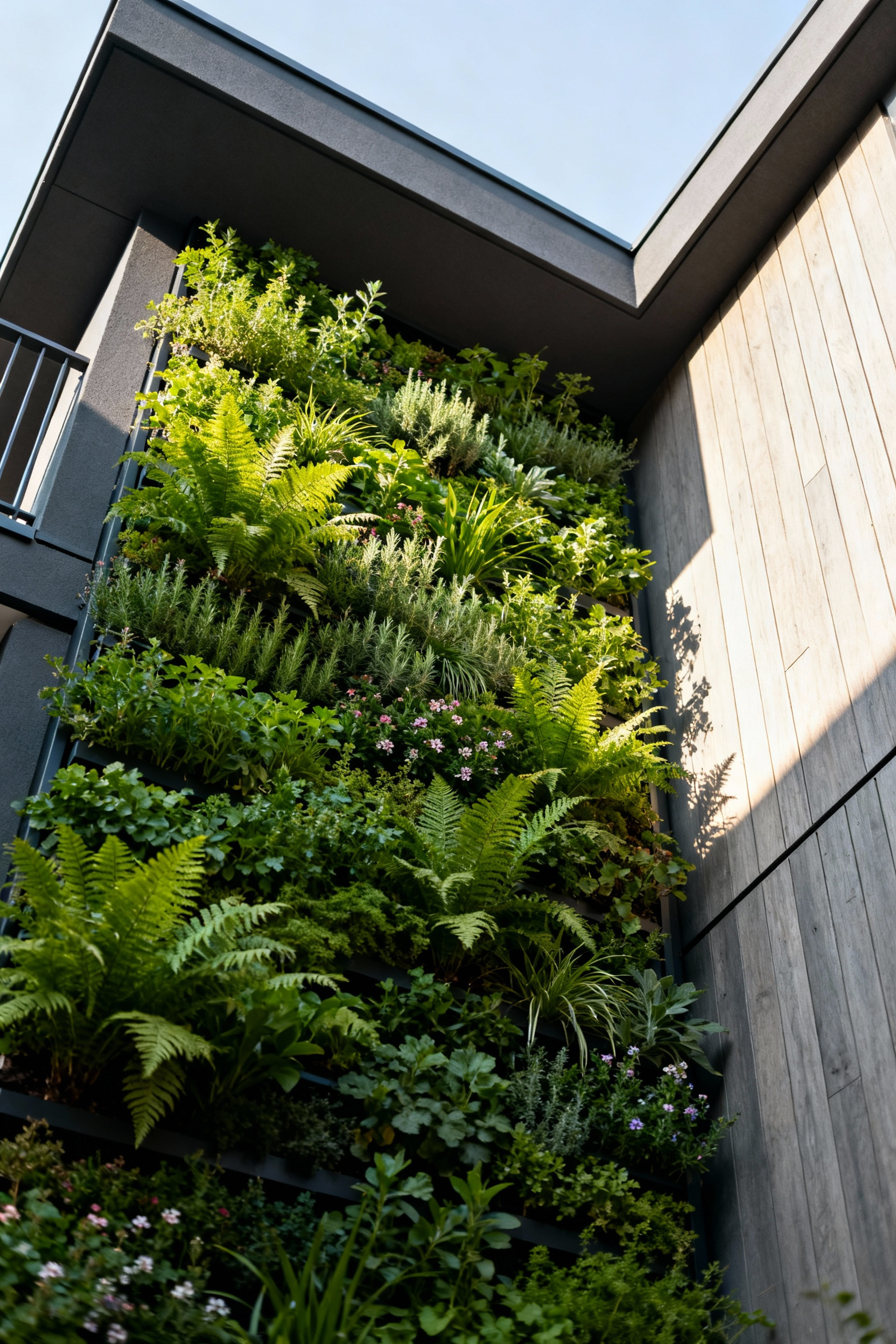
Wall-mounted planters or tiered shelving can turn a bare, forgotten wall into a tapestry of life and color. This strategic layering doesn’t just maximize your growing space; it has a powerful psychological effect. Being enveloped by green on multiple levels triggers a primal sense of safety and tranquility, proven to lower stress. Your balcony ceases to be a simple ledge and becomes a multi-dimensional world of its own.
4. Create a Mindful Watering Ritual
Water is the lifeblood of your garden, and how you deliver it can be a profound act of conservation and care. A simple drip irrigation system, set on a timer, is an elegant solution that delivers water directly to the roots where it’s needed most. This minimizes evaporation and waste, ensuring every drop is used purposefully.
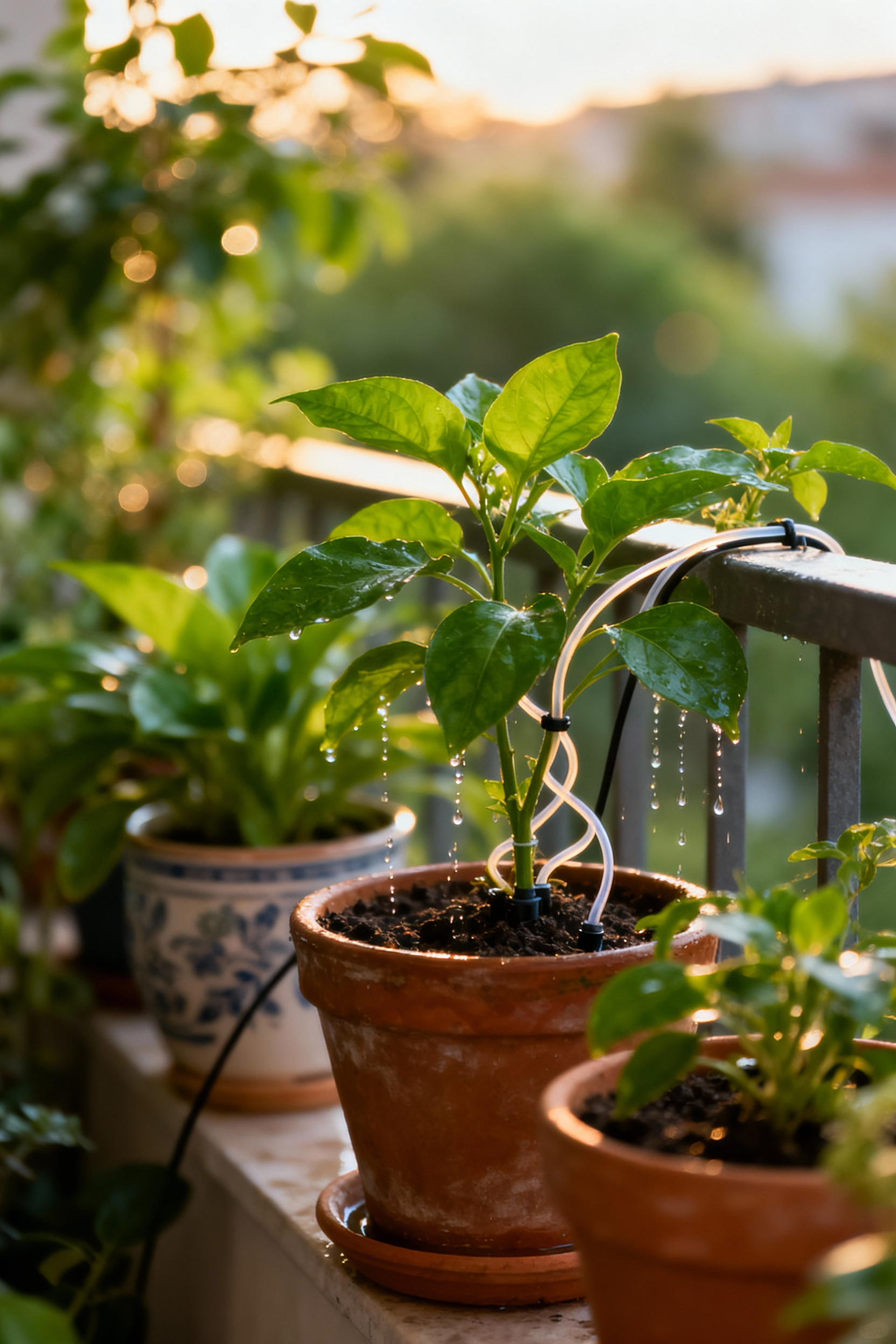
This isn’t about sterile automation; it’s about creating a reliable rhythm that frees you from the worry of over- or under-watering. It allows you more time to simply be in your sanctuary. In my wellness sanctuary designer practice, I’ve noticed that automating these foundational needs allows my clients to shift from “doing” to “being,” fostering a much deeper, more contemplative connection with their green space.
5. Weave a Community with Companion Planting
A truly healthy garden operates not as a collection of individuals, but as a thriving, interconnected community. Companion planting is the ancient art of pairing plants that support one another. It’s a beautiful way to create a self-regulating ecosystem that is naturally more resilient to pests and stress.
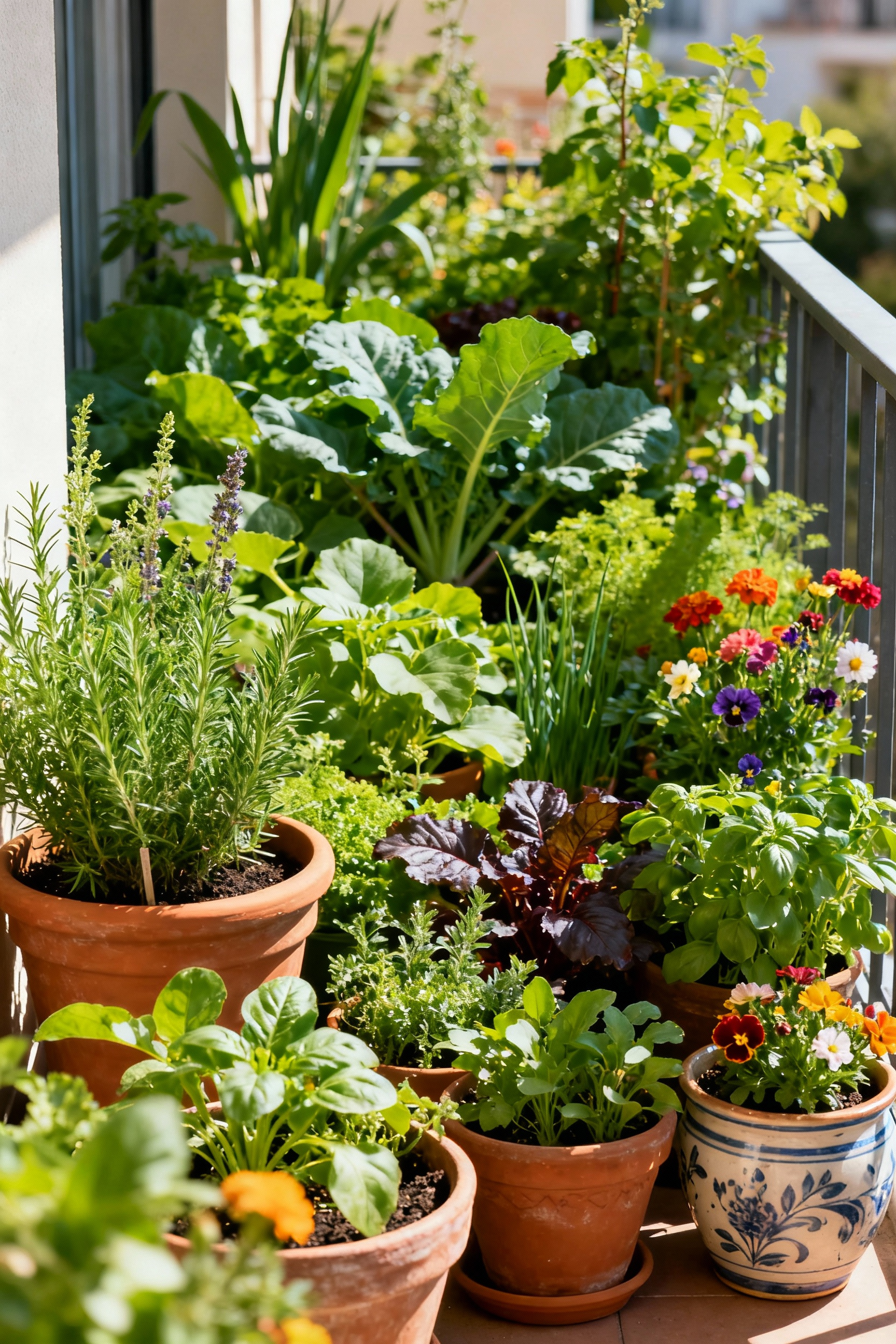
Consider planting fragrant basil next to your tomatoes to help repel pests and, as garden folklore suggests, even enhance their flavor. Plant cheerful marigolds among your greens; their roots release a natural substance that discourages harmful nematodes in the soil. This practice transforms you from a gardener into a gentle orchestrator of a living symphony, where each plant plays a part in the harmony of the whole.
Awakening the Senses (Steps 6-10)
A true sanctuary engages more than just the eyes. It is a place that invites you to breathe deeper, to listen to the whisper of leaves, and to taste the freshness of a sun-warmed berry. This is where we layer in the sensory details that transform a simple garden into an immersive, healing experience.
6. Plant for Fragrance and Flavor
The simple act of running your hand over a rosemary bush or plucking a mint leaf can instantly shift your state of being. Weave aromatic herbs like lavender, rosemary, mint, and thyme throughout your balcony garden. Place them where you’ll brush past them, releasing their therapeutic essential oils into the air.
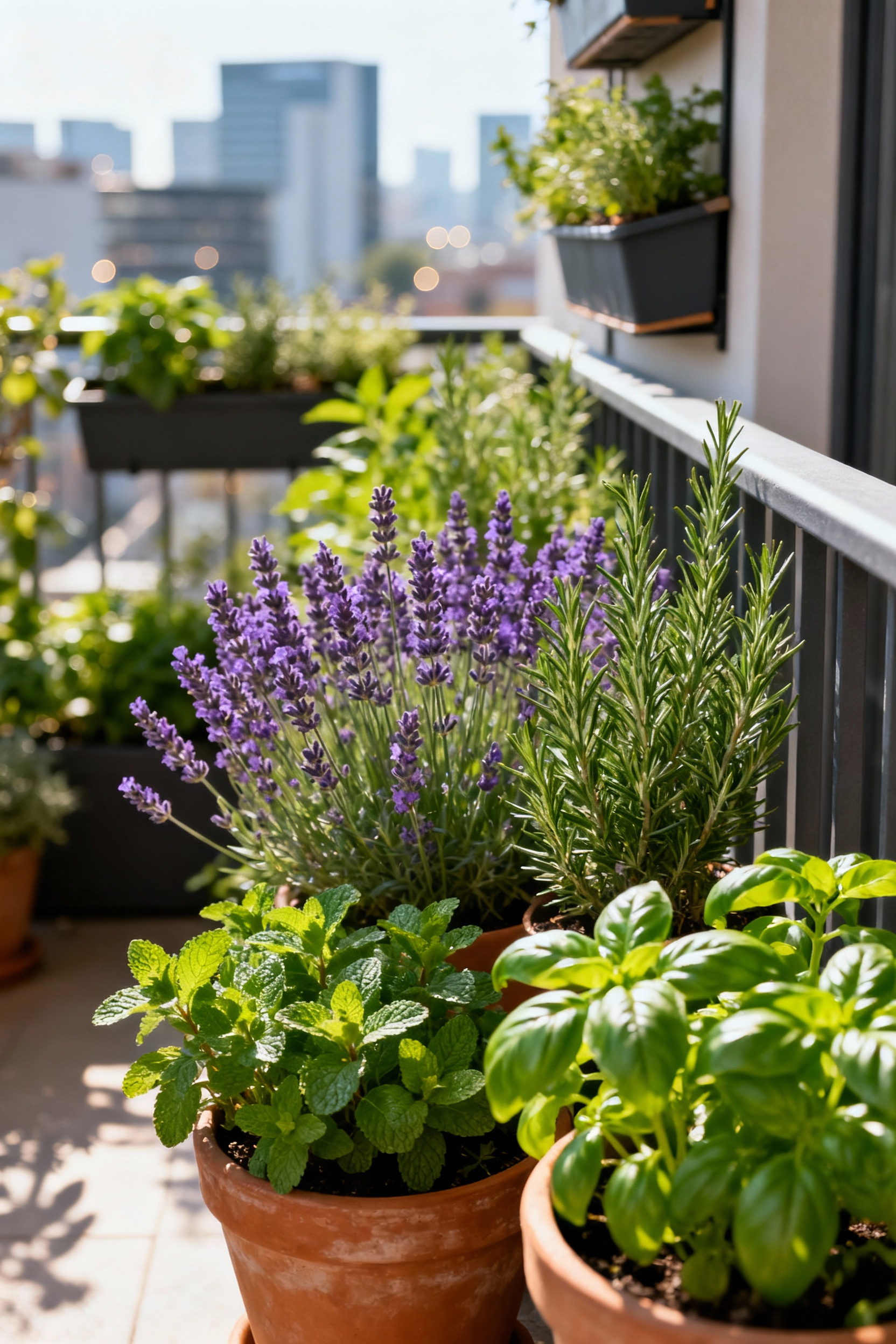
These are your living aromatherapy partners, offering scents known to calm the mind, improve focus, and elevate your mood. They also provide fresh flavors for your kitchen, connecting your sanctuary directly to the nourishment of your body. Each meal garnished with your own herbs becomes a mindful act of gratitude for the abundance you’ve cultivated.
7. Invite Nature’s Helpers with Pollinator-Friendly Flowers
Extend the generosity of your sanctuary by planting native flowers that welcome bees, butterflies, and hummingbirds. Creating a “pollinator pit-stop” in the sky not only supports vital local ecosystems but also fills your garden with the gentle, mesmerizing hum of life.
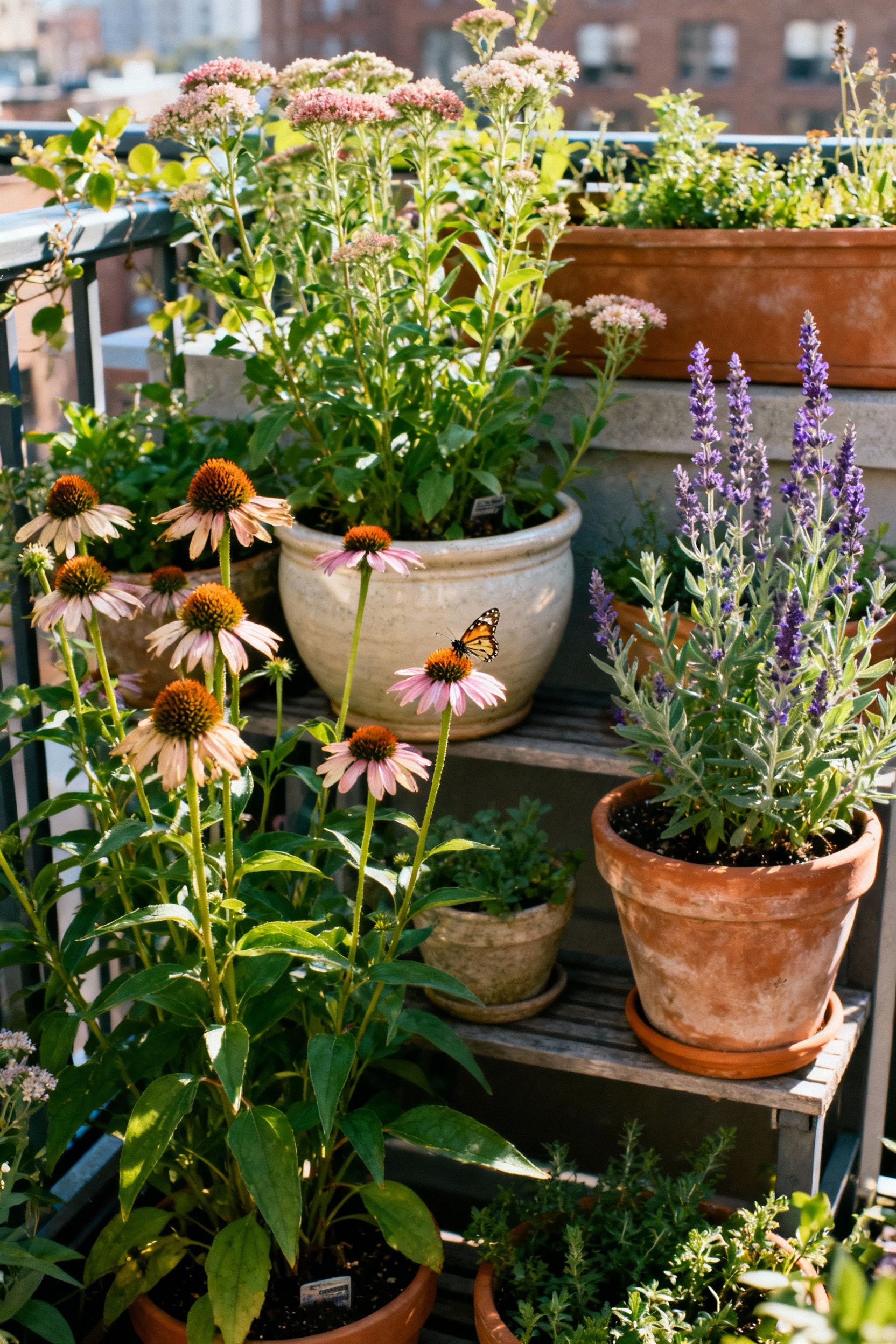
Choosing native varietals like coneflower, bee balm, or salvia ensures you’re offering the exact nourishment these creatures need. Watching a bee diligently work its way through your blooms is a powerful reminder of our interconnectedness. It is a small but profound act of ecological stewardship that brings a dynamic, joyful energy to your balcony garden.
8. Cultivate a Dwarf Fruit Tree
There is a unique and deeply satisfying magic in harvesting your own fruit. A dwarf Meyer lemon, fig, or olive tree can thrive beautifully in a large container, offering fragrant blossoms in the spring and a sustainable harvest later in the year. It becomes a living sculpture, changing with the seasons.
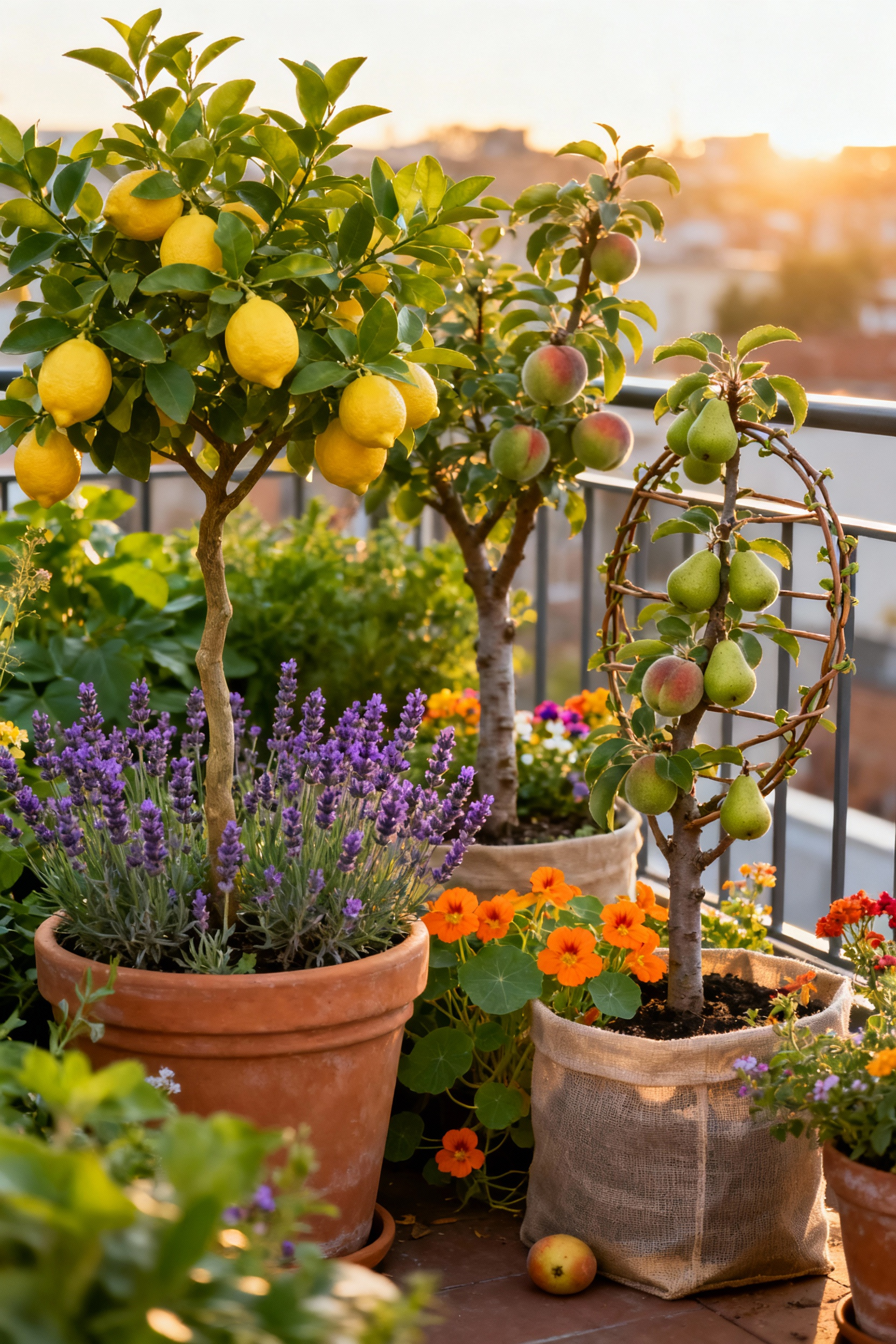
Tending to a fruit tree teaches a beautiful lesson in patience and the rhythms of nature. The journey from blossom to ripe fruit is a slow, rewarding process that grounds you in the present moment. Plucking a sun-warmed lemon for your morning water is a simple luxury that connects you directly to the source of your sustenance.
9. Create Depth with Layered Foliage
To make a small space feel lush and expansive, think in layers. Just as a forest has a canopy, an understory, and a groundcover, your balcony garden can too. Use taller, slender plants in the back, bushy, mid-sized plants in the middle, and cascading plants that spill over the edges of their pots in the front.
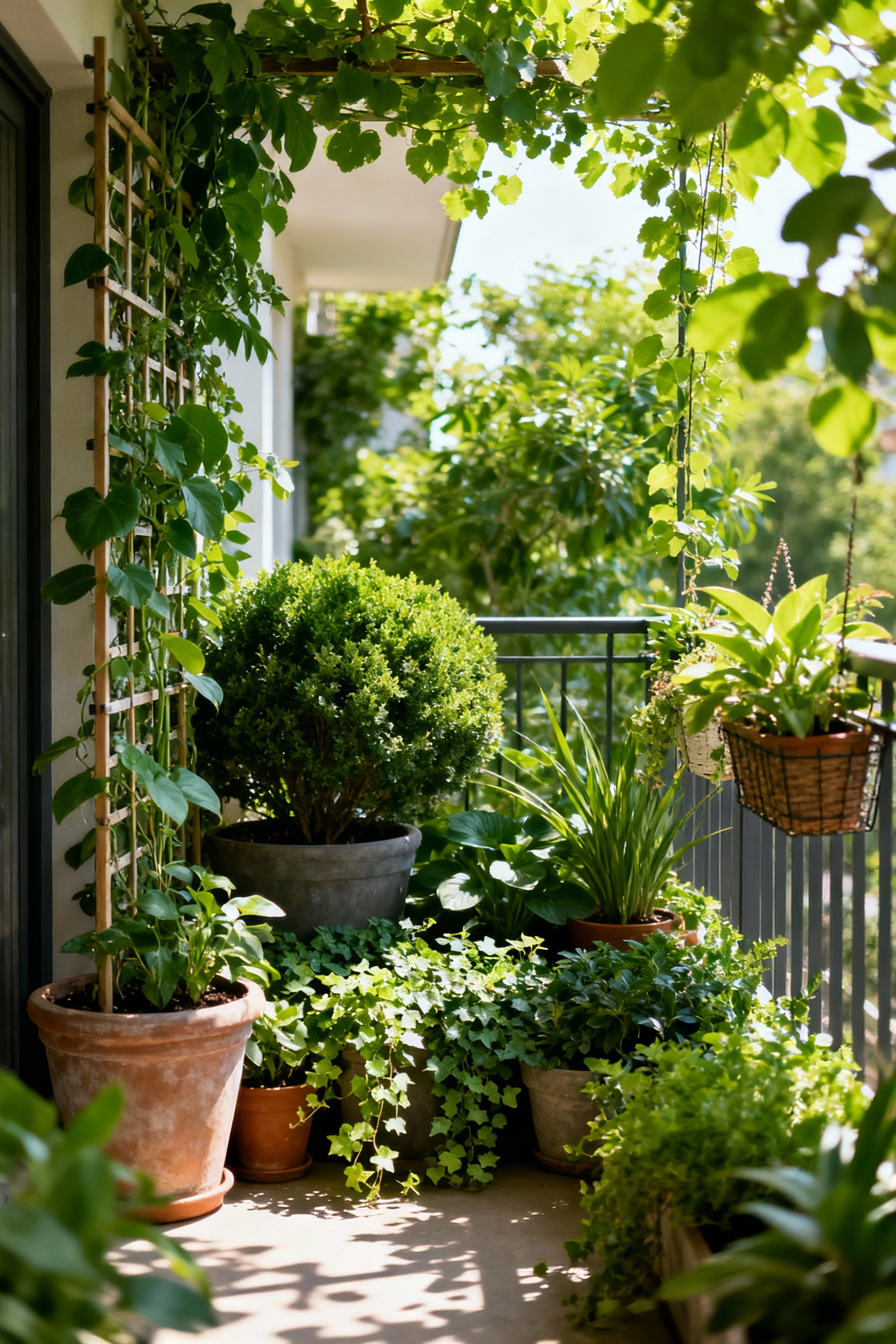
This technique creates visual depth and intrigue, drawing the eye inward and making the space feel more like a secluded grotto. It also allows you to play with textures—the soft fronds of a fern against the waxy leaves of a succulent. What really gets me is seeing how these layers interact with light, creating a dynamic dance of shadow and highlight that changes throughout the day, making the garden feel truly alive.
10. Add the Gentle Sound of Water
The gentle sound of moving water is one of the most powerful tools we have for masking urban noise and soothing the nervous system. A small, self-contained tabletop fountain can completely transform the auditory landscape of your balcony, creating an atmosphere of deep tranquility.
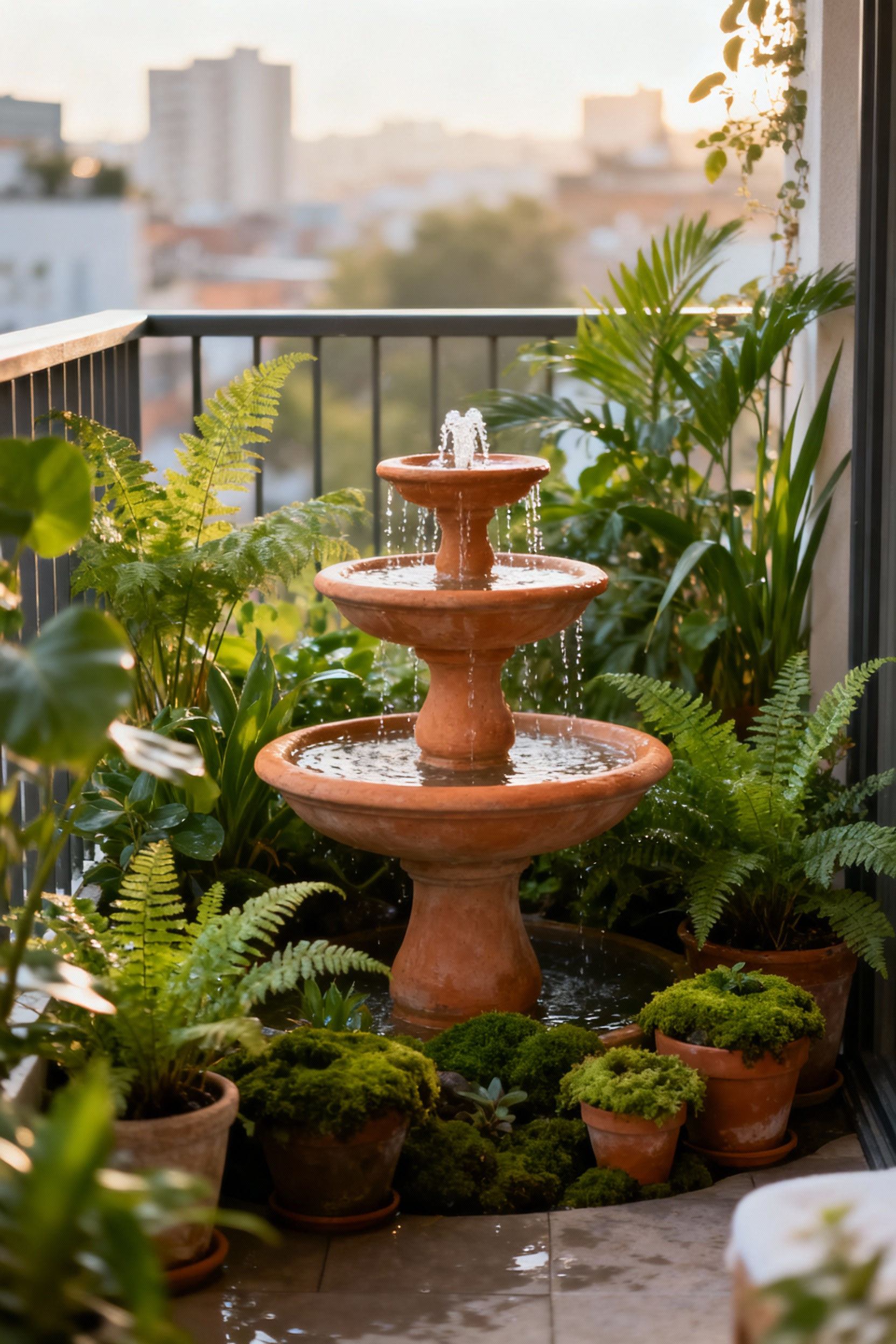
The subtle murmur of water encourages a meditative state, providing a consistent, calming focal point for the mind. It’s a sensory cue that signals to your body and spirit that this is a place of rest and renewal. The effect is immediate and profound, turning your balcony into a true oasis of peace.
Cultivating Resilience and Connection (Steps 11-15)
As your sanctuary takes root, your role evolves into that of a mindful guardian. This phase is about deepening your understanding of the living systems you tend to, fostering their resilience through gentle, intuitive care. This is where the practice of tending to your garden becomes a reflection of tending to your own well-being.
11. Nourish the Soil with Compost Tea
The health of your garden begins in the soil. Creating your own “compost tea” is a simple and powerful way to feed the microbial life that your plants depend on. Simply steep a small bag of good-quality compost or earthworm castings in a bucket of water for 24 hours to create a nutrient-rich liquid fertilizer.
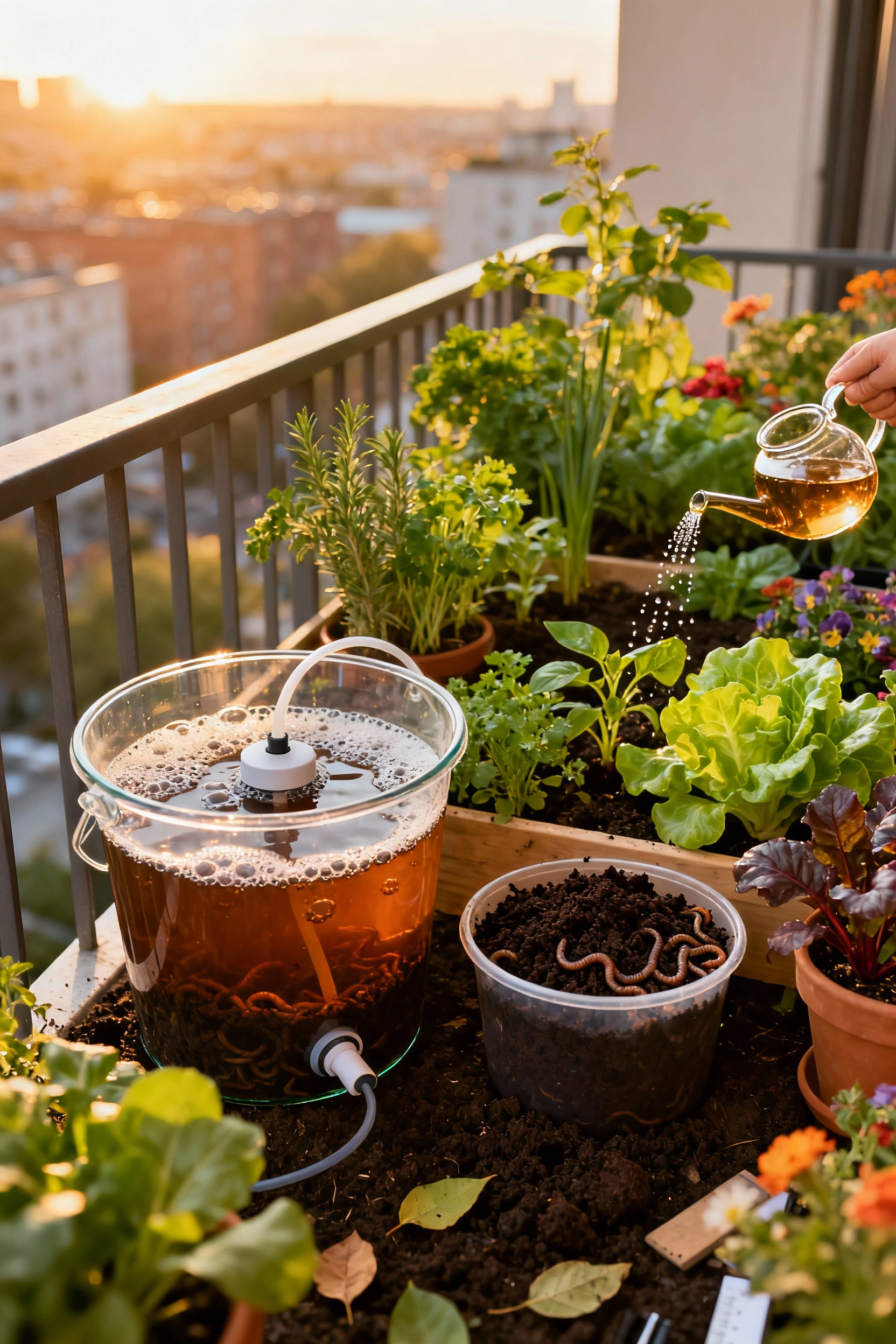
This living brew infuses your soil with beneficial microorganisms that help your plants access nutrients and fight off disease. It’s an act of deep reciprocity—turning organic waste back into life. This process fosters an incredible resilience in your plants that you just can’t get from synthetic fertilizers, creating a truly vibrant and self-sustaining ecosystem.
12. Practice the Art of Mindful Pruning
Pruning is not an act of destruction, but a loving conversation with your plants. It is a quiet practice of guiding energy, encouraging fullness, and maintaining health. With clean, sharp shears, snip away spent blooms (deadheading) to encourage new flowers, and pinch back the tips of herbs to promote bushier growth.
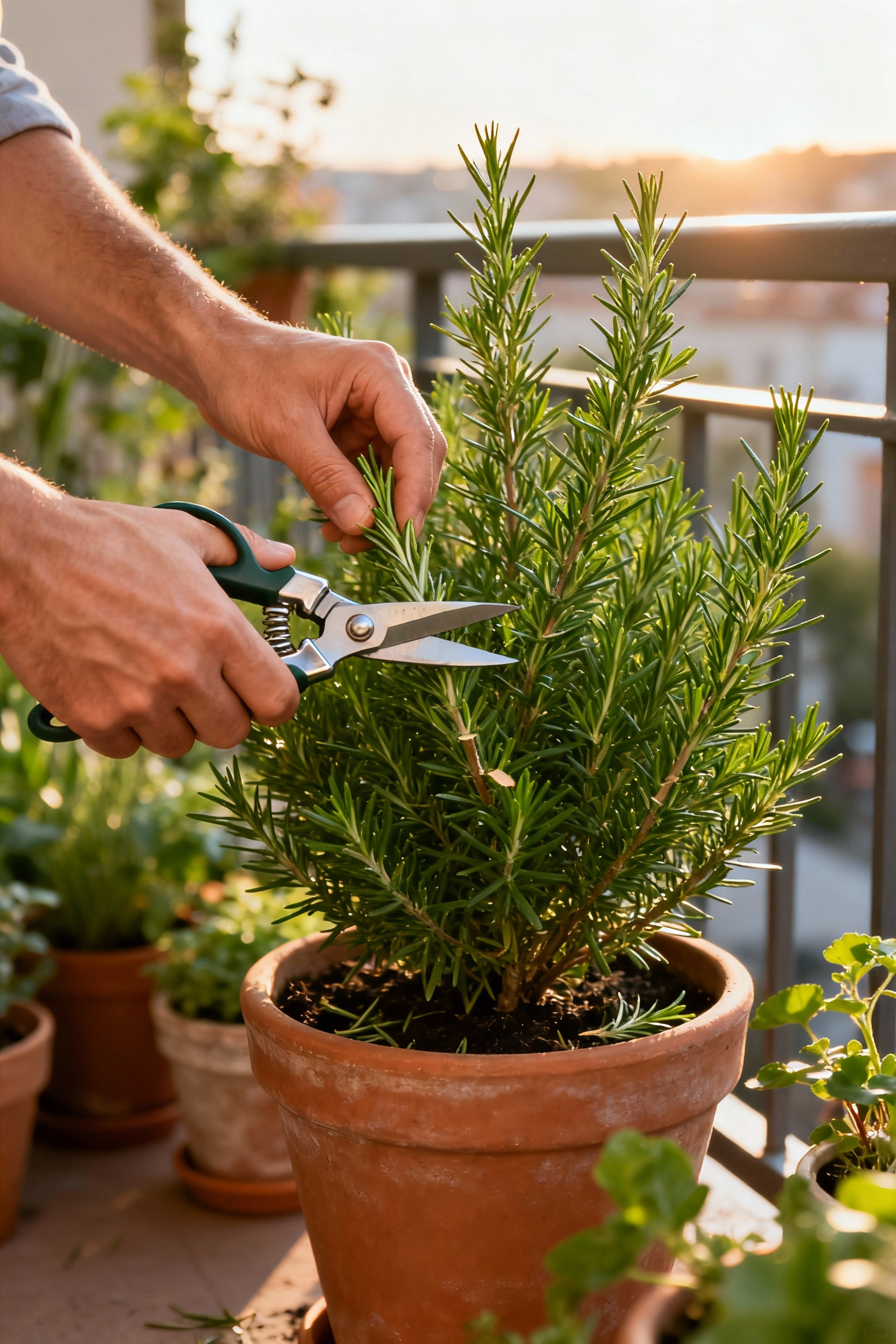
This focused task requires your full presence. As you decide which branch to trim or which leaf to remove, you enter a state of flow, connected to the life force of the plant. Years of holistic home design taught me that this act of gentle editing—in a home or a garden—is deeply therapeutic. It clears away the old to make space for vibrant, new energy.
13. Embrace Organic Pest Management
Instead of reacting to pests with harsh chemicals, cultivate an environment that maintains its own balance. A strong jet of water can dislodge aphids, while a simple spray of neem oil solution can handle more stubborn visitors without harming beneficial insects. Many issues can be prevented by simply encouraging good air circulation and healthy soil.
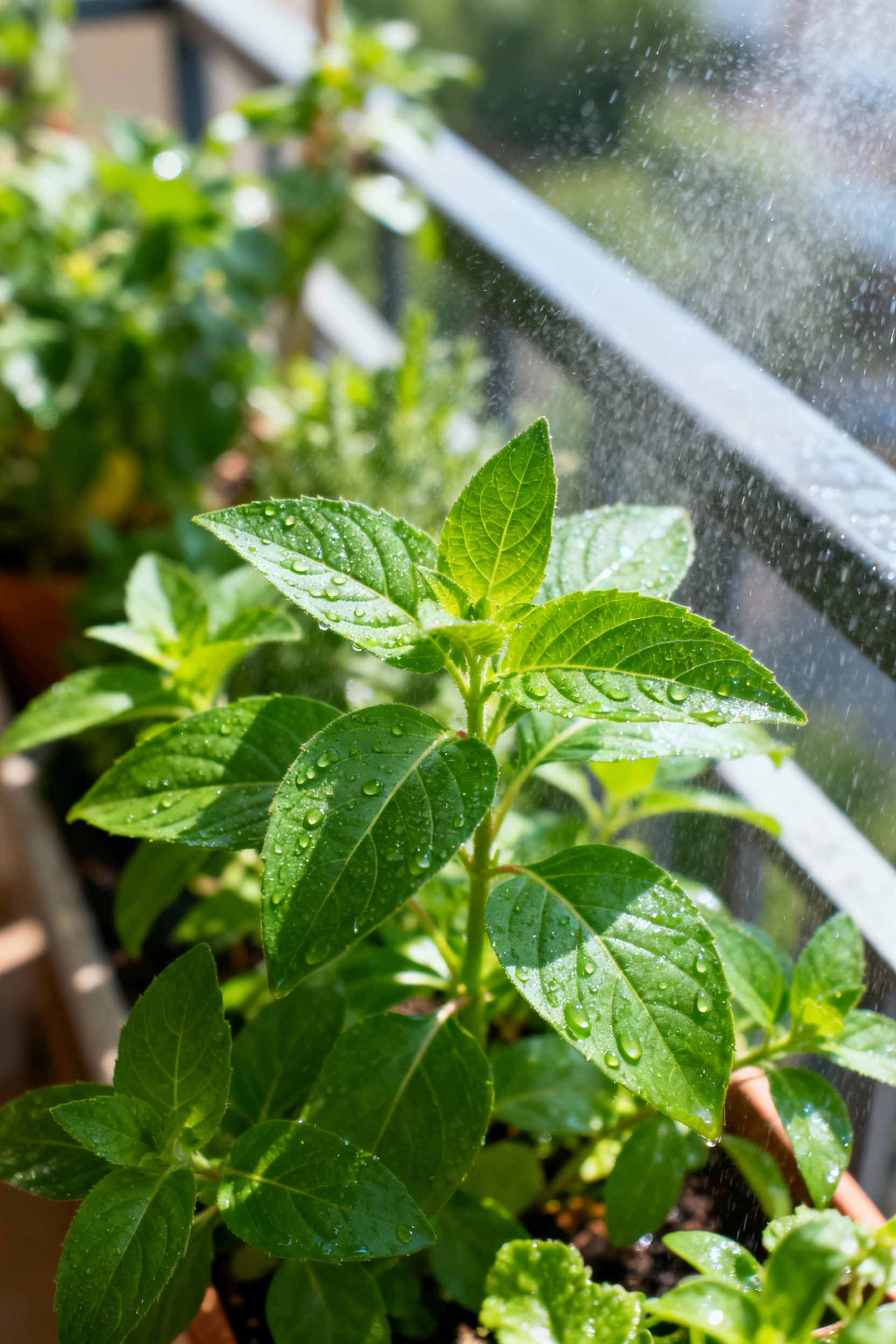
This gentle, observational approach fosters harmony rather than warfare. You become a student of your garden’s tiny ecosystem, learning to identify friend from foe and intervening with the lightest possible touch. This builds a deeper respect for the intricate dance of nature and ensures your sanctuary remains a pure, non-toxic environment for you and all its inhabitants.
14. Adapt with the Seasons
Your balcony has its own unique microclimates—a corner that catches the wind, a spot that bakes in the afternoon sun. Learn to work with these energies as the seasons change. In summer, a simple reed screen can provide shade for delicate plants. In winter, clustering pots together or wrapping them in burlap can protect roots from a sudden freeze.
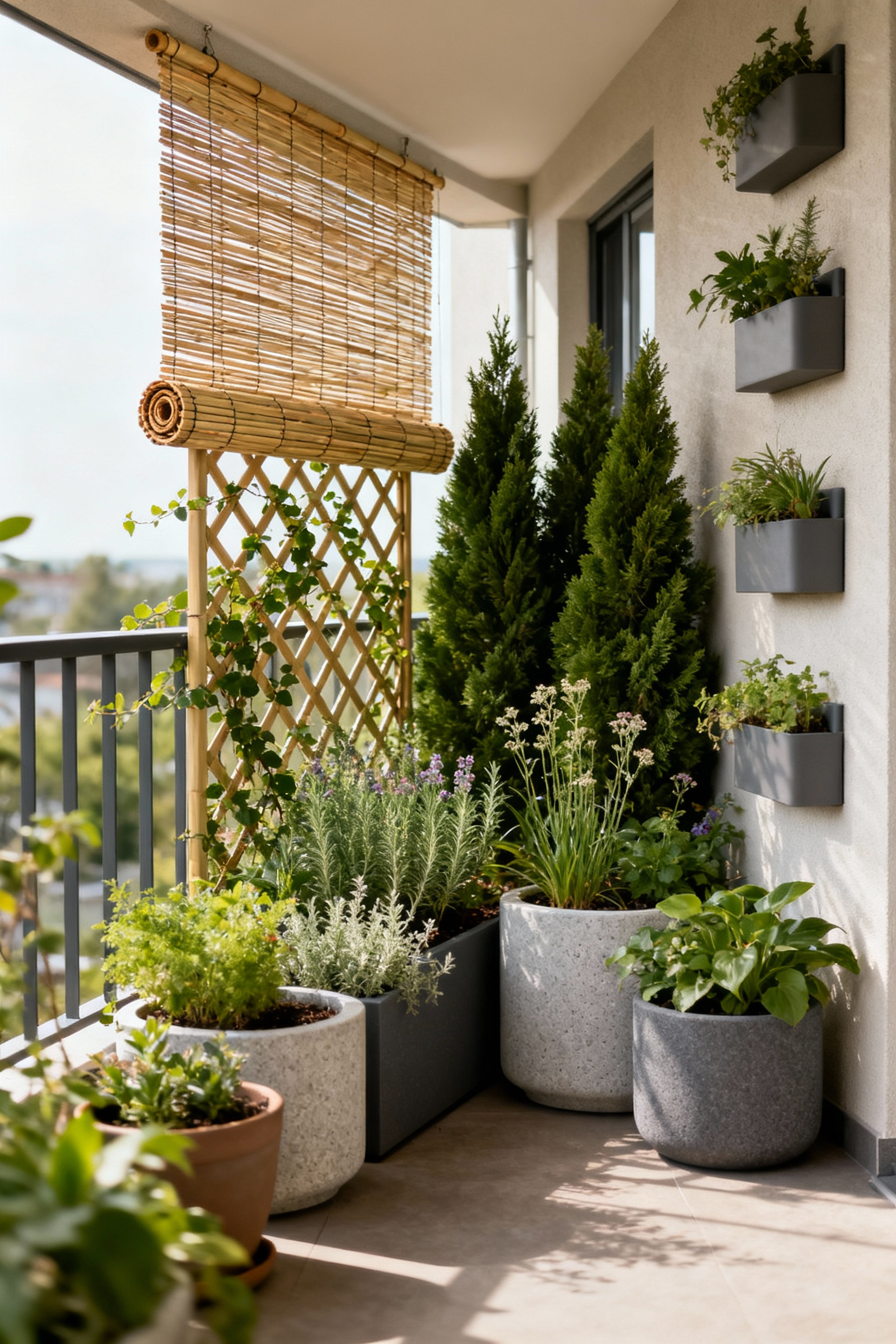
This process of observing and adapting fosters a beautiful flexibility in both your garden and your mindset. You learn to flow with the natural cycles of the year, rather than resisting them. Your sanctuary becomes a testament to resilience, offering beauty and life in every season.
15. Designate a Space for Stillness
Within your green oasis, create a small nook dedicated solely to contemplation. It doesn’t need to be large—a single comfortable cushion on the floor or a small, simple bench is enough. Surround this spot with your calmest plants, perhaps some gentle lavender or a soft fern.
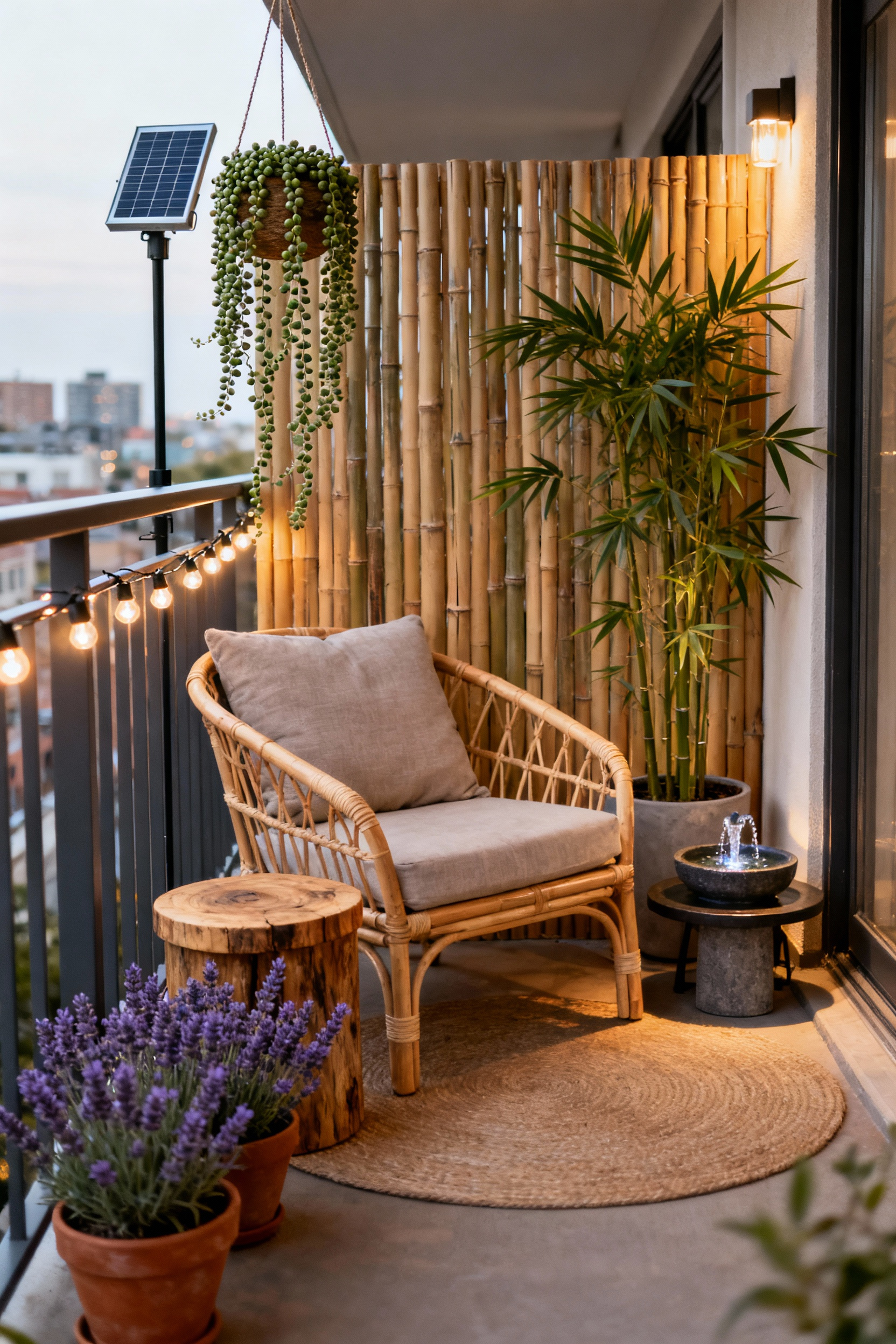
This becomes your sacred space for a morning meditation, a cup of tea, or simply a few deep breaths. By designating a specific spot for stillness, you give yourself a powerful psychological cue to release stress and turn inward. It is the heart of your sanctuary, the place where the garden’s healing energy and your own inner peace become one.
Living in Harmony with Your Sanctuary (Steps 16-20)
In this final phase, your balcony garden transcends being a project and becomes an integral part of your daily life. It is a living, breathing partner in your well-being, a space that gives back in countless ways, from providing data-driven care to fostering human connection.
16. Listen to Your Plants with Smart Sensors
Embrace technology that fosters a deeper connection. Simple, elegant soil moisture sensors can take the guesswork out of watering, alerting your phone when a plant is truly thirsty. This prevents the stress of over- and under-watering and conserves a precious resource.
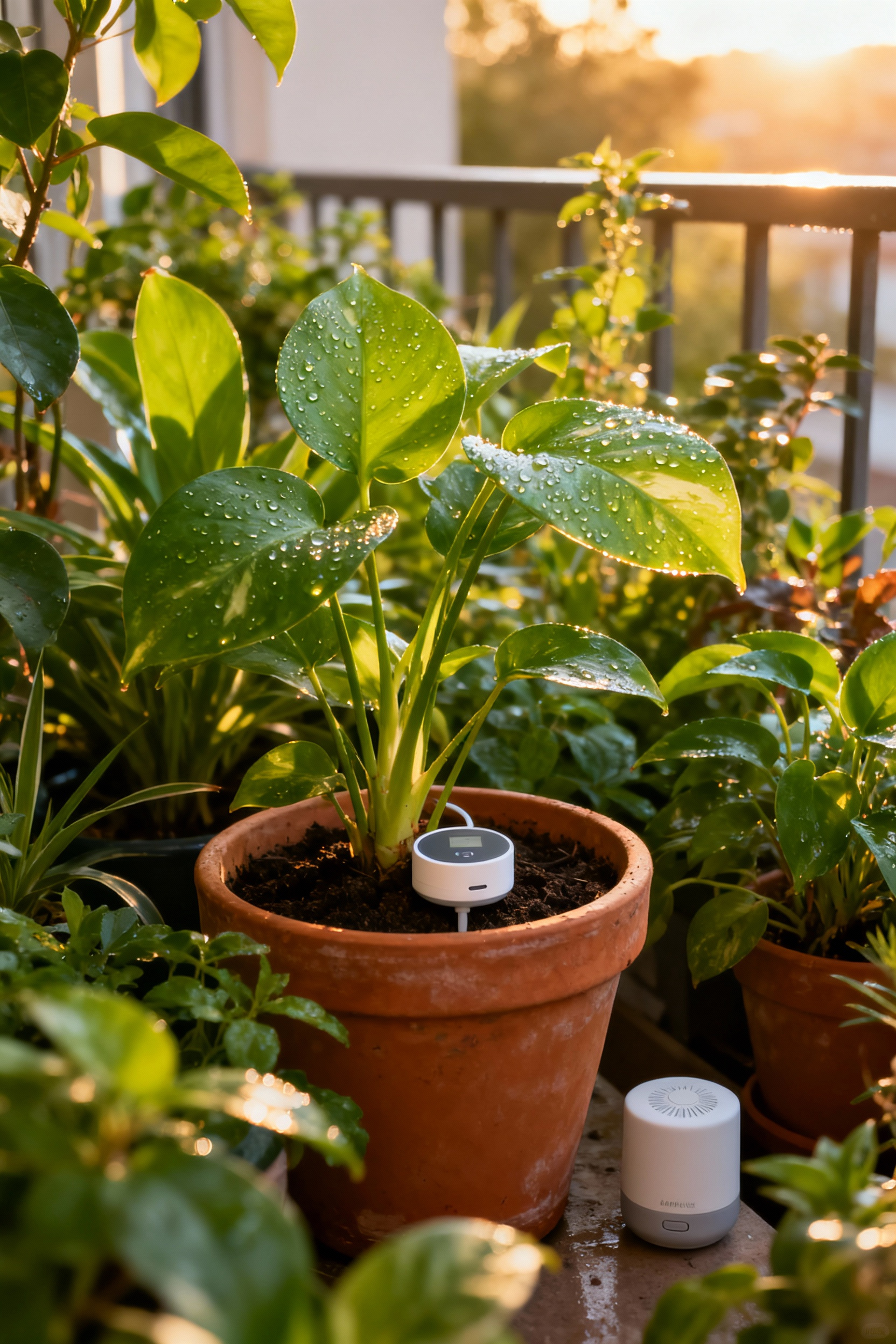
Using these gentle tools doesn’t distance you from your garden; it fine-tunes your understanding of its needs. It frees up your mental energy from worry, allowing you to simply enjoy the beauty and peace of the space, confident that its foundational needs are being met with precision and care.
17. Spark Joy with One Unique Plant
As your confidence grows, challenge yourself to cultivate one rare or unusual plant that truly fascinates you. It could be an exotic passionflower, a sculptural air plant, or a string-of-pearls succulent that cascades beautifully from a high shelf.
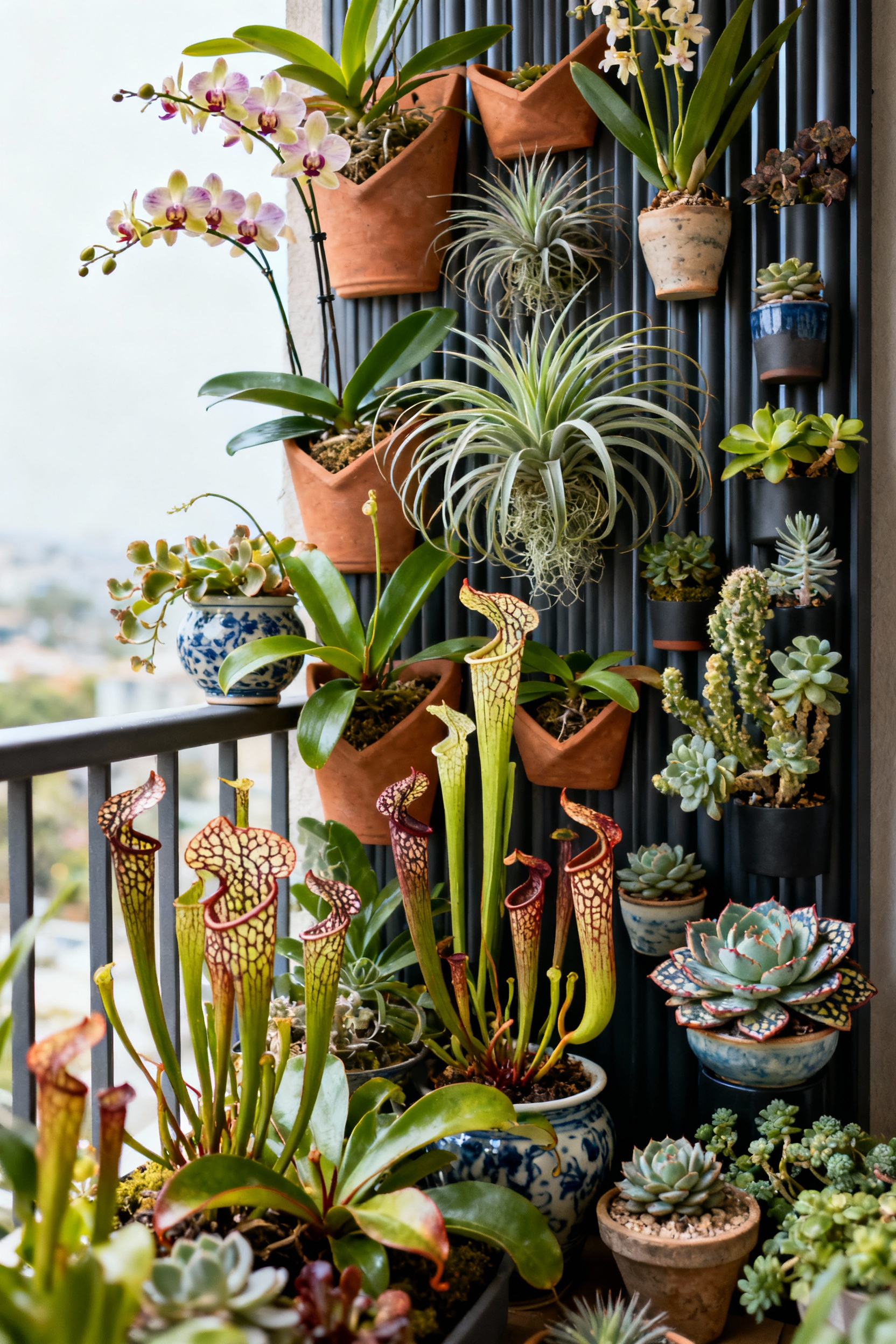
This plant becomes a focal point of wonder and a testament to your growing skill. The process of learning its specific needs expands your botanical horizons and adds a layer of unique, personal storytelling to your garden. It’s a little spark of the extraordinary that brings delight every time you see it.
18. Share Your Sanctuary with Loved Ones
A sanctuary’s healing energy is amplified when it is shared. Host an intimate gathering on your balcony—a simple brunch or an evening glass of wine with a friend. The natural beauty and tranquility of the space provides the perfect backdrop for genuine connection.
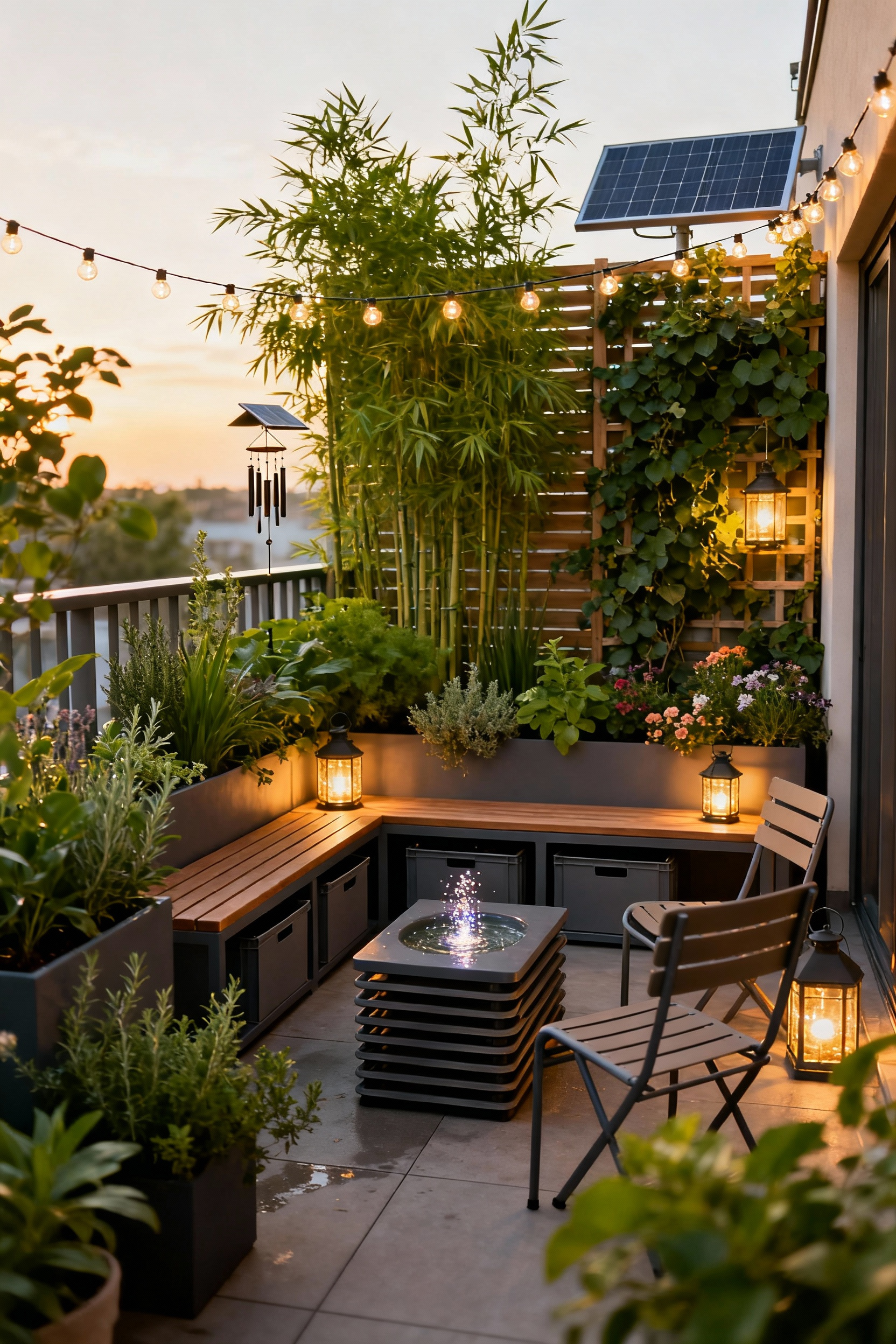
I learned early in my work that beautiful, soul-nourishing spaces are meant to hold beautiful, soul-nourishing moments. Sharing the peace you’ve cultivated is an act of generosity that enriches both you and your guests. Your balcony becomes a haven not just for you, but for your community, fostering moments of shared joy.
19. Practice Daily “Green Moments”
Integrate your garden into your daily mindfulness practice. Start your morning by spending just two minutes on your balcony, noticing one new thing—a leaf unfurling, a bud about to bloom. Before bed, step outside and take three deep breaths, inhaling the cool, green-scented air.
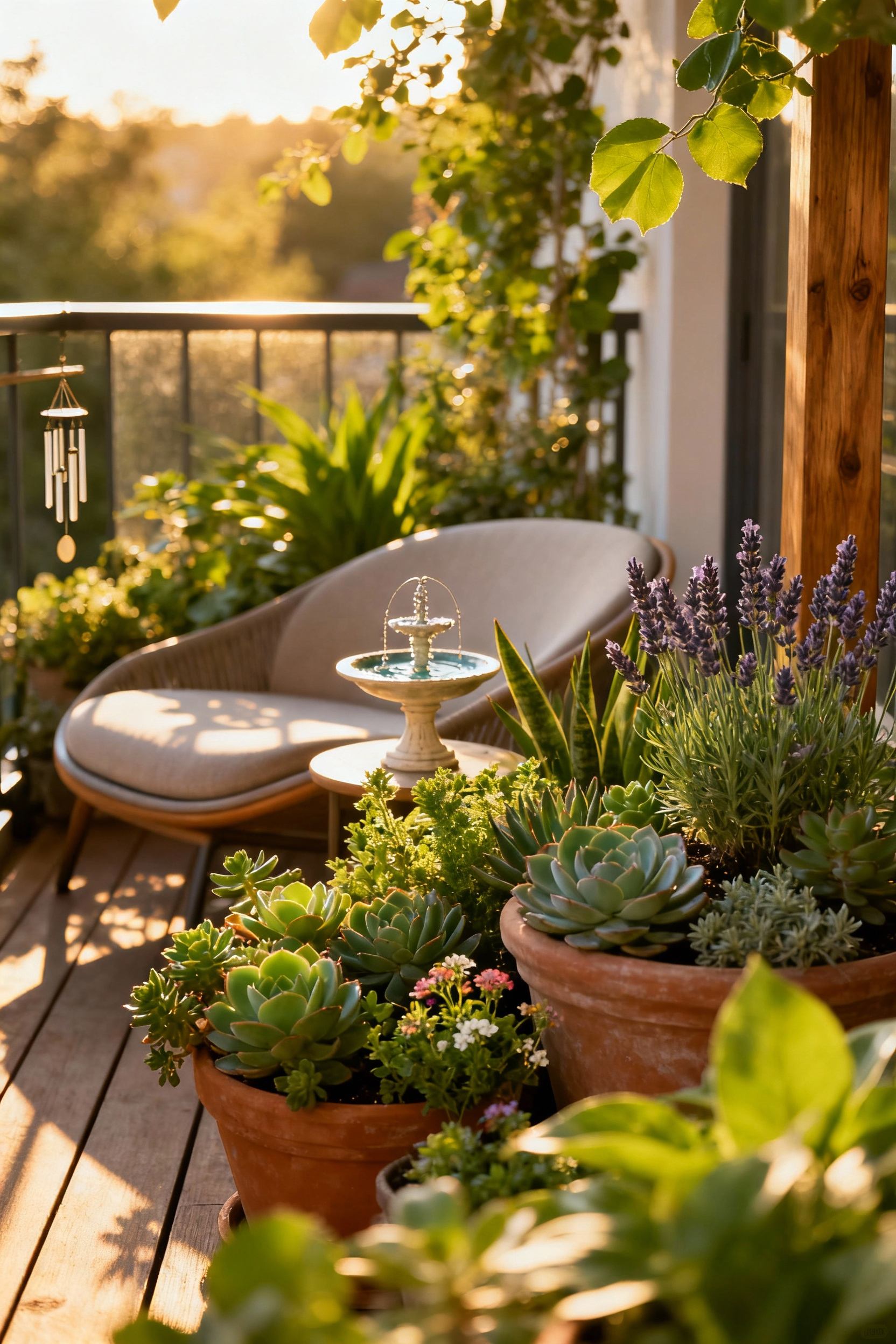
These small, consistent “green moments” anchor you in the present and have a profound cumulative effect on your well-being. They are micro-doses of nature therapy that help regulate your nervous system and cultivate a sense of gratitude, making your sanctuary a constant and accessible tool for mental clarity.
20. Foster Connection by Sharing the Bounty
There is immense joy in sharing the abundance your garden produces. If you have a surplus of herbs, cherry tomatoes, or lettuce, offer them to a neighbor or a local community fridge. This simple act turns your personal harvest into a gift that strengthens community bonds.
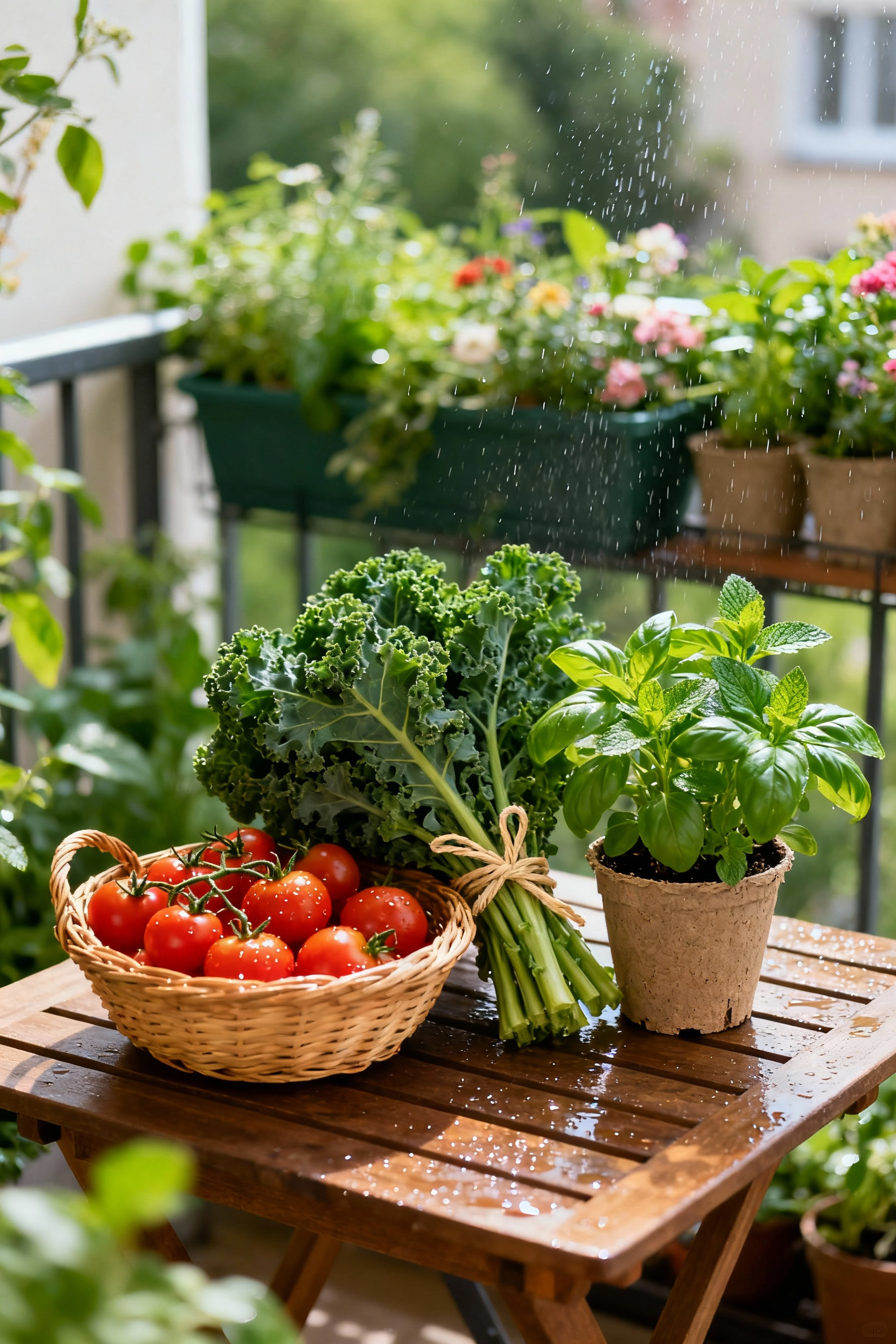
Sharing the fruits of your labor transforms your garden from a private hobby into a vibrant source of connection and generosity. It completes the cycle of well-being, extending the peace and nourishment of your sanctuary out into the world. It’s a beautiful reminder that when we cultivate life, we create more than enough to share.
Your journey to creating a balcony garden is, in truth, a journey back to yourself. This space, thoughtfully cultivated, becomes a mirror for the peace, resilience, and beauty you hold within. It’s not about achieving a perfect outcome, but about embracing the gentle, daily practice of tending to life—both in the soil and in your soul.
I encourage you to begin. Start with one small step, one conscious choice. Let your balcony become the sanctuary you deserve, a place where you can always go to reconnect, to breathe, and to remember the simple, profound joy of watching something grow. May it be a constant testament to the peace you cultivate and the beauty you bring into your world.