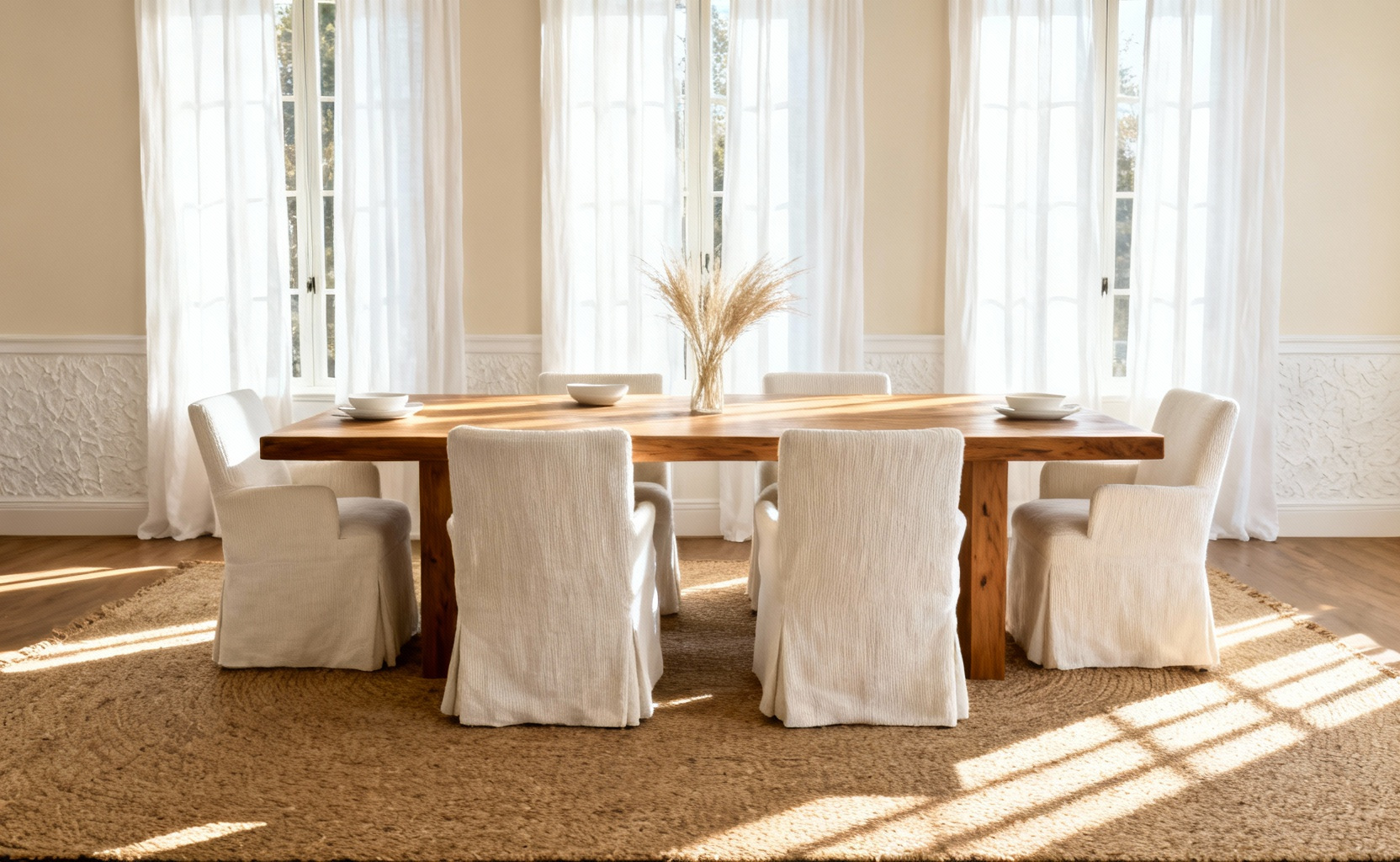

1. Introduction: The Myth of the Sterile White Space
Committing to a luxurious white dining room remodel often feels risky. Many discerning homeowners hesitate to use an all-white palette. They fear the atmosphere will feel cold, clinical, or uninviting. Historically, this anxiety stems from the “White Cube” aesthetic of early 20th-century art galleries. However, those spaces were designed for detached contemplation, not warm hospitality.
A sterile atmosphere is not an inherent trait of the color white.
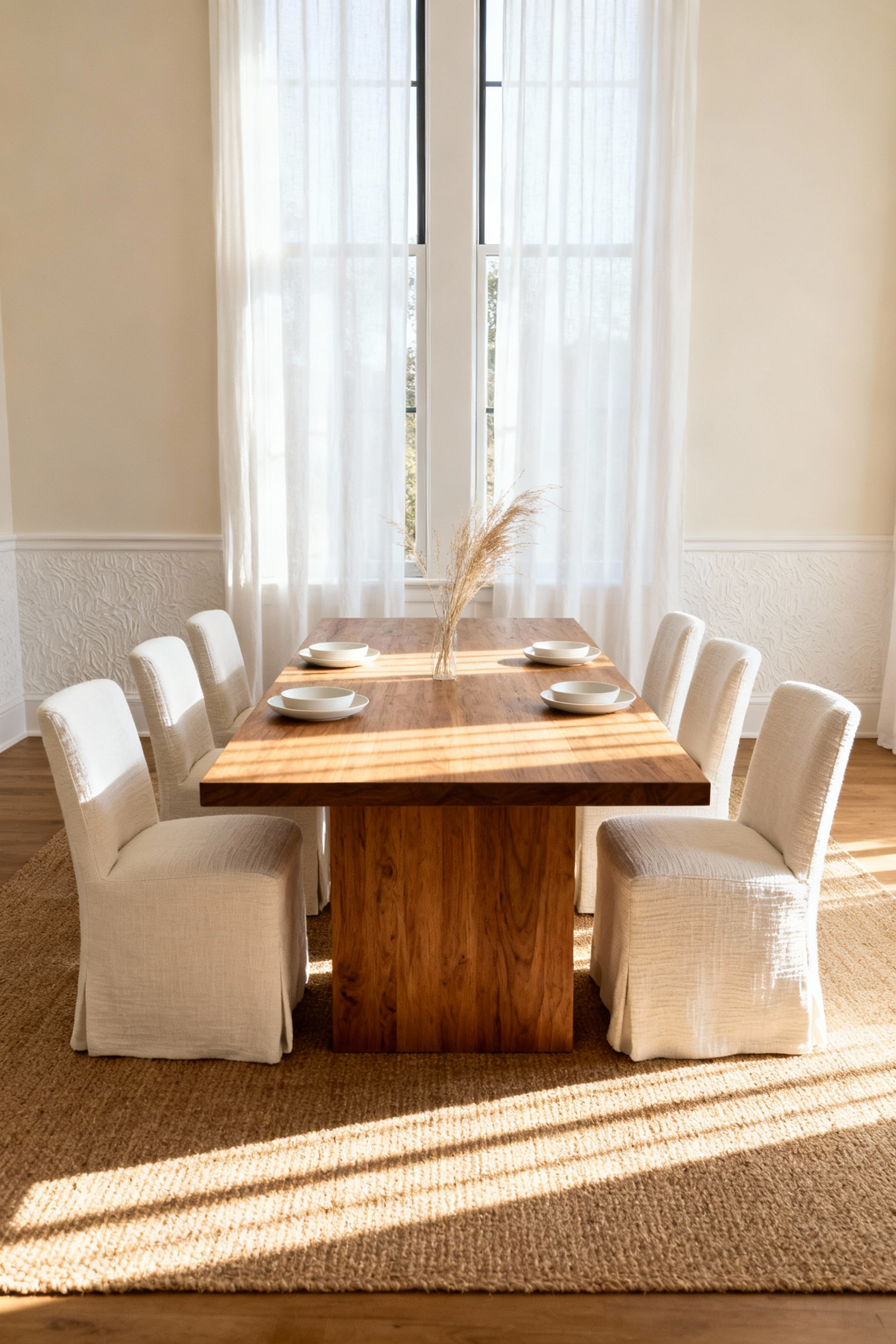
Usually, the perception of coldness results from poor color selection. Specifically, stark gallery whites frequently contain cool blue or gray undertones. Therefore, successful designs must utilize warm whites. Look for subtle hints of cream or beige. These warmer pigments soften the room. Effectively, they promote comfort and relaxation.
Furthermore, preventing sterility requires a shift in focus. You must prioritize the sensory experience. Without bold wall colors, texture must perform the heavy lifting. For instance, introduce organic materials like rough-sawn wood tables. Add woven linen curtains. Consequently, the white backdrop becomes a spotlight. It enhances these natural elements rather than erasing them.
Finally, lighting plays the most critical role. Overly bright, cool lighting makes a dining space feel like an interrogation room. Thus, you must employ soft, layered light sources. Ensure they are controlled by dimmer switches. Ultimately, this nuanced approach transforms a white room. It becomes a sophisticated, light-filled sanctuary rather than a sterile box.
2. Why Most White Dining Rooms Feel Cold (And How to Fix It)
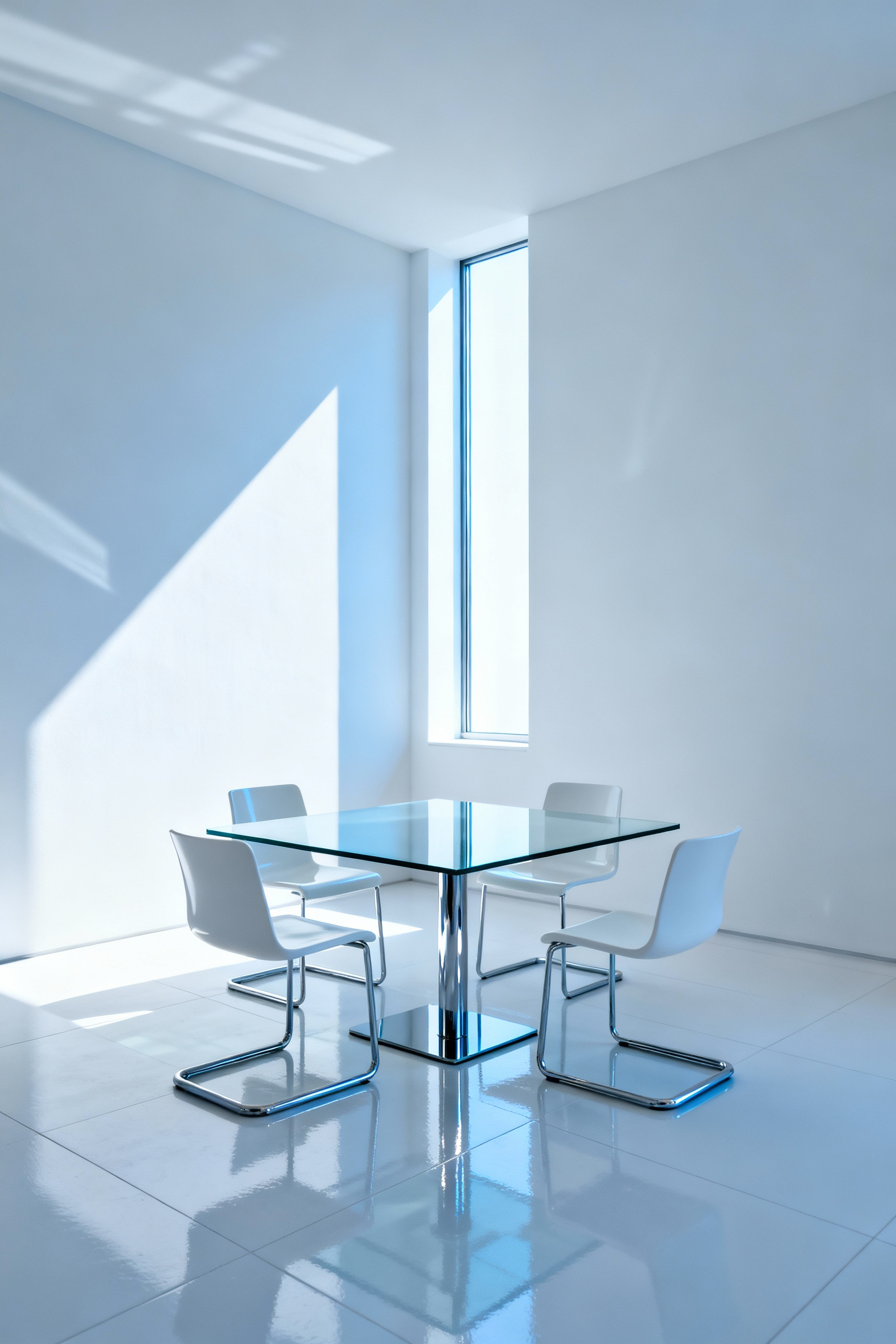
Frequently, a white dining room feels less like a sanctuary and more like a clinic. Specifically, this “cold” sensation usually stems from selecting a stark paint. Whites with blue undertones are particularly problematic. Consequently, the walls reflect harsh light. This deprives the room of necessary visual weight.
Furthermore, an overreliance on hard surfaces amplifies this detachment. Glass tables or polished metal are common offenders. Therefore, the space often becomes acoustically hollow. It feels psychologically uninviting.
However, transforming this coolness into sophistication is possible. It requires intentional layering. First, swap clinical paints for “warm” whites. Look for creamy or taupe undertones. Indeed, these nuanced shades reflect a gentle glow rather than a blinding glare.
Next, introduce organic materials. You need to physically ground the room. A solid wood table or linen drapery works wonders. In fact, these materials absorb light and soften the acoustics. Additionally, natural textures like woven rattan add essential tactile comfort.
Finally, lighting fundamentally dictates the atmosphere. Unfortunately, a single, bright overhead fixture creates a flat, “office” effect. Instead, employ a layered scheme. Use wall sconces and dimmable pendants. Moreover, strictly use bulbs in the 2700K to 3000K range. Ultimately, this mimics the warmth of candlelight. It ensures the space feels timeless rather than temporary.
3. The Coastal Contemporary Approach: Texture Over Pigment
In the coastal contemporary aesthetic, white is more than a paint color. Fundamentally, it serves as a critical architectural tool. It is designed to maximize natural light. By reflecting sunlight, white walls create an expansive atmosphere. This airiness defines seaside living.
This philosophy translates well across the home, including timeless white kitchen ideas. However, avoiding a sterile look is crucial. Therefore, successful designs layer various shades. Carefully blend crisp whites with creamy off-whites. Consequently, this creates a serene backdrop. It allows other elements to shine without competition. Furthermore, designers typically favor matte finishes to maintain warmth.
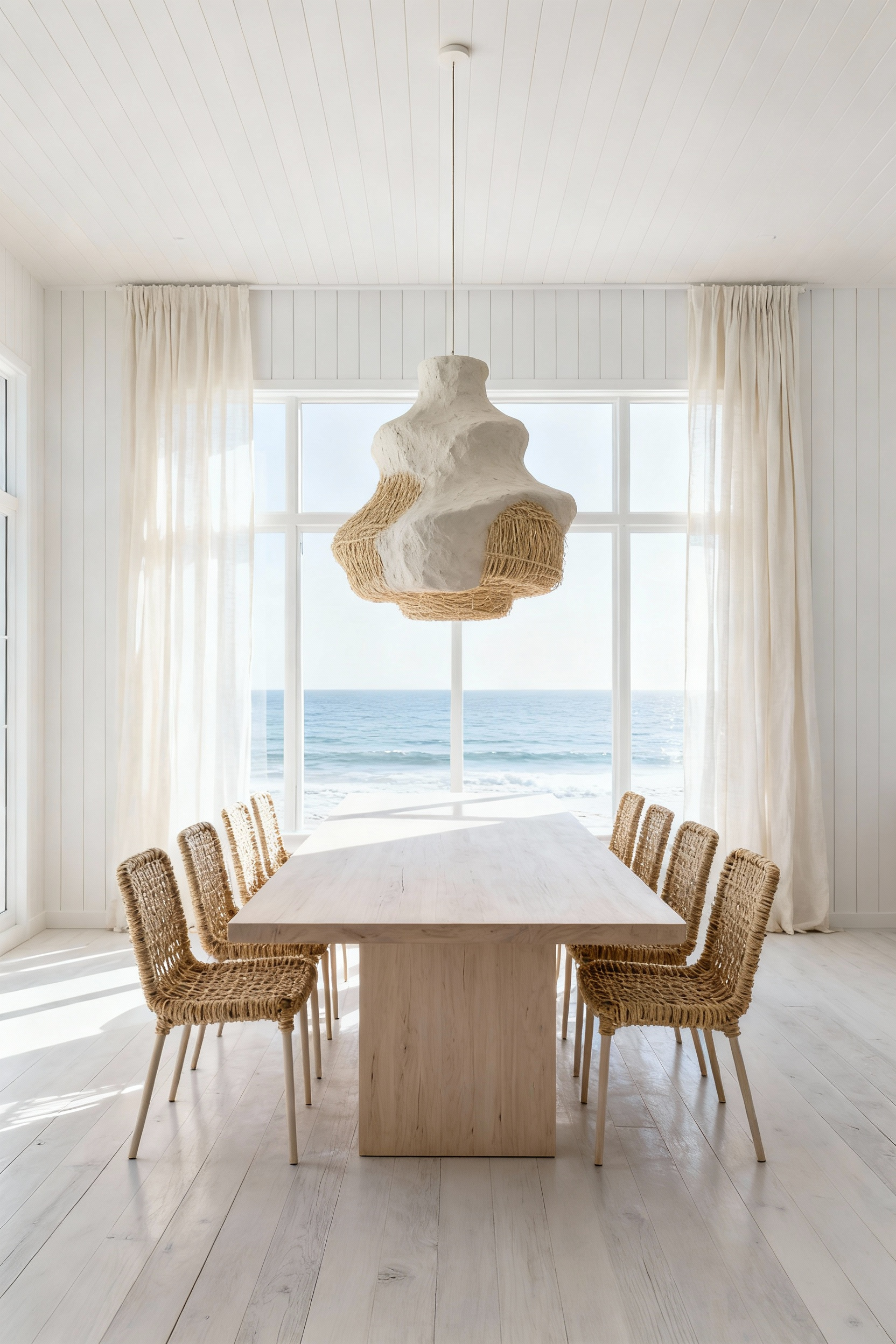
Instead of relying on saturated color, prioritize tactile variety. Specifically, texture replaces pigment. This provides necessary visual weight. For instance, introduce woven elements. Oversized rattan pendants or chunky jute rugs are excellent choices. Additionally, grasscloth wallpaper adds organic patterning. It does this without disrupting the neutral palette.
Similarly, furniture plays a vital role. It grounds the space. Bleached or weathered wood tables offer contrast. Their rugged grain stands out against smooth walls.
Ultimately, this method fosters relaxed elegance. Natural materials, like washed linen slipcovers, embrace imperfections. Wrinkles are welcome here. As a result, the dining room feels inviting. It avoids stiff formality. This interplay of rough and smooth creates visual movement. Thus, the space achieves a mature coastal look. It avoids literal motifs for a suggestive, timeless atmosphere.
4. Theme I: The Architectural Canvas
In a sophisticated dining room remodel, white acts as a strategy. It is not merely a color choice. Rather, the walls become a dynamic surface. They are tuned to natural light. Specifically, white surfaces react to sunlight like “liquid colorless paint.”
Thus, the focus shifts entirely. We move from applied pigment to volumetric form. In fact, details like wainscoting become crucial. Fluted molding acts as the room’s primary brushstrokes. This creates an “architecture of shadow.”
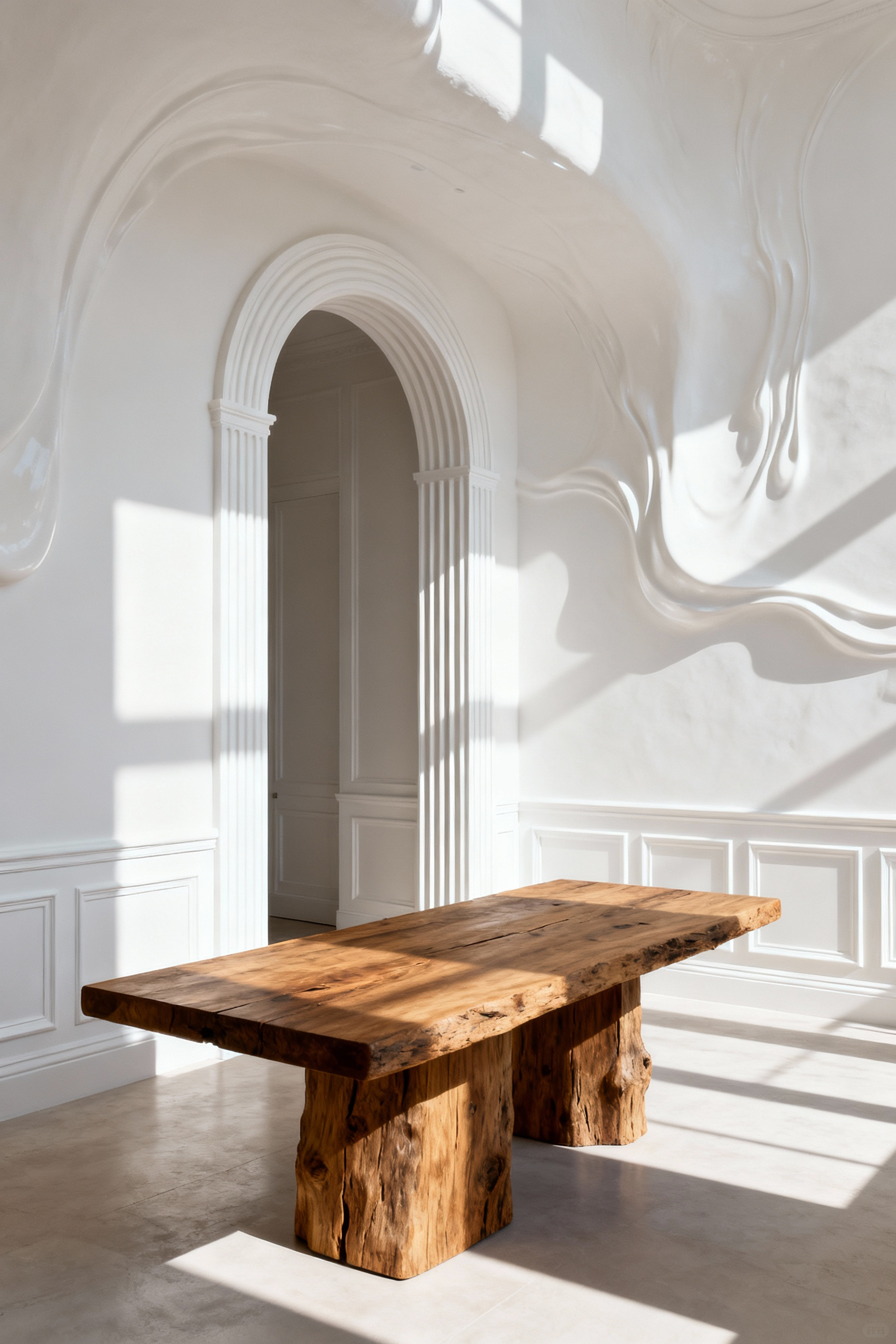
Furthermore, this approach creates a powerful “gallery effect.” By stripping away decoration, the design highlights structural bones. For instance, exposed wood beams become focal points. Fireplace mantels command attention. Therefore, the lack of color focuses the eye on structure. This aligns with Modernist principles. The goal is purity of form.
However, achieving this requires nuance. Experts warn that flat white creates a cold atmosphere. Instead, the architectural canvas relies on layering textures. For example, pair matte plaster walls with crisp semi-gloss trim. This creates necessary depth.
Additionally, ground the space with warm materials. Limestone tiles prevent weightlessness. Ultimately, these textural shifts delineate form. They do so without introducing distraction.
5. Mastering Undertones: Distinguishing Alabaster from Chantilly
Selecting the perfect white paint is an art form. It requires a keen understanding of subtle undertones. Specifically, the decision often rests between two giants: Sherwin-Williams Alabaster and Benjamin Moore Chantilly Lace. Fundamentally, this choice distinguishes a warm glow from gallery-like purity.
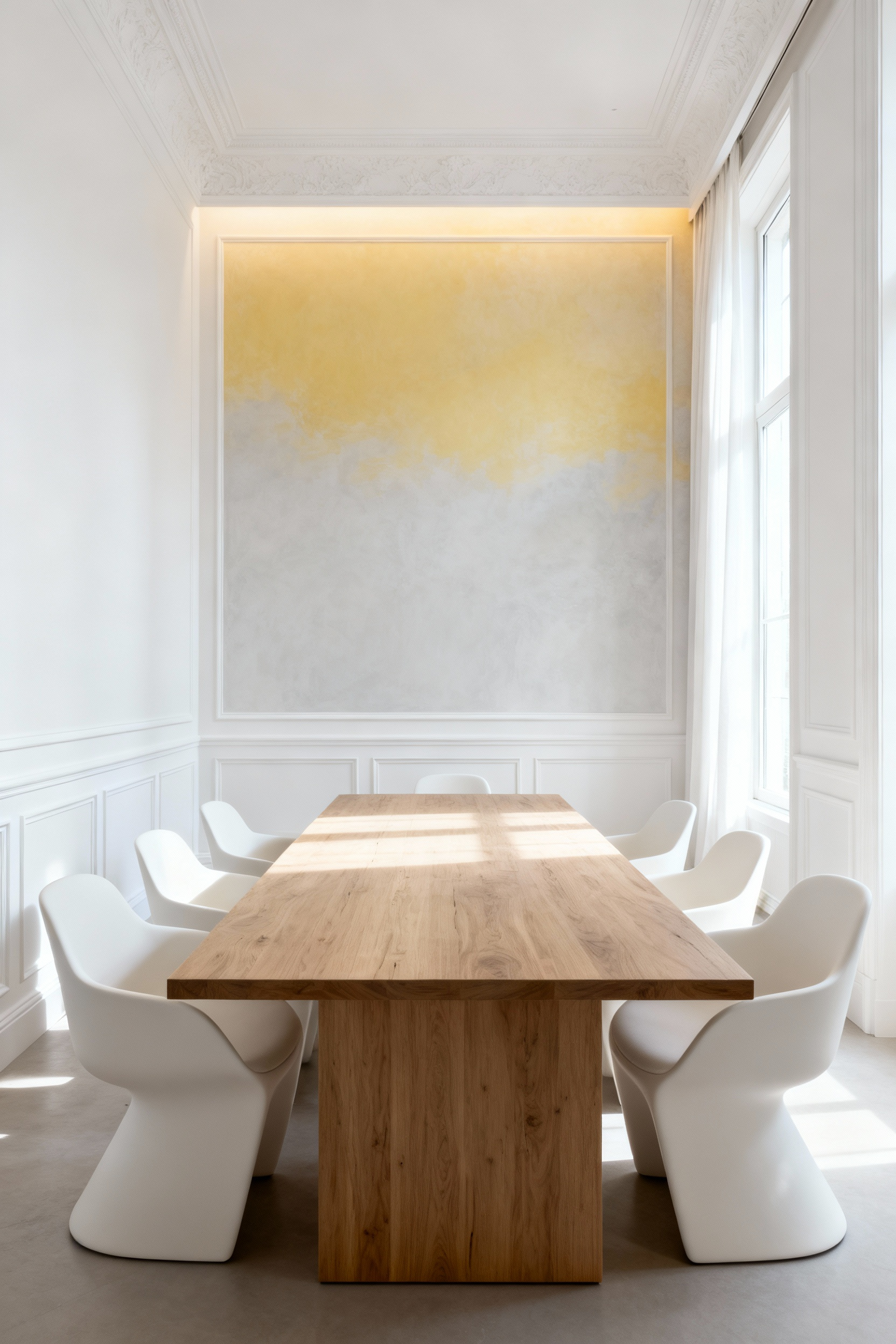
First, consider the character of Alabaster. Technically, this shade possesses yellow undertones. These are balanced by a crucial drop of gray. Consequently, this creates a creamy, soft muting effect. It avoids stark brightness. In a dining room, Alabaster fosters a cozy environment. Furthermore, its warmth naturally flatters complexions. It is ideal for intimate gatherings. Ideally, pair it with warm hardwoods or natural stone.
Conversely, Chantilly Lace offers a different experience. Notably, it is nearly devoid of yellow pigment. Therefore, it acts as a true off-white. It provides a crisp, modern backdrop. Because of this purity, it reflects light intensely. This creates an airy, spacious feel. However, be aware of its reflective nature. It keenly mirrors outside colors, such as garden greenery. Ultimately, this shade suits contemporary spaces. It works best with cool-toned fixtures or gray marble.
6. Structural Depth: Sophisticated Shiplap and Tongue-and-Groove
A monochromatic dining room runs a risk. It can easily feel flat. Consequently, we introduce millwork to manipulate light. This creates essential architectural interest. Specifically, sophisticated depth relies on the “Nickel Gap” standard. This precise 1/8-inch channel catches ambient light.
It casts a crisp, thin black shadow line. As a result, the wall transforms. It becomes a rhythmic, textured canvas rather than a smooth plane.
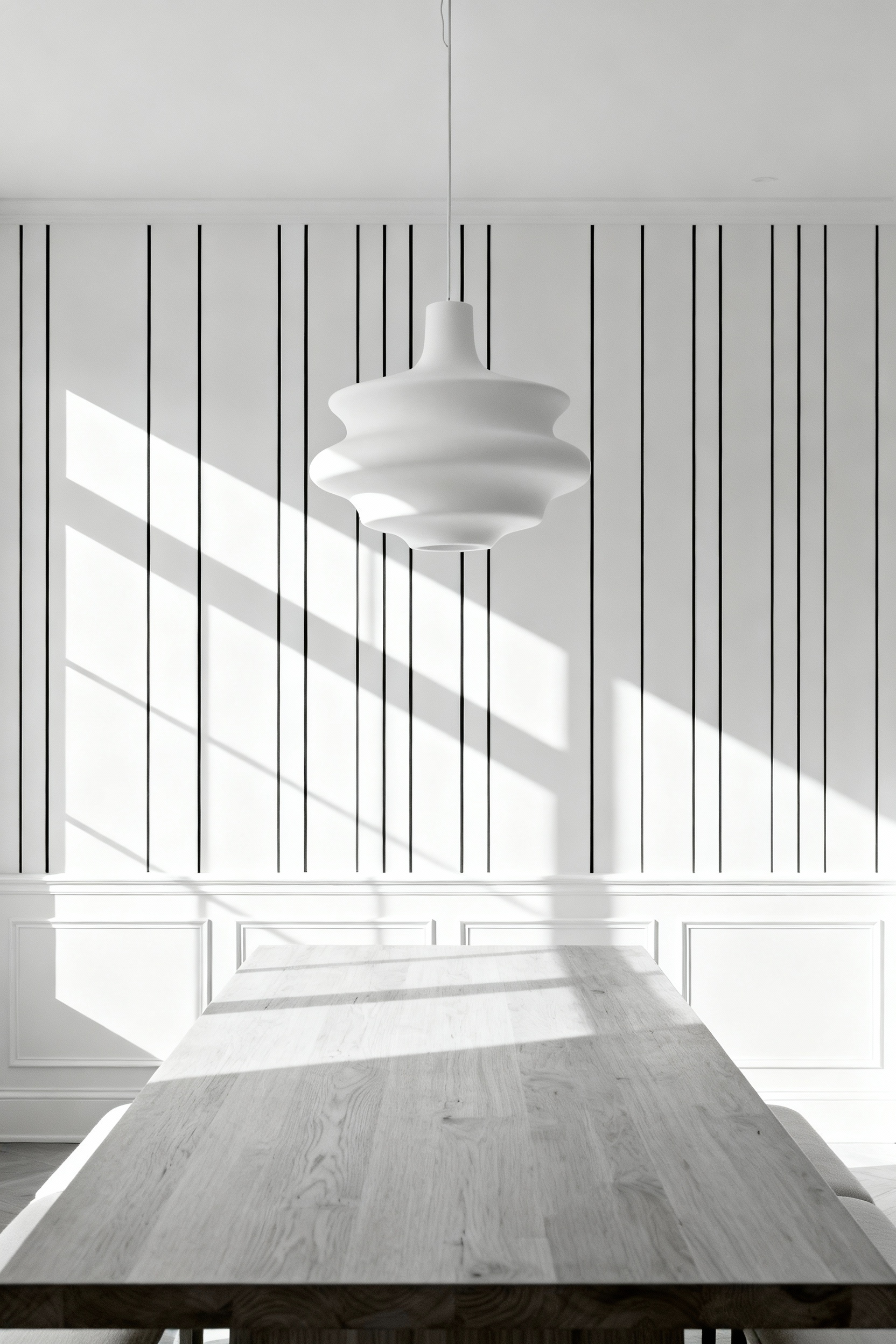
Alternatively, consider tongue-and-groove paneling. It offers a tighter, more seamless finish. Because the boards interlock firmly, they provide insulation. They also dampen noise effectively. Thus, this material is ideal for ceilings. By drawing the eye upward, it creates a coffered effect. It feels elegant and structurally sound.
Furthermore, board orientation dictates perceived volume. For instance, vertical installation exaggerates ceiling height. It adds formal grandeur. Conversely, horizontal placement elongates walls. It makes intimate areas feel expansive. Ultimately, painting these profiles white highlights their texture. It creates an “architecturally honest” look. This approach grounds the room with genuine history.
7. The ‘Fifth Wall’: Beamed Ceilings and Reflective Finishes
In a white dining room, the ceiling offers a canvas. Designers often call this the “Fifth Wall.” Structurally, exposed beams provide visual weight. Consequently, they anchor the room. They offer a primal sense of security.
However, we must balance this heaviness. Painting the recesses white ensures the space remains airy. Specifically, this contrast creates an optical illusion. The eye is drawn upward past the dark timber. Therefore, the ceiling feels significantly higher.
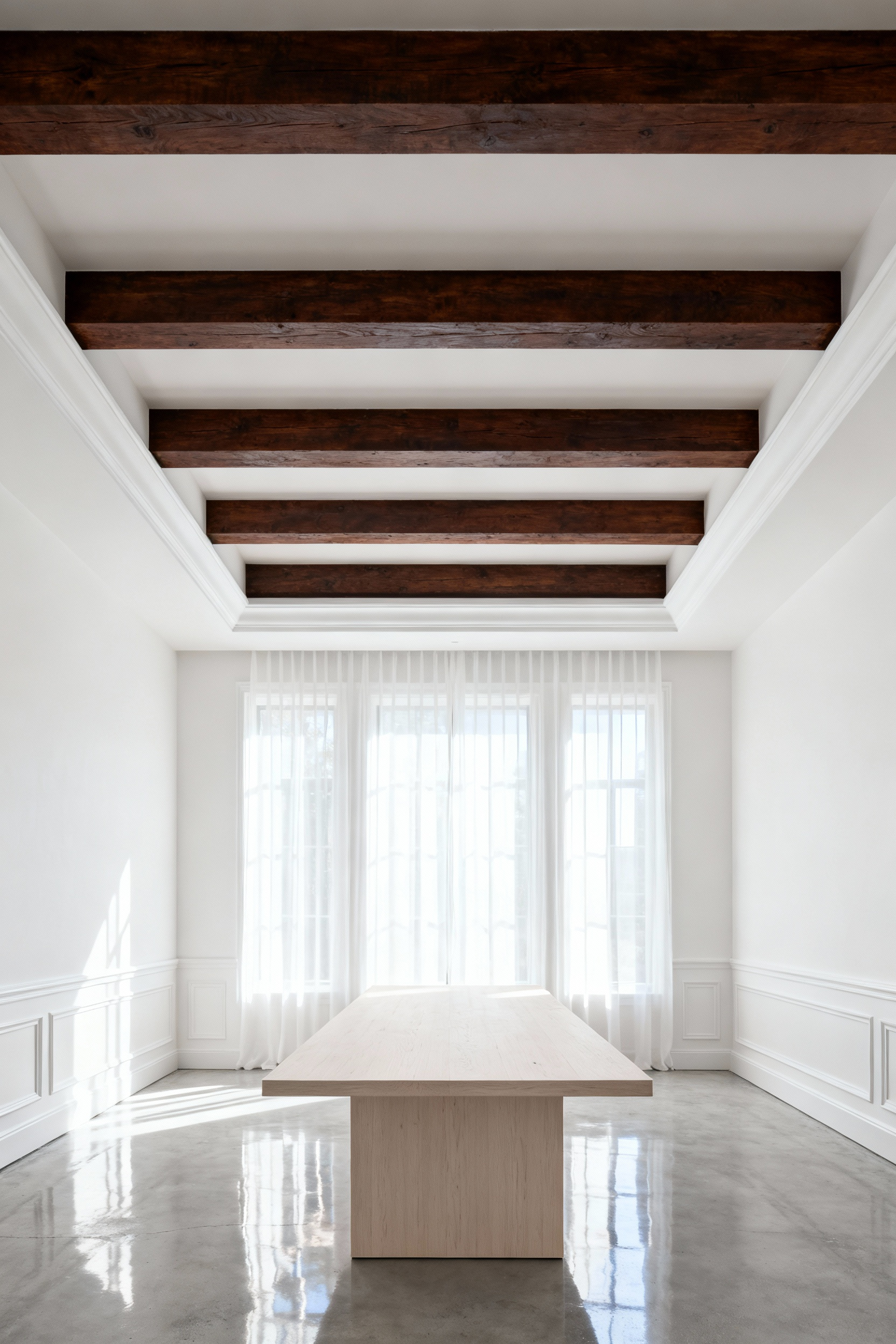
Furthermore, paint sheen matters immensely. Standard flat paint simply diffuses light. Conversely, a high-gloss finish creates reflection. Light bounces off the surface like a mirror. As a result, the room gains a “jewel-like glow.” Technically, choose paint with a high Light Reflectance Value (LRV). Aim for an LRV between 70 and 85. This maximizes luminosity.
Finally, consider architectural details like coffered ceilings. These features introduce instant grandeur. Moreover, they allow for seamless lighting integration. For instance, hide cove lighting within the beam structure. This washes the ceiling in soft light. Ultimately, this allows the room to shift moods effortlessly.
8. Theme II: Weathered Materiality
A completely white dining room risks feeling sterile. However, introducing weathered materiality counters this problem. Essentially, the pristine walls act as negative space. Consequently, this bright backdrop emphasizes aged materials. It highlights their inherent character.
This design choice creates tension. It balances history and purity. For instance, a reclaimed wood table becomes a narrative anchor. It is no longer simple furniture. Specifically, species like Antique Heart Pine feature deep grain. Yet, to maintain a breezy feel, consider a white wash. This finish preserves history while harmonizing with the palette. Ultimately, the goal is a warm, lived-in retreat.
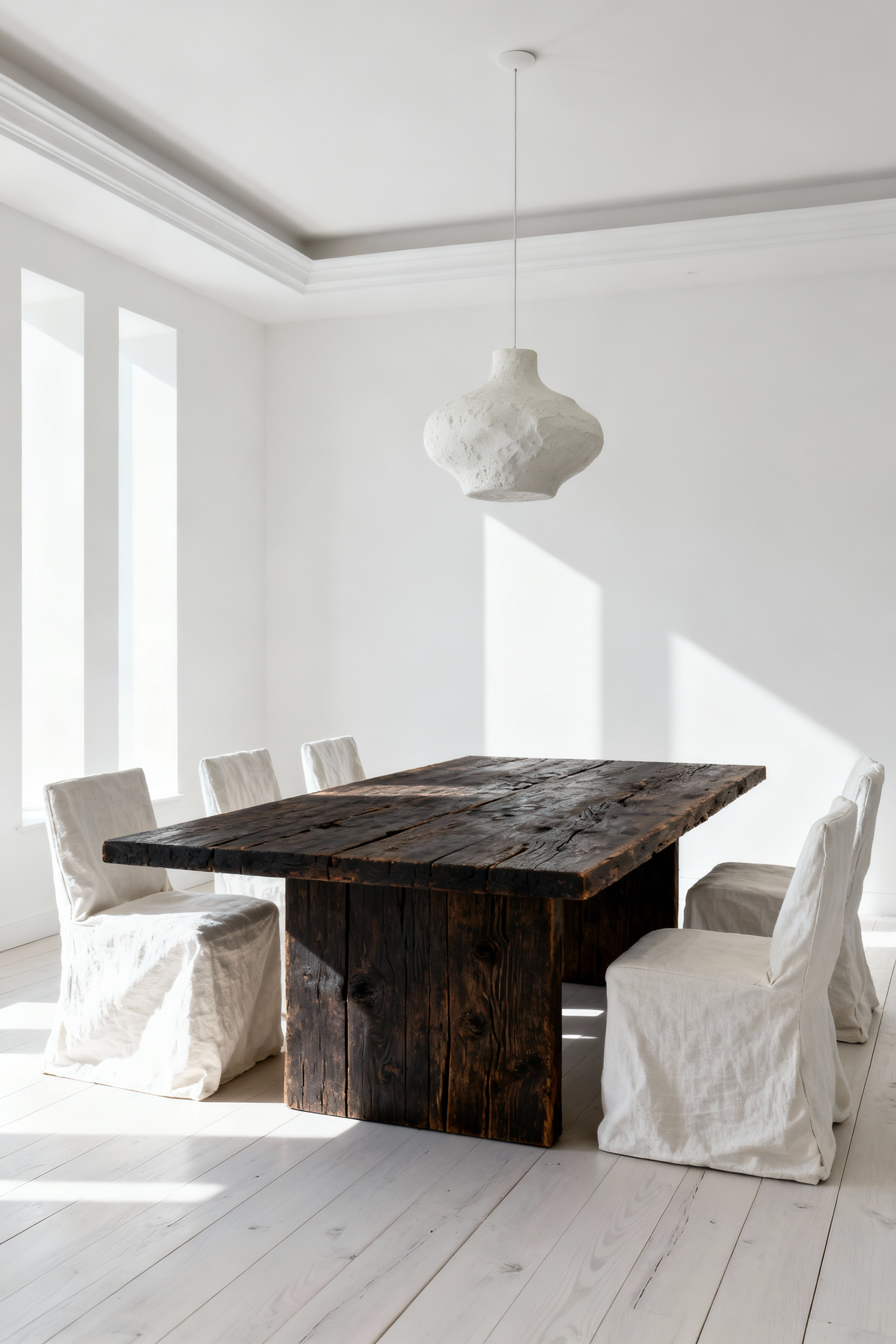
Furthermore, the wall finish plays a role. Standard flat paint can appear too stark. Therefore, limewash paint offers a superior alternative. Made from natural limestone, it applies in layers. As a result, the walls develop a cloudy texture. In fact, this subtle movement removes the need for wall decor. Finally, this choice transforms the room. It becomes a breathable, tactile environment.
9. Grounding the Space: Bleached Oak and Driftwood Flooring
Designing an all-white dining room requires balance. Therefore, flooring acts as a crucial anchor. It prevents the palette from feeling sterile. Specifically, bleached oak and driftwood tones offer warmth. They do this without sacrificing airiness.
However, achieving this look involves technical processes. True chemical bleaching strips natural tannins. Consequently, this creates a clean, bone-white surface. Conversely, whitewashing applies a semi-transparent pigment. This method retains subtle warmth. It effectively evokes a relaxed, Nordic aesthetic.
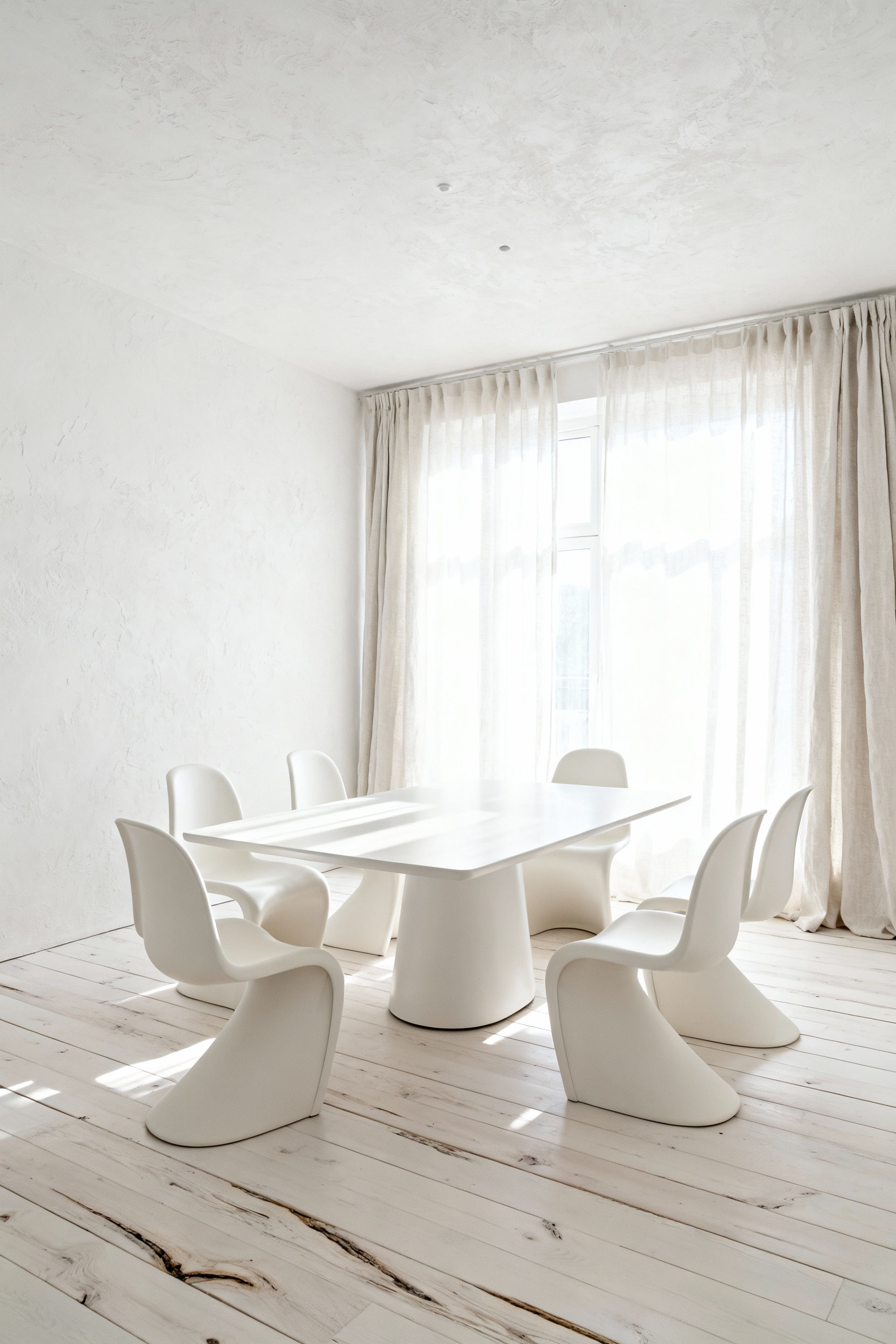
Moreover, driftwood finishes introduce narrative. This style aligns with Wabi-Sabi. Essentially, it celebrates natural imperfection. Practically, this look is often achieved through wire-brushing. This technique mechanically scrapes away soft wood. It exposes the harder grain. As a result, the textured surface conceals scuffs better than smooth finishes.
Finally, these pale hues serve an architectural purpose. They reflect ambient light. This increases the room’s perceived volume. To maximize this, designers select wide-plank White Oak. Specifically, planks up to ten inches wide minimize seams. Furthermore, a matte finish absorbs glare. Thus, the floor becomes a foundation of quiet luxury.
10. The Dining Table: Honoring Raw Wood Grain and Imperfection
In a white dining room, a raw wood table provides grounding. Specifically, this introduces the concept of Wabi-Sabi. This philosophy celebrates beauty in imperfection. Consequently, knots and “live edges” are viewed as details, not defects.
Moreover, this aesthetic aligns with Biophilic Design. It connects the interior to nature. Thus, the room fosters a calming energy. It lowers stress in high-traffic spaces.
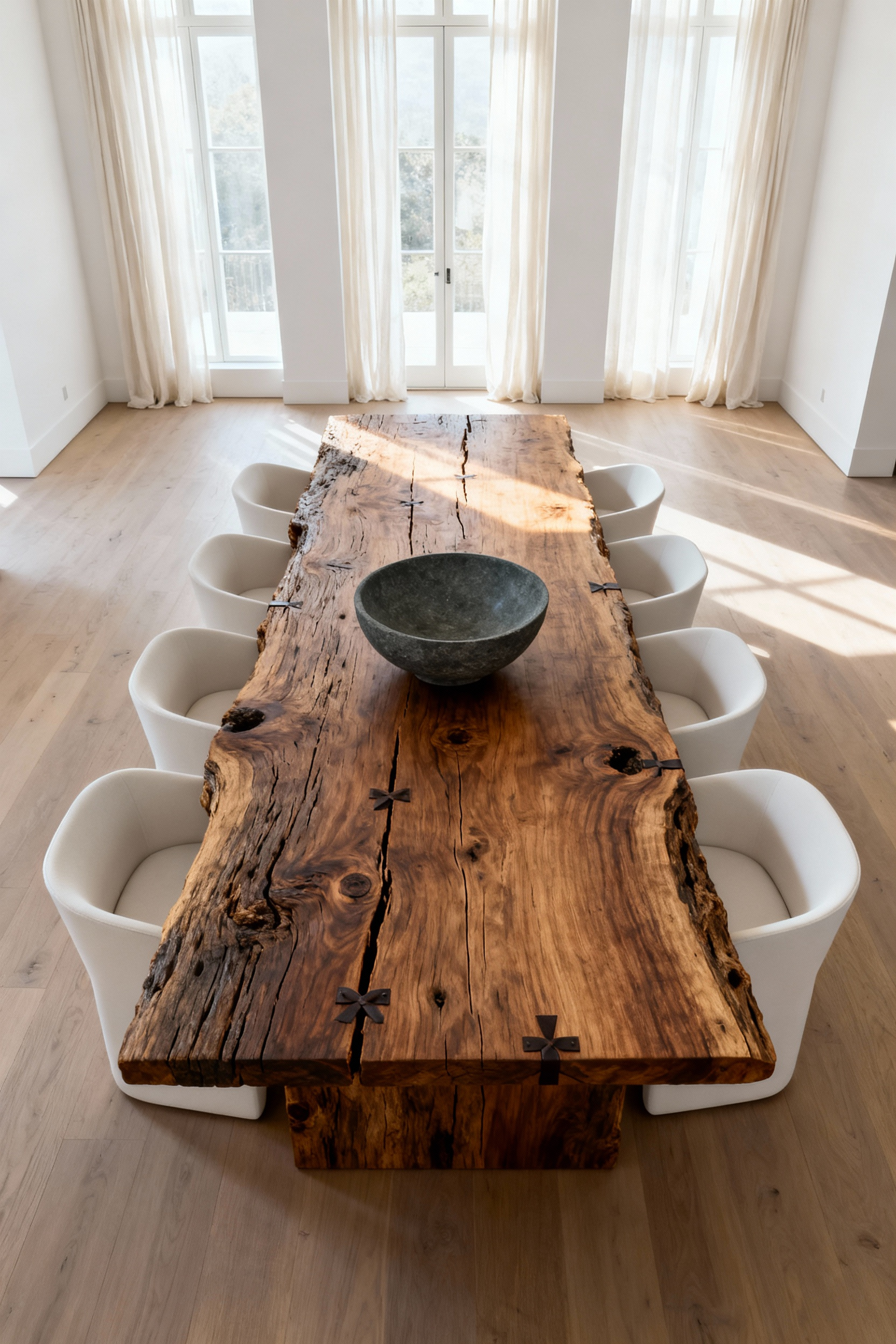
The surrounding white architecture acts as a gallery wall. In fact, a monochromatic palette forces the eye to focus on texture. Simultaneously, smooth walls contrast with rough grain. Therefore, this prevents the space from feeling sterile. It generates visual warmth. The table becomes a piece of history. It asserts that authenticity trumps perfection.
However, preserving this look requires nuance. Standard clear coats often darken wood. They add unwanted amber tones. To counteract this, woodworkers use a “paint wash” technique. This deposits a subtle white pigment. It maintains a bleached appearance. Furthermore, imperfections are rarely hidden. Instead, dark epoxy may fill splits. This highlights the flaw. Ultimately, a matte finish ensures durability. It does so without compromising the wood’s tactile nature.
11. Seating Selection: Slipcovers, Wishbone Chairs, and Rattan
In a white dining room, the Wishbone Chair is iconic. Specifically, it introduces a layer of curated modernism. Hans J. Wegner drew inspiration from Ming Dynasty portraits. Consequently, the chair adds cross-cultural history. Furthermore, the hand-woven paper cord creates visual anchors. Therefore, these wood tones prevent a white space from feeling sterile.
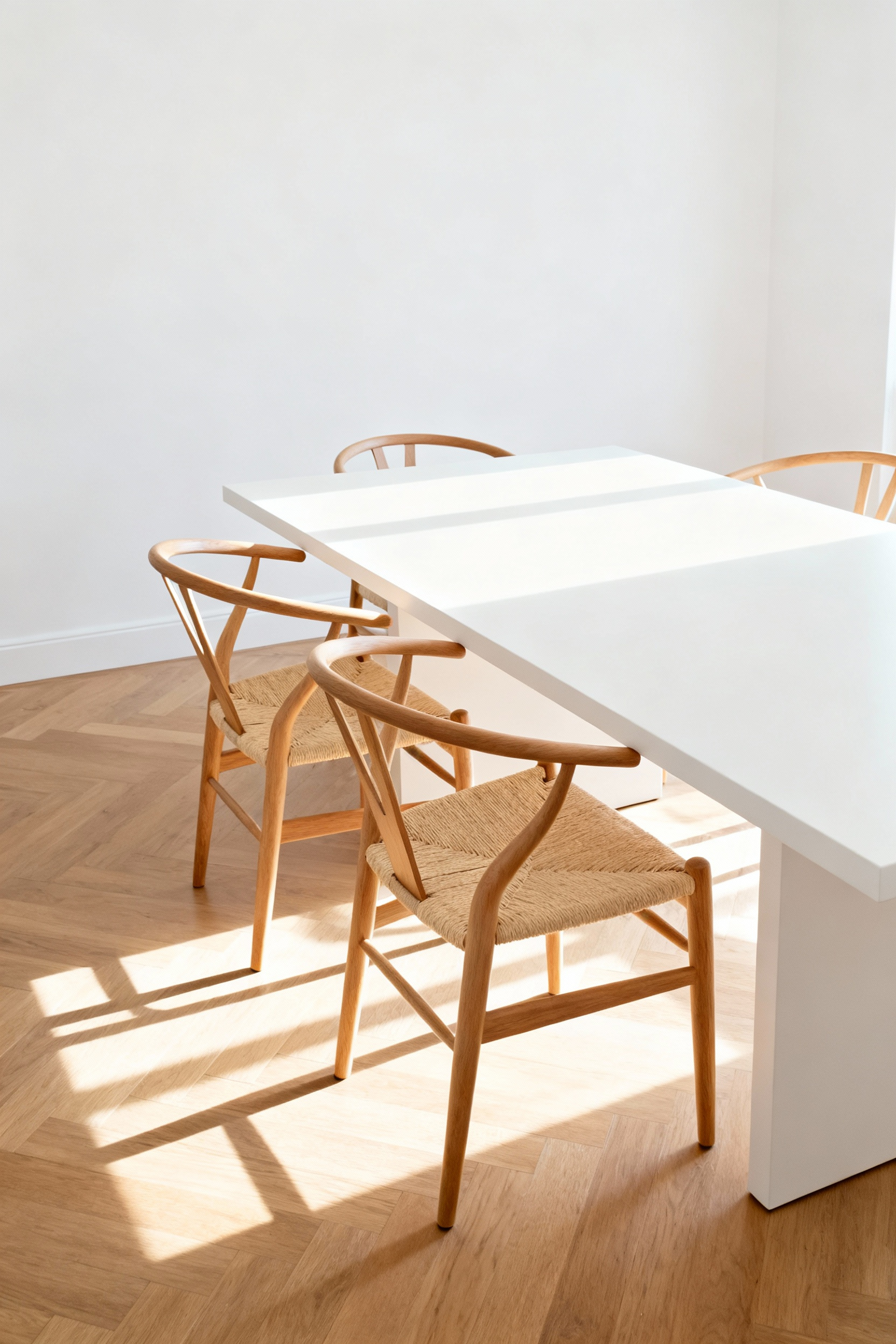
Conversely, many homeowners fear white upholstery. However, white slipcovers are actually a practical choice. In fact, durable fabrics like linen are easily bleachable. Thus, you can embrace a soft aesthetic. You do not need to fear permanent stains. Additionally, a loose fit helps soften hard surfaces. Ultimately, this element introduces a relaxed, coastal chic vibe.
Finally, rattan seating solves the issue of flatness. Ideally, it provides visual interest without color. For instance, the dense weave breaks up smooth flooring. Moreover, rattan is a sustainable resource. It is widely used in Japandi styles. As a result, it grounds the room with organic warmth.
12. Stone and Surfaces: Why Matte Finishes Matter in White Rooms
In a monochromatic room, managing light is vital. Specifically, high-gloss surfaces can reflect sunlight intensely. This creates uncomfortable visual noise. Therefore, selecting matte finishes is a strategic move.
Unlike polished stone, a matte surface diffuses light. Consequently, the room benefits from a soft glow. It avoids harsh, distracting glare.
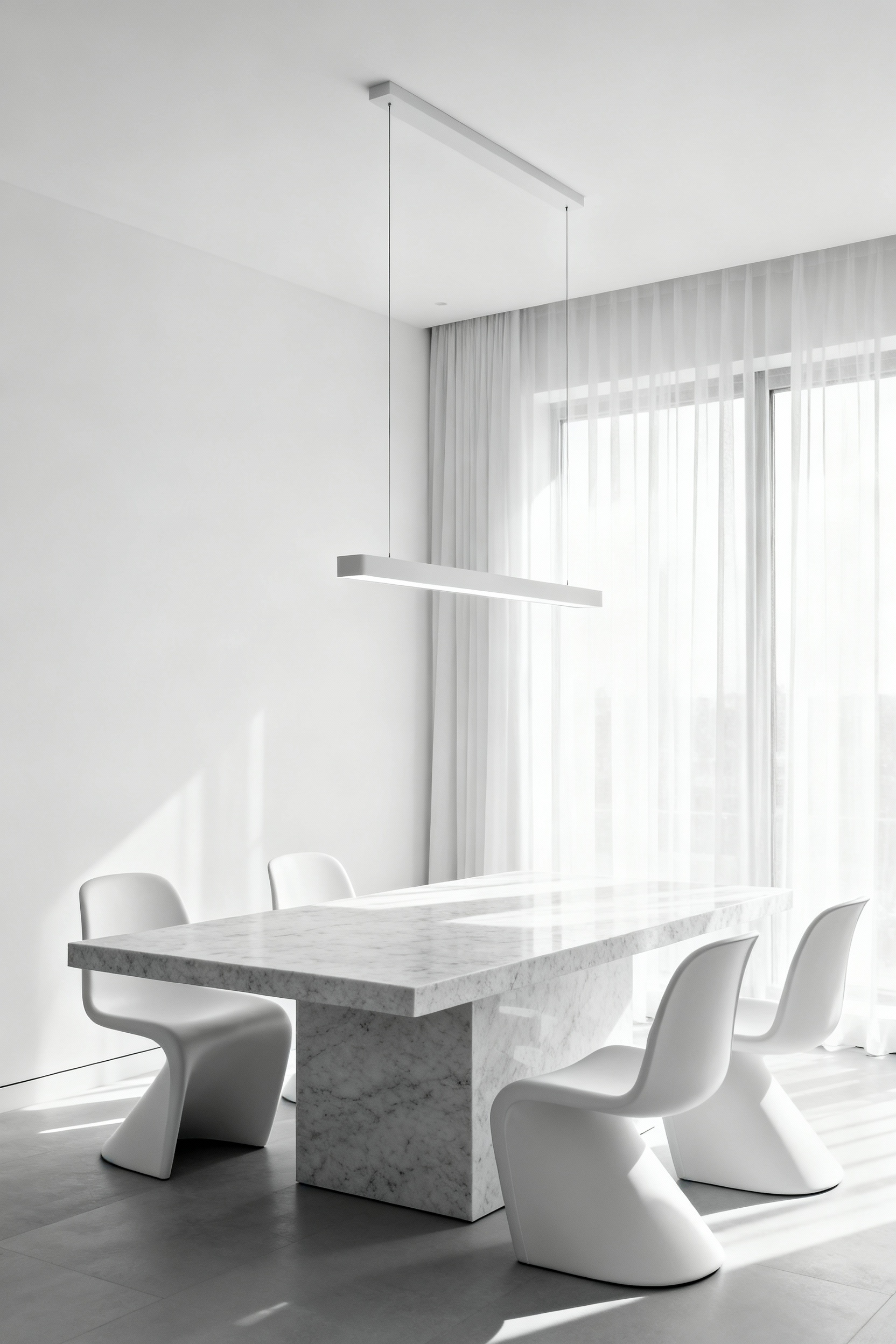
Furthermore, this choice shifts the aesthetic. It moves from flashy glamour to understated elegance. Historically, polished marble defined luxury. Yet, it often feels too formal today. In contrast, a honed finish provides a tactile quality. As a result, the natural veining becomes the focal point. It offers depth without the shine.
Finally, the practical benefits are significant. High-gloss white tables highlight fingerprints immediately. Conversely, matte textures obscure these marks. Thus, the dining room remains a space for relaxed gathering. It does not require constant cleaning. Ultimately, a matte finish ensures the room feels timeless and livable.
13. Theme III: Luminosity and Atmosphere
Creating a white dining room carries risk. Specifically, using harsh whites can make a space feel clinical. To counteract this, prioritize warm undertones. Consequently, shades like cream introduce a subtle glow. This warmth ensures the room feels inviting.
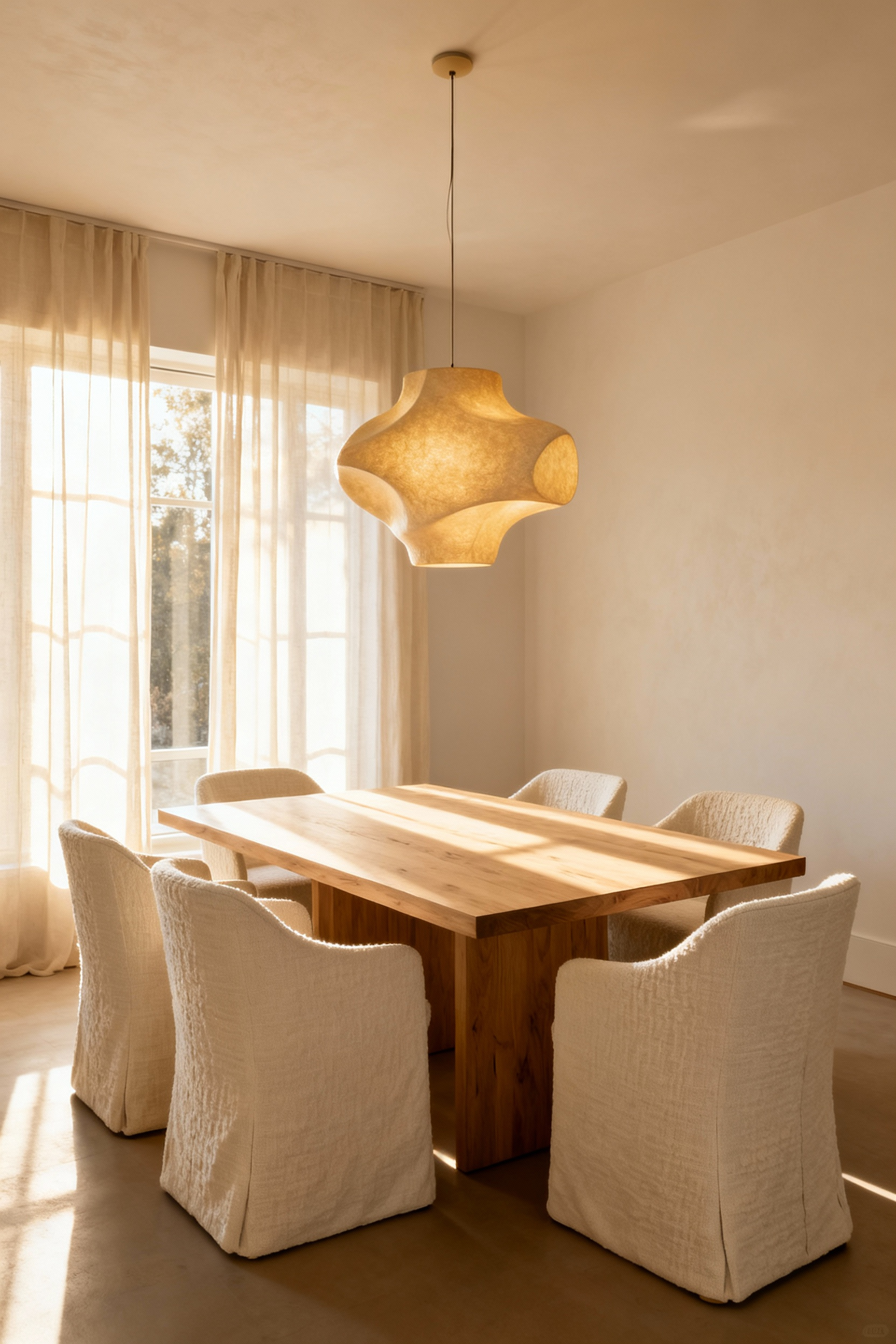
However, paint selection is only half the battle. Ultimately, lighting temperature dictates the mood. Experts recommend a warm range. Stick between 2700K and 3000K. In fact, this spectrum mimics candlelight. Therefore, it fosters a sense of safety. Conversely, cooler bulbs make guests feel alert and detached. Thus, dimmable, warm lighting is non-negotiable.
Furthermore, a monochromatic palette requires texture. Instead of color contrast, we create depth through surfaces. For instance, light diffuses through sheer linen curtains. Simultaneously, bouclé adds richness at eye level. Finally, a wool rug grounds the floor. These layers create a sophisticated sensory experience.
14. Sculptural Lighting: Oversized Wovens and Capiz Shells
In a monochrome room, the atmosphere can feel stark. Therefore, introducing organic textures is essential. Specifically, oversized wovens and Capiz shells counteract sterility. Woven pendants act as architectural sculptures. Consequently, they transform illumination into art.
The open weave allows light to dance. It creates dramatic shadow play on the walls. To execute this, scale is paramount. Ideally, the fixture should measure half the table’s width. This ensures the piece feels intentional.
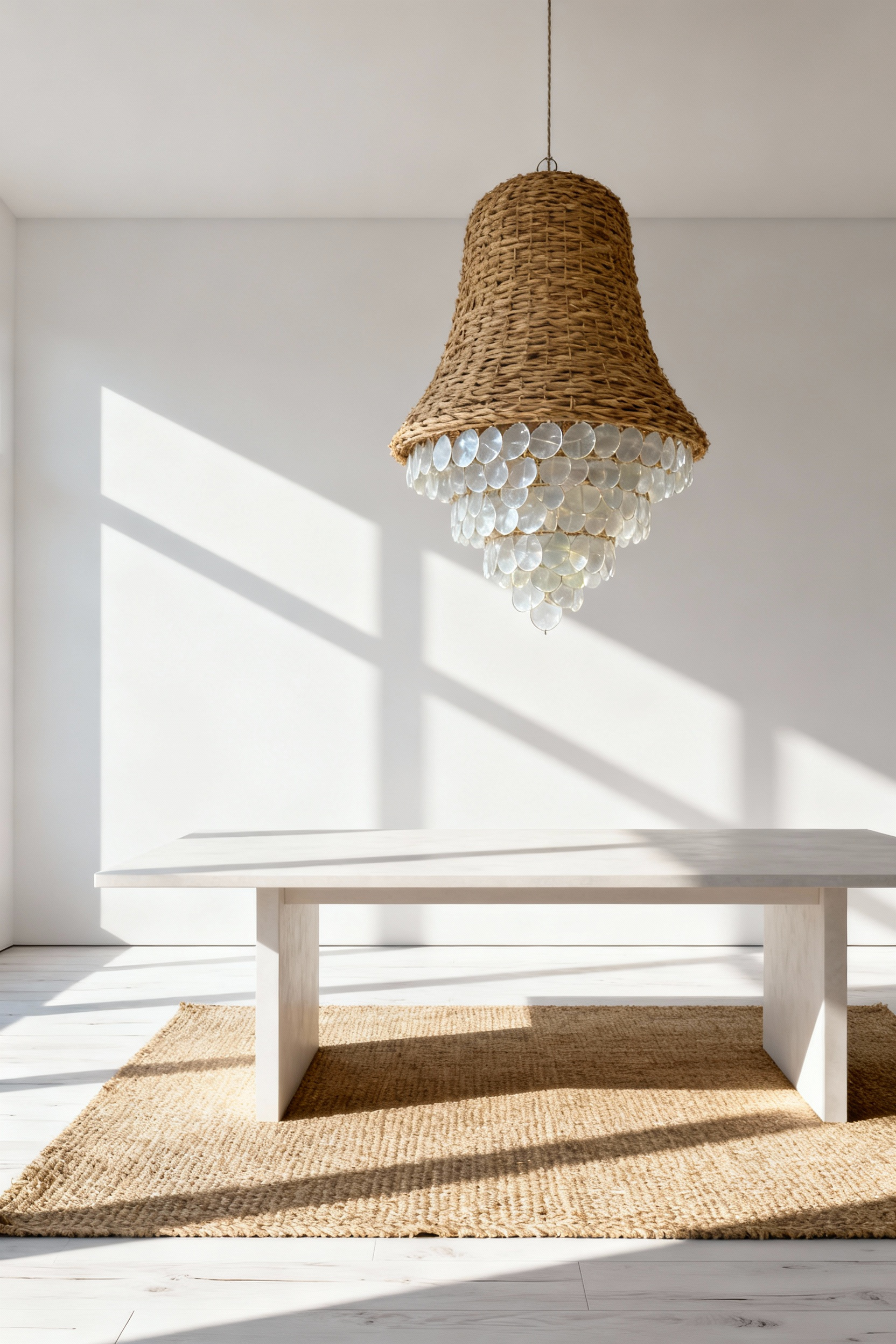
Conversely, Capiz shell fixtures offer softness. Known as the “windowpane oyster,” these shells are translucent. Thus, they diffuse light gently. They avoid casting hard shadows. This creates a tranquil glow. Furthermore, tiered chandeliers add kinetic movement. Ultimately, whether choosing rattan or shell, these elements work. They prevent the design from feeling flat. They provide the friction needed to ground a white space.
15. Harnessing Daylight: Sheer Drapery and Window Architecture
In a modern white dining room, light is an architectural material. Consequently, window treatments are structural extensions. Specifically, floor-to-ceiling sheer drapery is transformative. It turns windows into vertical galleries of light.
By mounting tracks to the ceiling, you draw the eye upward. This instantly elongates the walls. Furthermore, the loose drape provides a “soft frame.” It introduces an ethereal texture that counteracts rigidity.
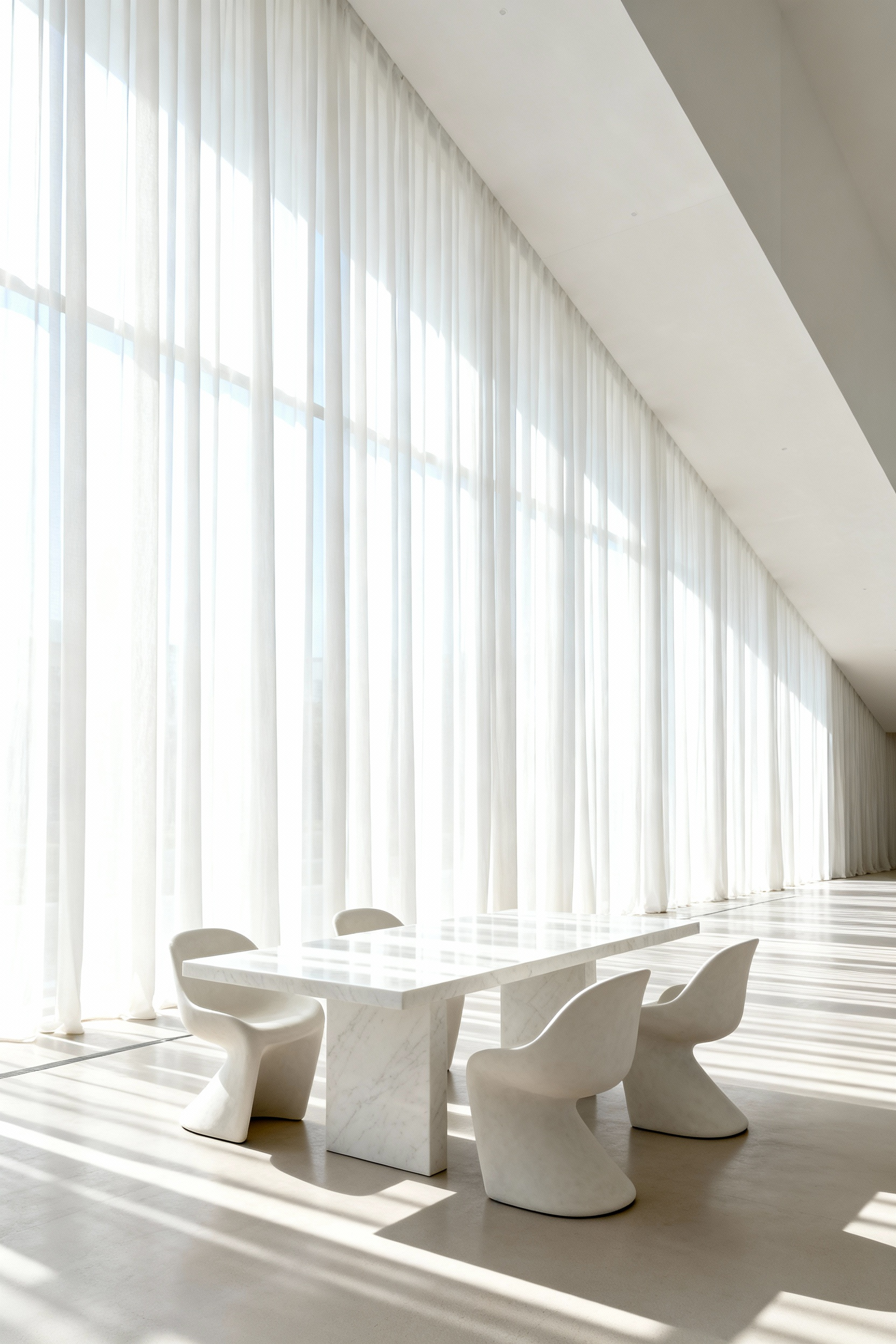
Beyond structure, fabric choice dictates color temperature. Pure white surfaces amplify cool daylight. However, selecting off-white sheers tints this light. Thus, the atmosphere shifts from clinical to warm. Psychologically, this fosters relaxation. We call this “appetite light.”
Nevertheless, sheers alone are insufficient. At night, they compromise privacy. Therefore, a dual-track system is the standard. This allows you to layer the sheer with an opaque drape. Consequently, you gain thermal control. Moreover, layering white-on-white adds crucial depth. Ultimately, this ensures the room feels both breezy and grounded.
16. Theme IV: The Curated Finish
Fundamentally, a curated finish transforms a white dining room. It becomes a sophisticated gallery, not a box. Therefore, do not view walls as a default setting. View them as an intentional canvas. Specifically, avoid harsh whites. Favor nuanced off-whites with creamy or grey-green undertones. This warmth ensures the environment remains inviting.
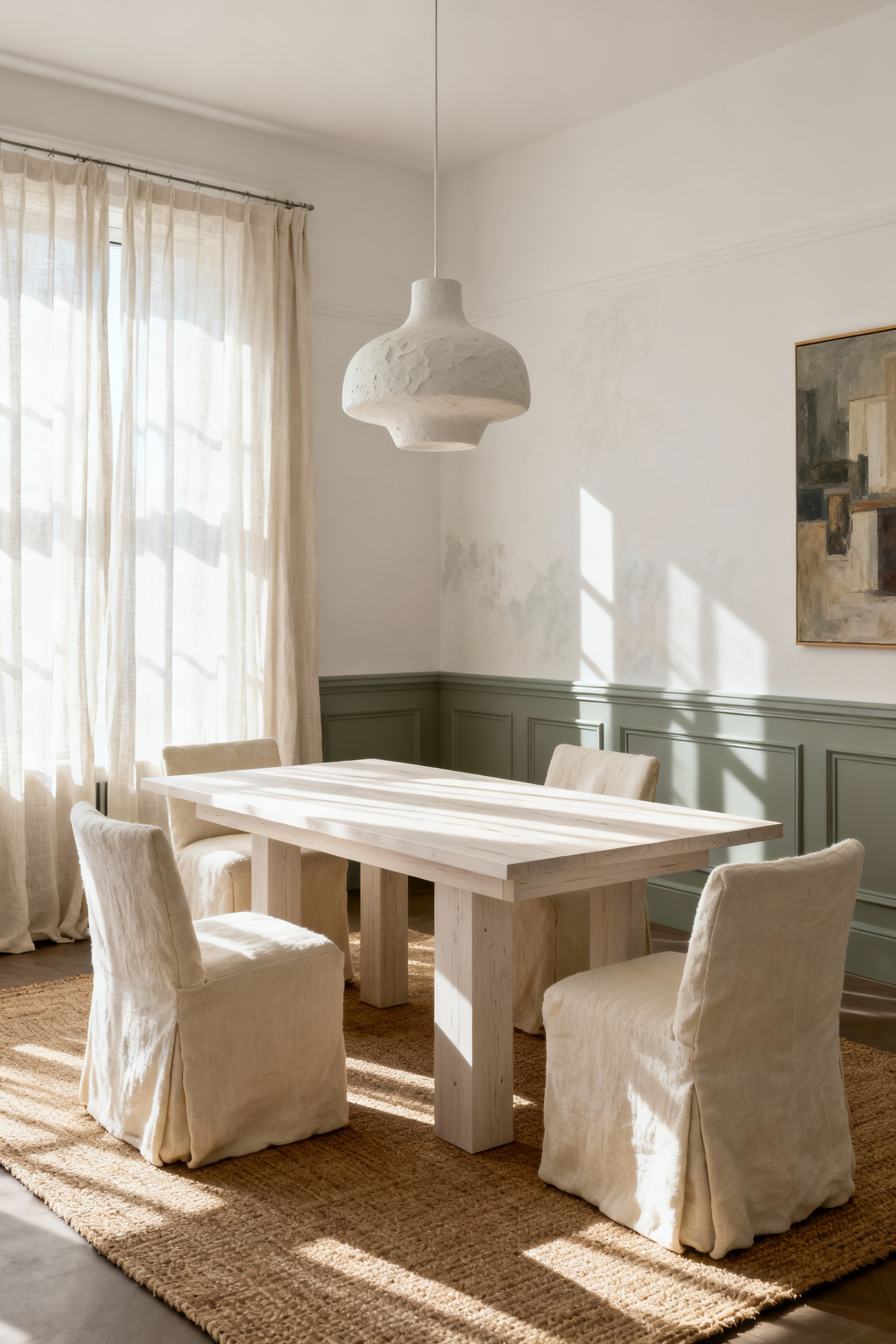
Consequently, texture becomes the primary mechanism for depth. For instance, layer soft linen against a dark wood table. Incorporate organic materials like rattan. Ultimately, this tactile approach ensures the finish is felt as much as it is seen.
Furthermore, this aligns with “slow decorating.” Every object serves a purpose. Select statement pieces with a unique narrative. However, an airy space requires visual weight. Strategically, introduce polished brass accents. Or, add a hit of black lacquer. (While white is dominant, some prefer the contrast of a transformative black dining room remodel.) In fact, this contrast defines a curated space. It follows the mandates for exquisite luxury dining room decor.
17. Abstracting the Ocean: Art Selection Without Nautical Clichés
Selecting art for a sophisticated room requires restraint. Therefore, avoid literal symbols like anchors. Instead, focus on translating the ocean’s essence. Specifically, aim for pieces that capture its rhythm. This shift moves the design to “Coastal Chic.” Consequently, the artwork acts as a visual escape.
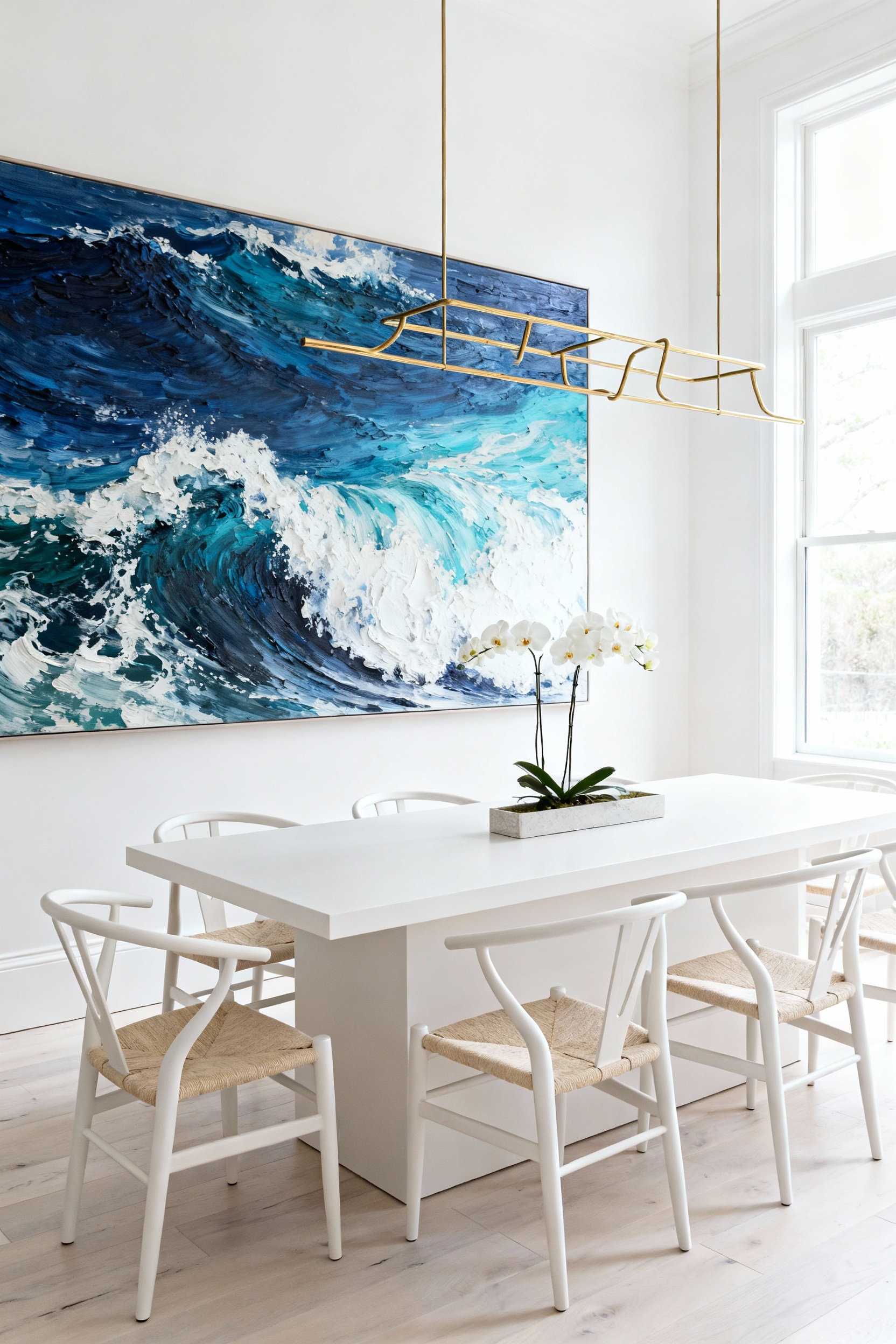
Furthermore, vibrant blue palettes can feel jarring. Thus, effective abstraction relies on texture. Consider a minimalist palette of creams and grays. In fact, heavy textures like plaster mimic churning foam. Ultimately, this sculptural approach utilizes light and shadow. It aligns perfectly with the Wabi-Sabi aesthetic.
Finally, contemporary art addresses practical needs. Open-plan areas often suffer from poor acoustics. Fortunately, acoustic wall art is now available. These pieces hide sound-absorbing technology. As a result, the dining room becomes a serene sanctuary. The art contributes to both visual calm and acoustic comfort.
18. Conclusion: Creating a White Dining Room That Ages Gracefully
Truly enduring white dining rooms require a shift in perspective. Specifically, view white as a durable palette, not just a color. The first step to longevity is architectural. Often, woodwork yellows because tannins bleed through. To prevent this, apply an oil-based primer. Consequently, this creates an impenetrable barrier. Furthermore, finishing with high-gloss enamel ensures resistance to daily staining.
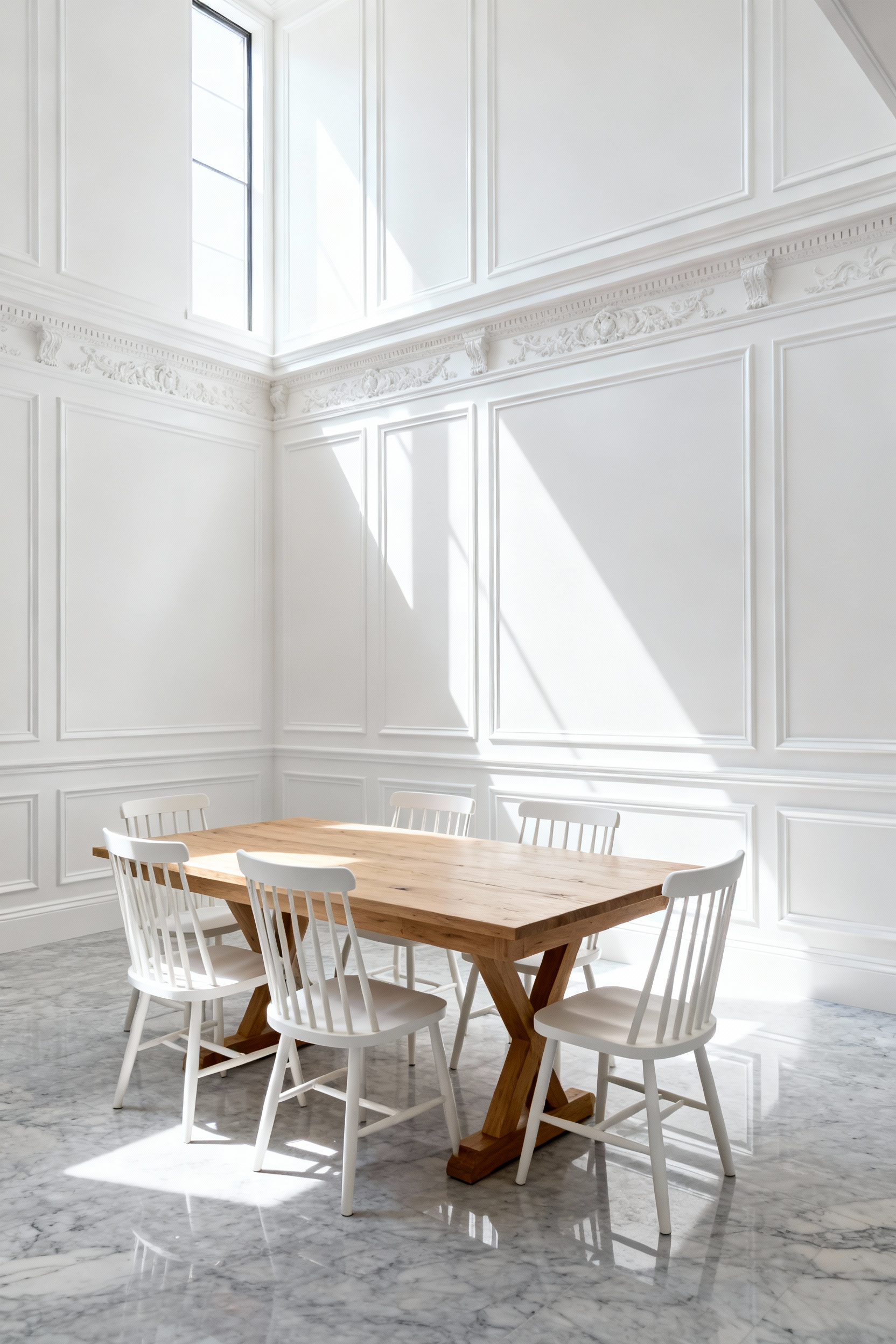
Beyond paint, successful aging relies on patina. For instance, natural stone tables absorb life’s marks gracefully. Similarly, specify hardware in living finishes like brass. Over time, these metals oxidize to anchor the palette. Conversely, static metals offer no such character.
Aesthetically, true timelessness demands warmth. Stark whites date quickly. Instead, choose creamy off-whites to evoke comfort. Additionally, prevent monotony by layering textures. Pair millwork with a sisal rug. This tactile depth replaces color saturation. Ultimately, mastering texture and warmth ensures your white dining room remodel remains a sophisticated sanctuary.
Frequently Asked Questions
H3: How do I ensure my white dining room doesn’t feel cold or clinical?
A successful white dining room must prioritize warmth through undertones and texture. Avoid stark, pure whites with blue or gray undertones (like Chantilly Lace) and choose warm whites with creamy or beige hints (like Alabaster). Crucially, incorporate natural textures like reclaimed wood tables, linen drapery, and woven rugs to ground the space and absorb light, making the room feel inviting rather than sterile.
H3: What is the most practical type of flooring for an all-white dining area?
The most practical flooring uses pale, textured materials like bleached oak, driftwood finishes, or large-format light gray matte tiles. Bleached and whitewashed hardwoods offer organic warmth and acoustic dampening. Choosing a matte finish on any material is essential, as high-gloss surfaces can amplify glare and instantly highlight scuffs or dust.
H3: Should I use high-gloss or matte paint for the walls and trim in a white dining room remodel?
For the primary walls, professional designers recommend a low-sheen matte or eggshell finish. This finish helps diffuse light gently and highlights the architectural texture rather than the surface reflection, creating a softer, more sophisticated look. Conversely, trim and millwork (like wainscoting) should be painted in a semi-gloss or high-gloss enamel to create crisp visual contrast and offer superior durability and washability against daily wear.
- **