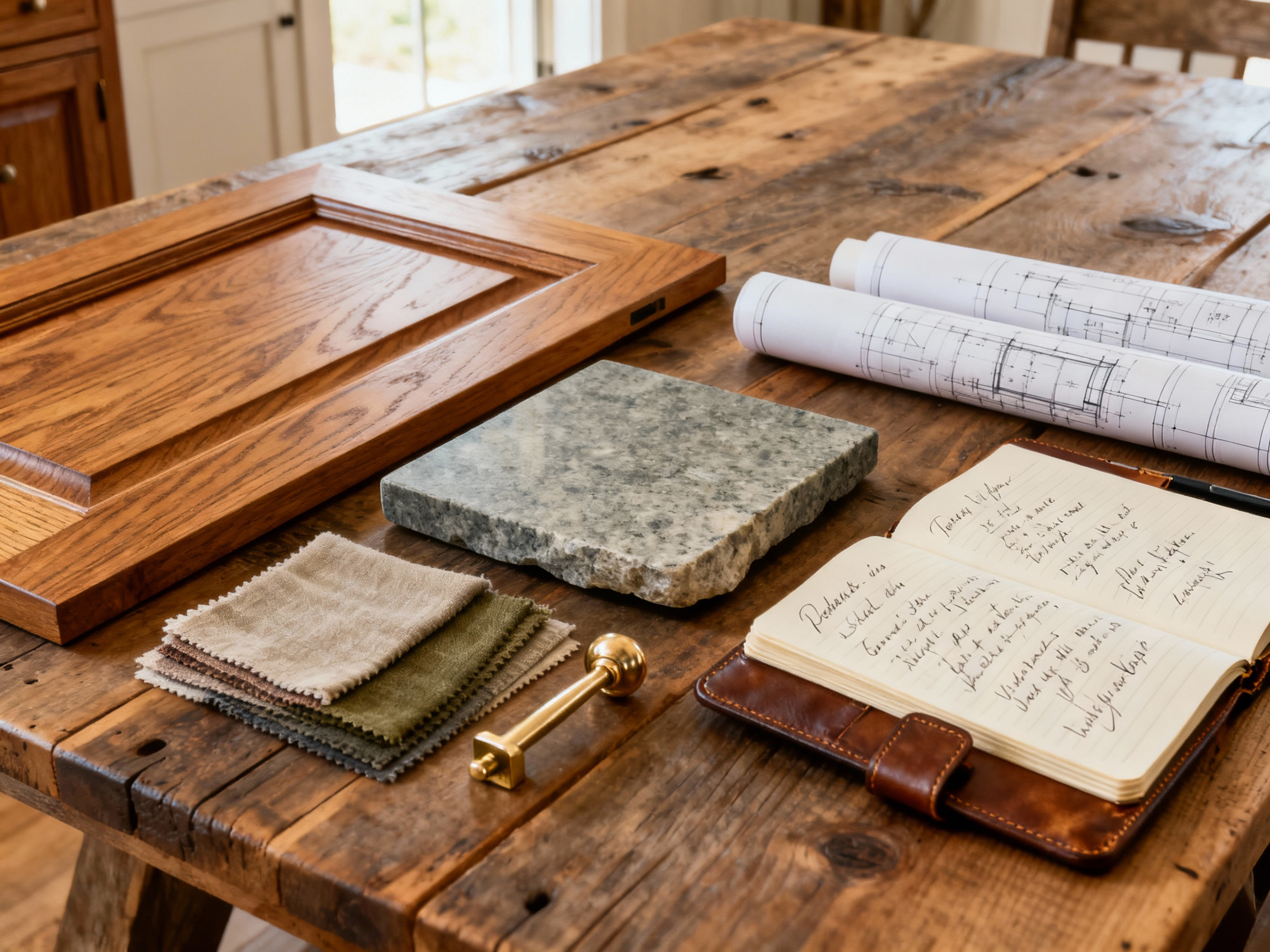

For generations, the most soulful homes have held a secret. It’s not about following a specific style guide or having the newest thing; it’s about understanding that a kitchen can—and should—tell a story. The principles behind a truly lasting kitchen have been passed down not in magazines, but through the quiet work of craftspeople who valued integrity over trends. Now, I want to share some of that wisdom with you. Think of these 20 ideas not as rigid rules, but as guiding stars for your own traditional kitchen remodel. These aren’t quick-fix trends you’ll find on social media; they’re the foundational principles that help you create a space that feels like it’s always been there, perfectly yours, and built to last.
From my work restoring mid-century furniture, I’ve learned that the most beautiful things have a past and a future. Your kitchen is no different. We’ll start by defining your kitchen’s unique story, grounding your project in architectural respect and a vision that feels true to you. From there, we’ll explore authentic materials that only get better with age—from cabinetry with real character to countertops that welcome a beautiful patina. Then, we’ll talk about how to harmonize the old with the new, seamlessly blending heritage fixtures with modern conveniences. Finally, we’ll touch on stewarding that timeless quality, focusing on craftsmanship and sustainable practices so your kitchen remains the heart of your home for decades. Let’s create a space with soul.
The Enduring Principles of Traditional Kitchen Design (Part 1)
Embarking on a traditional kitchen remodel is about more than just picking out cabinets and tile. It’s an act of respect for history, a commitment to quality, and a way to create a space that genuinely feels like home. Here, we’ll explore the core philosophies that will guide your vision and help you create a kitchen with true character.
1. Defining Your Heritage Narrative: Crafting a Cohesive Design Vision
Before you even think about paint chips or flooring samples, take a moment to uncover the story your kitchen should tell. Is your home a sturdy Victorian, a simple farmhouse, or a classic Georgian? Its story is your starting point. This isn’t about creating a museum replica; it’s about crafting a guiding vision—a heritage narrative—that ensures every single choice you make feels connected and purposeful. Think of it as writing the first chapter of your kitchen’s next hundred years.
This narrative immediately informs your material choices. A cozy, rustic farmhouse story might call for reclaimed barnwood beams, a deep soapstone sink, and maybe some wonderfully imperfect handmade tiles. If you’re leaning toward a more refined English country aesthetic, perhaps that means beautifully painted inset cabinetry and polished nickel hardware that feels just right in your hand. In my vintage modern revival specialist practice, I’ve seen that the most successful projects are the ones where the materials feel honest to the home’s story. It’s about choosing things that not only look right but feel right, connecting your space to its roots.
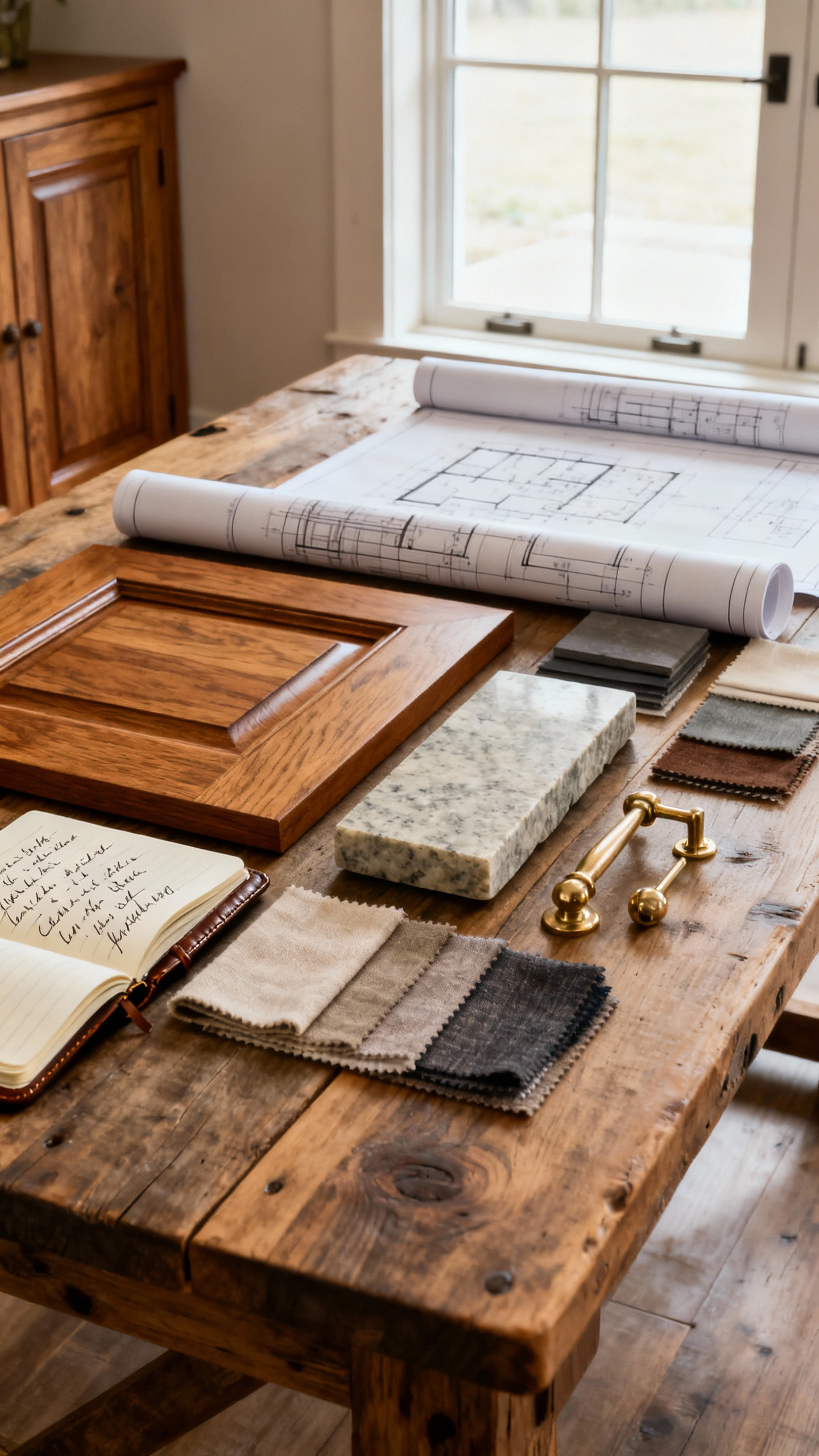
2. Prioritizing Historical Empathy: Respecting Architectural Integrity
Once you have your story, the next step is to have a conversation with your home itself. Historical empathy means listening to what the house wants to be. Look at the original millwork, the window casings, the way the floors have worn over time. The goal is to make your new kitchen feel like a natural, thoughtful extension of the home, not a jarring, brand-new insertion. A remodel done with empathy should feel like it could have been there all along.
This means your material choices should nod to the home’s existing architecture. If you have beautiful, simple Arts & Crafts molding, your cabinet profiles should echo that clean-lined sensibility. A Victorian home might welcome something a bit more ornate. Stay away from anything that feels too trendy or anachronistic. What I tell my clients is to trust the classics: subway tile, hardwood floors, and simple Shaker cabinets are timeless for a reason. They don’t shout for attention; they simply belong, adding to the quiet integrity of the home.
3. Envisioning Circadian Flow: Optimizing Natural Light and Spatial Harmony
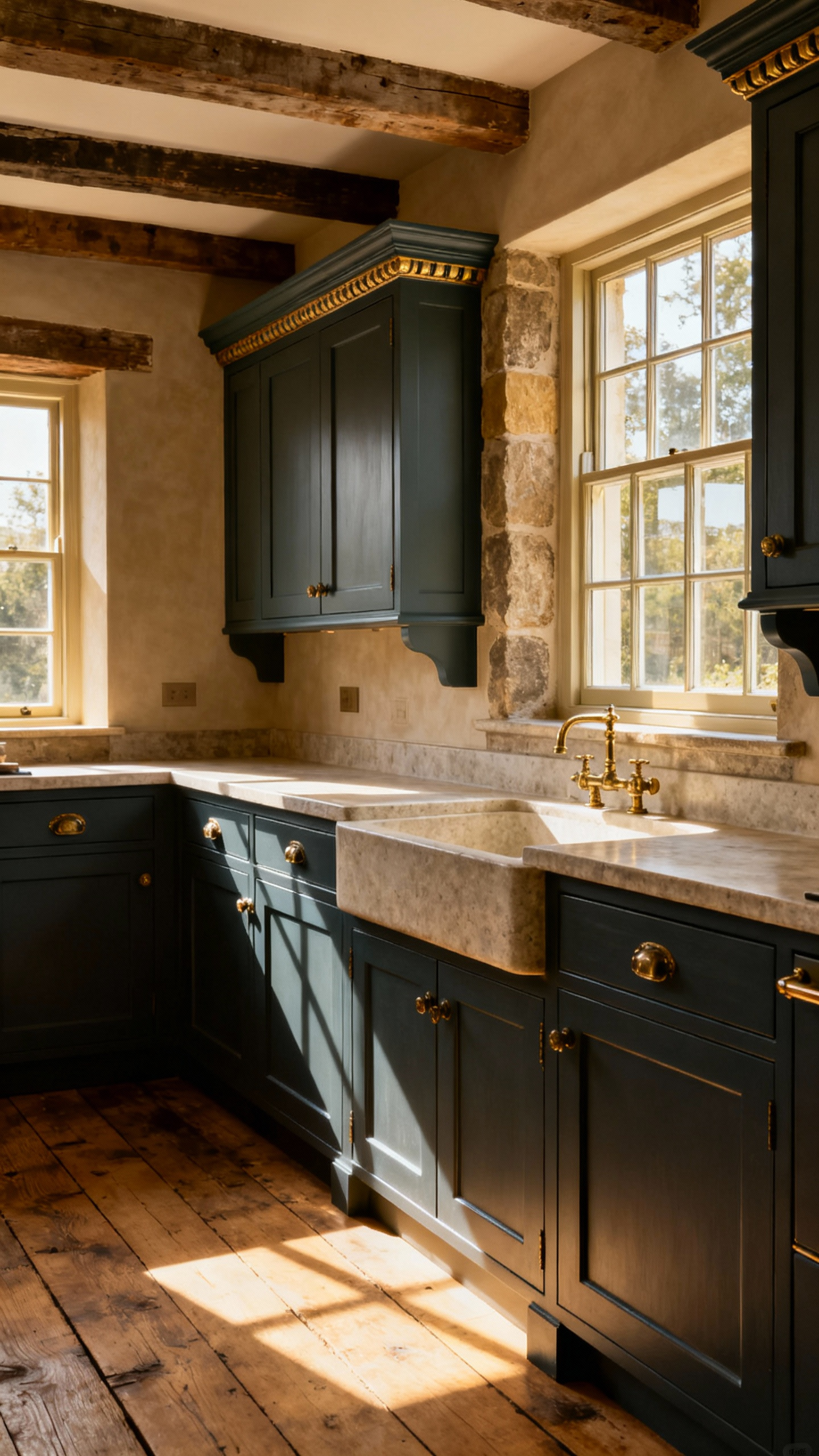
Traditional homes were designed long before electric lighting was a given, and they have an innate wisdom about natural light. A truly brilliant traditional kitchen remodel honors this by celebrating the sun’s daily rhythm. This isn’t just about putting in a bigger window; it’s about designing your space so it feels bright and energizing in the morning and calm and restful in the evening. You’re orchestrating the light to create a kitchen that supports your well-being throughout the day.
Materials are your best friend here. Light, reflective surfaces like glossy tile or a polished countertop will bounce daylight deep into the room. Conversely, a rich, dark wood or a honed stone surface will absorb light, creating a cozier, more intimate feel. I once worked on a project where we simply replaced a solid pantry door with a glass-paned one, and it completely transformed the kitchen by borrowing light from the hallway. Simple changes can have a huge impact. Think about unlined linen curtains that filter the light beautifully, or open shelves instead of heavy upper cabinets that can cast shadows.
4. Implementing Foundational Sustainability: Sourcing Resilient and Eco-Conscious Materials
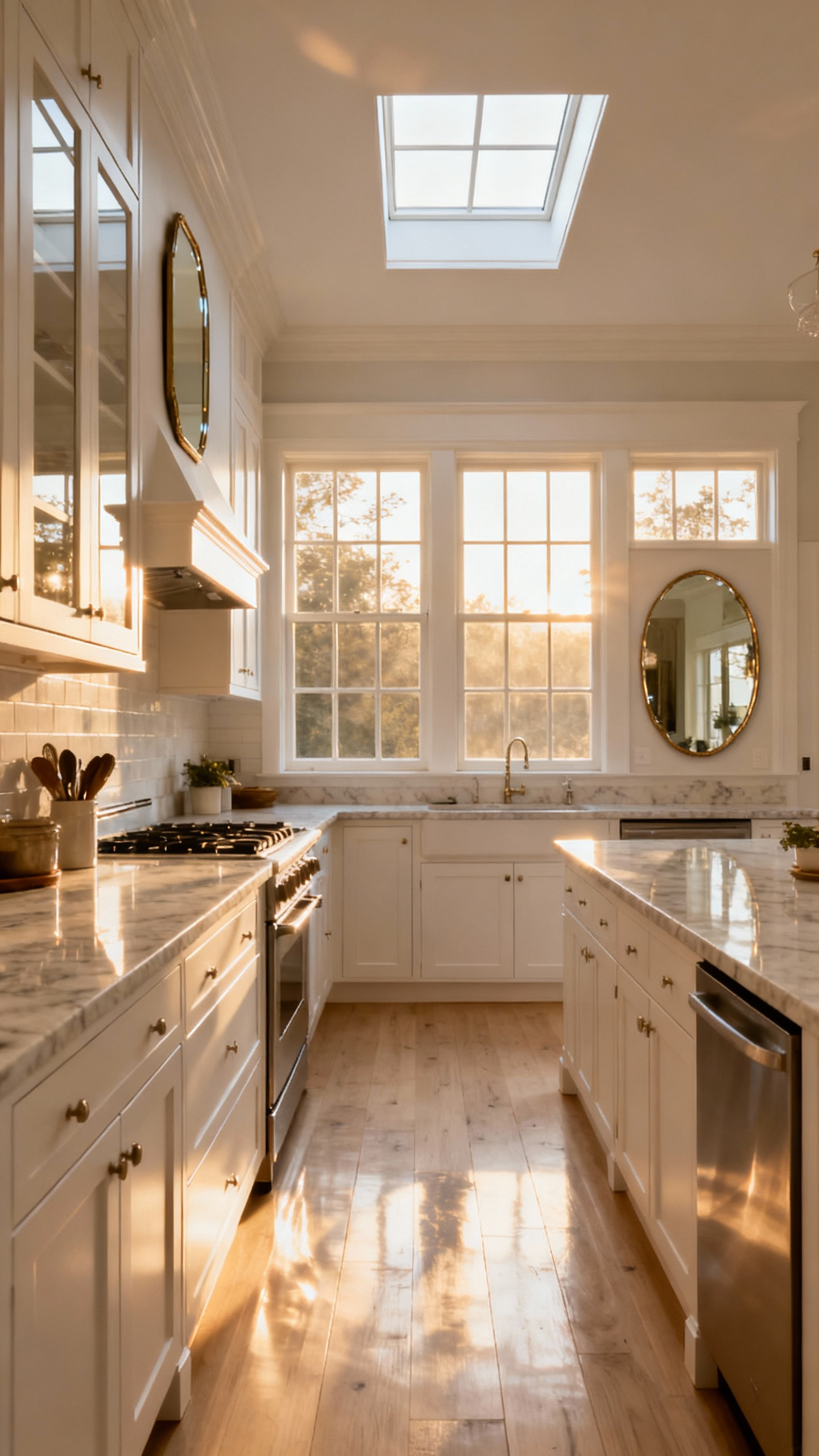
Here’s the thing: traditional design is inherently sustainable. It’s always been about building things to last for generations, using quality materials, and being resourceful. Embracing sustainability in your kitchen remodel isn’t a modern trend; it’s a return to the values of craftsmanship and mindful consumption. It’s about creating a kitchen that not only looks beautiful but also has a conscience.
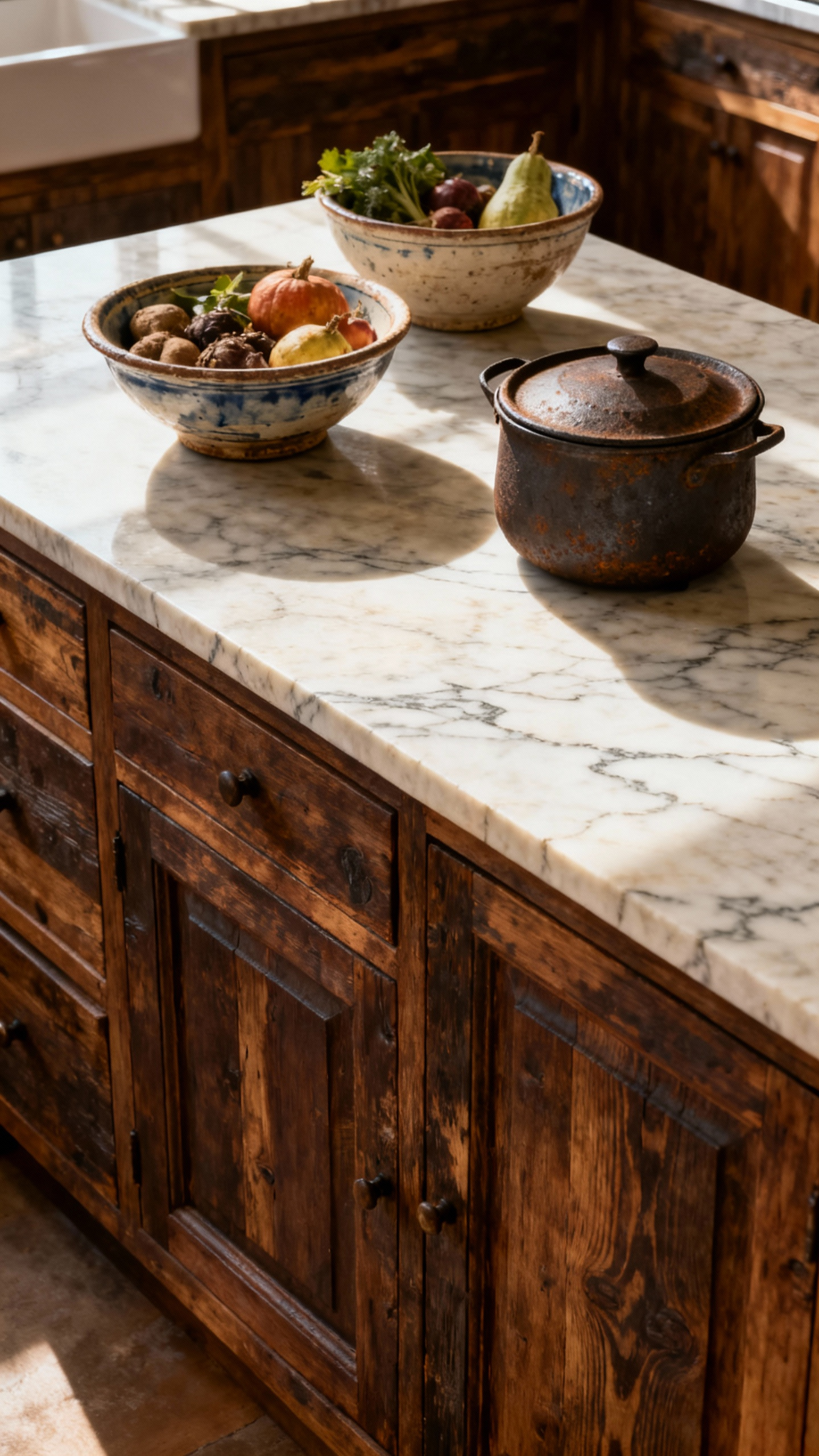
Look for materials known for their longevity and ability to be repaired, not just replaced. Think solid wood cabinets from a certified forest (or even better, a local salvage yard), durable natural stone, and tile that will last a century. And don’t forget the unseen things. Low-VOC paints and finishes create a healthier home, and energy-efficient appliances save resources in the long run. By making these thoughtful choices, your kitchen becomes a testament to conscious living—a space that’s beautiful, responsible, and built for a lasting legacy.
The Enduring Principles of Traditional Kitchen Design (Part 2)
Now that we’ve grounded our vision in enduring philosophies, let’s move into the practical magic of making it happen. A truly timeless kitchen flows with the rhythm of your life, blending classic beauty with effortless function. It’s about designing a space that not only looks right but feels right, honoring the past while serving your needs today.
5. Conducting a Masterful Spatial Audit: Assessing Practicality and Aesthetic Potential
A great traditional kitchen remodel is less about strict rules and more about the graceful choreography of daily life. Before moving a single wall, audit your space with an eye for both function and feeling. Watch how you move through your current kitchen. Where do traffic jams happen? Does the path from fridge to sink to stove feel natural? The goal here isn’t to create a sterile, hyper-efficient work triangle, but rather a space with an intuitive, comfortable flow.
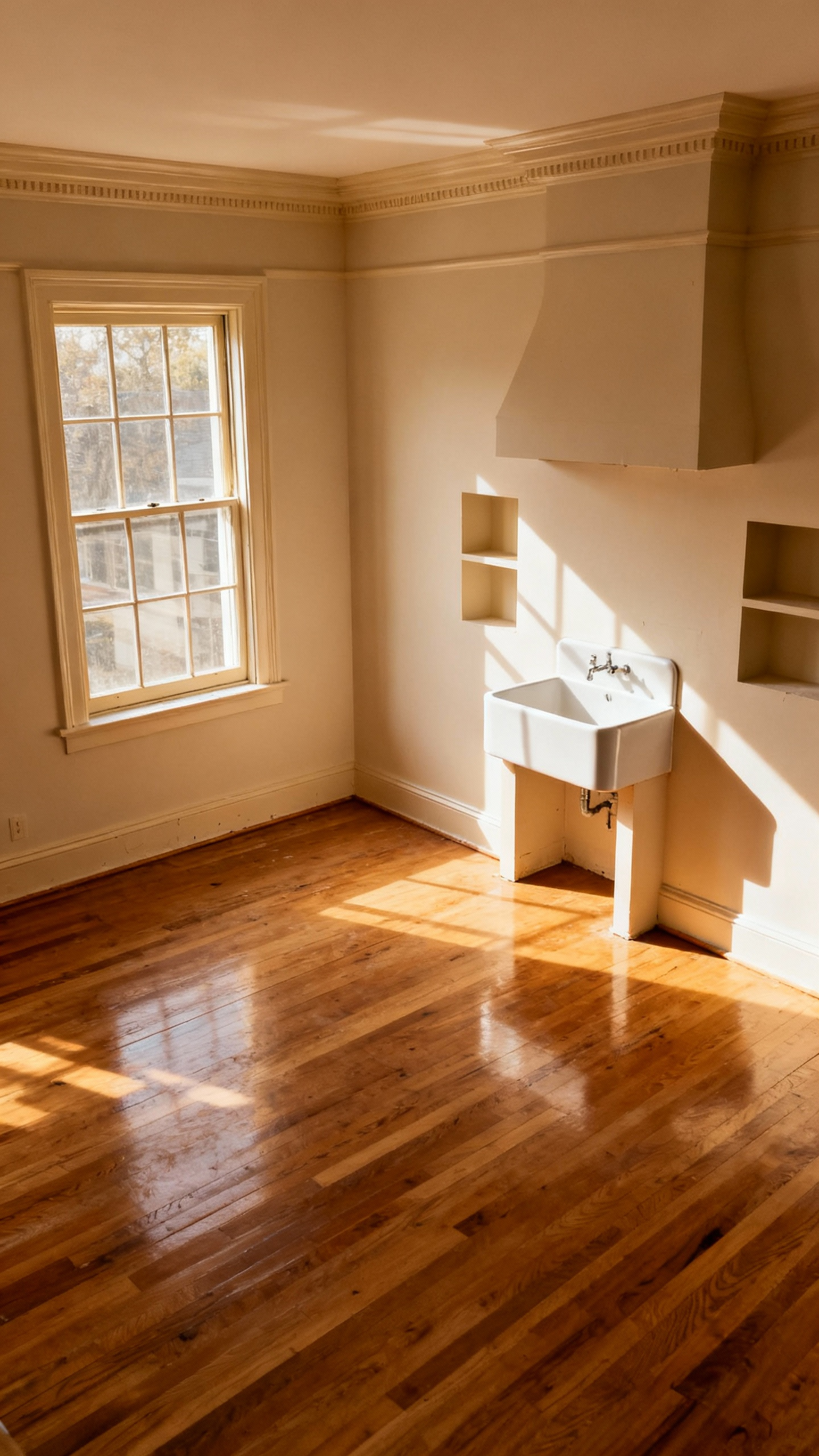
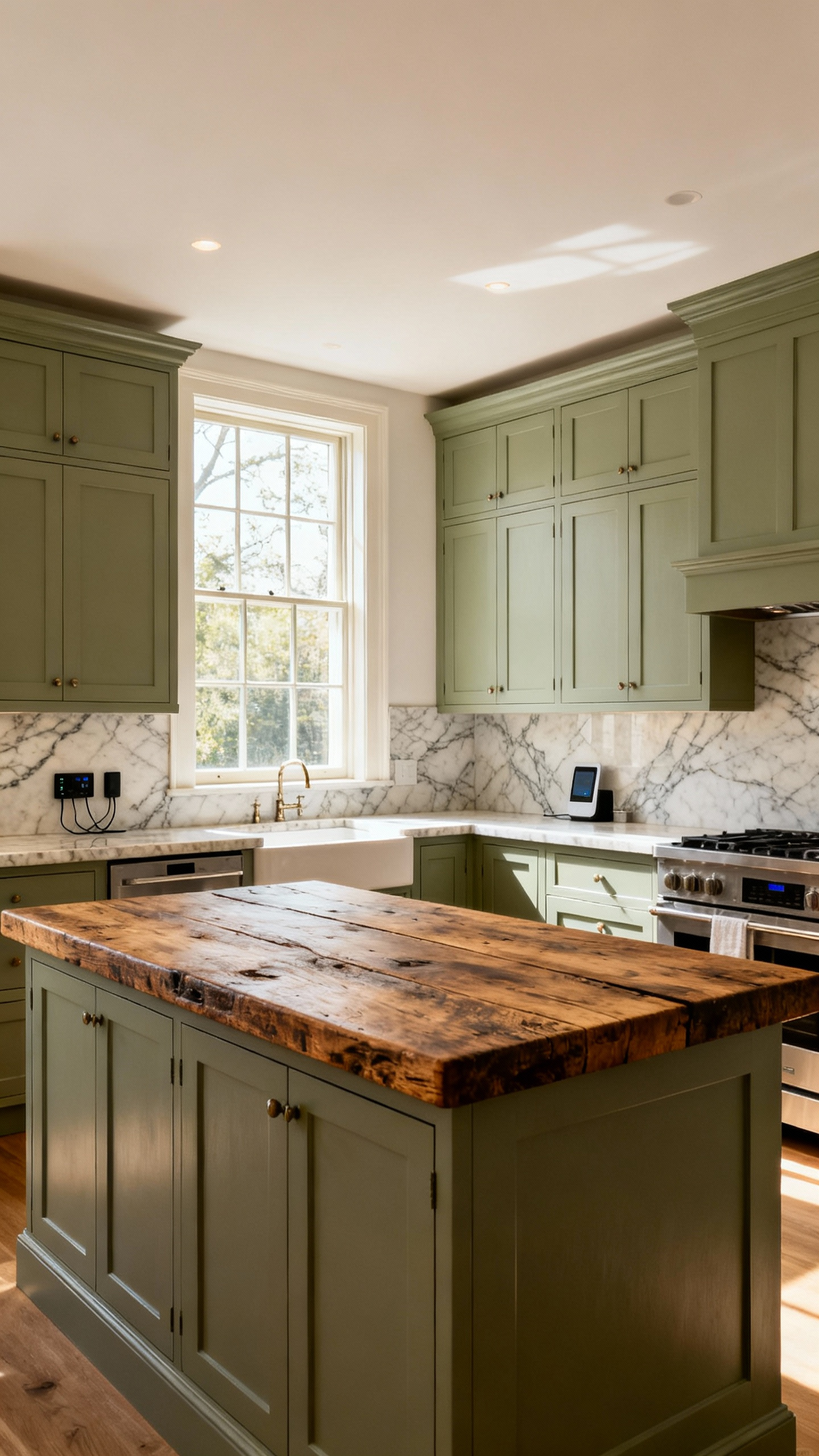
Think in terms of classic materials guiding your layout. Where would a big, sturdy island feel like the natural heart of the room? How can a classic apron-front sink be positioned under a window to catch the morning light? Traditional design values breathing room, so resist the urge to fill every inch. I learned this when working on a narrow galley kitchen; by removing the upper cabinets on one side and adding open shelving, the space suddenly felt twice as large and infinitely more welcoming. Your audit should also consider your family’s unique rhythm—do you need a cozy breakfast nook, a durable surface for homework, or extra space for big gatherings? Let your life dictate the layout.
Cultivating Authenticity: Materials, Form, and Function (Part 1)
This is where the real joy begins—choosing the elements that will give your kitchen its soul. We’re delving into the heart of authenticity, exploring how honest materials and classic forms come together to create a space that feels deeply rooted in heritage yet perfectly suited for modern living. Each choice is a chance to add another layer to your kitchen’s story.
6. Curating Cabinetry Character: Selecting Styles that Evoke Timeless Craftsmanship
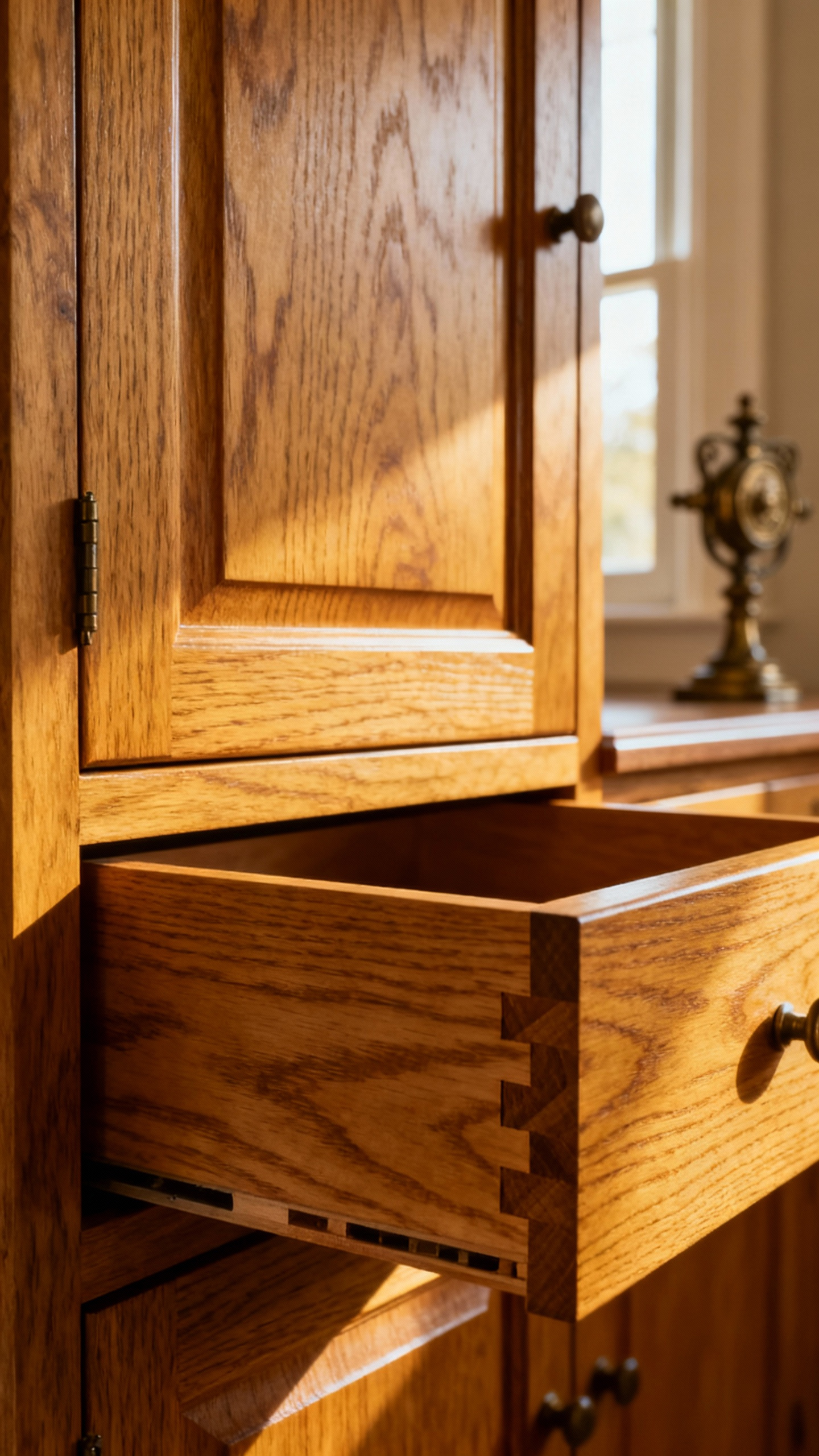
The cabinetry is the backbone of a traditional kitchen; it sets the tone for everything else. Look beyond mere storage and think of your cabinets as pieces of furniture, built with integrity and meant to be loved for a lifetime. Start with honest, solid wood—like oak, cherry, or maple—that has a beautiful grain and will only grow more distinguished with age. Even painted finishes, in soft, historical colors, feel timeless when applied to well-made cabinets.
Focus on the details that speak of quality craftsmanship. Look for dovetailed drawers and sturdy construction that feels solid and dependable. Classic door styles like the simple, honest Shaker or the more formal inset door are always in good taste. You can add character with open shelving to display favorite dishes, a plate rack for both beauty and function, or a few glass-front cabinets to lighten the look. What I tell my readers is to think about incorporating one freestanding, furniture-style piece, like an old hutch or a baker’s table. It immediately makes a kitchen feel curated and evolved over time, rather than installed all at once.
7. Elevating Countertop Presence: Choosing Surfaces with Enduring Patina
Your countertops are the hardworking surfaces where life happens, and they should be chosen for their ability to tell that story gracefully. This is about selecting materials that develop an enduring patina—surfaces that don’t just resist wear but become more beautiful because of it. It’s a shift from seeing your countertops as static objects to viewing them as dynamic, evolving parts of your home’s history.
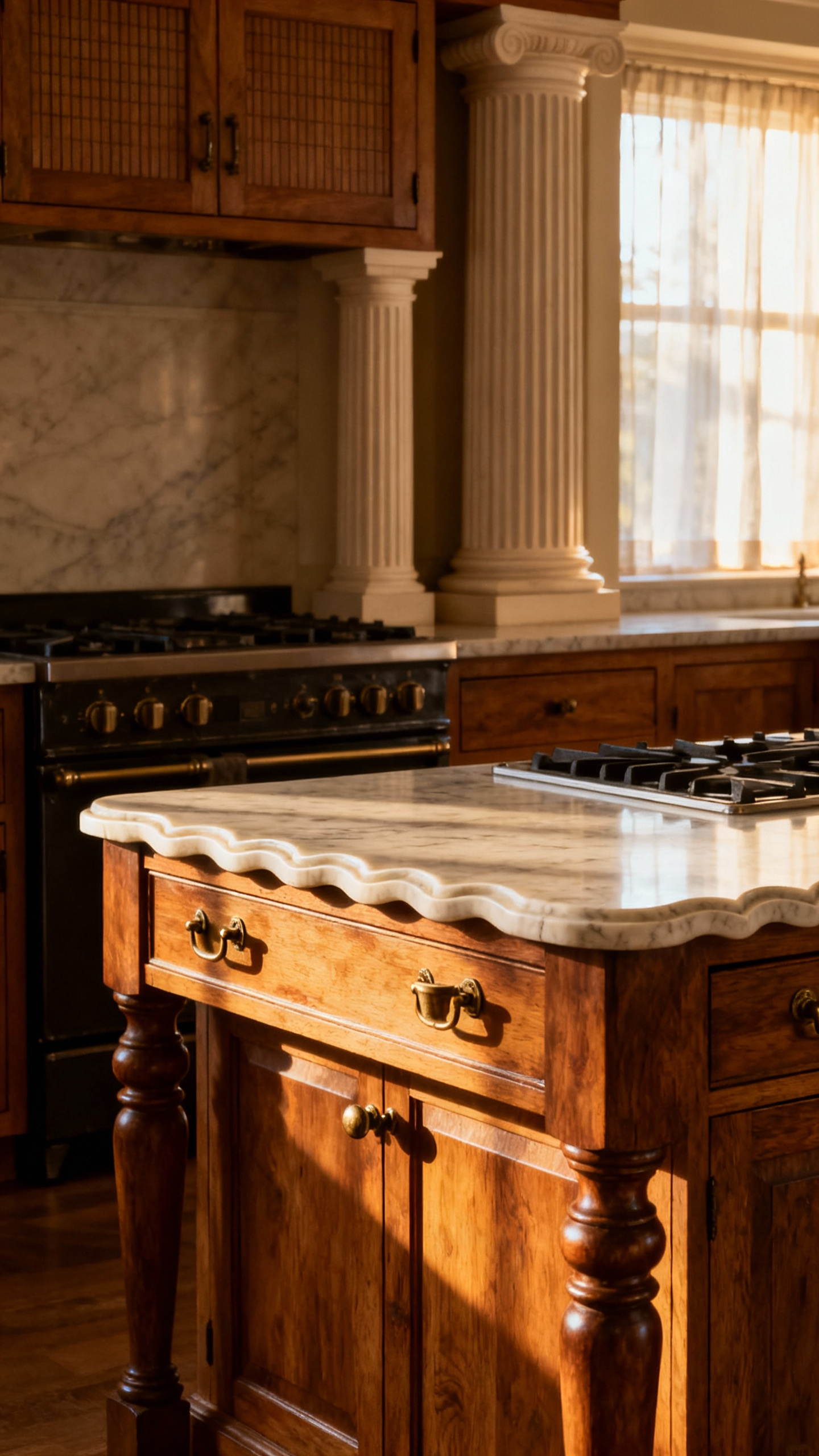
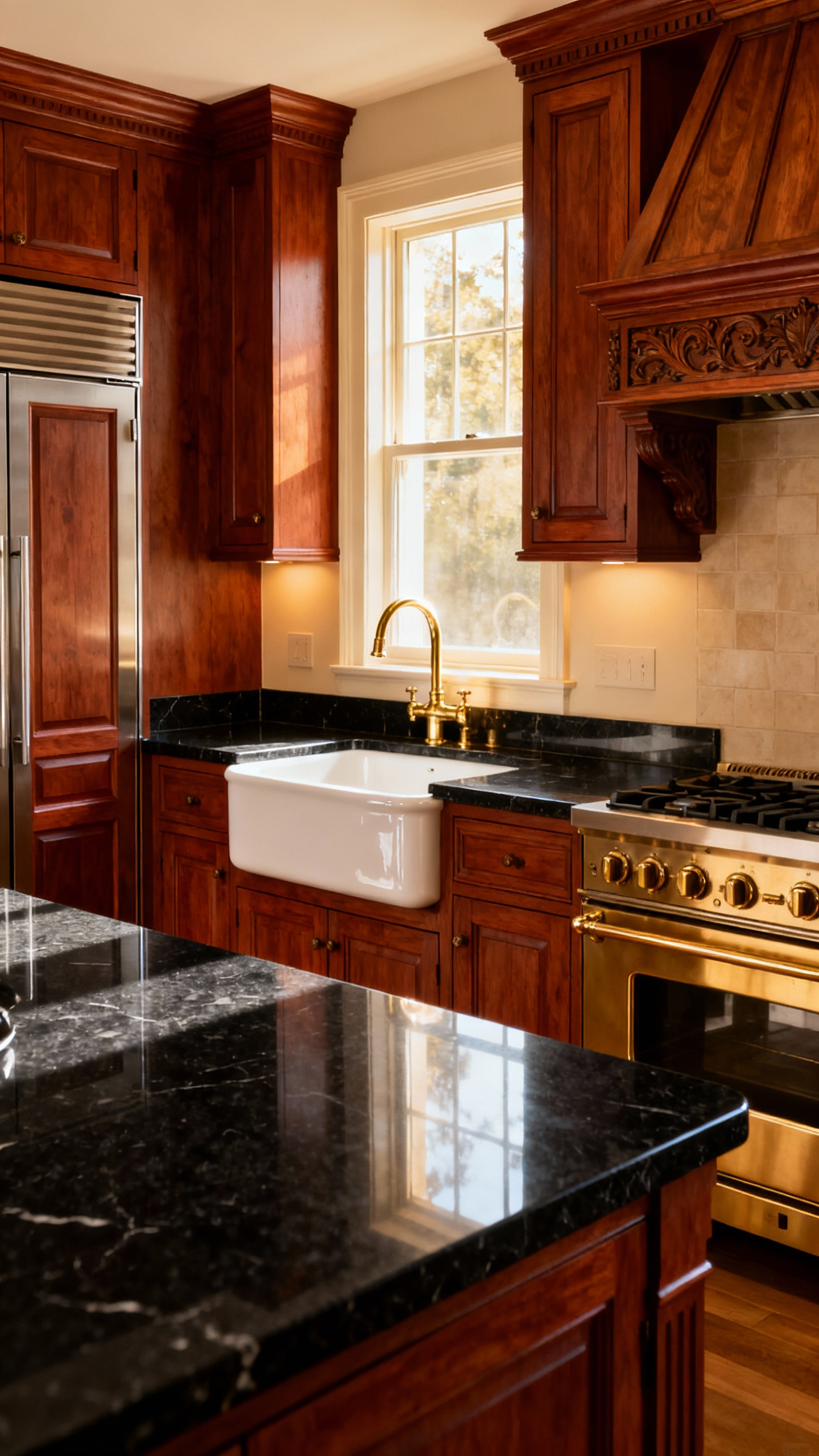
Natural stones like marble and soapstone are perfect examples. Yes, marble will etch and stain, but to many, those marks are the beautiful evidence of shared meals and happy memories. Soapstone is a workhorse that darkens and deepens over time, acquiring a soft, warm feel. And don’t forget the humble butcher block. There is nothing quite like the warmth of wood, and it develops a rich, inviting surface that speaks of years of loving use. Choosing a material that embraces patina is a vote of confidence in a life well-lived.
8. Laying a Legacy: Flooring Options for Enduring Beauty and Practicality
The floor is the foundation of your kitchen, both literally and visually. For a traditional kitchen remodel, you want something that feels solid underfoot, can stand up to a busy life, and possesses a timeless beauty that grounds the entire room. It’s about creating a legacy that can handle spills and foot traffic with unwavering grace.
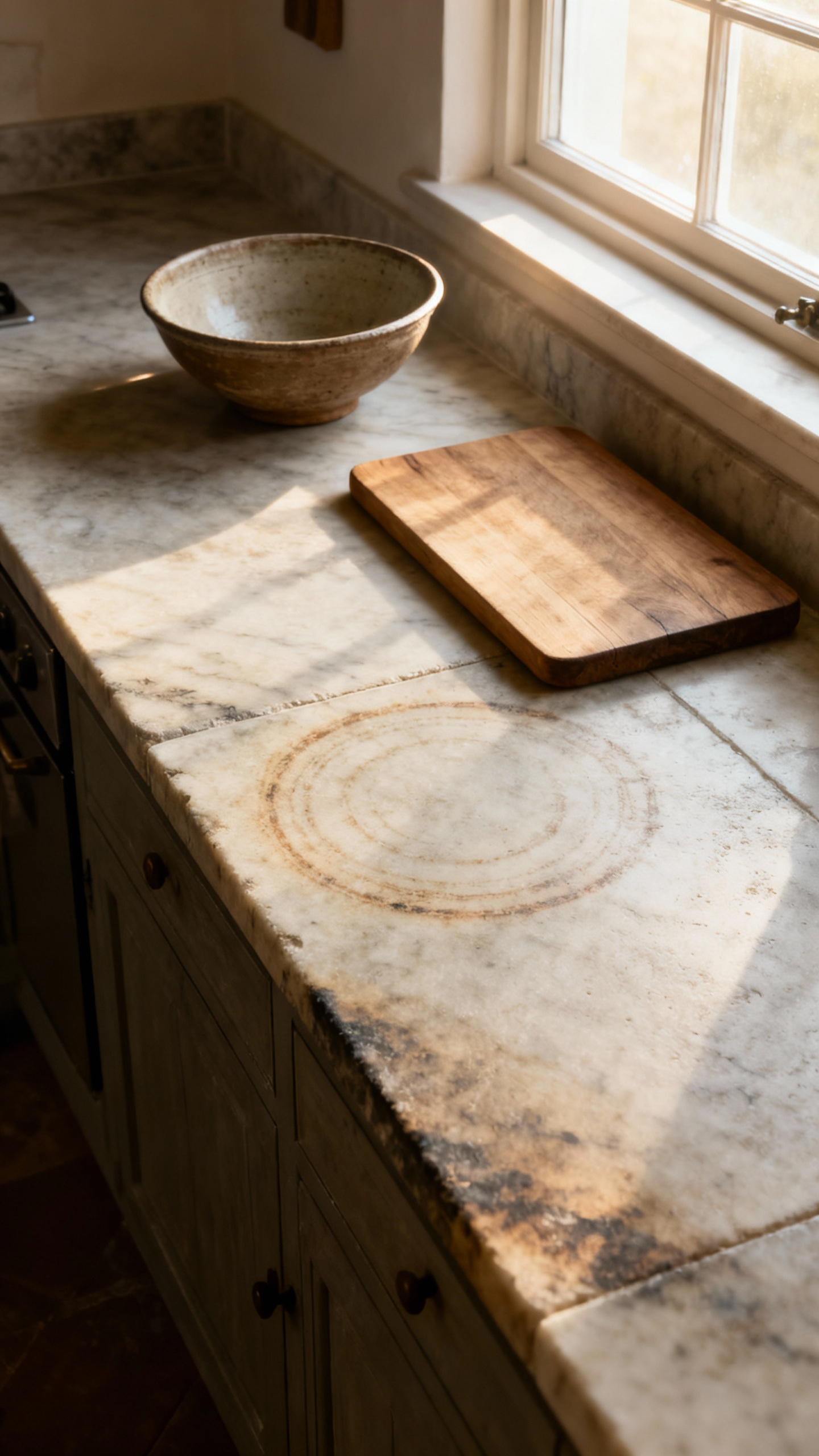
Hardwood is the quintessential choice, bringing warmth and character that never goes out of style. Whether you choose wide planks for a rustic feel or narrower boards for a more classic look, wood floors only get better with age. Stone flooring like slate or travertine offers incredible durability and an earthy, Old World feel. For a touch of charm and personality, consider classic black-and-white checkerboard tiles or patterned encaustic tiles in a contained area, like a pantry or entryway, to add an artistic flair that feels authentic and personal.
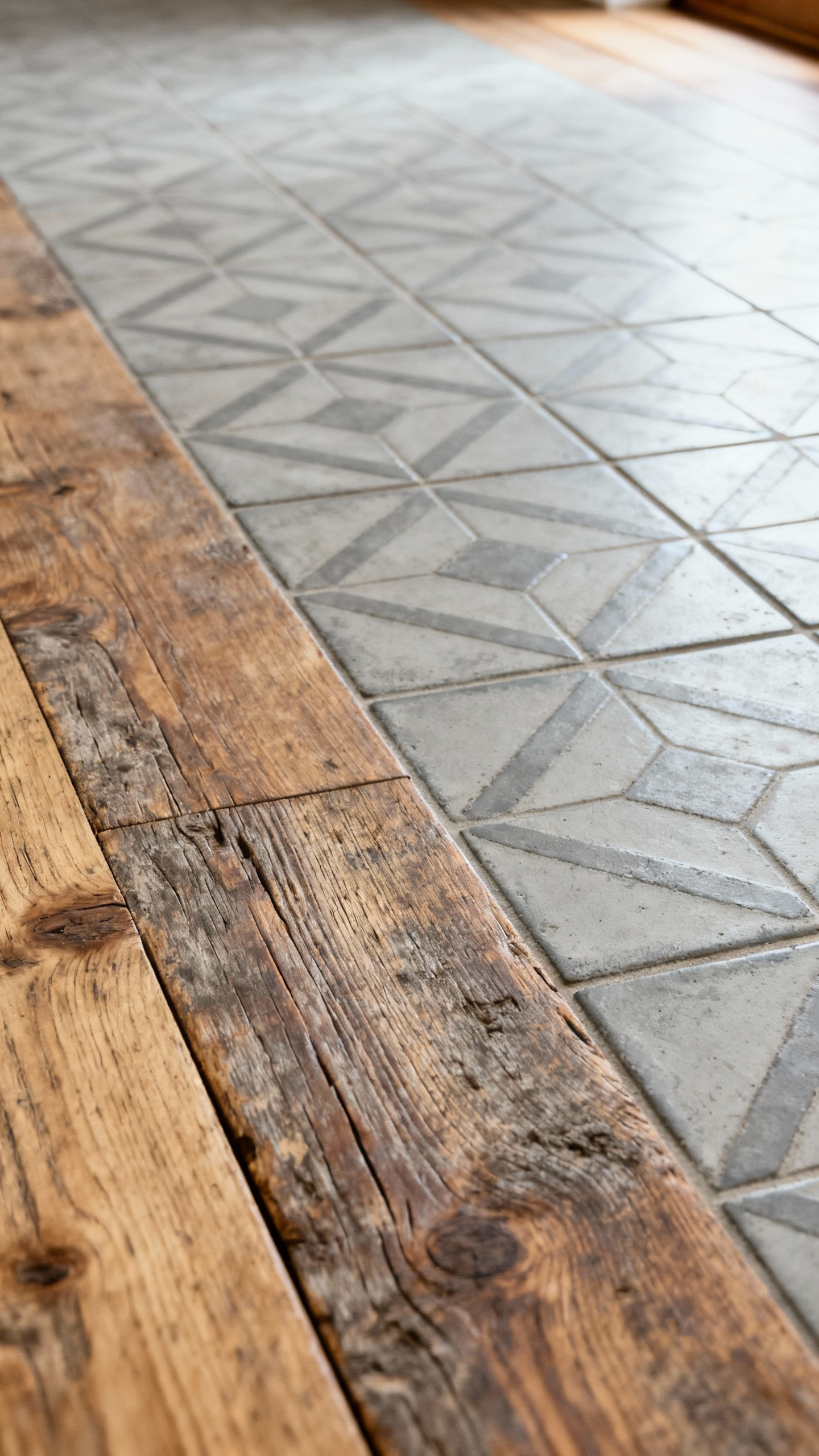
9. Reimagining the Kitchen Triangle: Optimizing Workflow with Classical Efficiency
The old “kitchen triangle” connecting the fridge, sink, and stove is a good starting point, but modern life—and modern kitchens—often require a more nuanced approach. Instead of a rigid triangle, think about creating logical “work zones” that flow seamlessly into one another. The goal is classical efficiency: a layout that feels so natural and intuitive, you don’t even have to think about it.
Your prep zone, with easy access to the sink and trash, should have ample counter space. The cooking zone should have everything you need right at hand around the range. And the storage zone, including the pantry and fridge, should be accessible without creating a bottleneck. An island can be a brilliant anchor for this, serving as the central prep area or even housing a second sink. This thoughtful zoning allows for multiple people to work and move comfortably in the space, turning your kitchen into an efficient yet inviting hub of activity.
Cultivating Authenticity: Materials, Form, and Function (Part 2)
Here we dive even deeper, focusing on the architectural details and finishing touches that transform a well-designed kitchen into a truly authentic one. These are the elements that whisper of craftsmanship and history, adding layers of texture and integrity to your space and ensuring your remodel resonates with soul.
10. Integrating Architectural Flourishes: Incorporating Moldings and Decorative Elements
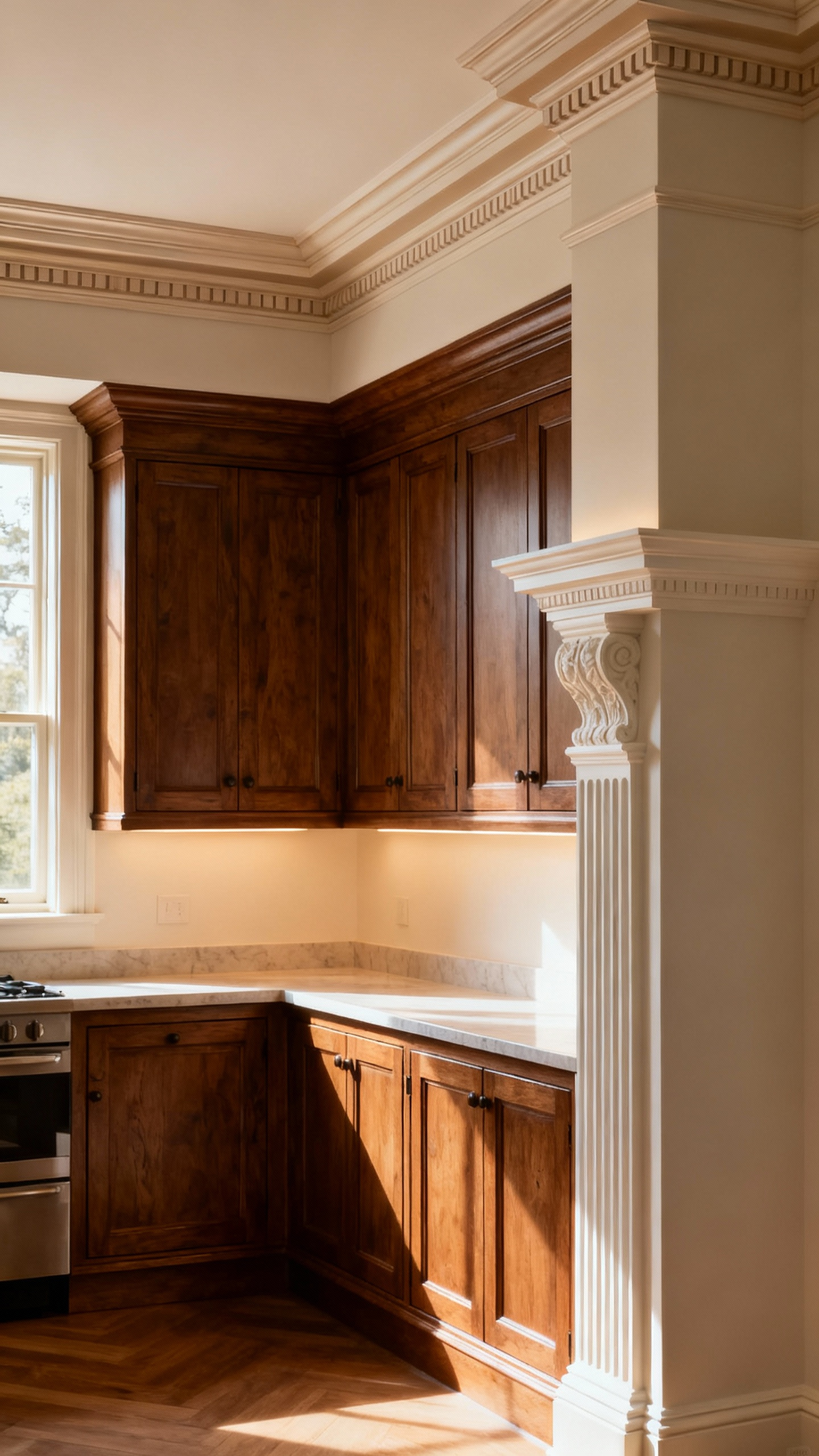
True character often lies in the details that are felt more than seen. Architectural flourishes like crown molding, substantial baseboards, and beautiful window casings are the unsung heroes of a traditional kitchen. They’re not just decoration; they are the essential elements that integrate your cabinetry with the room’s architecture, making everything feel settled, intentional, and complete. They create a sense of permanence and substance that you simply can’t get otherwise.
Think about how these elements can tell your kitchen’s story. Simple, clean moldings might suit a farmhouse aesthetic, while more elaborate, stacked moldings can lend a sense of grandeur to a Georgian-style home. A beautifully crafted range hood that echoes the design of a traditional hearth can become a stunning focal point. Consider adding corbels under an island overhang or even simple beadboard paneling on a wall. Years of restoration taught me that it’s often these final architectural layers that bring a room to life, giving it depth and a tangible sense of history.
Harmonizing Heritage: Thoughtful Integration & Details (Part 1)
Now we focus on the art of the blend—marrying essential function with historic charm. It’s in these details, from the faucet you touch every day to the soft glow of a well-chosen light fixture, that a kitchen finds its warmth and personality. This is how your traditional kitchen remodel becomes a symphony of heritage and heart.
11. Specifying Period-Appropriate Fixtures: Elevating Sinks and Faucets as Focal Points
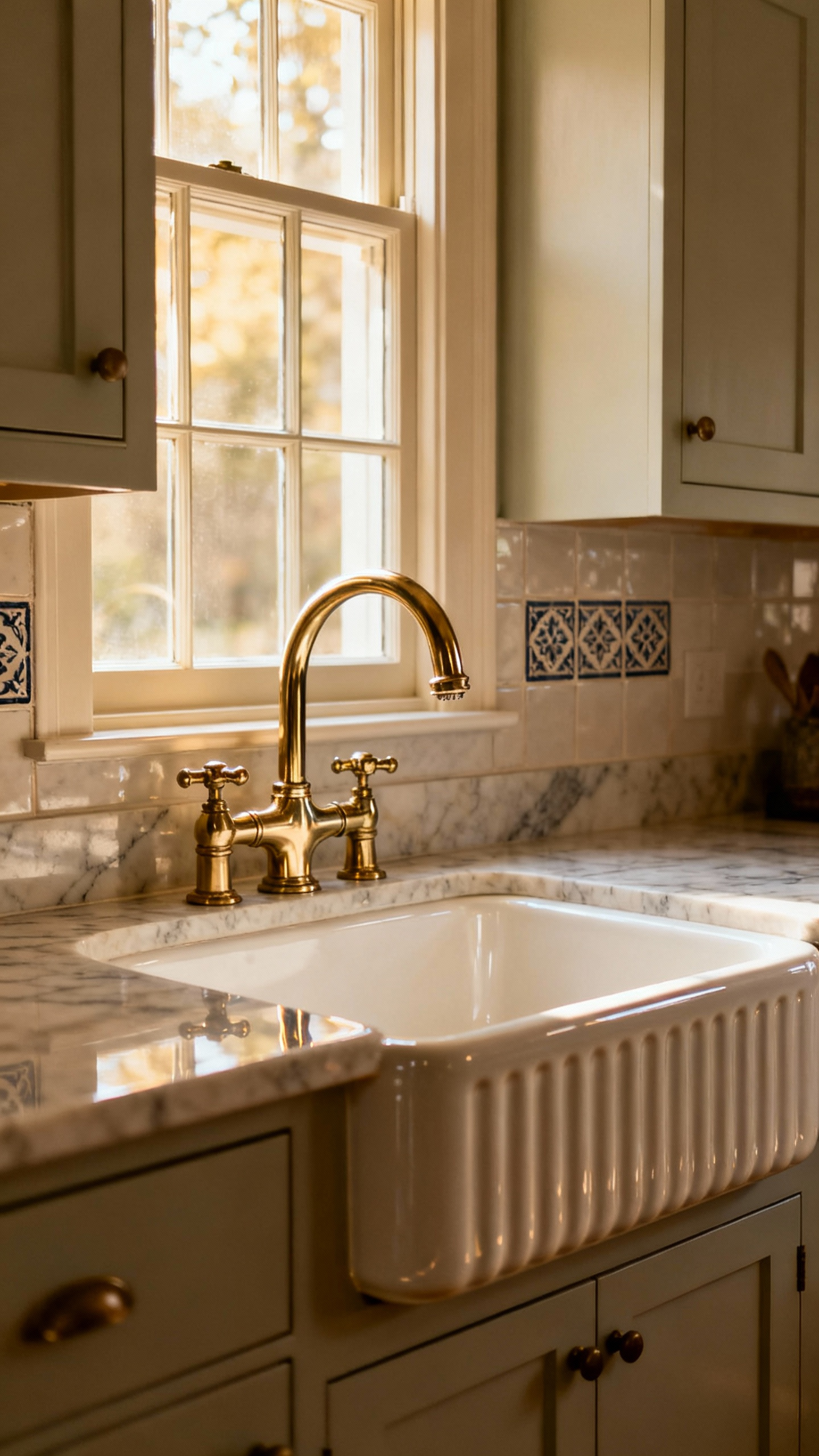
The sink and faucet are the hardest-working fixtures in your kitchen, so they should be both beautiful and built to last. A deep, sturdy farmhouse sink made of fireclay or enameled cast iron is more than just practical; it’s an iconic anchor for a traditional space. It instantly evokes a sense of home and hospitality, becoming a natural gathering spot.
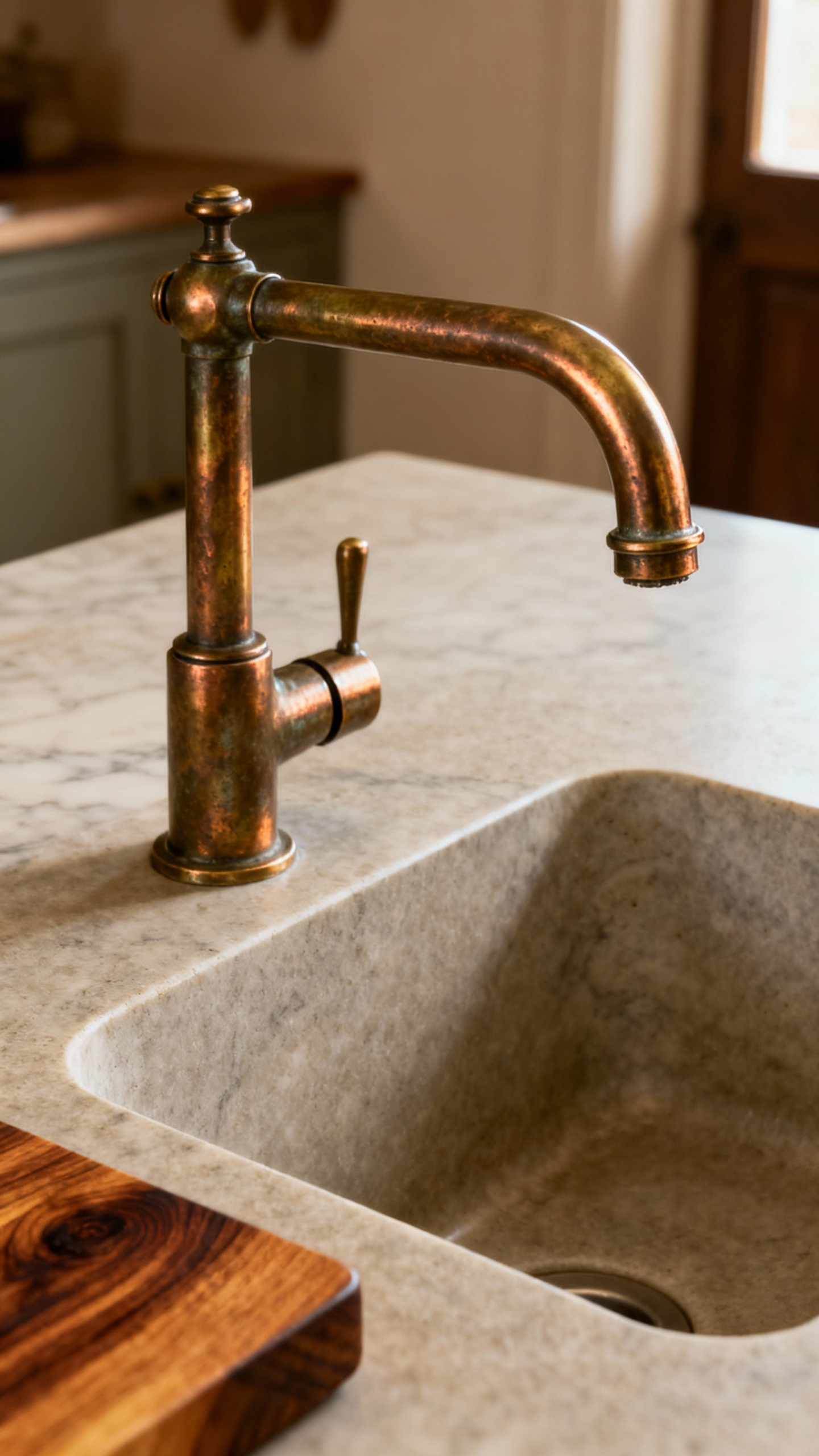
When it comes to the faucet, look for timeless designs like a classic bridge faucet. The finish is just as important. Polished nickel offers a soft, warm shine, while unlacquered brass is a personal favorite of mine because it’s a living finish. It will tarnish and darken over time, developing a unique patina that tells the story of your home and your hands. These aren’t just plumbing parts; they are sculptural elements that add immense character.
12. Blending Modern Utility with Vintage Charm: Concealing Contemporary Appliances
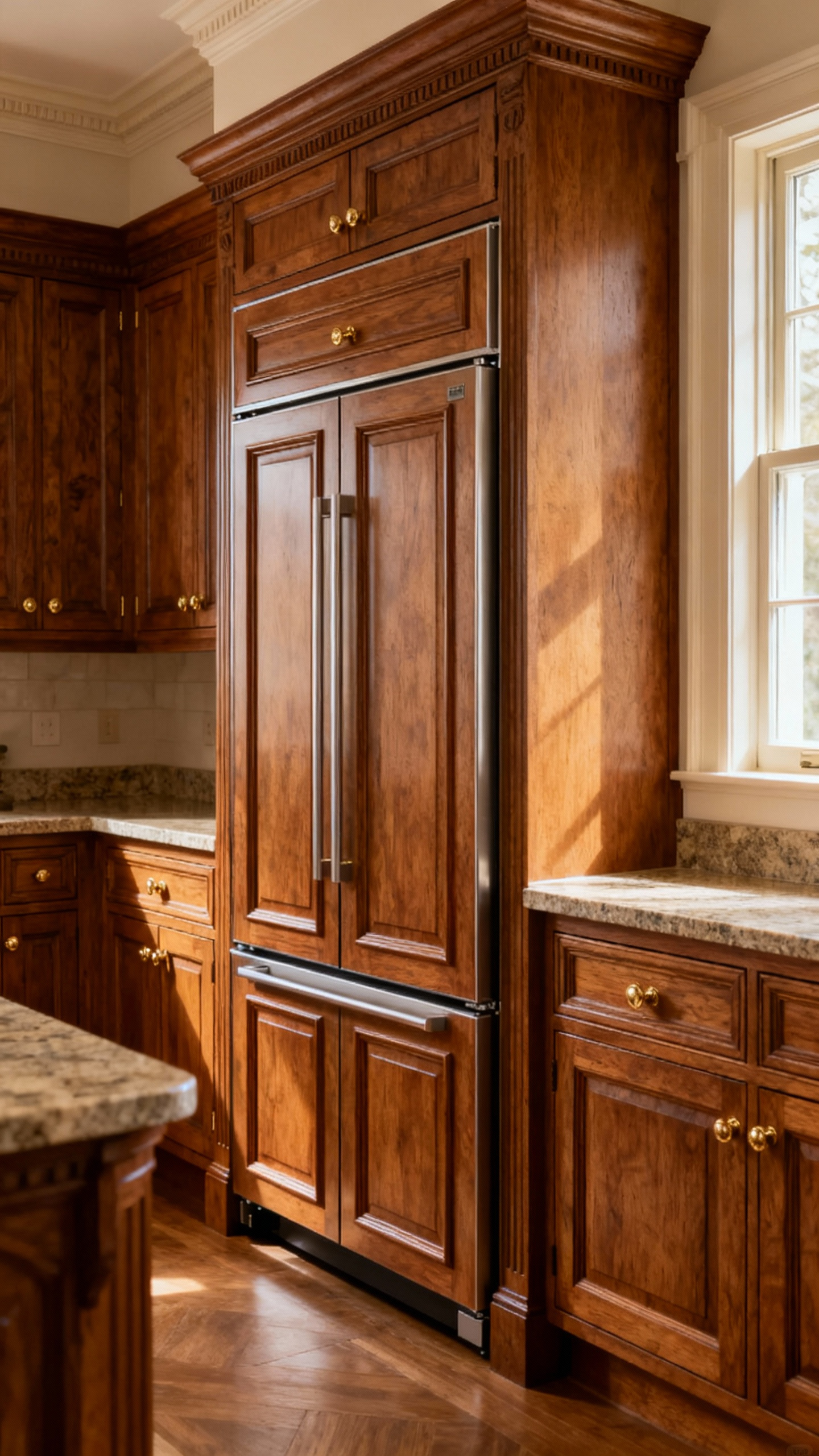
Let’s be honest: a giant stainless-steel refrigerator can feel out of place in a warm, traditional kitchen. The trick is to welcome modern convenience without letting it spoil the vintage charm. The artful concealment of contemporary appliances is one of the most effective strategies for maintaining a timeless feel. It’s all about creating a respectful illusion, so technology serves your design, not the other way around.
Integrated, panel-ready appliances are your best friend here. A dishwasher or refrigerator that’s faced with a custom panel to match your cabinetry simply disappears, allowing the eye to rest on the beautiful millwork instead. Microwaves can be tucked away in a pantry or an appliance garage. For the range, consider models that have a vintage-inspired look, with classic knobs and rich colors, which can become a beautiful focal point rather than a modern disruption.
13. Illuminating with Intention: Crafting Layers of Traditional Lighting
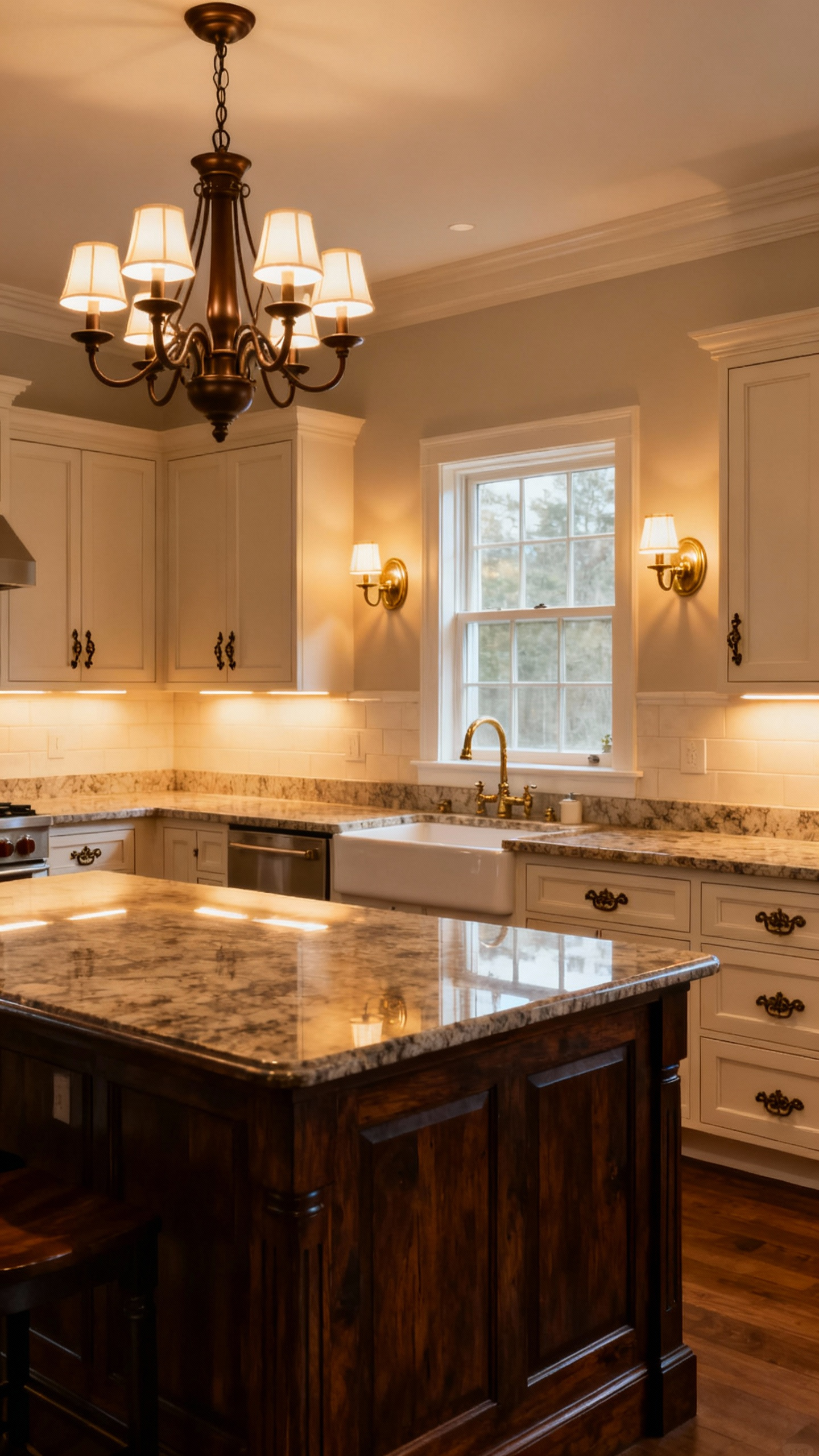
Good lighting is everything. In a traditional kitchen, it should be warm, inviting, and layered. Think of your lighting plan in three parts: ambient, task, and accent. Ambient lighting is the overall glow of the room, often from a beautiful central fixture like a lantern or a simple chandelier. Task lighting is focused light for your workspaces, like pendants over an island or under-cabinet lights that make chopping and prepping easier.
Accent lighting is the final touch—a small lamp on the counter, a picture light over a piece of art, or lighting inside a glass-front cabinet. What really gets me is the warmth of the light itself. Stay away from harsh, cool-toned bulbs and opt for a warmer temperature (around 2700K) to replicate the soft, welcoming glow of older, incandescent light. And put everything on a dimmer. Being able to control the intensity of the light is key to creating a mood that feels just right, day or night.
14. Infusing Textiles with Historical Warmth: Selecting Drapes and Soft Furnishings
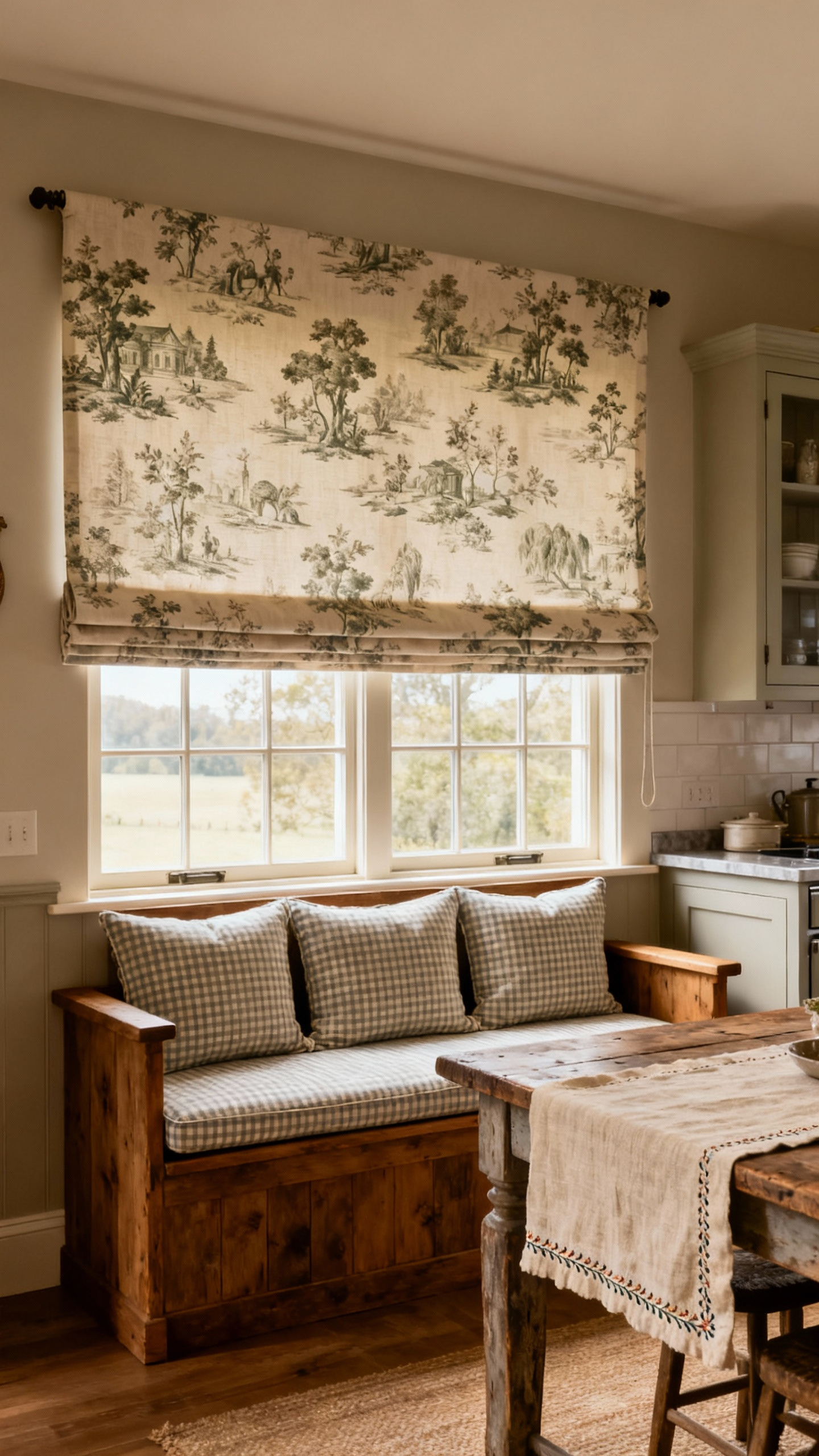
Textiles are the secret ingredient that makes a kitchen feel like a truly lived-in, comfortable room. They add softness, absorb sound, and provide a wonderful opportunity to bring in color and pattern. From window treatments to seat cushions, soft furnishings are essential for completing the story of your traditional kitchen.
A simple Roman blind in a classic ticking stripe or a charming floral print can soften a window without blocking precious light. A cushioned bench in a breakfast nook invites you to linger over coffee. Even beautiful linen tea towels or a classic woven runner can add a layer of texture and warmth. Textiles are where you can inject a bit of personality and coziness, transforming your kitchen from a purely functional space into the true heart of your home.
Harmonizing Heritage: Thoughtful Integration & Details (Part 2)
We now turn to the most personal layer of design—the objects and collections that tell your unique story. A traditional kitchen shouldn’t feel like a showroom; it should feel like a lovingly curated reflection of the people who live there. This is about making space for memory, character, and the beautiful imperfections of a life well-lived.
15. Showcasing Curated Collections: Integrating Personal Artefacts and Antiques
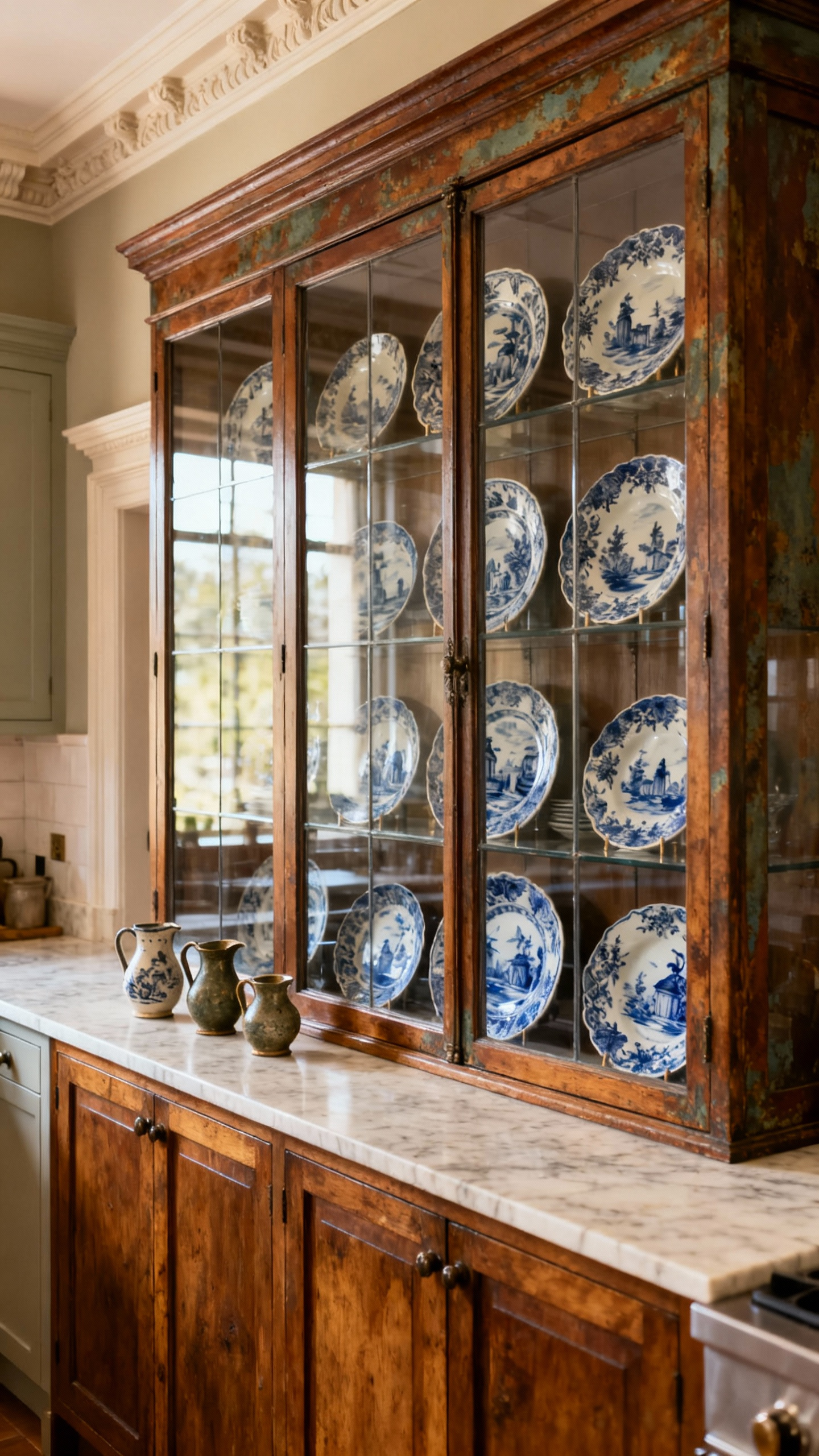
This is where your kitchen truly becomes your own. A traditional kitchen remodel is the perfect canvas for showcasing your curated collections, whether it’s heirloom transferware, a stack of worn wooden cutting boards, or your grandmother’s favorite cookbooks. These personal artifacts are what give a room its soul, connecting it not just to history in general, but to your history. They provide an anchor to the past and make a new space feel instantly familiar.
The key is to integrate these pieces thoughtfully. Open shelving is a wonderful stage for displaying beautiful and useful items like antique mixing bowls or a row of vintage canisters. A glass-front cabinet can protect more delicate treasures. In my own home, I have a small collection of old rolling pins displayed in a stoneware crock on the counter. It’s simple, but it brings me joy every time I see it. Group items to create pleasing vignettes, but don’t overcrowd your surfaces. Let your cherished objects breathe, and they’ll infuse your kitchen with irreplaceable warmth and personality.
Stewarding Timelessness: Longevity & Adaptability (Part 1)
A truly successful remodel looks beyond today to create a space that will endure for generations. This means choosing craftsmanship that lasts, designing for future adaptability, and embracing the beauty of materials that age with grace. This is about building not just a kitchen, but a legacy.
16. Implementing Artisan Craftsmanship: Supporting Local and Traditional Building Methods
In a world of mass production, there is something incredibly special about choosing pieces made by a human hand. Supporting local artisans—a cabinetmaker, a tile artist, a blacksmith—for key elements in your kitchen is an investment in quality and soul. Artisan craftsmanship brings a level of character and integrity that simply cannot be replicated by a machine. It’s the subtle variations in a hand-glazed tile or the perfect fit of a custom-built cabinet that give a space its depth.
When you choose artisan-made pieces, you’re not just buying an object; you’re supporting a tradition and a community. The result is a kitchen filled with things that have a story, imbued with the care and skill of their maker. It’s a powerful way to create a space that feels grounded, authentic, and truly one-of-a-kind.
17. Cultivating an Evolutionary Aesthetic: Designing for Future Adaptability
The most timeless spaces are not rigid; they are designed to evolve. An evolutionary aesthetic means creating a strong, classic foundation that can be easily updated over time as your needs and tastes change. This is perhaps the most sustainable approach of all, as it avoids the need for massive renovations down the line.
Choose classic, neutral cabinetry and durable countertops that won’t feel dated in a decade. These are your “good bones.” You can then bring in color and personality with elements that are easier to change, like paint, light fixtures, cabinet hardware, or a tile backsplash. A kitchen designed with this kind of foresight can gracefully adapt to new chapters in your family’s life, ensuring its lasting appeal and function for many years to come.
18. Mastering Patina Management: Caring for Materials that Age Gracefully
There is a distinct difference between something looking worn out and something looking well-loved. The art of patina management is about embracing the latter. It’s about choosing materials that are designed to age beautifully and learning to appreciate the story that their wear tells. It’s a mindset shift away from the quest for perfection and toward an appreciation for authenticity.
Unlacquered brass hardware will darken and shine in the places you touch it most. A marble countertop will gather etches that map out years of family meals. A butcher block will show the faint scars of a million knife strokes. These aren’t flaws; they are the marks of a life well-lived. Learning to care for these materials—to oil the wood, to let the brass age naturally—is part of the joy of owning a kitchen with true character.
19. Establishing Sustainable Maintenance Protocols: Preserving Investment and Planet
The final piece of stewarding timelessness is creating a thoughtful plan for its care. Sustainable maintenance is about using gentle, effective, and environmentally friendly methods to preserve the beauty and longevity of your kitchen. It’s about protecting your investment and the planet at the same time.
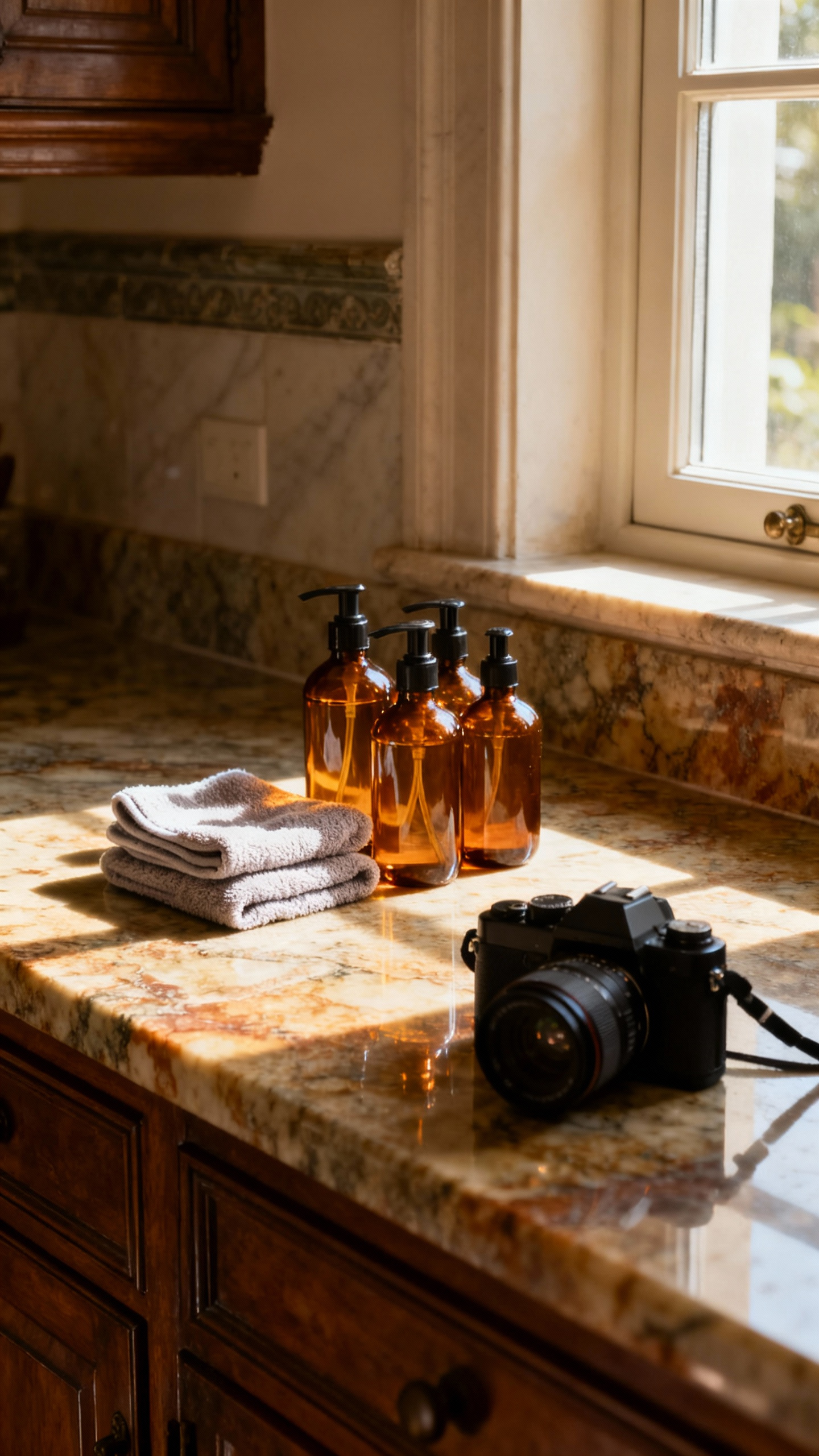
This means understanding the materials in your kitchen and how to care for them properly. Often, simple, traditional cleaners like vinegar, baking soda, and gentle soaps are all you need. Regular, mindful care prevents the need for harsh chemicals or costly repairs down the road. This gentle stewardship is the final expression of your commitment to creating a space that is not only beautiful and functional but also responsible and enduring.
Stewarding Timelessness: Longevity & Adaptability (Part 2)
Ultimately, the true measure of a kitchen’s success is not just in its beauty, but in its ability to be the living, breathing heart of a home. A traditional kitchen is designed for life in all its messy, beautiful reality. It’s a space that nurtures, adapts, and endures, becoming a cherished backdrop for generations of memories.
20. Creating a Legacy Hub: The Traditional Kitchen as a Multifaceted Family Nexus
More than any other room, the kitchen is where life happens. It’s where we fuel our bodies, connect with our loved ones, and create traditions. A great traditional kitchen is designed to be a true legacy hub—a versatile, welcoming space that serves as the backdrop for homework, holiday baking, late-night talks, and everything in between. It is built to accommodate the beautiful chaos of family life.
This means designing a space that is both resilient and flexible. A big, sturdy island can serve as a buffet for a party one day and a science project station the next. Durable materials can handle spills and scrapes with grace. Comfortable seating invites people to stay a while. In my professional experience, the kitchens people love the most are the ones that don’t feel too precious. They are hardworking, forgiving, and always ready for what’s next, making them the undeniable heart of the home for years and generations to come.
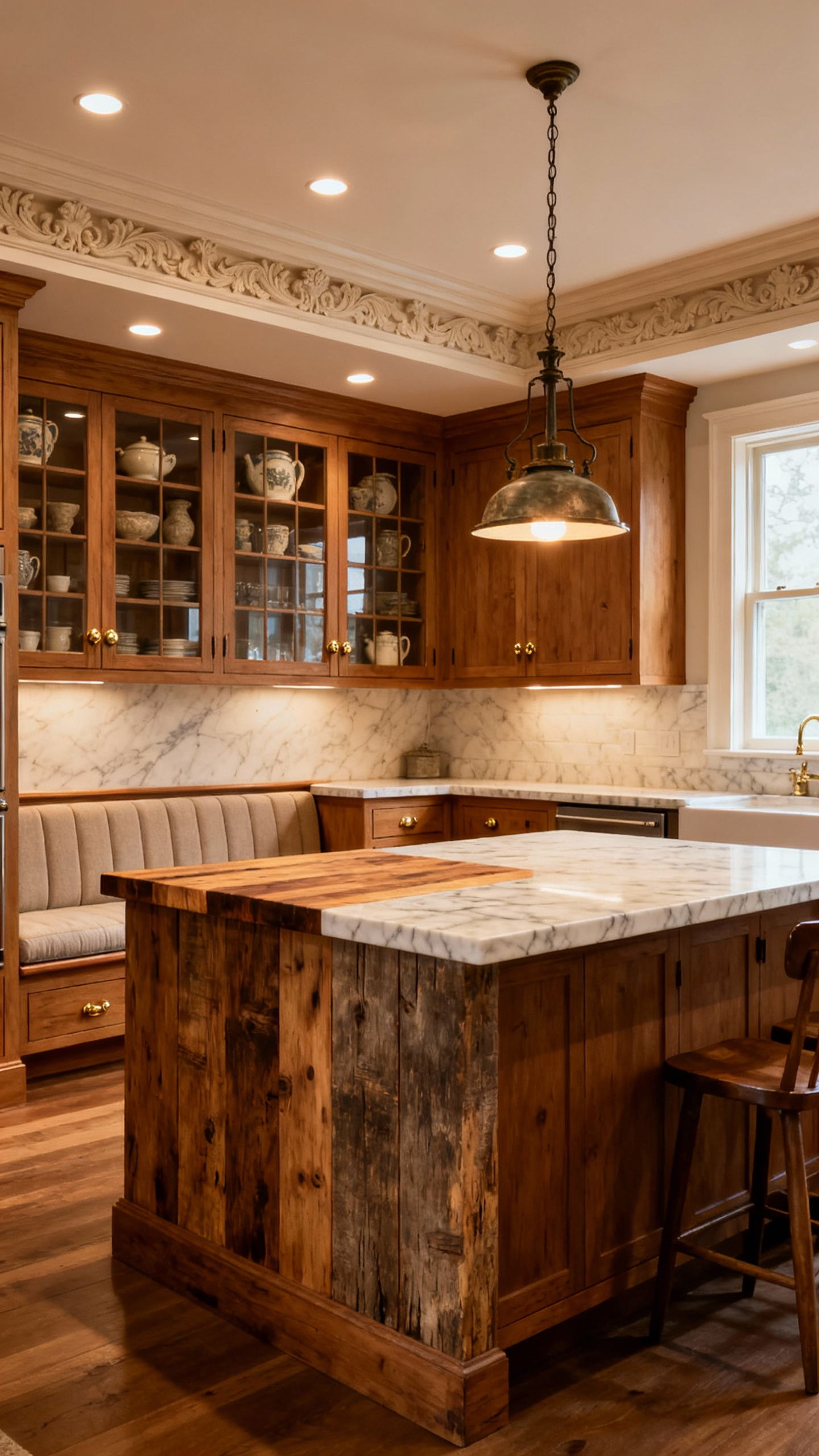
Conclusion
As we’ve journeyed through these 20 ideas, I hope you see that a traditional kitchen remodel is so much more than a construction project. It’s an opportunity to create a space with deep roots and a rich soul. By honoring your home’s history, choosing authentic materials that tell a story, and designing with both beauty and life in mind, you can craft a kitchen that feels timeless from the moment it’s finished.
This approach isn’t about chasing trends; it’s about investing in craftsmanship, sustainability, and personal meaning. Your kitchen should be a reflection of you, your family, and the life you live within its walls. I encourage you to take these principles and make them your own. Create a space that invites you in, inspires you to cook, and provides a warm, welcoming heart for your home. Build a kitchen that isn’t just new, but is destined to become a beloved classic.