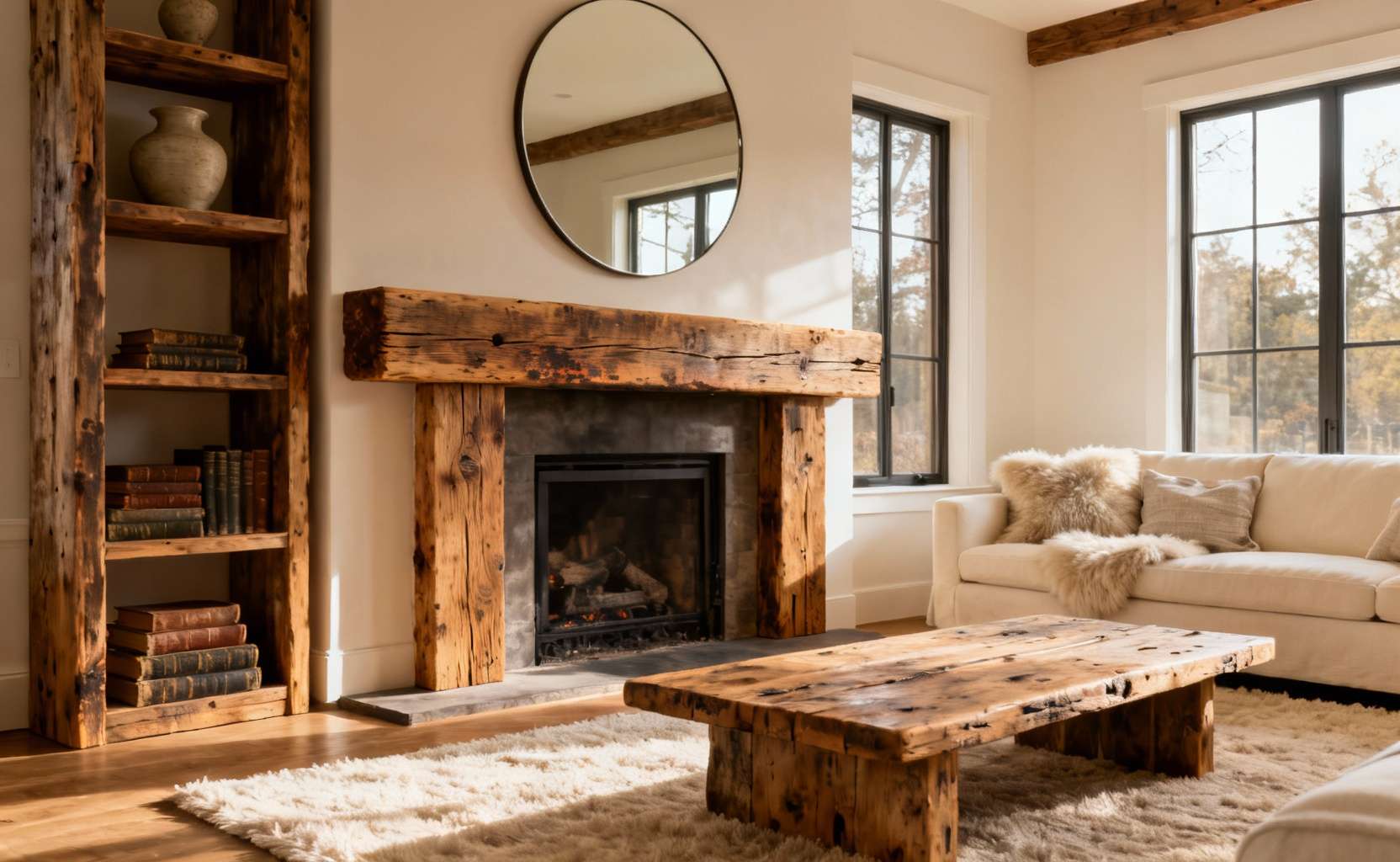

I once found an old carpenter’s trunk at a flea market, covered in dust and forgotten in a corner. The moment my hand brushed against the dovetailed joints and the timeworn hickory, I could feel its story—decades of use, a quiet witness to someone’s craft. That immediate, soulful connection is exactly what separates intentional, rustic living room decor from a room that just happens to have some wooden furniture in it.
It’s about more than an aesthetic; it’s a feeling of being genuinely home, surrounded by pieces with history and heart. This isn’t about chasing a trend. It’s about a slower, more considered way of living that values sustainability, honors craftsmanship, and tells your own unique story. As someone who has dedicated years to breathing new life into forgotten mid-century pieces, I’ve learned that the most beautiful spaces are those that feel collected, not decorated. So, let’s walk through how to build that feeling, starting with the very basics and layering our way to a space that feels deeply, authentically yours.
Essential Rustic Living Room Fundamentals (Part 1)
Before you can add personal flourishes, a rustic room needs a strong, honest foundation. These are the core elements that create warmth, texture, and a sense of timeless comfort. Think of this as preparing the canvas.
1. Leverage Reclaimed Wood Accents
The soul of any rustic living room begins with the honest texture of reclaimed wood. There’s a warmth in a piece of timber that’s lived a life before it met you—you can see it in the grain and feel it in the subtle imperfections. If you’re just starting, you can begin small. A beautifully aged cutting board propped on a shelf or a hand-carved wooden bowl on a coffee table introduces that story without overwhelming the space.
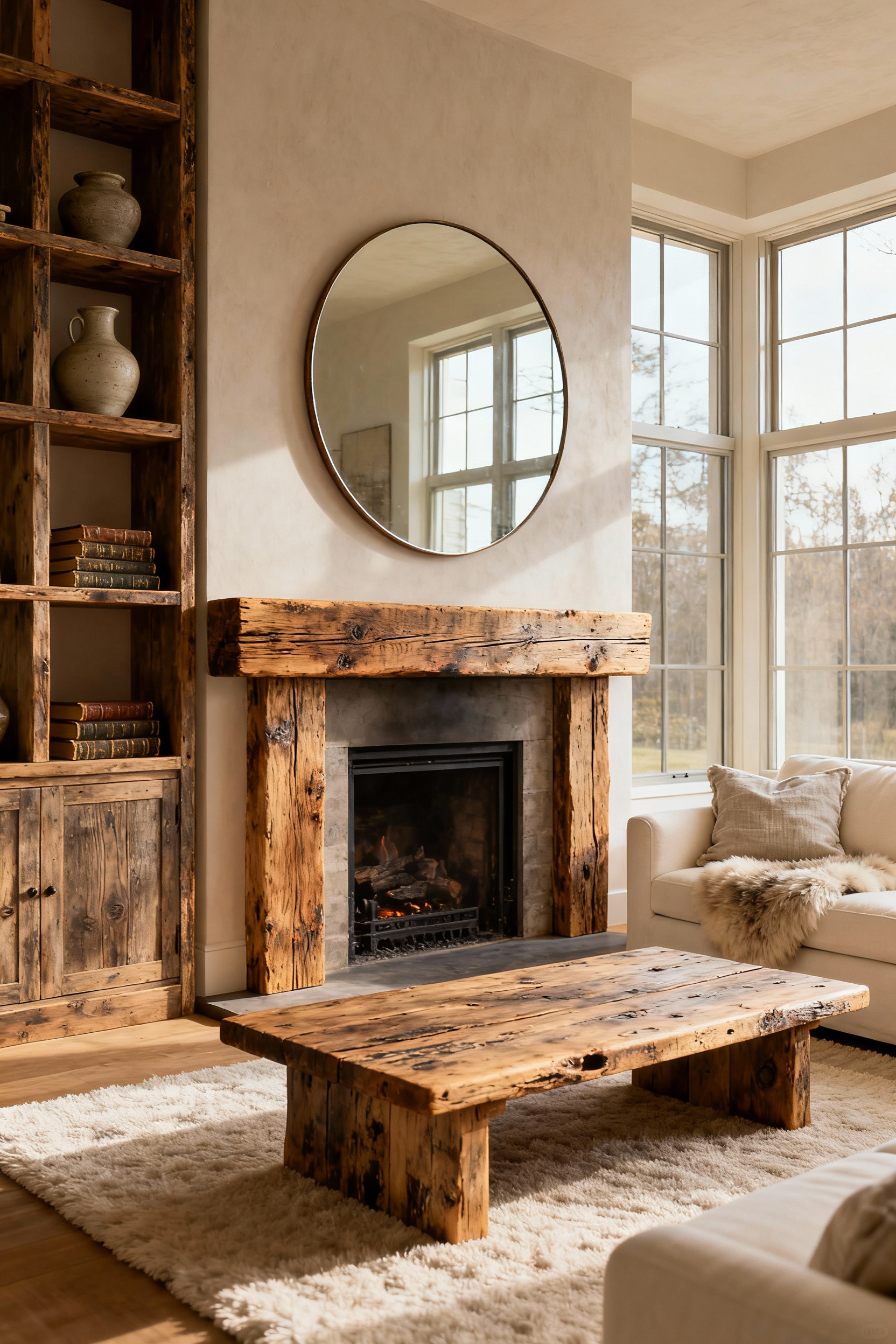
As you get more comfortable, you can bring in larger, more functional pieces. Years of mid-century modern restoration have taught me that a single piece with character can define an entire room. Think of a substantial coffee table made from salvaged barn wood or a fireplace mantel hewn from an old beam. These pieces aren’t just furniture; they’re anchors of authenticity. The ultimate expression is integrating wood architecturally—perhaps an accent wall of mismatched planks or exposed ceiling beams. This is where your space starts to feel truly timeless and grounded.
2. Illuminate with a Warm, Amber Glow
Lighting is everything when it comes to mood. Harsh, cool light can make even the coziest room feel clinical. The goal for rustic living room decor is to mimic the soft, inviting glow of candlelight or a hearth. An easy first step is to swap out your lightbulbs for warmer ones and add a single vintage-inspired lamp—maybe a distressed metal task lamp with an old-fashioned Edison bulb—to create an intimate pool of light on a side table.
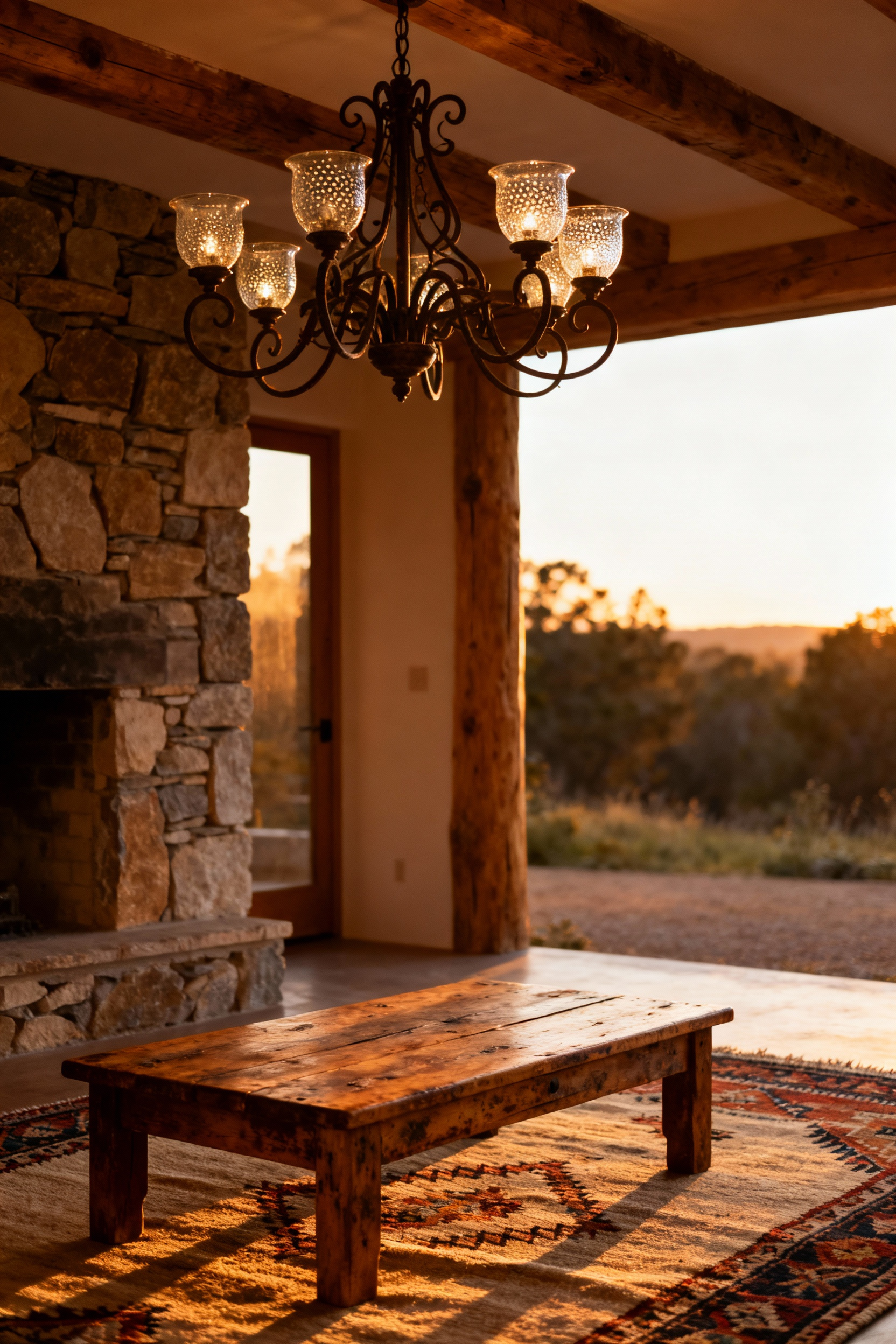
Next, think in layers. You need more than one source of light. An overhead chandelier crafted from aged iron or antlers can provide general, ambient light, while a floor lamp with a simple linen shade is perfect for a reading corner. What I tell my clients and readers is that the real magic happens when you add dimmer switches. Being able to lower the lights in the evening completely transforms the feel of a room, creating that cozy, golden-hour radiance any time of day. It makes all those natural materials and textures just sing.
3. Infuse Organic Texture with Natural Fiber Rugs
The feel of a room is as important as its look, and nothing adds tactile warmth like natural fibers. A simple jute or sisal rug placed under your coffee table can instantly ground the space and introduce an earthy, organic sensibility. Its unassuming elegance makes it the perfect starting point for adding texture.
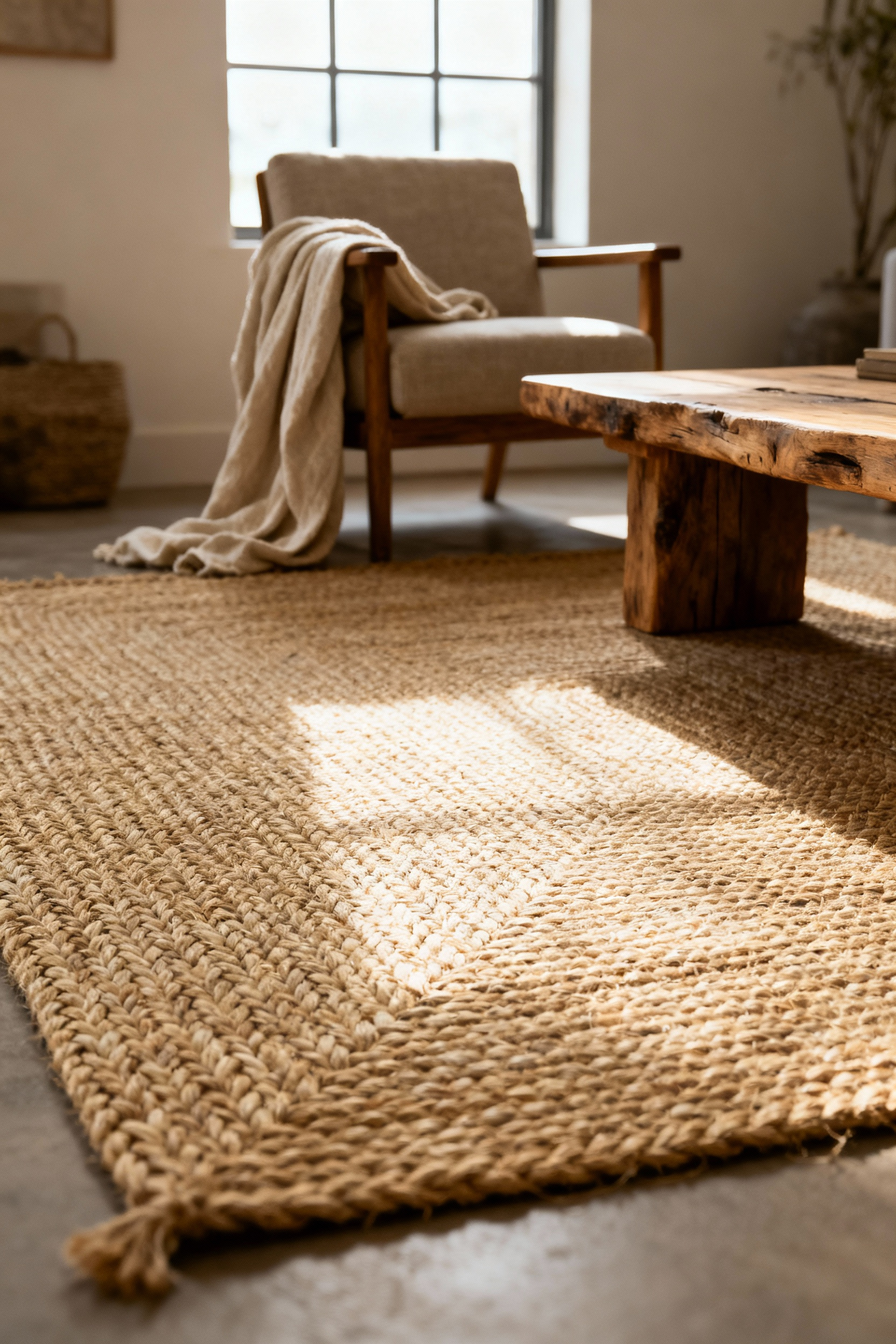
Once you have that base, you can begin layering. A soft, fluffy sheepskin thrown over your larger jute rug adds a touch of plush comfort and visual interest. From my work in vintage textile integration, I’ve seen how mixing different weaves creates a rich, sensory experience. Combine nubby wool pillows with soft, laundered linen throws. These textures invite you to touch and curl up, adding a subtle depth that feels both sophisticated and utterly comfortable.
4. Curate Character with Found Objects
A truly personal space is filled with objects that tell a story. Move beyond mass-produced decor and begin to curate a collection of found objects and artisanal keepsakes. This could start with a single meaningful piece: a ceramic pitcher made by a local artist or an antique wooden box you inherited. These items are immediate conversation starters.
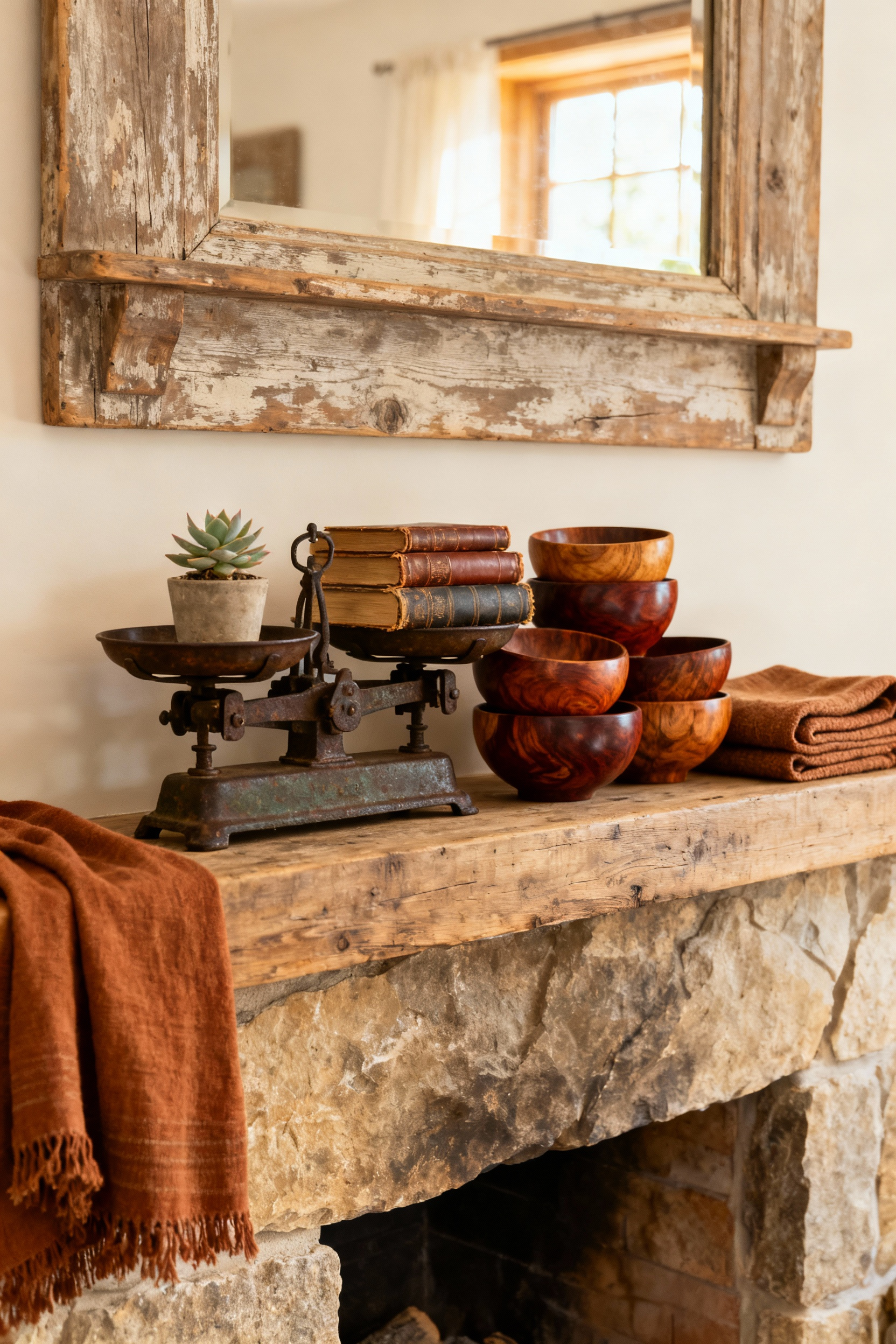
As your collection grows, group them into thoughtful little scenes, or vignettes. On a mantelpiece, you could arrange a cluster of aged brass candlesticks next to a stack of antique, leather-bound books. The trick is to make it feel organic, as if these things have naturally come to rest together over time. Eventually, you can even repurpose larger found items—like an old galvanized wash tub for blanket storage or a vintage apple-picking ladder leaned against a wall to display heirloom quilts. Your home should be a reflection of your journey.
Essential Rustic Living Room Fundamentals (Part 2)
With the core textures in place, let’s talk about the soul of your room: color. The right palette is what ties everything together, creating a sense of serenity and deep connection to the outdoors.
5. Anchor Your Palette with Earth-Toned Hues
The simplest way to create a calming, natural atmosphere is to look right outside your window. The color palette for rustic living room decor is pulled directly from the earth: the rich umber of soil, the soft sage green of moss, the warm ochre of sun-baked clay, the soothing gray of river stones. These aren’t just colors; they’re grounding forces that make a space feel instantly serene.
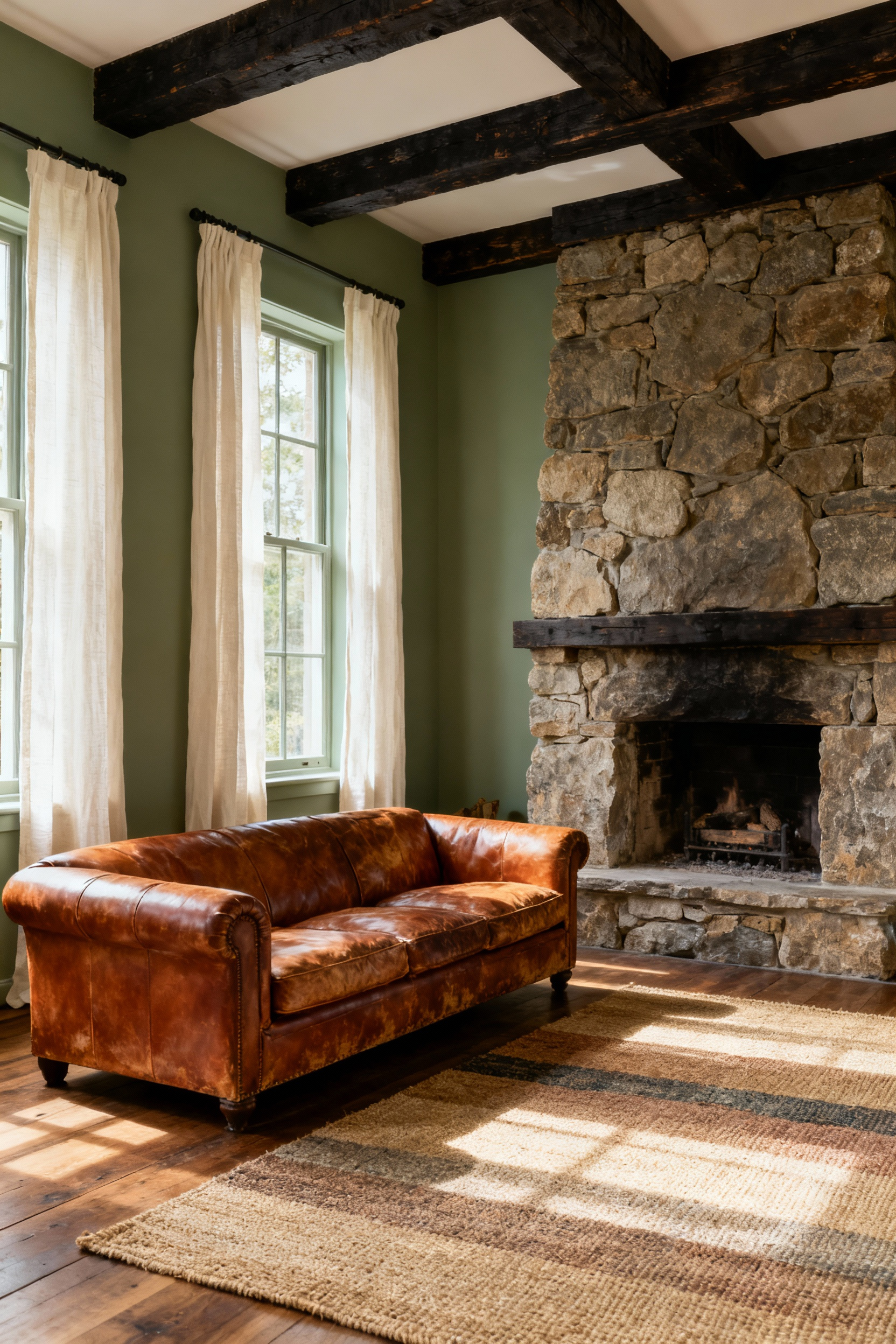
From there, you can create depth by layering different shades and tones. A warm, chocolate-brown leather chair, for example, pairs beautifully with a muted taupe linen sofa, while a reclaimed oak table introduces a whole spectrum of browns and grays in its grain. This thoughtful interplay prevents the room from feeling flat. The next step is to play with undertones. You could pair a deep, moody forest green with a creamy off-white, or a smoky blue with a sandy terracotta. It’s these subtle, sophisticated pairings that create a palette with enduring, timeless appeal.
Elevating Your Rustic Living Room Approach (Part 1)
Now that we’ve set the stage, it’s time to layer in the elements that bring unparalleled comfort and a deeper sense of soul. This is where your space starts to feel truly immersive and nurturing.
6. Select Overstuffed Upholstery in Textured Linens
A rustic living room should be a place where you can truly exhale. And nothing invites you to sink in and relax like a generous, overstuffed sofa upholstered in a natural, textured linen. The fabric itself breathes, feels soft against the skin, and only gets better with age, developing a beautiful, lived-in patina. It’s the very definition of unpretentious comfort.
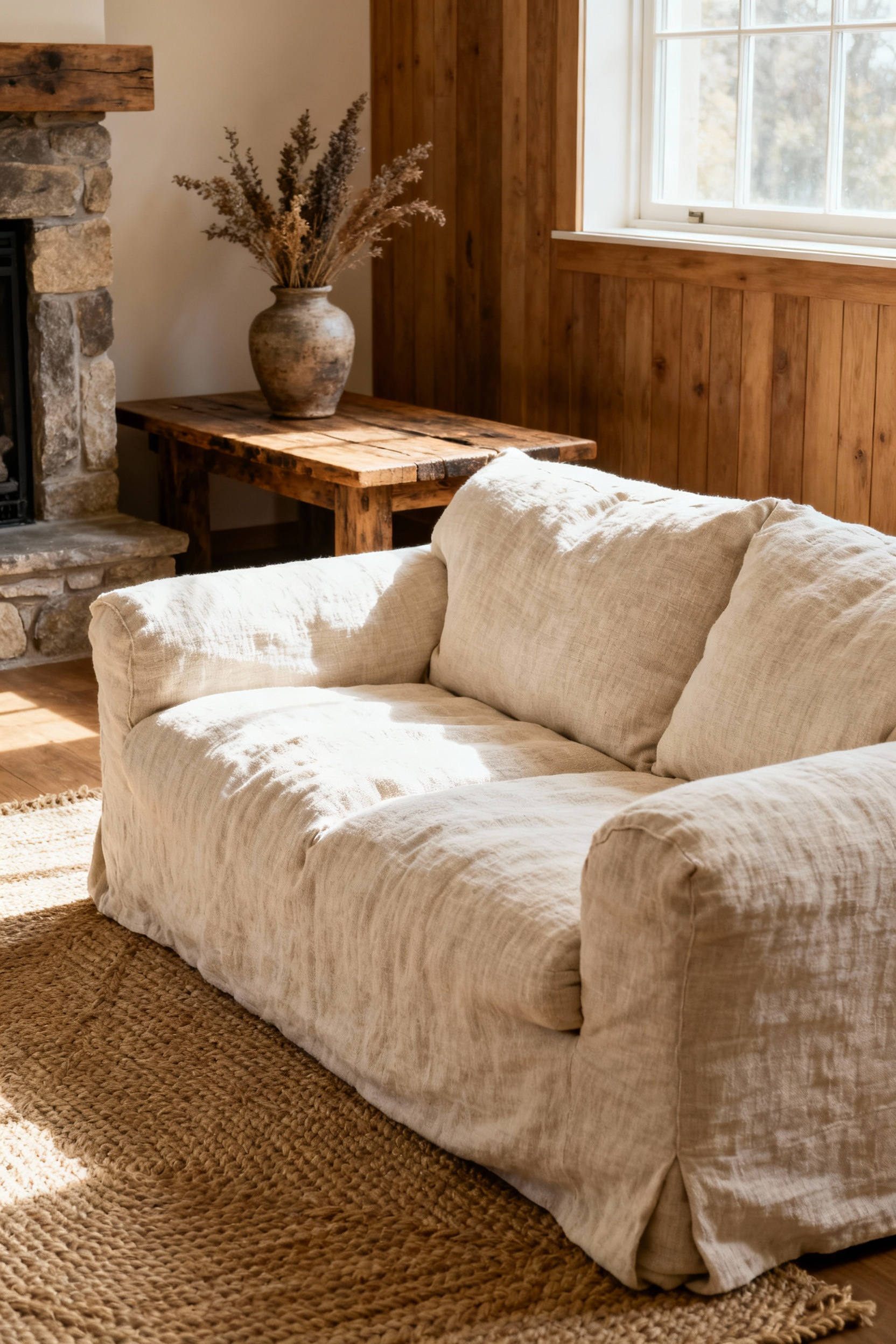
For a more refined approach, explore different types of linen. A slub linen has a lovely, irregular texture that catches the light, while a durable linen canvas is perfect for a busy household. I learned this when restoring a set of Danish modern chairs: the right textile makes all the difference. To complete the look, seek out pieces with exposed wood frames or simple turned legs. The visual conversation between the soft, rumpled linen and the solid, raw wood reinforces the authentic, earth-bound spirit of your design.
7. Integrate Hand-Woven Textiles and Heirloom Throws
Once you have your main seating, it’s time to layer in the soulful pieces that tell a story. Draping a chunky, hand-knit throw over an armchair or folding a beautiful vintage blanket at the foot of your sofa adds an immediate sense of warmth and history. These aren’t just accessories; they are narrative threads woven into the fabric of your home.
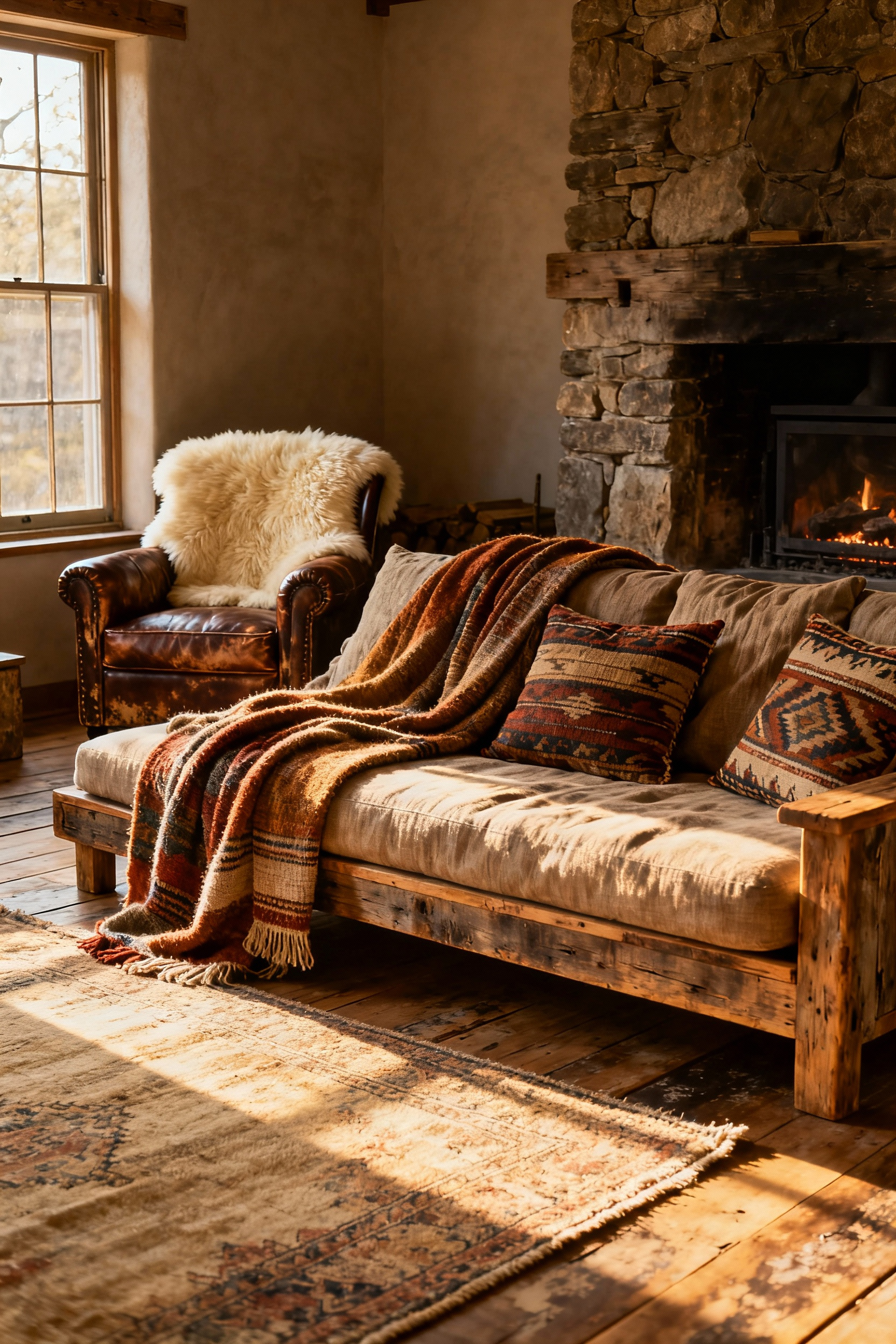
Look for textiles with a story to tell—a vibrant Kilim pillow or a muted Moroccan wedding blanket introduces both pattern and provenance. In my vintage modern revival specialist practice, I always encourage people to seek out pieces with heirloom quality. This doesn’t just mean old, but crafted with such skill that they transcend time. This could be textiles you’ve collected on your travels, pieces inherited from family, or throws sourced from artisans who are preserving traditional techniques.
8. Arrange Furniture to Foster Intimate Gathering Zones
The way you arrange your furniture can transform a room from a simple pass-through space into a welcoming haven. Start by orienting your main seating around a natural focal point, like a stone fireplace or a large window with a beautiful view. But to encourage real connection, think about creating a central conversation hub—a deep sofa facing two comfortable armchairs, all anchored by a generous coffee table.
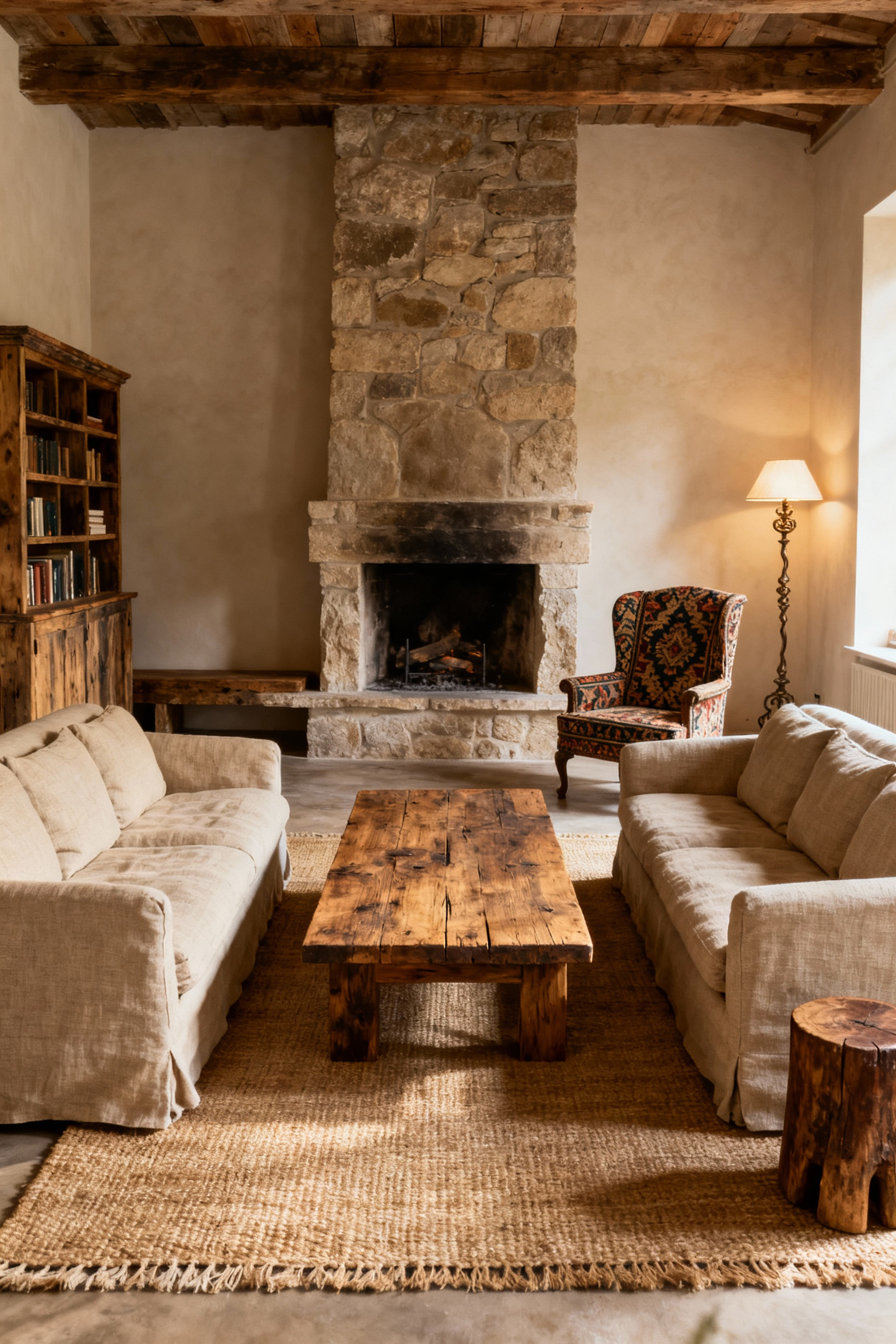
If you have a larger space, you can create multiple intimate zones. Perhaps a quiet reading nook in a corner, with a comfortable wingback chair, a floor lamp, and a small side table. Area rugs are perfect for defining these different “islands” of activity. What I’ve seen work best is an arrangement that feels natural and allows for easy flow. It should invite people to sit down, linger, and connect with one another.
9. Layer Diverse Patterns Thoughtfully
Patterns can add incredible visual interest to a rustic living room, but the key is to be thoughtful and avoid overwhelming the senses. A great starting point is to introduce a single, classic pattern, like a buffalo check throw pillow or a subtle geometric rug in muted tones.
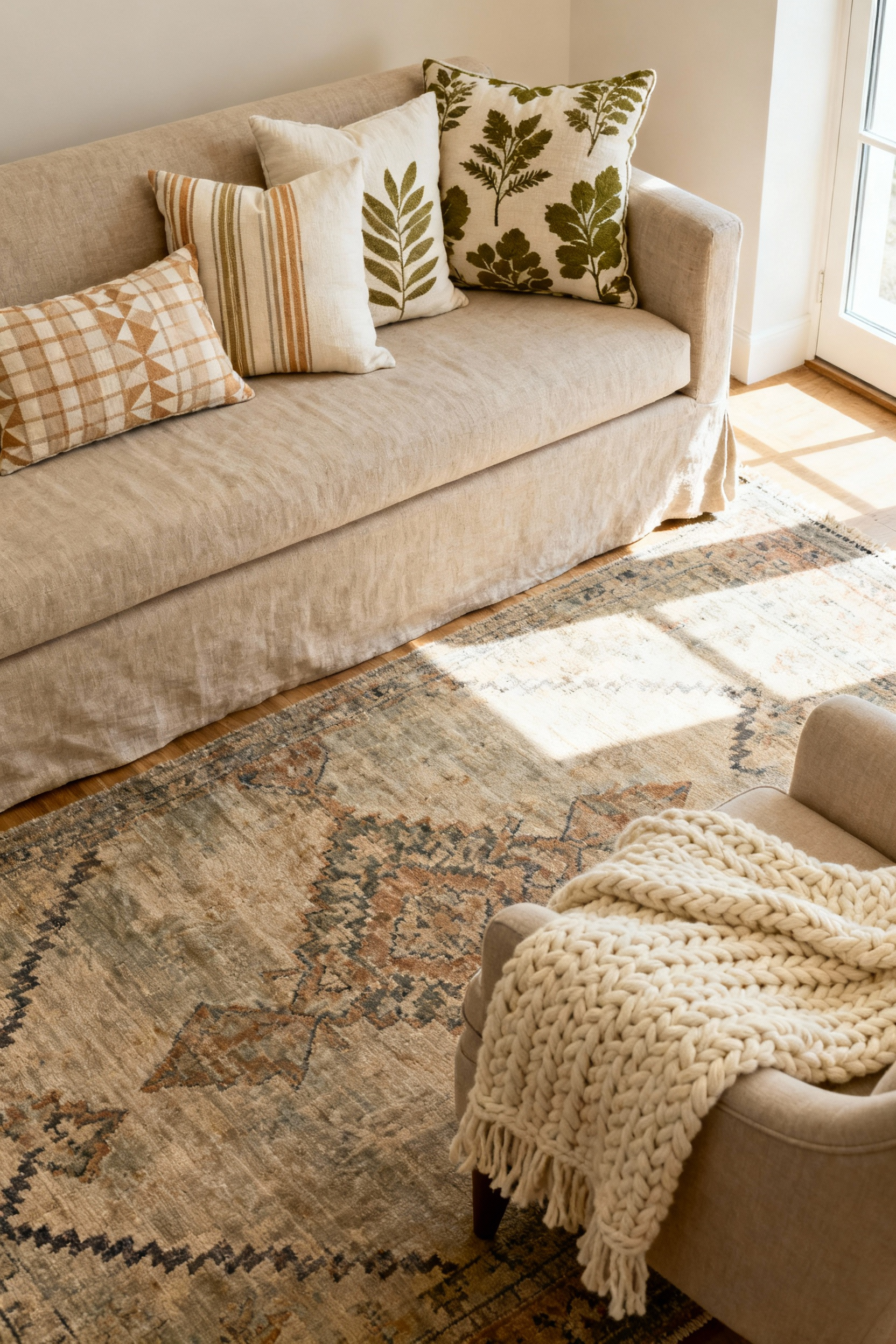
The trick to mixing patterns successfully is to vary their scale. Pair a large-scale plaid throw with a medium-scale floral on an accent pillow and maybe a small, tightly woven geometric pattern on an ottoman. I’ve noticed that using a consistent color story helps unify different patterns. You can also incorporate patterns with a slightly imperfect, handmade feel—like block prints or textiles with natural dyes—as they inherently resonate with the rustic, artisanal aesthetic.
Elevating Your Rustic Living Room Approach (Part 2)
Let’s turn our attention to elements with a built-in soul—pieces that carry the whispers of a past life. Integrating architectural salvage is a wonderfully sustainable way to breathe unparalleled character into your rustic space.
10. Transform Architectural Salvage into Statement Pieces
There is such magic in architectural salvage—old doors, window frames, corbels, and reclaimed beams that have been saved from forgotten buildings. Their inherent patina and worn textures infuse a room with a sense of history that you simply can’t buy new. Start simply by leaning an ornate vintage door against a wall as instant art. I once used a salvaged barn beam as a raw, organic mantelpiece, and it completely transformed the room.
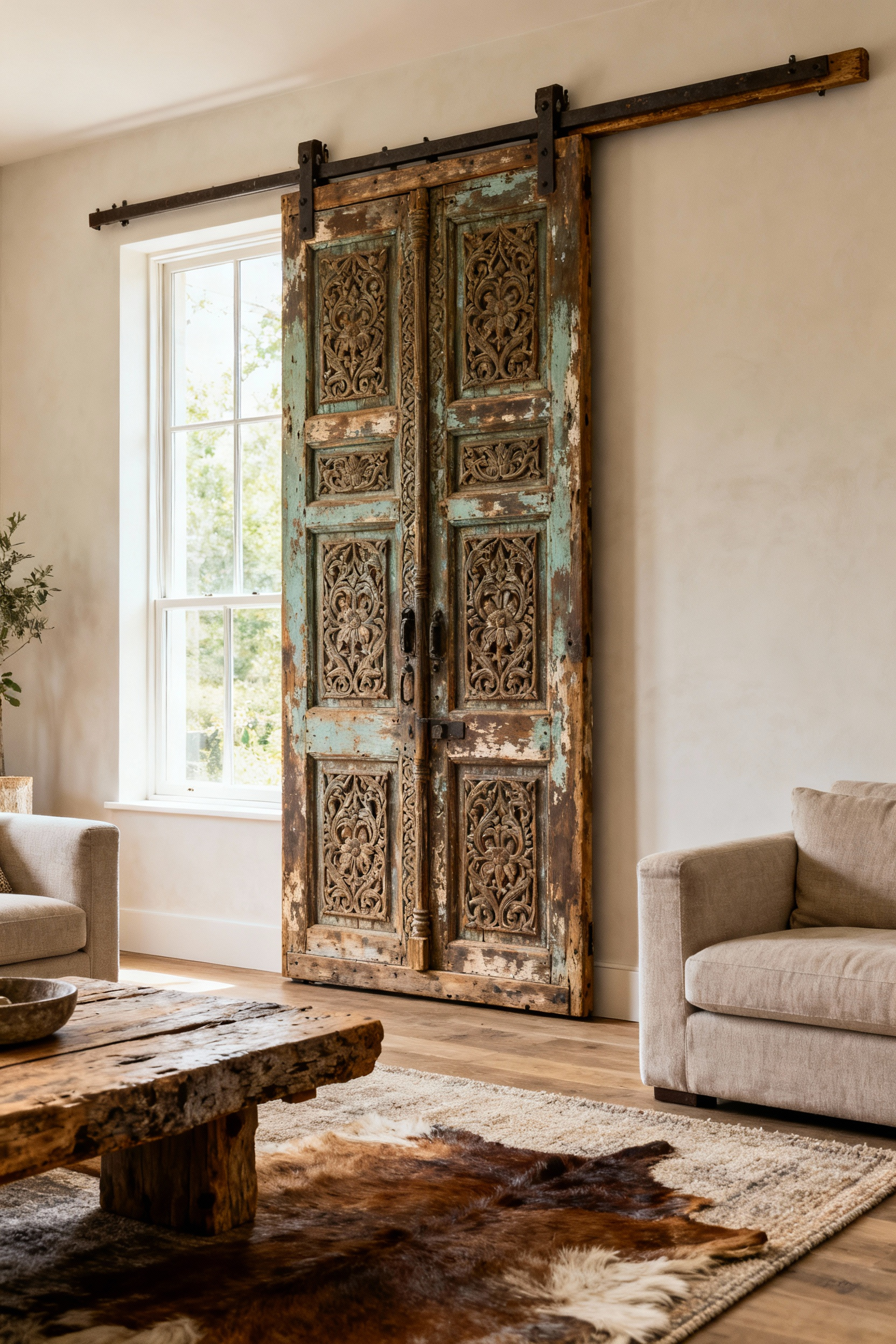
For a more intermediate approach, you can repurpose these pieces. An old iron gate can become a unique coffee table with a piece of glass on top. Salvaged wooden corbels make stunningly sculptural bookends or supports for an open shelf. The most advanced application involves integrating these pieces right into your architecture—a wall clad in reclaimed barn wood or an antique window frame fitted with a mirror. Sourcing these treasures from salvage yards and antique shops is a treasure hunt in itself, and each piece you bring home adds another layer to your home’s unique story.
Advanced Rustic Design Strategies (Part 1)
Ready to go deeper? These strategies are about cultivating a narrative, blending old with new, and creating a space that is as functional as it is beautiful. This is where your living room becomes truly distinctive.
11. Cultivate a Narrative Through Purposeful Object Placement
At this stage, every object in your room should have a reason for being there. It’s about seeing your decor not as a collection of things, but as characters in your home’s story. Choose items that resonate with you personally—a well-worn book from a grandparent, a piece of driftwood from a favorite beach.
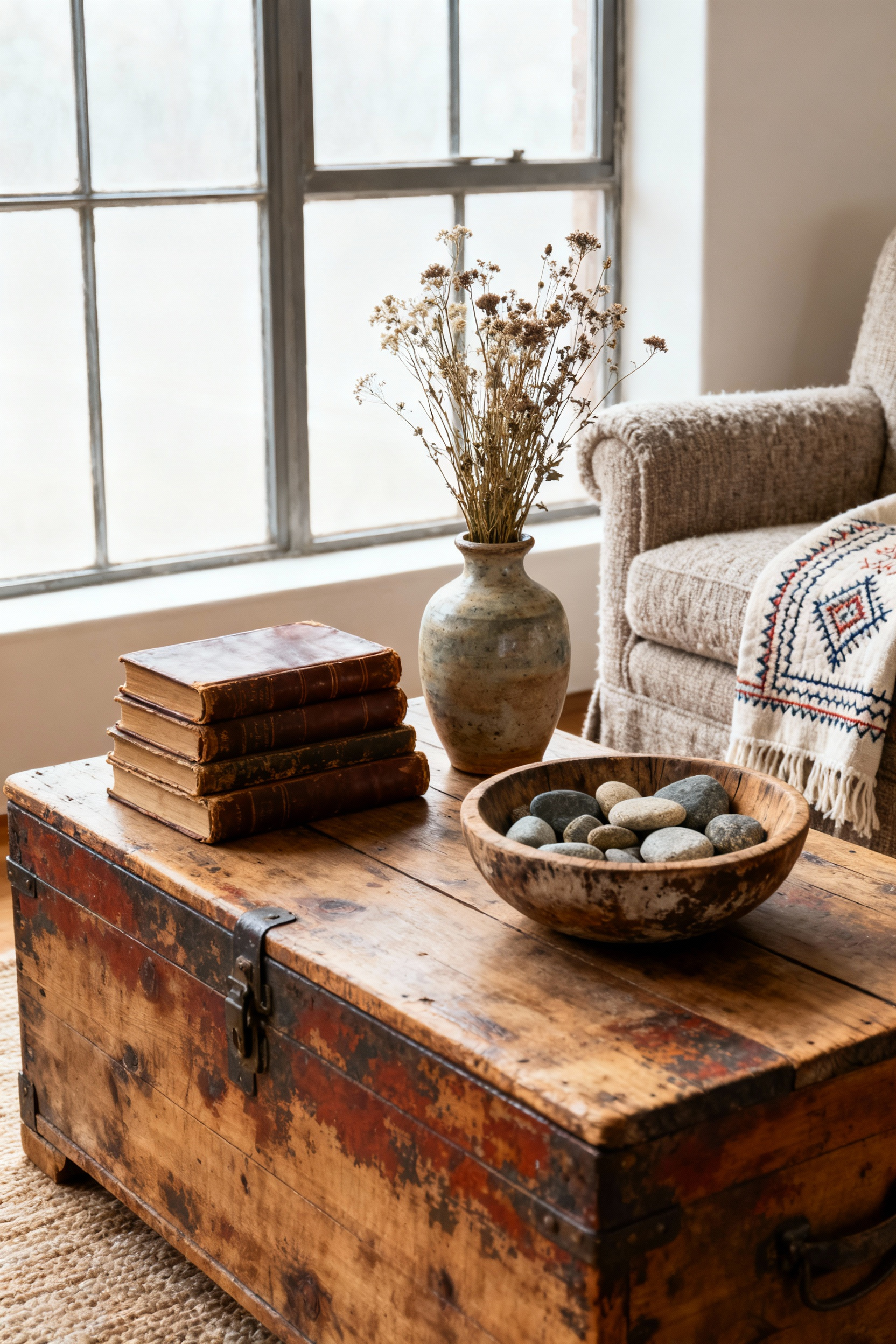
Then, instead of scattering them, group them into thoughtful vignettes. On a side table, a vintage wooden box might hold dried wildflowers next to a sepia-toned family photo. This grouping isn’t random; it hints at a connection between heritage and nature. The goal is to invite contemplation and conversation, creating an environment that feels lived-in and deeply personal. Your living room should be a curated autobiography, told through the silent poetry of your possessions.
12. Master Blending Patina-Rich Antiques with Modern Comforts
One of the most dynamic ways to design is by creating a conversation between the past and the present. Don’t be afraid to mix a beautifully worn, patina-rich antique with a clean-lined, modern piece. The contrast is what makes it so interesting. For example, place a plush, minimalist linen sofa—chosen for its modern comfort—opposite a heavily distressed pine farm table used as a coffee table.
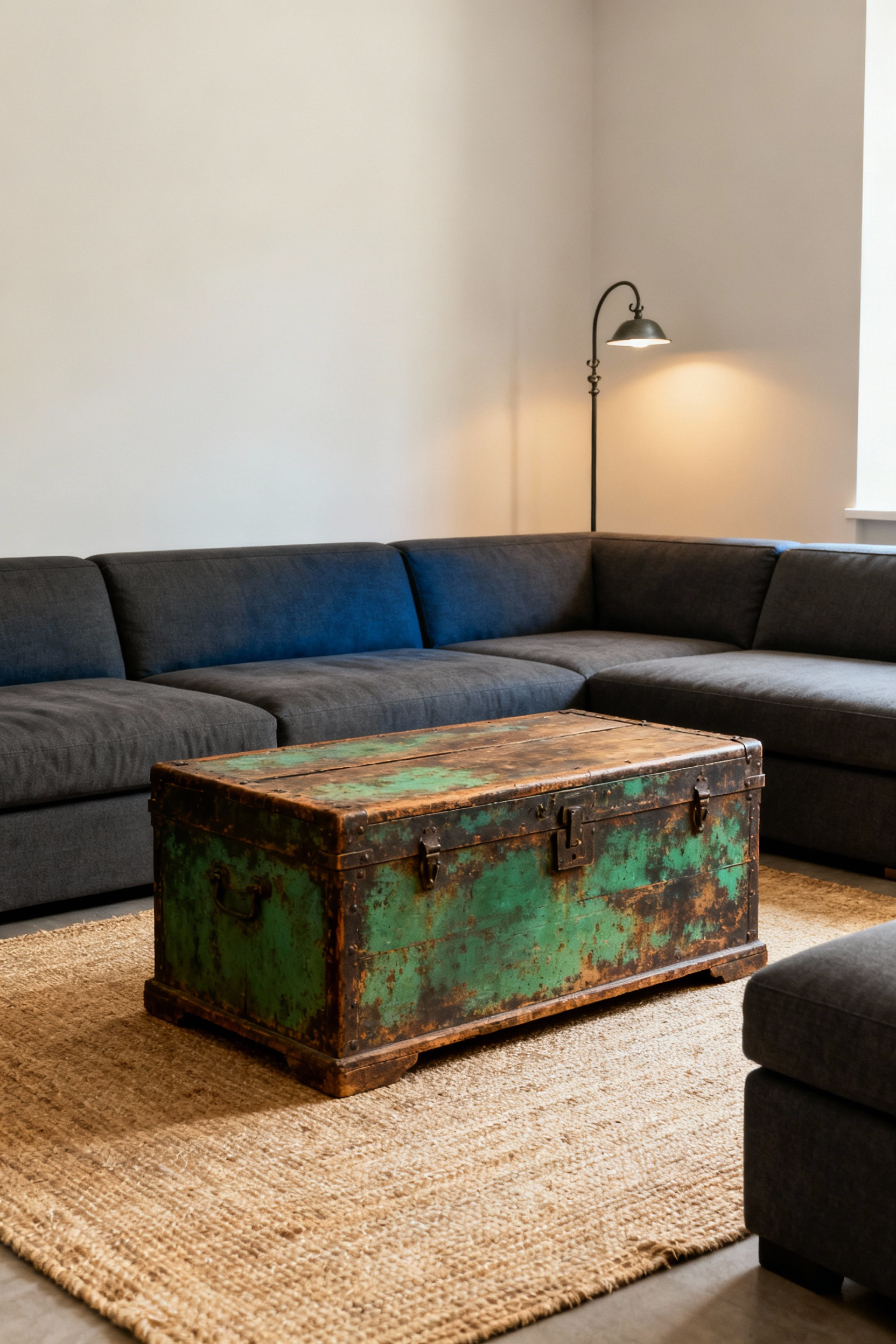
What really gets me is when the materials themselves create the bridge between eras. The natural fibers of a modern wool rug can beautifully complement the aged hardwood of an antique cabinet. The key is to select modern pieces with simple forms and understated aesthetics that allow the character of the antiques to shine. This thoughtful integration creates a space that feels both historic and current—a timeless sanctuary that embraces the best of both worlds.
13. Incorporate Bespoke Shelving or Built-Ins
As your collection of treasures grows, you’ll need a way to display them that feels intentional and integrated. Instead of a standard retail bookcase, consider bespoke shelving or built-ins. This allows you to create something that feels like a part of your home’s architecture. Use materials that echo your rustic aesthetic—reclaimed barn wood for the shelves, or industrial-style metal piping for the supports.
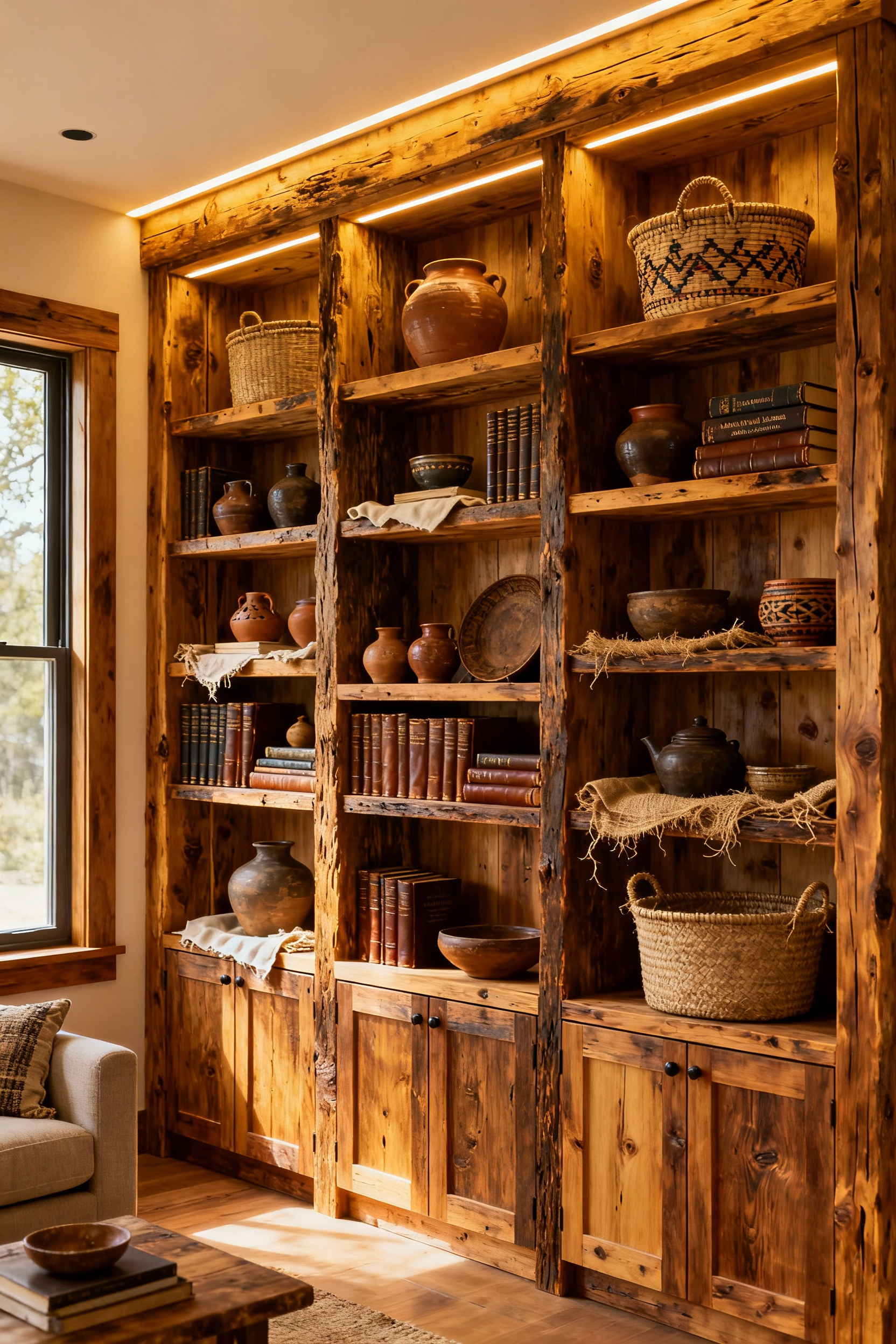
Think about what you want to highlight and design the shelving to perfectly accommodate those items, with varying heights and depths. For a truly professional touch, you can add integrated lighting, like discreet LED strips tucked under the shelves, to cast a warm glow on your collections. A custom-built window seat with bookshelves on either side can create a cozy reading nook that feels like it has always been there, optimizing your space while adding immense character.
14. Design for Seamless Seasonal Transitions
A rustic home should feel connected to the rhythms of nature, and that includes the changing seasons. Create a core collection of interchangeable natural elements and textures that you can swap out throughout the year. It’s a wonderfully sustainable way to keep your space feeling fresh.
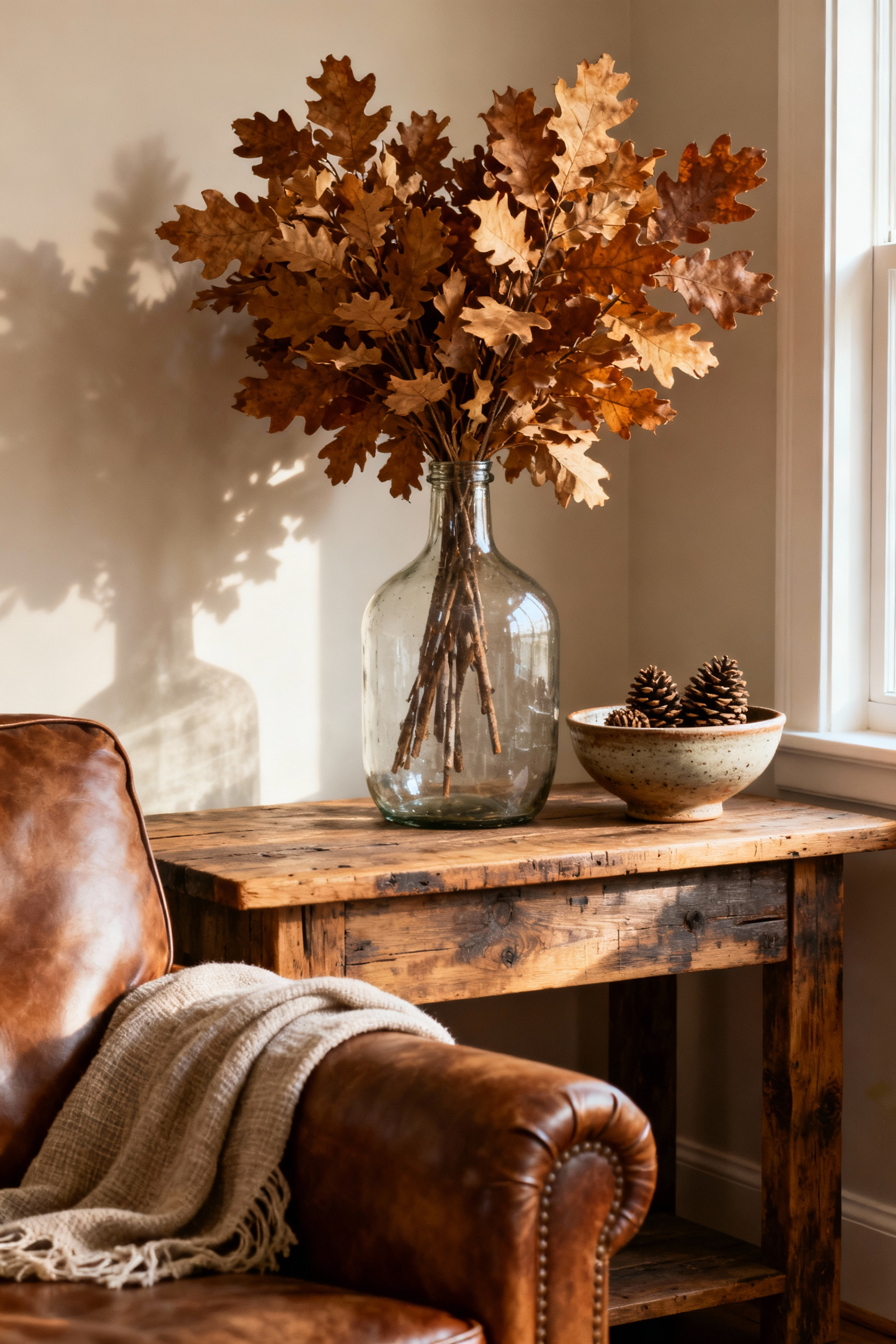
In the spring and summer, a large earthenware vase can hold branches of cherry blossoms or wildflowers, and your sofa might be draped with light linen throws. As autumn arrives, swap these for branches of fiery red leaves and introduce chunky wool blankets and maybe a plush faux fur rug for extra warmth. What’s interesting is how subtle sensory shifts, like swapping bright, citrus-scented candles for ones with notes of cedar and pine, can completely change the atmosphere. Your home becomes a living space that breathes and adapts with the world outside.
Advanced Rustic Design Strategies (Part 2)
We’re now moving into the most nuanced aspect of design: the art of editing. The spaces you leave empty are just as important as the ones you fill.
15. Employ Intentional Negative Space
In our eagerness to create a cozy space, it can be tempting to fill every corner. But true design mastery lies in the artful use of negative space—allowing your most beautiful pieces room to breathe. This isn’t about minimalism; it’s about mindful editing. Instead of seeing a bare wall as something that needs to be filled, see it as a quiet backdrop that allows a single, stunning piece of art or a sculptural reclaimed wood console to take center stage.
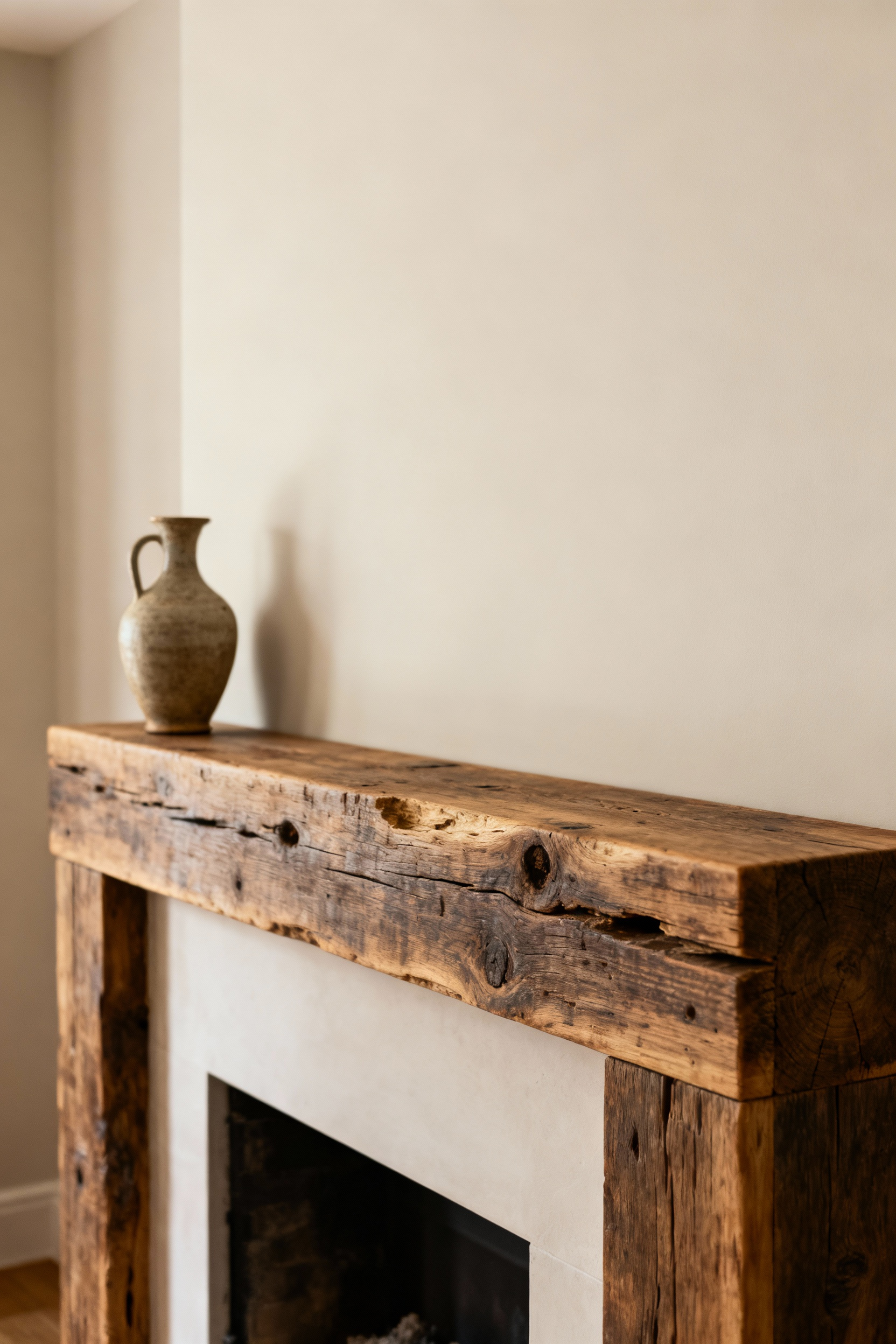
Think of it as creating visual pauses. By having fewer items, the eye is able to slow down and truly appreciate the texture of a weathered armchair or the unique grain of a coffee table. Years of mid-century modern restoration, where form is so critical, taught me the power of this principle. Letting a beautiful object stand on its own, surrounded by a bit of open space, actually gives it more weight and presence in a room. It creates a feeling of calm and intentionality.
Mastering Rustic Interior Integration (Part 1)
Now for the final layer: integrating these ideas so seamlessly that your entire home feels like a single, cohesive story. This is about weaving that rustic charm into the very fabric of your dwelling.
16. Preserve the Character of Aged Timber
The story of aged timber is written in its knots, grain, and subtle imperfections. Our goal in restoration should always be to honor that history, not erase it. Before you reach for a sander or heavy varnish, start by gently cleaning the wood with a soft brush and mild, natural soap. The aim is to remove grime while preserving the authentic patina that gives the piece its soul.
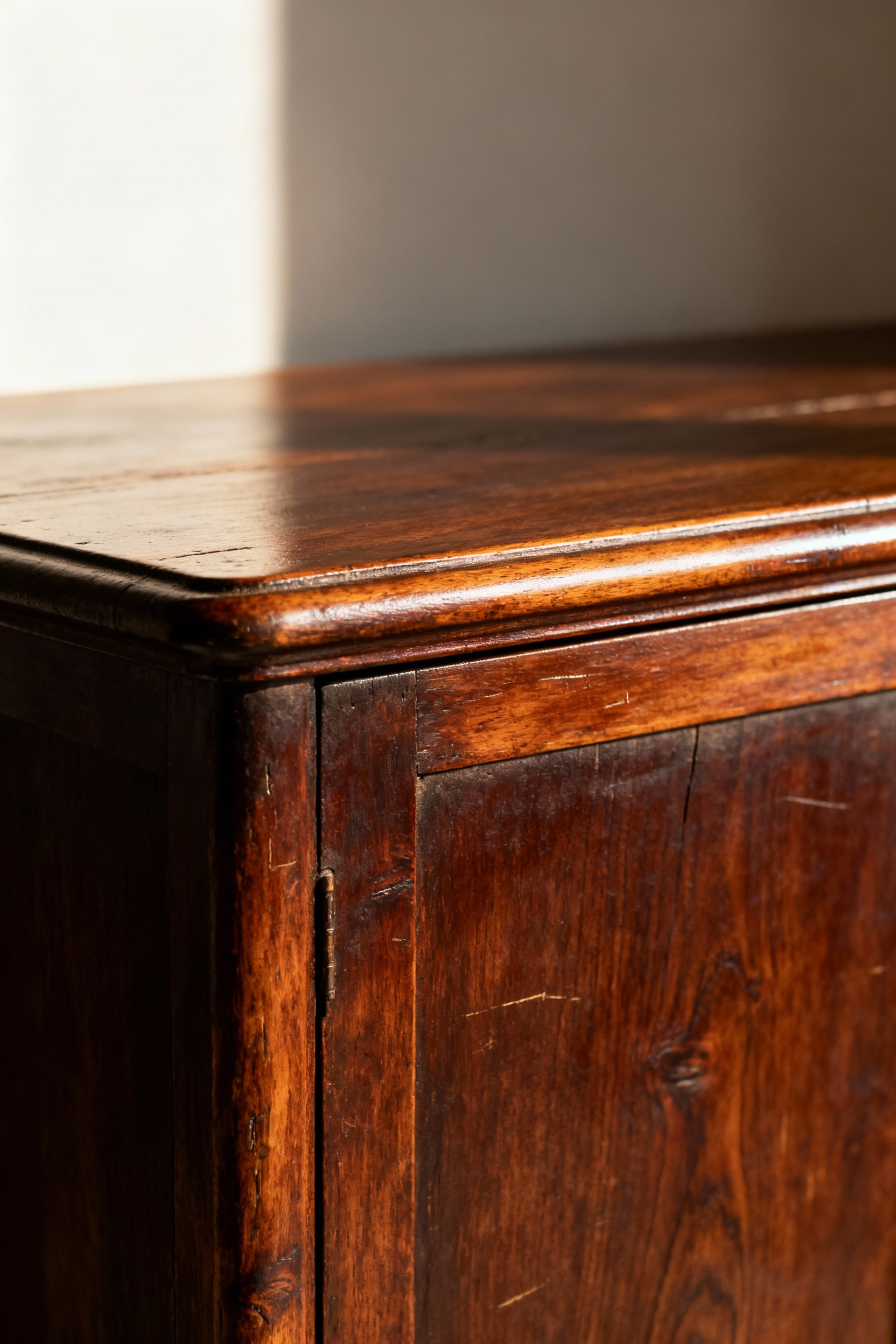
If a finish is needed, choose something that nourishes the wood from within. I’ve found that natural oils and waxes, like linseed oil or a simple beeswax polish, are far better than polyurethane. They enhance the wood’s inherent beauty and provide protection without creating an artificial, plastic-like barrier. This conscious stewardship transforms a piece of furniture into a cherished heirloom, anchoring your rustic living room with undeniable authenticity.
17. Source Authentically Worn Rugs
An authentically worn vintage rug is more than just a floor covering; it’s a woven piece of art that can anchor an entire room. Seek out genuine antique or vintage pieces—like Turkish kilims or hand-knotted Persian rugs. The key is to look for signs of a life well-lived: natural fading from the sun, slight variations in the vegetable dyes, and gentle wear that feels honest, not manufactured.
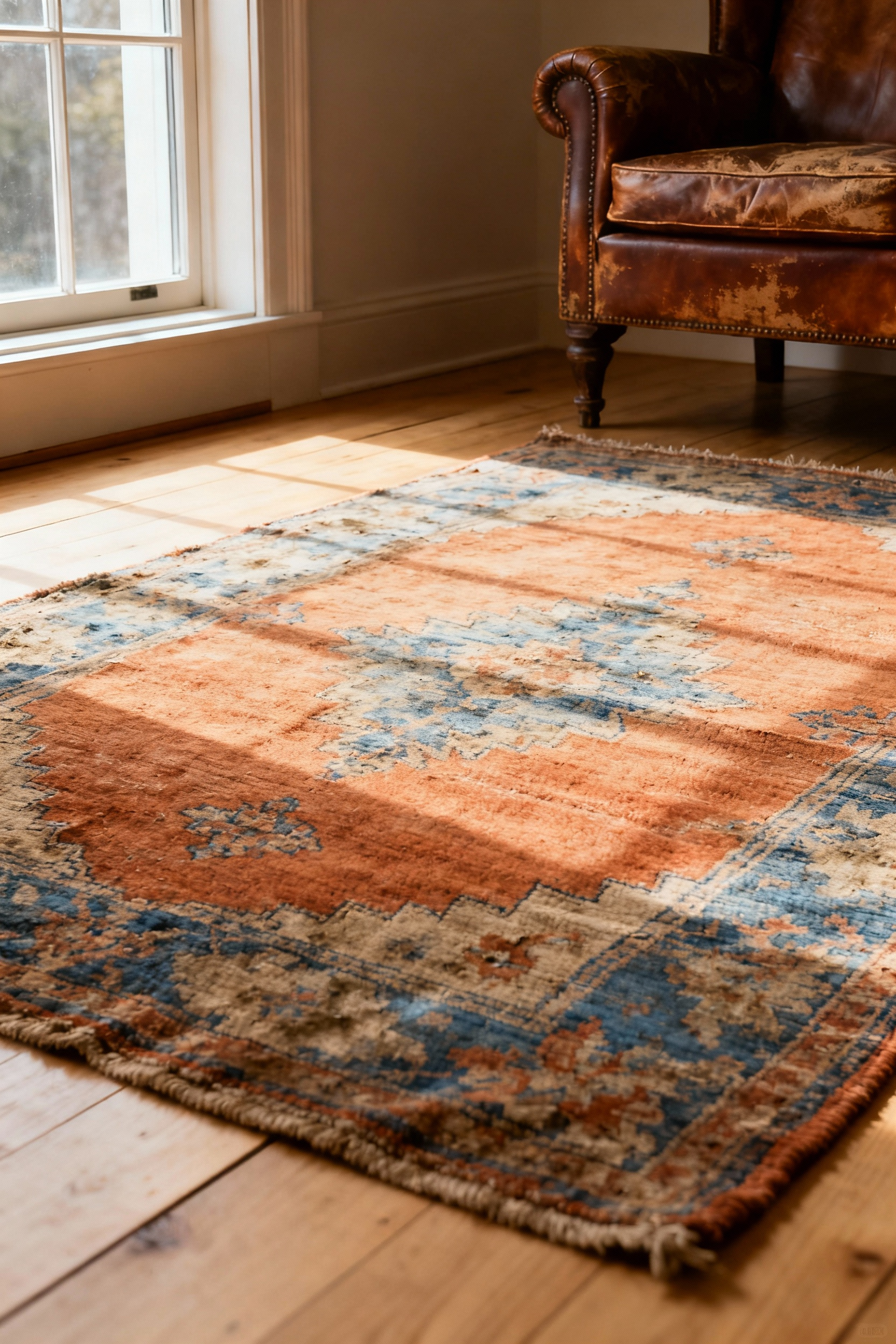
In my experience with vintage textile integration, knowing a rug’s story—the region it came from, the tribe that wove it—adds an invaluable layer of depth. A vintage rug can effortlessly bridge the gap between rough-hewn timbers and soft upholstery, grounding your furniture and introducing an inimitable sense of history and warmth underfoot. It’s an investment in a piece with a soul.
18. Develop a Whole-House Philosophy
For your rustic home to feel truly authentic, its spirit should extend beyond the living room. This doesn’t mean every room should look the same, but that a common thread of materials and moods should run throughout. If your living room is defined by reclaimed wood and natural linen, carry those elements into adjacent spaces in subtle ways. A rough-hewn wooden bench in the entryway, or simple linen curtains in the dining room, can create that gentle, cohesive flow.
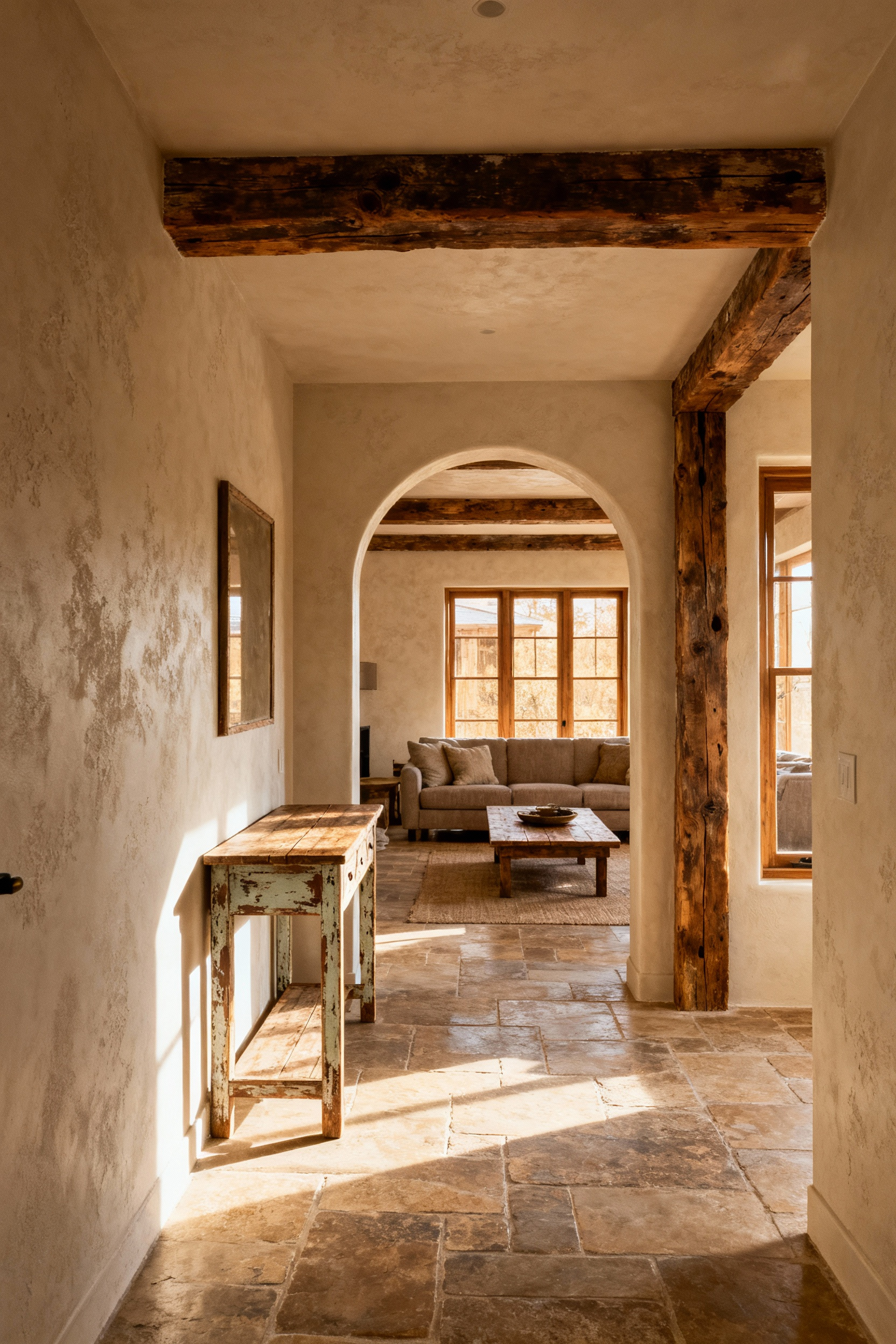
The idea is to create an enveloping atmosphere, where the rustic spirit isn’t just seen but felt, from the moment you walk in the door. It’s a design language that speaks consistently of warmth, nature, and comfort, making your entire home feel like a harmonious sanctuary.
19. Infuse Innovative Biophilic Elements
Biophilic design is the idea that we have an innate need to connect with nature, and it’s a concept that is perfectly at home in rustic decor. Go beyond a few potted plants and think about how you can more deeply infuse nature into your space. Maximize natural light wherever you can. Consider a preserved moss wall as a stunning, low-maintenance piece of living art.
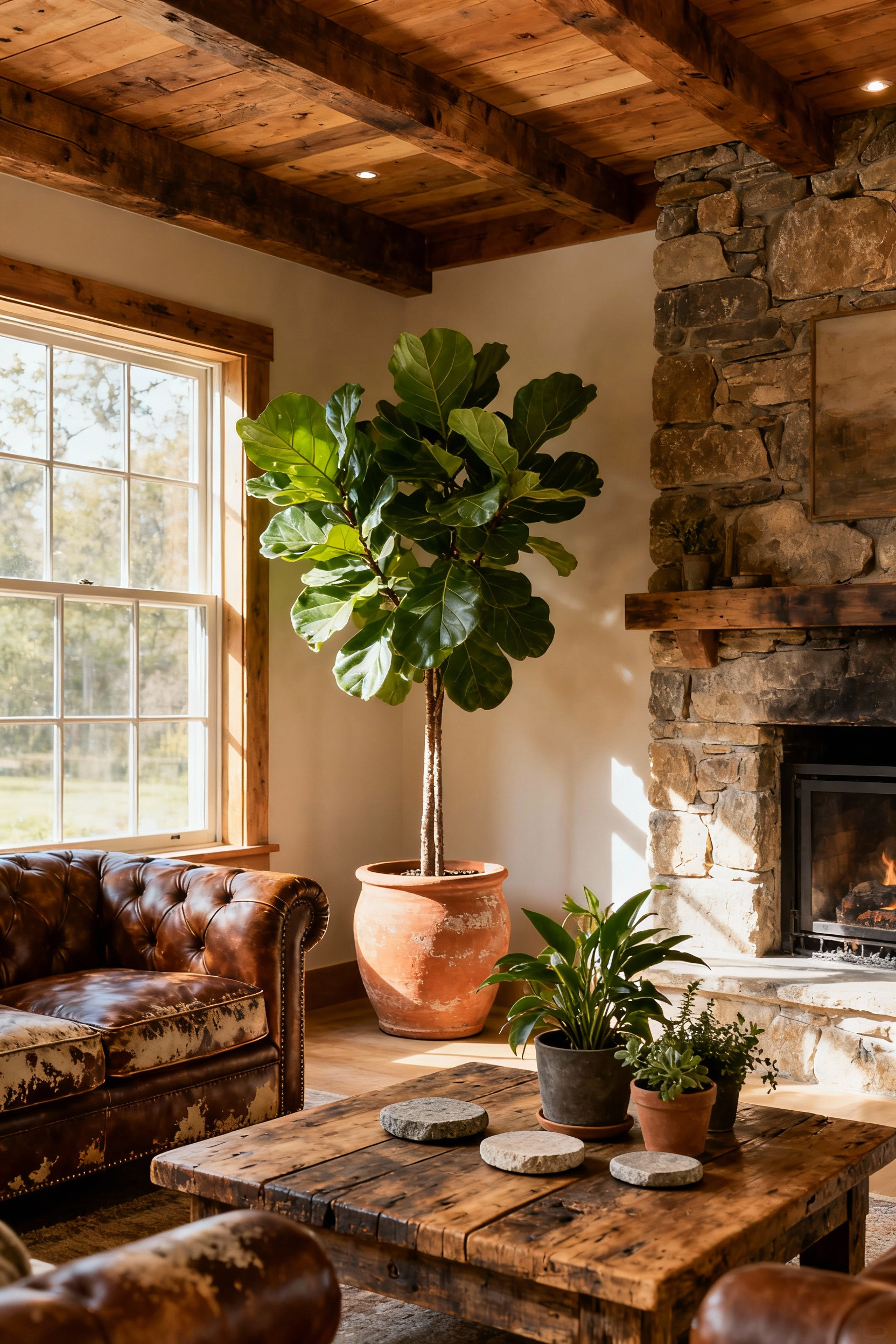
Think about engaging all the senses. The tactile feel of a river stone accent, the soothing sound of a small, discreet water feature, or even the scent of fresh pine from a diffuser can deepen that connection to the outdoors. These elements don’t just look beautiful; studies have shown they actively reduce stress and enhance well-being, turning your rustic living room into a truly restorative retreat.
Mastering Rustic Interior Integration (Part 2)
We’ve arrived at the final, most personal touch. This is about celebrating the human hand and ensuring every detail resonates with purpose and authenticity.
20. Champion Artisan-Crafted Details
Finally, celebrate the human touch. Seek out artisan-crafted details that elevate everyday interactions. A hand-thrown ceramic mug on your coffee table feels different in your hands than a mass-produced one. A hand-stitched leather handle on a cabinet door or a hand-forged iron curtain rod adds a layer of quiet quality.
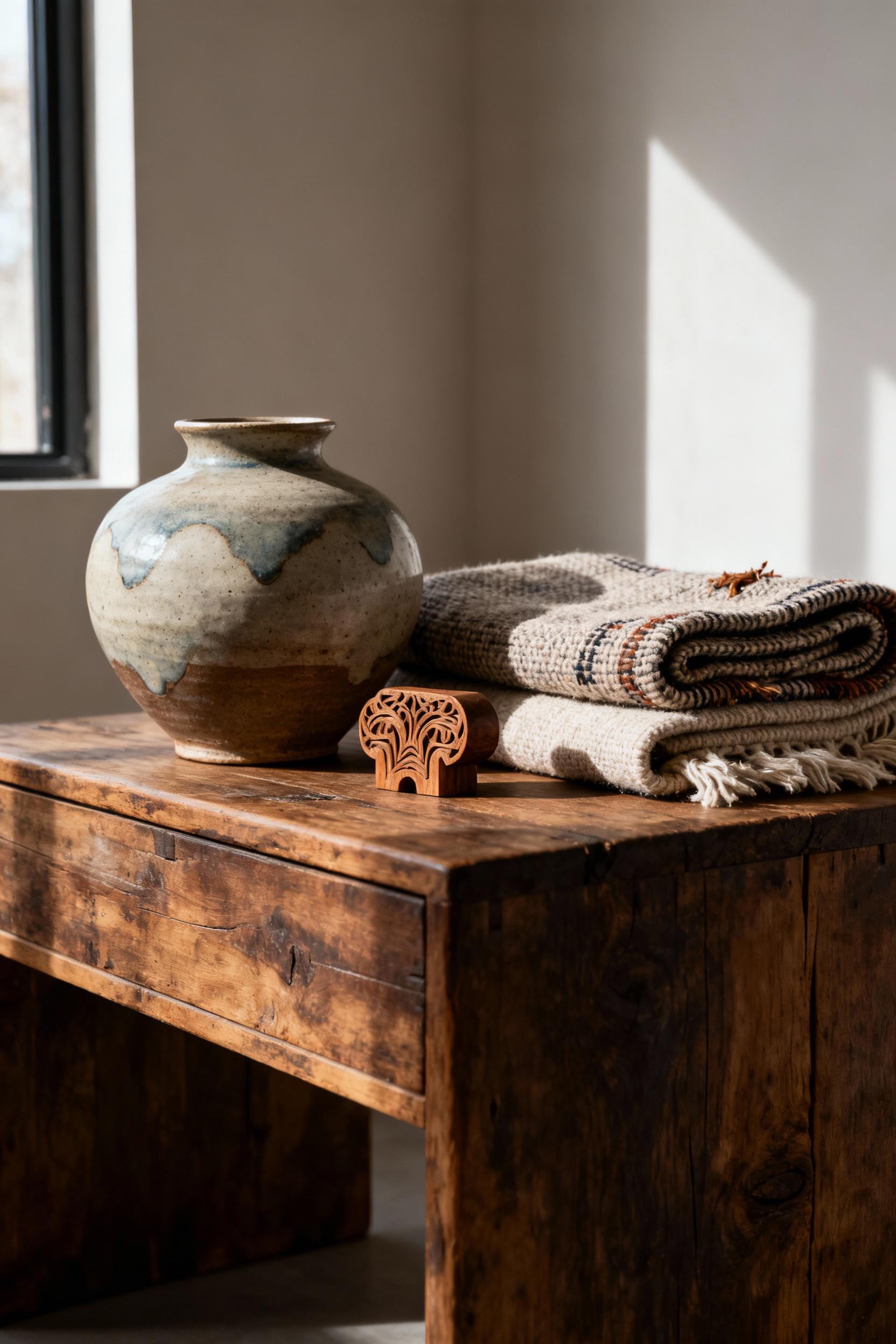
This isn’t about big, grand gestures. It’s about a deep appreciation for craftsmanship. When you curate these small moments of artistry throughout your space, your home becomes a tribute to skill, care, and authenticity. It’s these thoughtful, tactile details that make a rustic space feel not just decorated, but truly and soulfully alive.
Conclusion
As we’ve walked through these ideas, from laying the honest foundation to mastering the art of integration, my hope is that you see rustic design not as a set of rules, but as a heartfelt invitation. It’s an opportunity to create a sanctuary that celebrates imperfection, honors history, and tells your unique story. It’s about the quiet comfort of a room filled with pieces that have lived a life—the reclaimed wood beam, the hand-woven throw, the cherished antique.
The most enchanting rustic living rooms are those that feel collected over time, reflecting a life of curiosity, care, and connection. Trust your instincts. Start with one piece that speaks to you—maybe from a local artisan or a dusty corner of a flea market—and let your space evolve organically from there. May your home become a place of deep comfort and timeless warmth, a perfect, soulful reflection of you.