Most people believe that to genuinely modernize kitchen cabinets, you’re stuck between two choices: a gut-wrenching, expensive replacement or a weekend paint job that rarely lasts. Home renovation shows repeat this narrative. Here’s what they’re not telling you: After years of restoring mid-century gems and giving forgotten pieces a second act, I’ve personally saved hundreds of kitchens from the landfill, consistently proving that authentic, lasting style comes from working with what you have, not tearing it out.
These 20 strategies are my field notes—techniques I use to breathe new life into time-tested structures. Forget the idea that ‘modern’ means a sterile white box. We’re going to explore how to thoughtfully update your kitchen in a way that’s not just beautiful, but also kinder to our planet. It’s about smart design and honoring the craftsmanship of the past, turning your kitchen into a contemporary space that tells a story. We’ll start with the foundational work that sets the stage, move through intentional design choices that add character, and finish with advanced strategies that will make your kitchen a true reflection of you.
Essential Cabinet Modernization Fundamentals (Part 1)
Before you even think about dramatic changes, the secret to a successful and sustainable cabinet refresh lies in refining what’s already there. This is where we lay the groundwork, uncovering the hidden potential in your existing kitchen. Think of it as the thoughtful preparation that guarantees a beautiful result.
1. Reinvigorate Cabinet Faces with Expert Cleaning Protocols
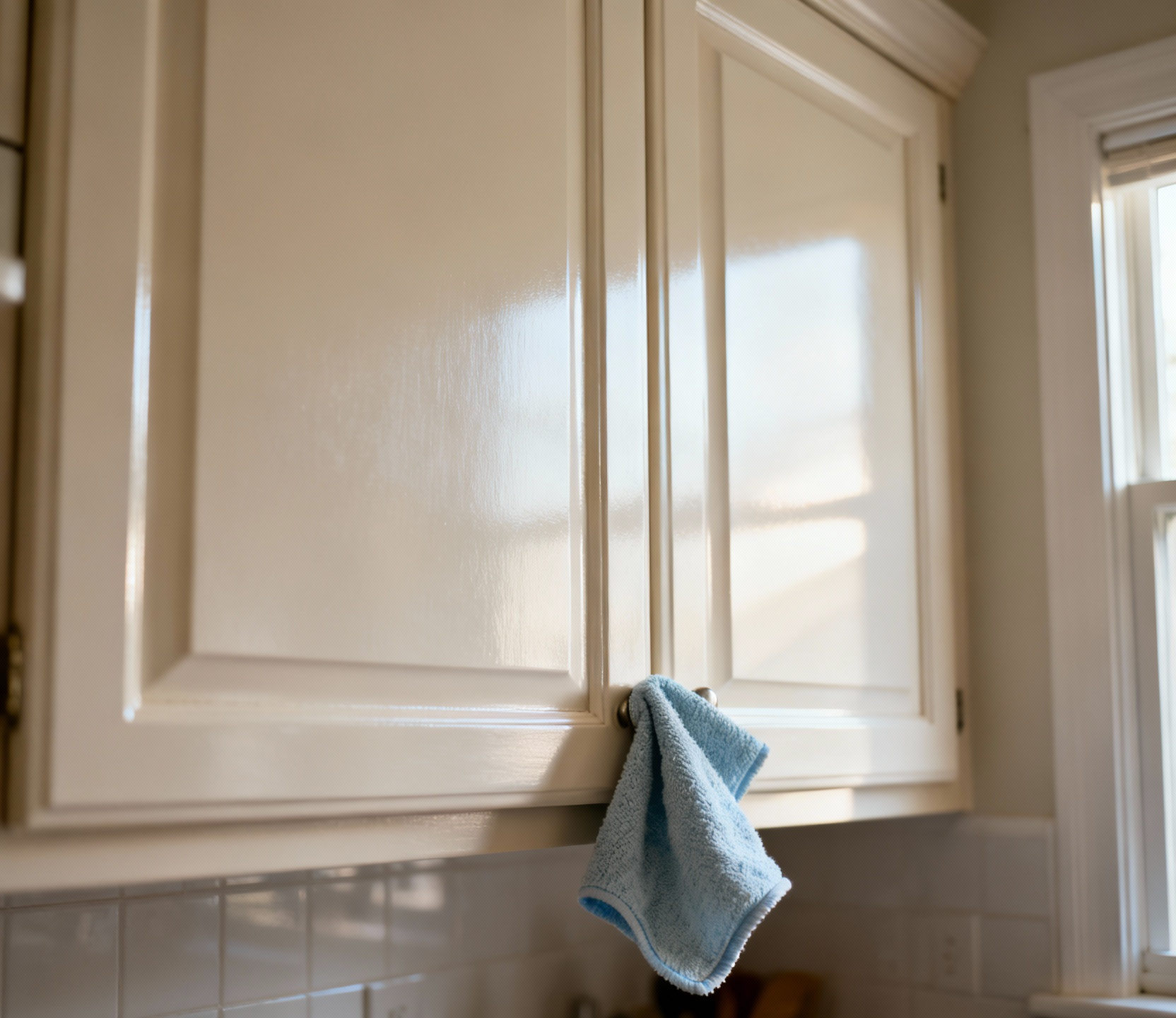
The first step in any of my restorations isn’t demolition—it’s archaeology. We start by gently stripping away the years of kitchen life. Grease, cooking residue, and grime build up a dull film that hides the true character of your cabinets. A quick wipe just won’t cut it. For wood, I use a simple mix of warm water, a few drops of dish soap, and a splash of white vinegar to dissolve that stubborn film. The key is to work in small sections and dry immediately to protect the wood.
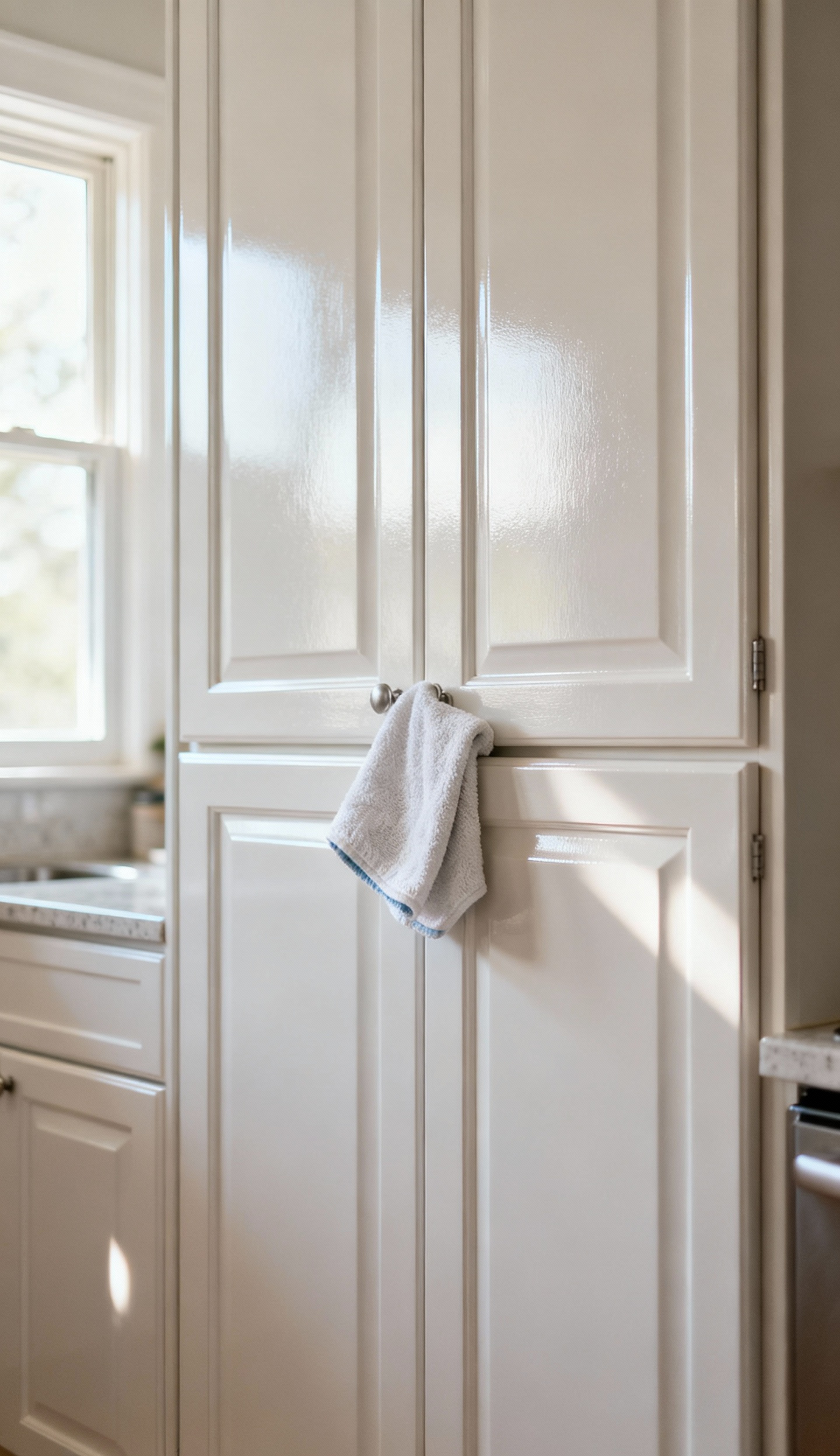
Once clean, you can truly assess what you have. I learned this when I found a set of 1960s walnut cabinets that looked hopelessly dark and drab. After a careful, deep cleaning, the original wood grain, rich and complex, came back to life. It was a stunning transformation without a single can of paint. For older painted surfaces, a magic eraser can gently lift scuffs, but always test it on a hidden spot first. This isn’t just cleaning; it’s an act of revealing your kitchen’s history.
2. Update Hardware: The Unsung Hero of Aesthetic Transformation
With your cabinet faces now gleaming, let’s talk about the jewelry of the kitchen: the hardware. Swapping out dated knobs and pulls is the quickest, most satisfying way to change the entire feel of your space. It’s a small change with an enormous impact. Think beyond the big box store and consider materials with character—brushed brass for warmth, matte black for a modern edge, or unlacquered brass that will develop a beautiful patina over time.
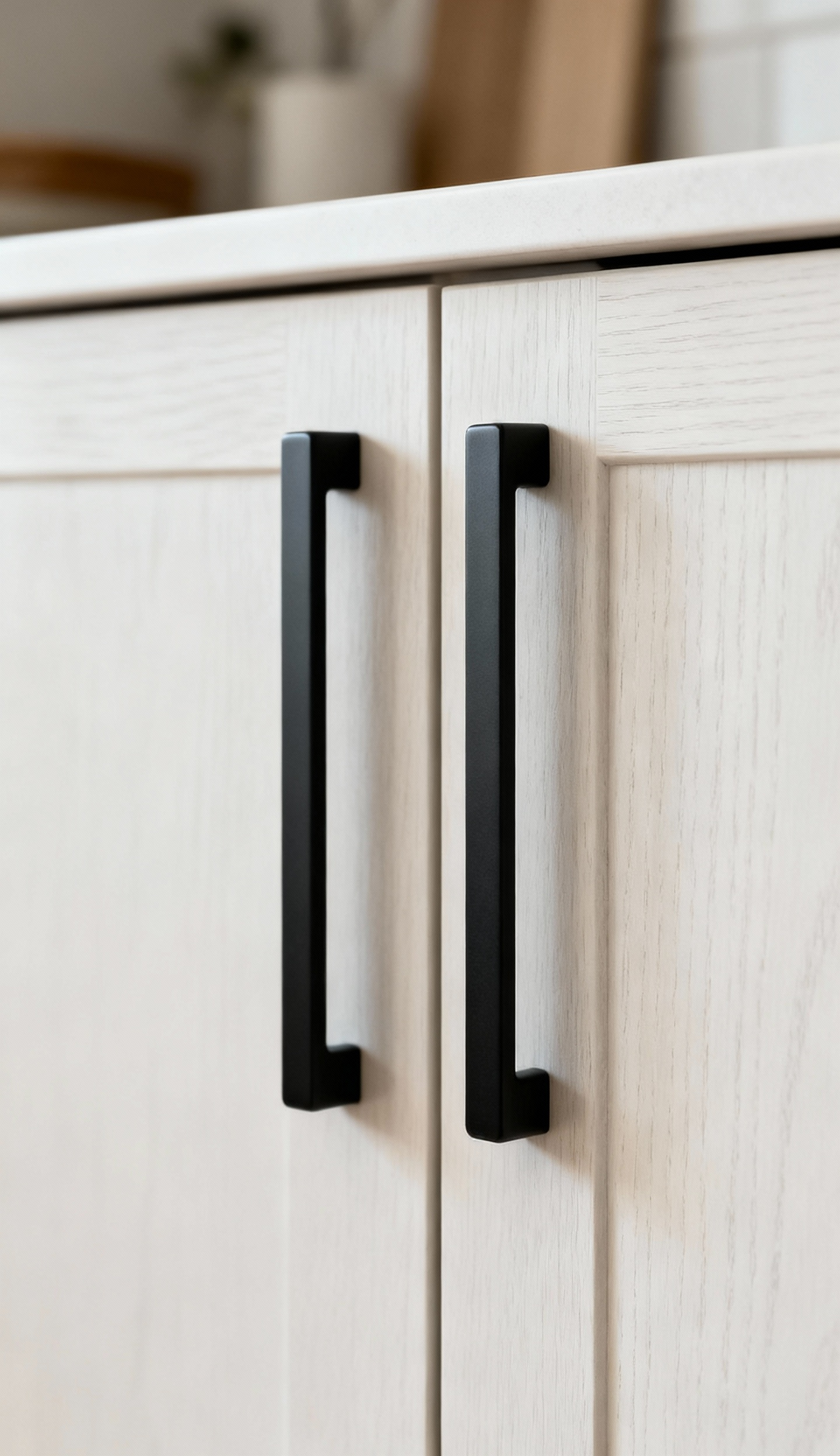
What I tell my readers is to think of hardware hunting as a treasure hunt. I’ve found incredible sets of vintage bakelite pulls and solid brass knobs at flea markets and salvage yards. These pieces not only add a unique story to your kitchen but also represent the ultimate in sustainable sourcing. And a pro tip: if the new hardware doesn’t match the old screw holes, look for pulls with a backplate. They add a layer of detail and elegantly cover any imperfections.
3. Introduce Strategic Lighting: Illuminating Inner and Outer Beauty
A beautifully restored cabinet deserves to be seen. Strategic lighting can completely transform the mood and functionality of your kitchen. Start simple with under-cabinet LED tape lighting. This is a non-negotiable for me—it illuminates your countertops, eliminating shadows and making prep work safer and more pleasant. It also adds a wonderful, warm glow to the whole room.
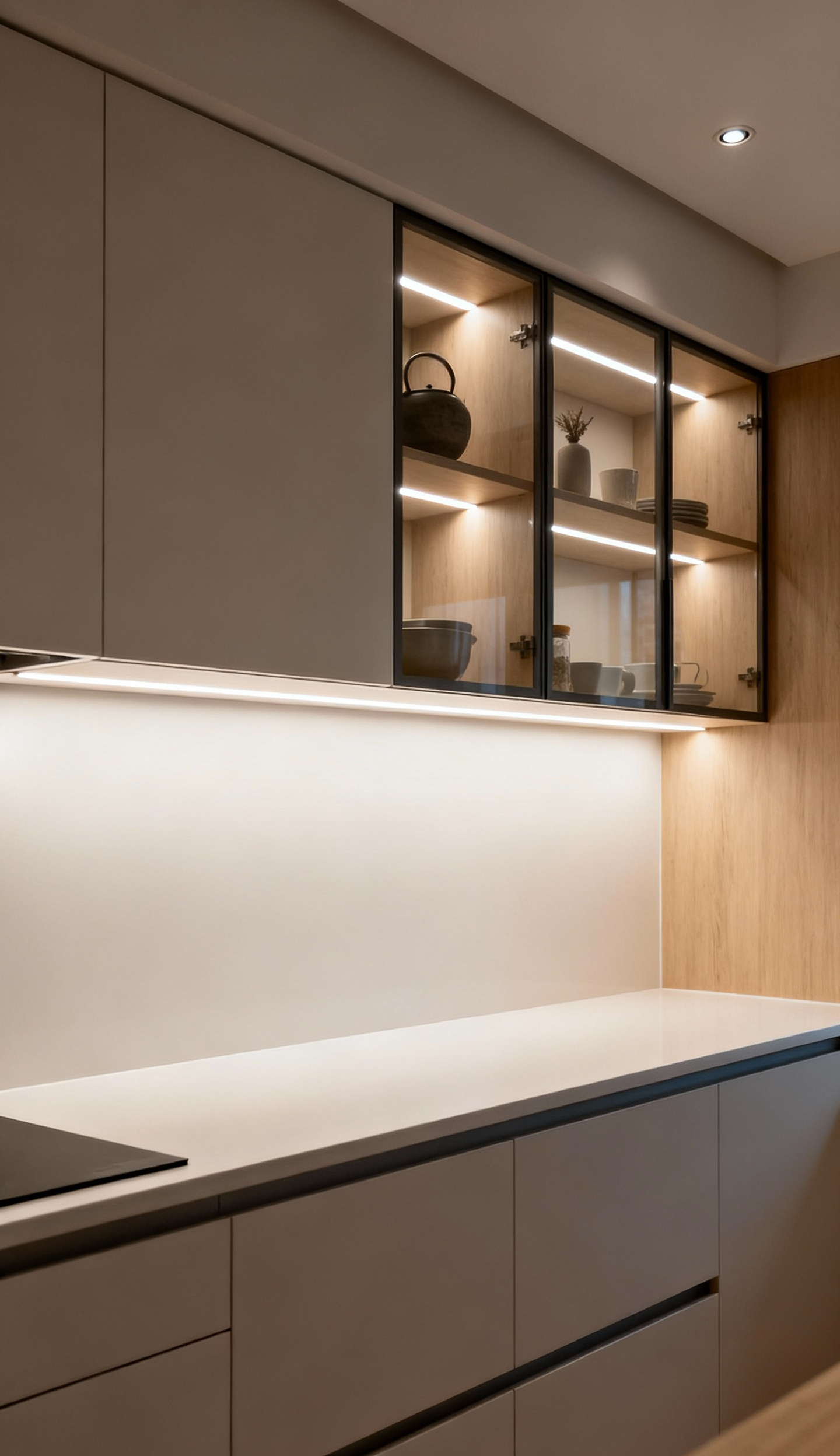
To take it a step further, consider in-cabinet lighting, especially if you plan to add glass-front doors. A soft light inside turns your everyday dishes into a curated display, adding depth and a sense of life to the kitchen. From my work in mid-century modern restoration, I’ve found that using warm white light (around 2700K) honors the natural materials and creates an inviting, cozy atmosphere that is so essential to a home. Lighting isn’t an afterthought; it’s the element that makes all your hard work shine.
4. Refine Inner Functionality with Thoughtful Organizers
A truly modern kitchen works as beautifully as it looks. The final foundational step is to bring order to the inside of your cabinets. Let’s be honest, chaotic drawers and deep, dark cabinets are a source of daily frustration. Before you invest in expensive systems, start by decluttering and thinking about how you actually use your kitchen. What needs to be within arm’s reach? What can be stored away?
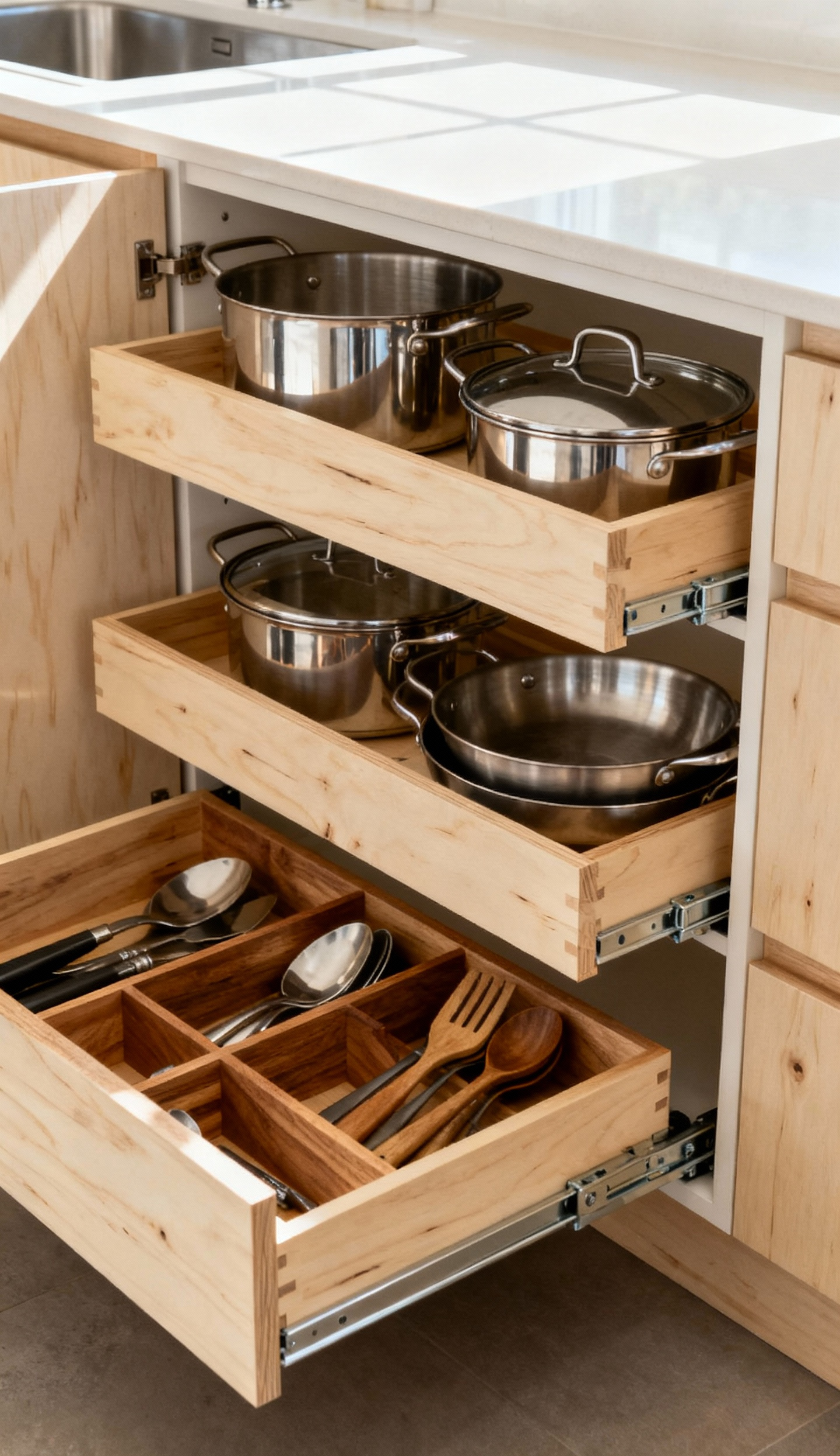
Once you have a plan, you can introduce smart solutions. Think pull-out shelves for deep base cabinets (no more getting on your knees to find a pot), drawer dividers for utensils, and a tiered spice rack that lets you see everything at a glance. In my experience with vintage revival, I love how you can retrofit older, solidly-built drawers with these modern conveniences. It’s the perfect marriage of past and present—honoring the sturdy craftsmanship of an old piece while making it work perfectly for today’s needs.
Essential Cabinet Modernization Fundamentals (Part 2)
So many people believe a paintbrush is a magic wand. But the truth is, a beautiful, lasting finish is 90% preparation. This is the part of the process where patience and care pay off tenfold. Skipping these steps is a guarantee for peeling paint and regret down the road. Let’s do it right.
5. Execute Flawless Surface Preparation for Lasting Finishes
I can’t stress this enough: preparation is everything. Before you even think about primer or paint, you have to give your new finish a perfectly clean, stable surface to cling to. It all begins with a rigorous degreasing. Kitchens are hardworking spaces, and a thin, invisible layer of cooking oil settles on every surface. Use a good degreaser to scrub everything down, getting into all the corners and details. Any residue left behind will prevent your paint from bonding properly.
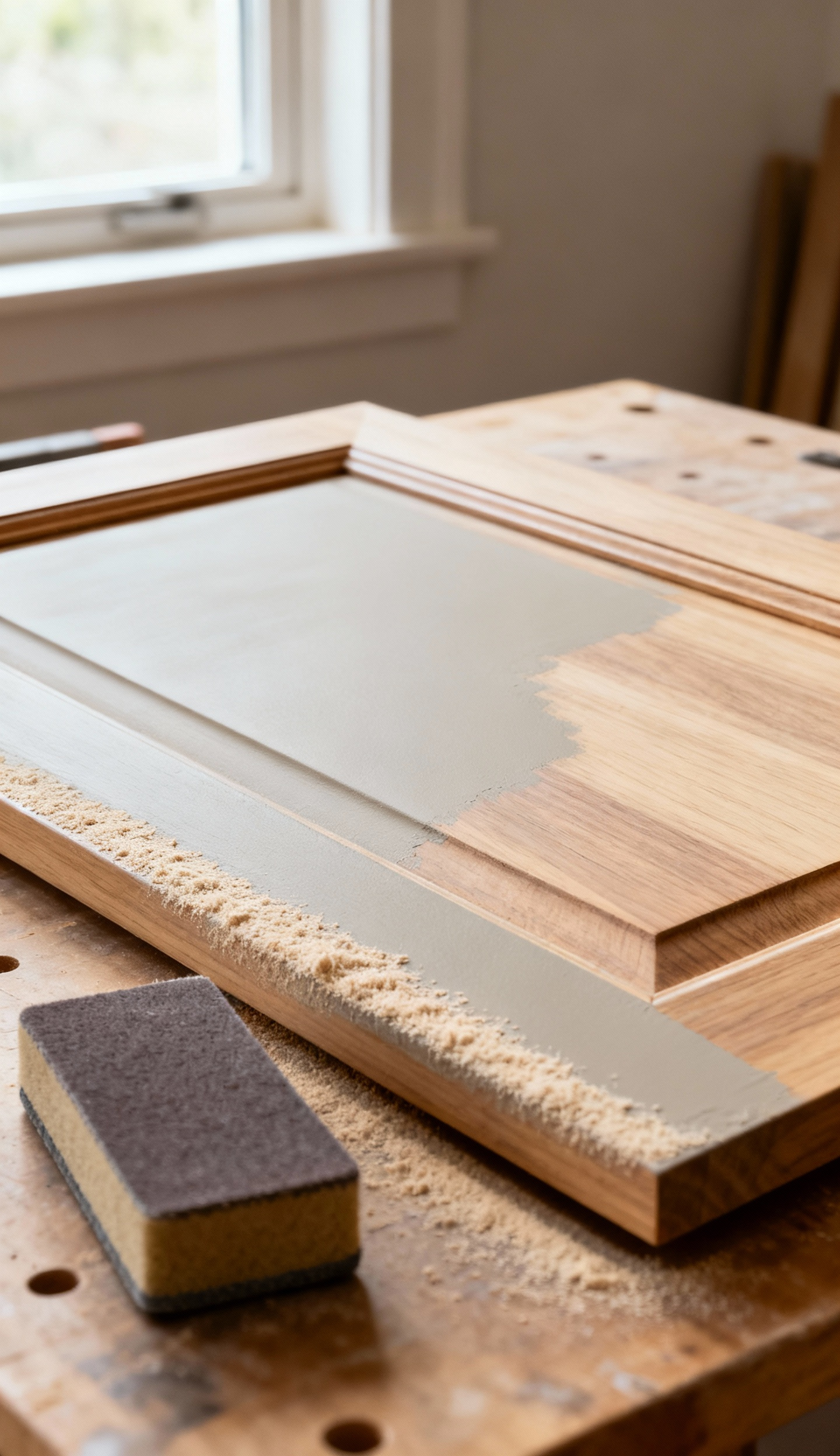
Next comes sanding. The goal isn’t to strip the old finish completely, but to scuff up the surface and give it some “tooth” for the primer to grip. For most surfaces, a medium-grit sandpaper (around 150) followed by a fine-grit (220) is perfect. Now, let’s talk primer. In my vintage modern revival practice, I’ve seen countless paint jobs fail because of skipped primer. If you’re painting over dark wood, a stain-blocking primer is essential to prevent tannins from bleeding through and yellowing your beautiful new color. Taking the time for these steps is an act of respect for the materials and your own hard work.
Elevating Your Kitchen Cabinet Approach with Intentional Design (Part 1)
Now that our foundation is solid, we can start to play with design. This is where we move beyond simple updates and begin to intentionally shape the character of your kitchen. These strategies are about making thoughtful choices that honor your home’s architecture while bringing in a fresh, modern perspective.
6. Re-Imagining Cabinet Door Profiles with Decorative Trims and Panels
You don’t need new doors to get a new look. If you have plain, flat-panel cabinet doors, you have a perfect blank canvas. One of the most effective ways to add character is by applying simple wood trim to create a shaker-style frame. It’s a timeless look that instantly elevates a basic door, and it’s a project that is completely achievable for a DIYer with a miter saw and some wood glue.
For a different feel, consider adding beadboard panels to the center of your doors for a cozy, cottage-inspired look. Or, if your home leans more traditional, you could add raised panel overlays. I’ve noticed that this technique works wonders on older, solid-wood doors that are structurally sound but stylistically dated. By working with the existing door, you’re not just saving money and reducing waste—you’re adding a layer of custom craftsmanship that looks incredibly high-end.
7. Employing Bi-Color Schemes for Dynamic Visual Interest
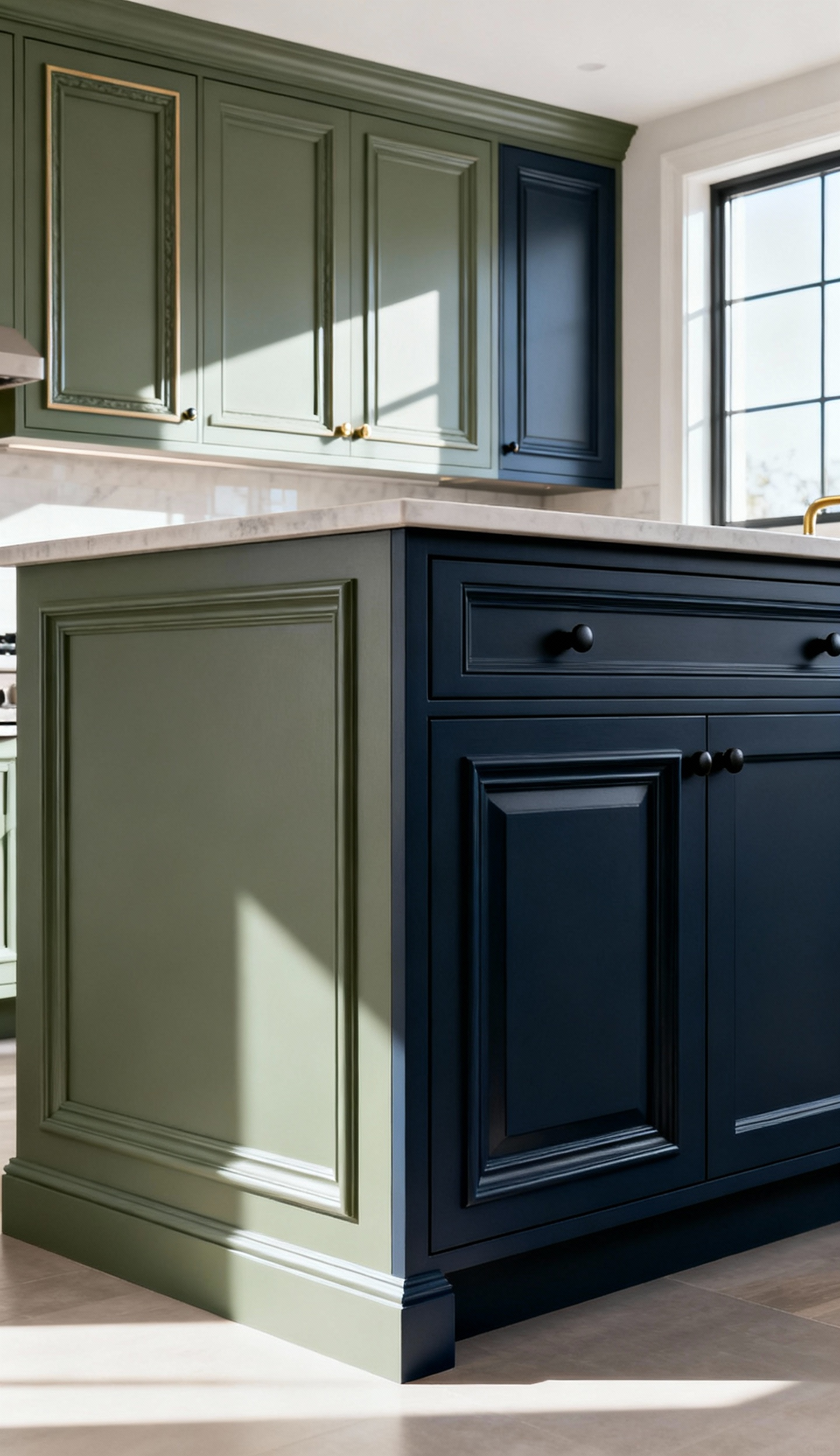
A two-tone kitchen is a fantastic way to add depth and personality. The classic approach is to paint the lower cabinets a darker, grounding color and the upper cabinets a lighter, airier shade. This is a brilliant trick for making a space feel larger and taller, as the lighter uppers seem to recede. It’s a designer move that is surprisingly easy to pull off.
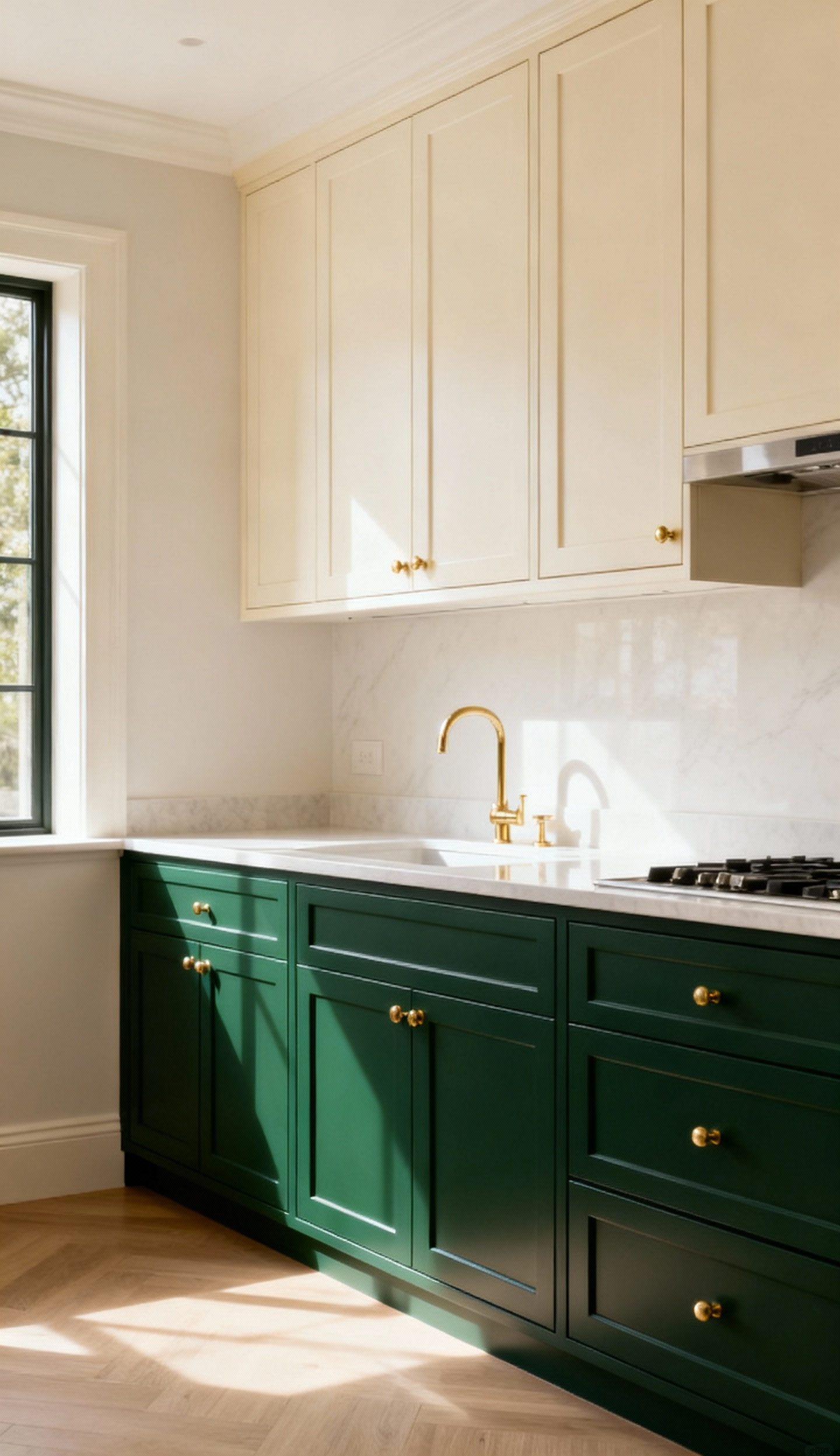
But don’t stop there. Think about using a bold, contrasting color on a kitchen island to turn it into a true focal point. Or perhaps a single wall of tall pantry cabinets could be painted in a deep, moody hue to create a dramatic statement. From my work in mid-century modern restoration, I often recommend pairing painted uppers with stained wood lowers. This allows you to keep the warmth and beauty of the original wood while brightening up the overall space—a perfect balance of old and new.
8. Integrating Open Shelving for an Airy, Contemporary Feel
Sometimes, the most powerful design move is subtraction. Removing a few upper cabinets and replacing them with open shelving can completely transform the feel of your kitchen, making it feel more open, personal, and contemporary. Start small by taking down a single cabinet, perhaps one flanking a window, and see how it instantly opens up the space.
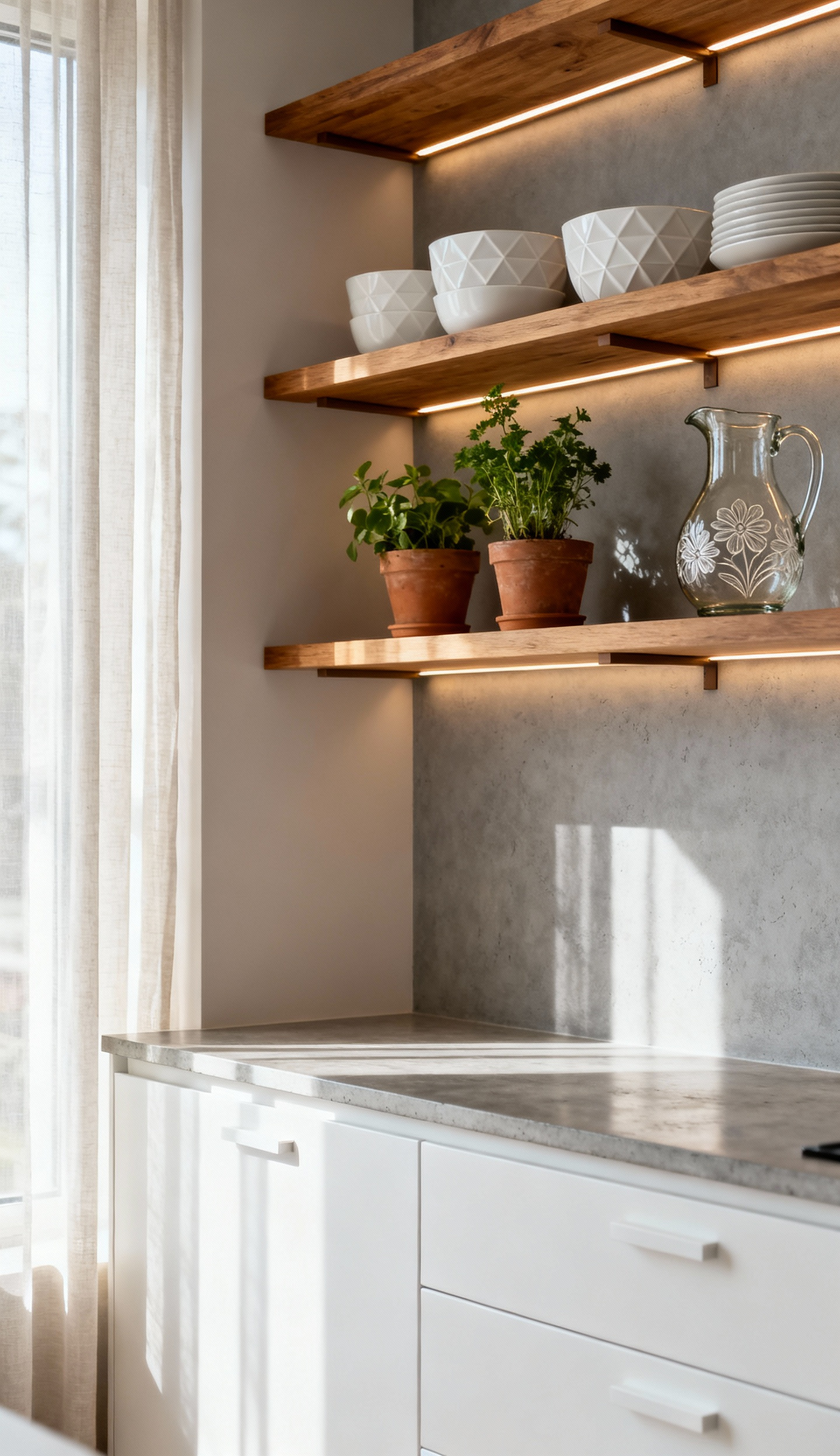
The key to successful open shelving is curation. Use these shelves to display your most beautiful and frequently used items—a stack of everyday dishes, a collection of handmade mugs, your favorite cookbooks. Choose shelf materials that complement your design. I love using thick, reclaimed wood for a warm, rustic feel, or slim metal shelves for a more industrial look. By removing some doors, you invite light and life into your kitchen, turning everyday objects into part of the decor.
9. Strategic Cabinet Removal to Expand Visual Flow
Taking the idea of subtraction a step further, consider removing a larger section of upper cabinets altogether. This is a bold move, but it can be truly transformative, especially in smaller kitchens or those that feel dark and closed-off. Imagine removing all the upper cabinets from the wall with your sink and replacing them with a beautiful backsplash that goes all the way to the ceiling and a single, sculptural sconce.
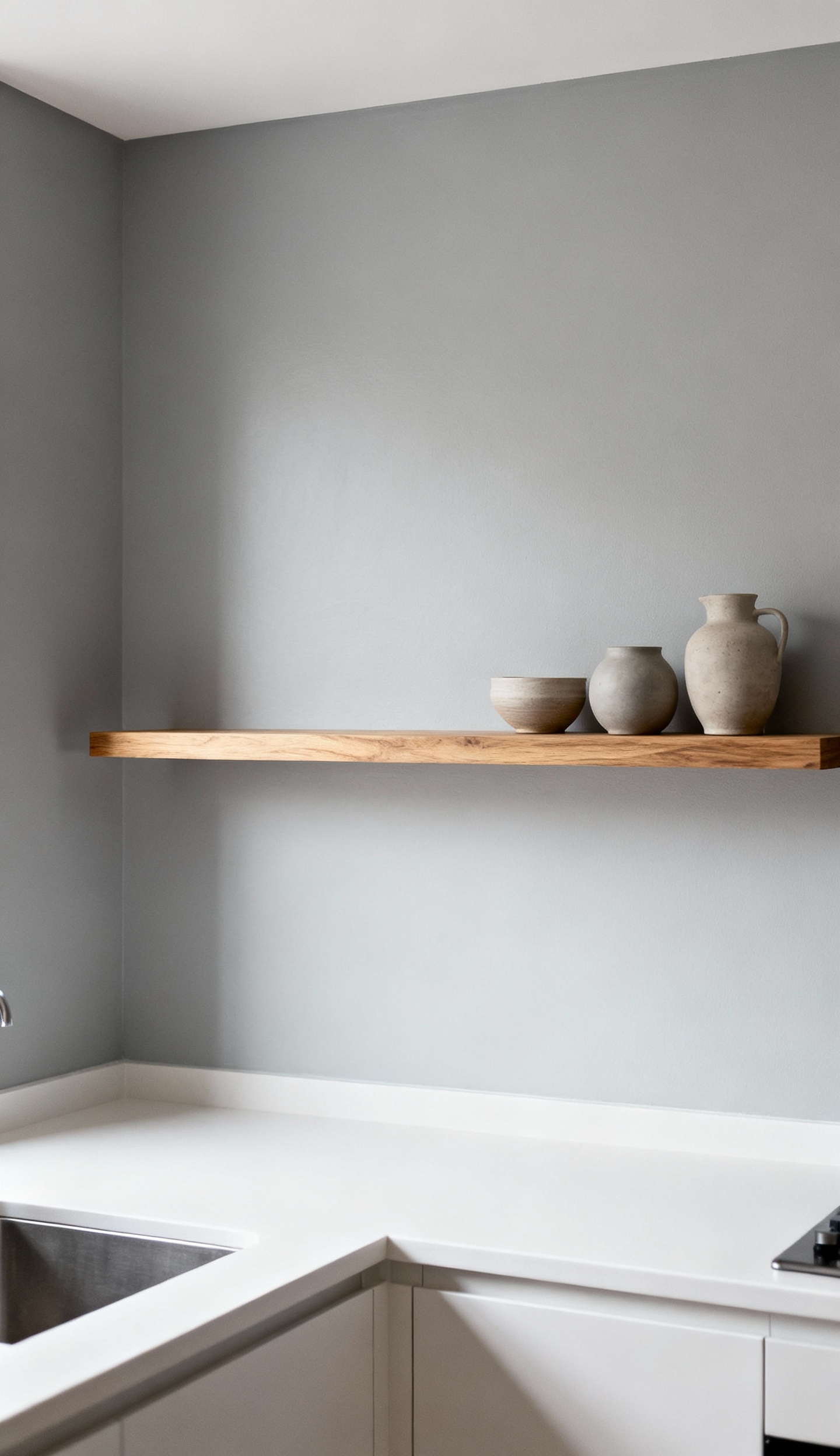
What really gets me about this approach is how it challenges our assumptions about how much storage we actually need. By strategically removing some cabinets, you force yourself to be more intentional about what you keep. This isn’t about losing storage; it’s about gaining light, space, and a sense of calm. The kitchen becomes less of a storage locker and more of a living space—a modern approach to design that prioritizes feeling over pure function.
Elevating Your Kitchen Cabinet Approach with Intentional Design (Part 2)
As we continue to build on our foundations, we’ll now focus on the details that truly set a custom kitchen apart. These are the elements that create a seamless, integrated look, proving that high-end design is all about thoughtful choices, not a high price tag.
10. Concealing Appliances within Integrated Paneling for Cohesion
One of the biggest giveaways of a standard kitchen is a sea of clashing appliances. A stainless steel dishwasher next to a black oven next to a white refrigerator can create a lot of visual noise. The solution? Integrated paneling. By covering your panel-ready appliances with custom fronts that match your cabinetry, they virtually disappear, creating a clean, uninterrupted wall of beautiful millwork.
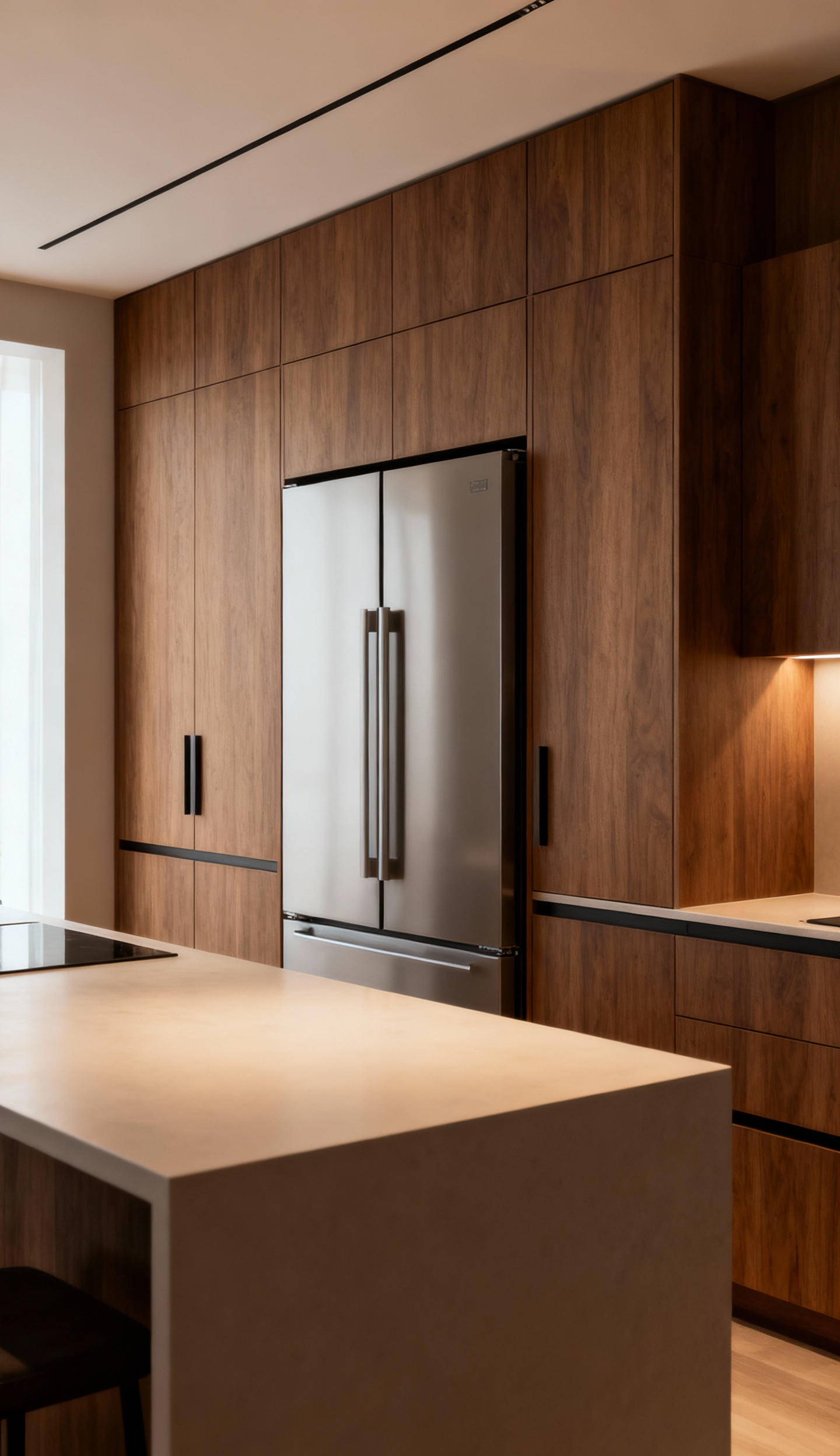
This approach is a cornerstone of high-end design, but it’s becoming more accessible. It instantly elevates the entire space, making it feel more like a cohesive piece of furniture than a collection of parts. For an even more integrated look, consider designing an “appliance garage” with pocket doors that can hide your microwave, toaster, and coffee maker, keeping your countertops beautifully clear. It’s a sophisticated move that honors the clean lines beloved in mid-century design.
11. Updating Kickplates and Toe-Kicks for a Polished, Custom Finish
Here’s a detail that most people never think about, but it makes all the difference: the toe-kick. This is the recessed space at the bottom of your base cabinets. Often, it’s covered with a cheap, flimsy material that easily gets scuffed and damaged. Upgrading this single element can make your cabinets look like custom-built furniture.
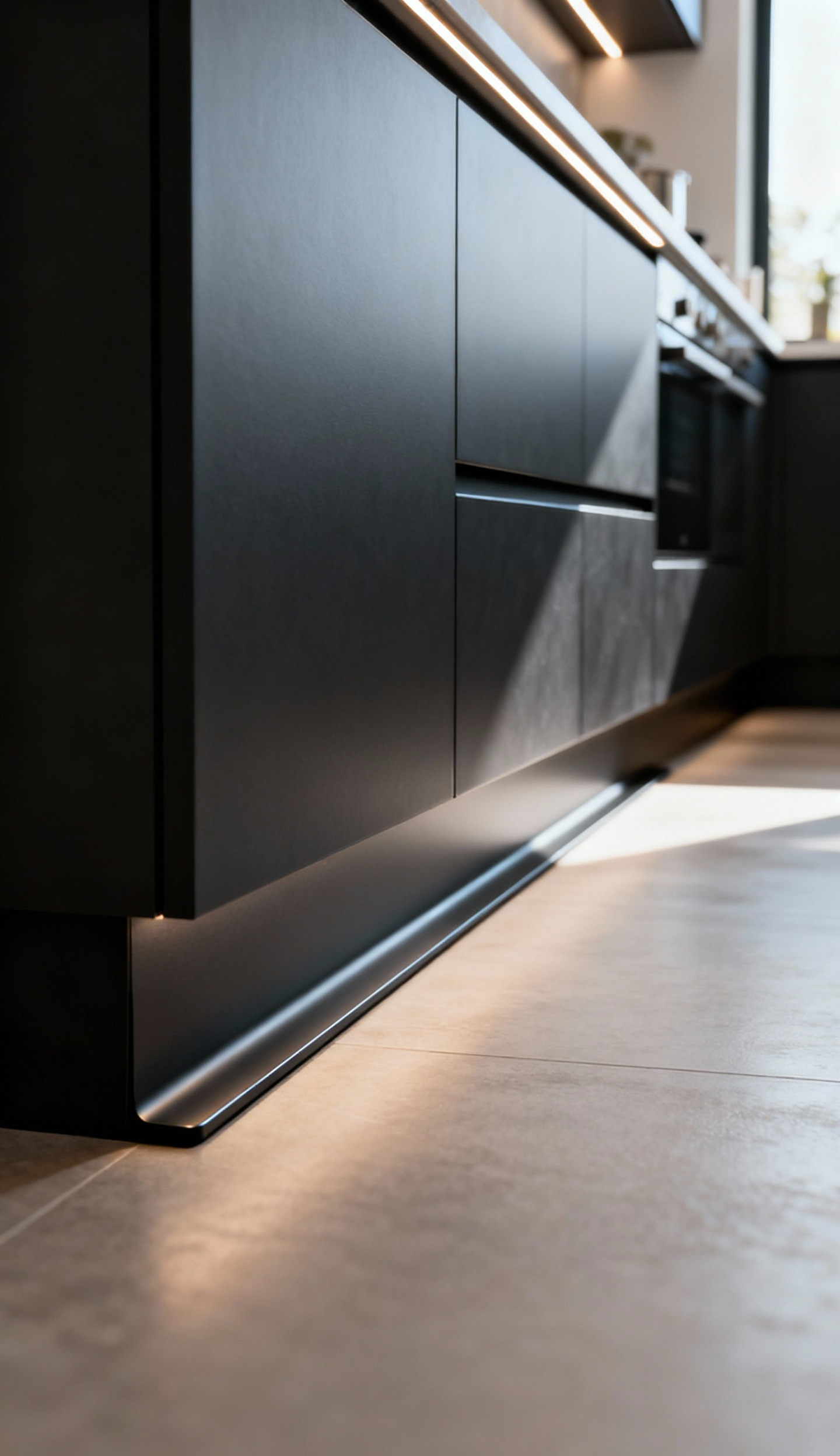
Instead of a standard toe-kick, consider using the same material as your cabinets for a seamless look. Or, for a more dramatic effect, you could use a contrasting material like brushed metal to tie in with your appliances. I’ve even seen some brilliant designs that incorporate hidden, flat drawers into the toe-kick space—perfect for storing baking sheets or platters. It’s these small, thoughtful details that signal true quality and craftsmanship.
Advanced Strategies for Holistic Cabinet Integration (Part 1)
Now we’re moving into the really transformative ideas. This is where we stop thinking about cabinets as just boxes on a wall and start seeing them as versatile building blocks for a truly custom space. This is where sustainability meets high design.
12. Mastering Cabinet Repurposing: From Base to Built-in Functionality
This is where the real fun begins. I see old cabinets not for what they are, but for what they could become. That awkward base cabinet in the corner? With a reinforced top and a beautiful cushion, it could be the foundation for a cozy breakfast nook banquette. A couple of old upper cabinets, stacked and secured, could become a chic, shallow pantry in a hallway.
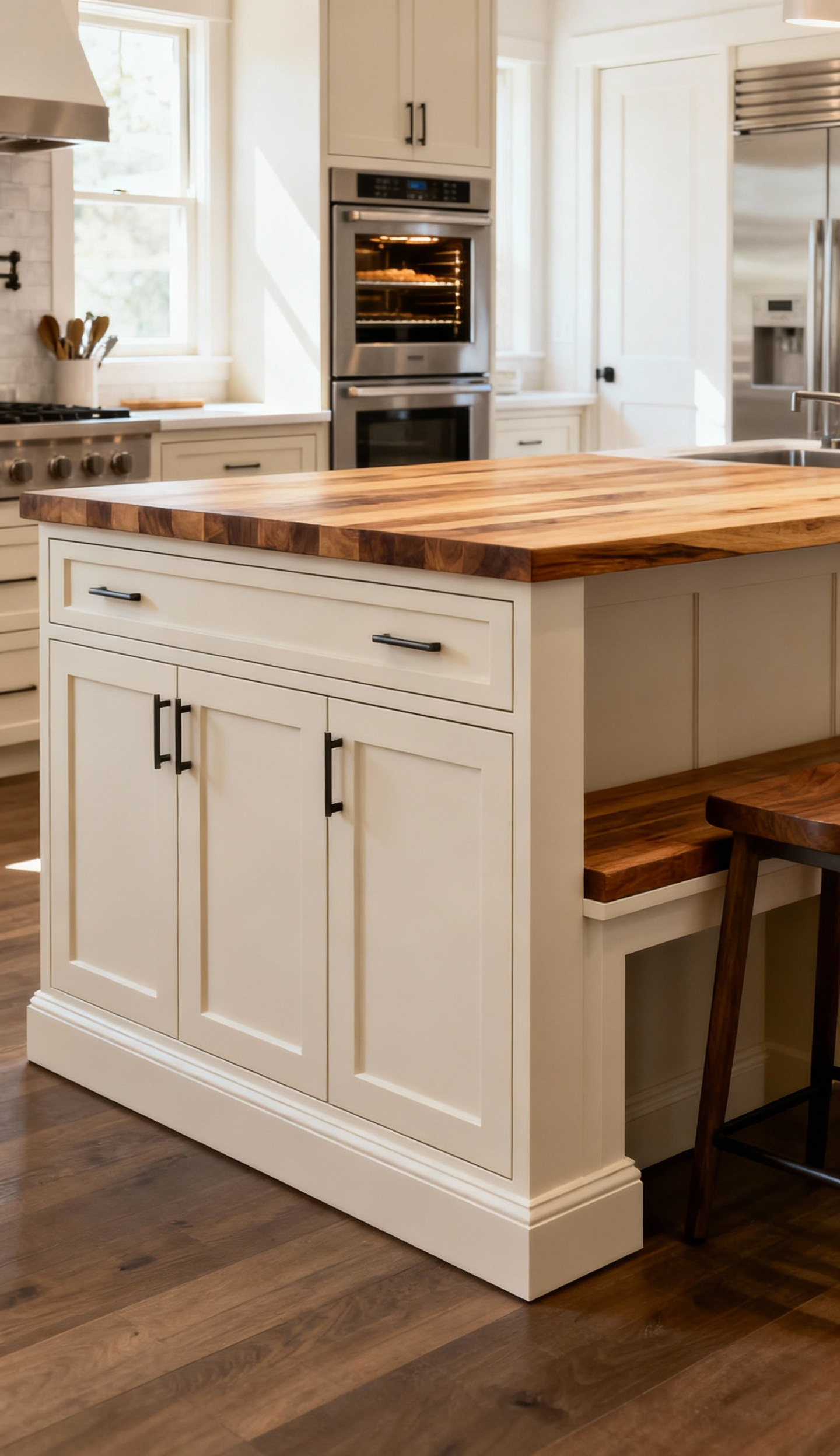
In my vintage modern revival practice, I constantly look for ways to give old pieces a new purpose. I once took a set of discarded 1950s steel kitchen cabinets and repurposed them into an incredible storage unit for a home office. It’s about looking at the solid construction of these older pieces and reimagining their function. This approach is the heart of sustainable design—it saves a beautiful, well-made piece from the landfill and gives you a truly one-of-a-kind feature for your home.
13. Specifying Sustainable Finishes: Low VOCs and Eco-Conscious Choices
The finish you choose has a huge impact not just on the look of your kitchen, but on the health of your home. Traditional paints and lacquers can off-gas Volatile Organic Compounds (VOCs) for years, polluting your indoor air. Today, there are so many incredible low-VOC and zero-VOC options that perform just as well, if not better.
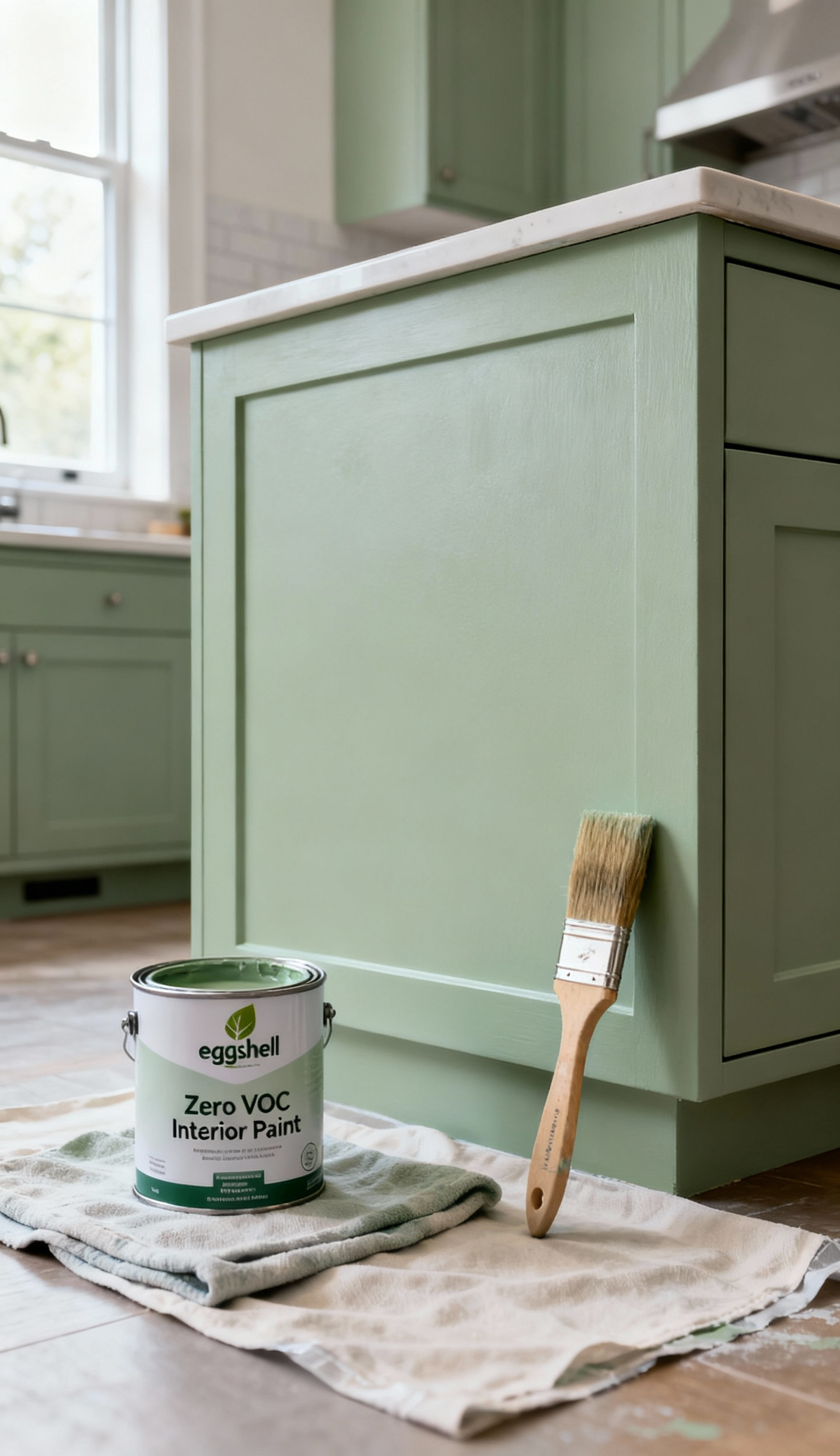
But we can go even further. Look into finishes made from natural, renewable resources. Milk paint, made from milk protein and lime, gives a beautiful, velvety matte finish that is perfect for a vintage look. Natural oil finishes, like tung oil or linseed oil, penetrate the wood to protect it from within, creating a warm, hand-rubbed look that is easy to repair. Choosing these healthier, more sustainable finishes is a way to ensure that your modernized kitchen is beautiful both inside and out.
14. Employing Cabinet Extension Techniques for Enhanced Vertical Storage
Look up. Do you have a gap between the top of your cabinets and the ceiling? That’s not just a dust-collecting dead zone—it’s valuable storage real estate. By building simple boxes on top of your existing cabinets and adding a unifying piece of crown molding at the ceiling, you can create the look of custom, floor-to-ceiling cabinetry.
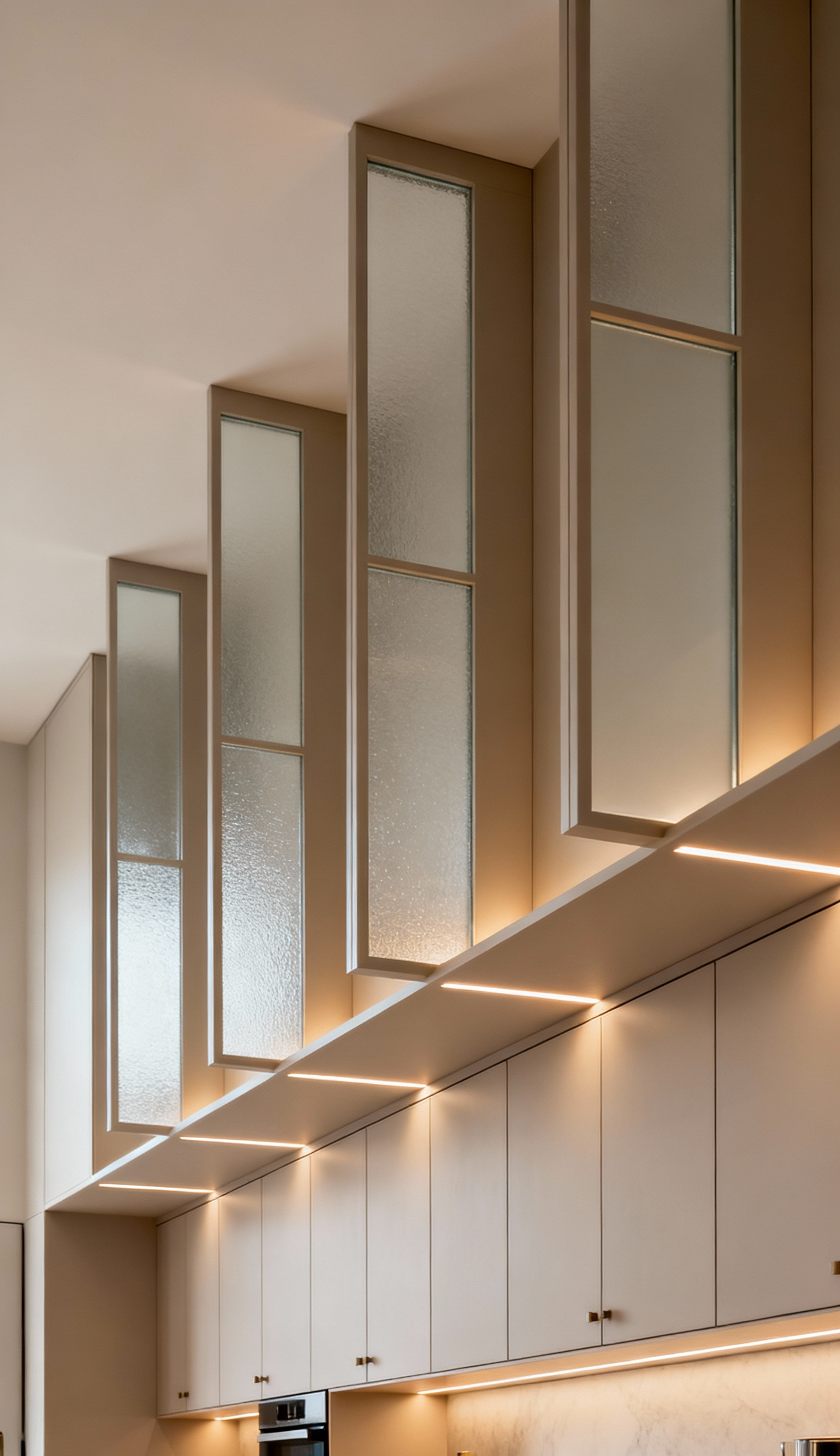
This is a fantastic way to add storage for lesser-used items like holiday platters or special occasion glassware. It also makes your kitchen feel taller and more grand. To make it feel truly integrated, you can even order new, taller doors that cover both the original cabinet and the new extension, creating a completely seamless facade. This is a professional trick that makes a huge architectural impact without the cost of a full custom build-out.
15. Customizing Drawer Interiors with Bespoke Storage Solutions
Let’s bring the same level of care and intention to the inside of our drawers. A truly modern kitchen is an organized one. You can move beyond generic plastic trays and create custom drawer inserts that are perfectly tailored to your needs. Using thin strips of plywood or hobby wood, you can design a layout that has a specific home for everything, from your silverware to your spice jars.
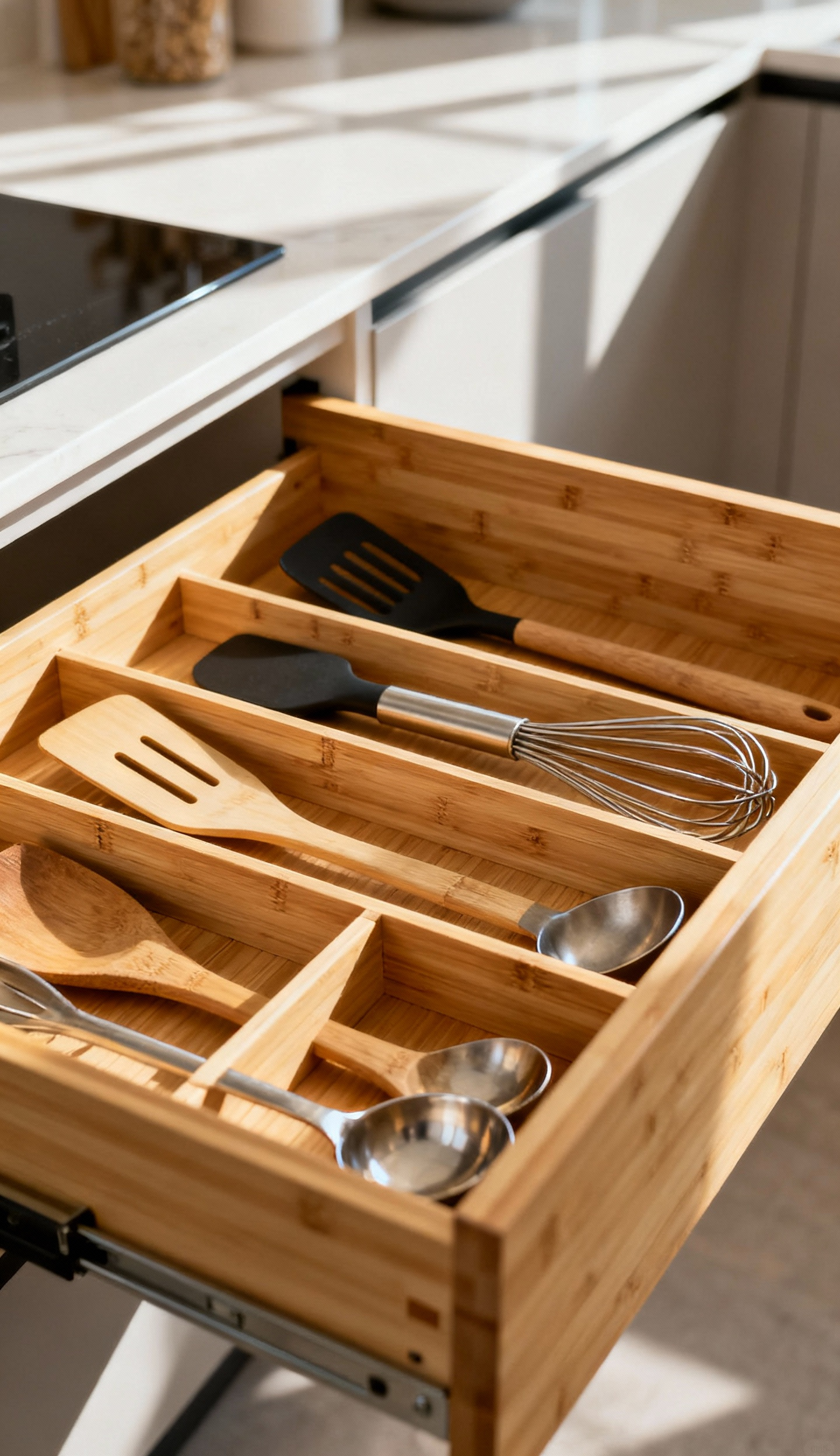
My favorite trick is to create a custom knife block insert in the drawer right next to my prep area. It keeps my knives safe and sharp, and my countertops clear. For deep drawers, consider a pegboard system with movable dowels that can be reconfigured to hold pots, pans, and lids of any size. Creating these bespoke solutions is incredibly satisfying. It turns the simple act of opening a drawer into a small moment of joy and order.
Advanced Strategies for Holistic Cabinet Integration (Part 2)
We’re pushing further now, looking at how the entire kitchen system works together. It’s about seeing your cabinets not just as storage, but as active participants in the daily life of your home. This is where we make our kitchens work smarter, not just look newer.
16. Redefining Cabinet Layouts to Optimize Workflow Triangles
The classic “kitchen triangle”—the path between the sink, stove, and fridge—is a great starting point, but modern kitchens are more complex. We now have coffee stations, homework zones, and recycling centers. The key is to think about your kitchen in terms of “zones” and use your cabinets to support the workflow in each area. For example, store your mugs, coffee, and sugar in the cabinet directly above your coffee maker. Keep pots, pans, and cooking utensils in the drawers right next to the stove.
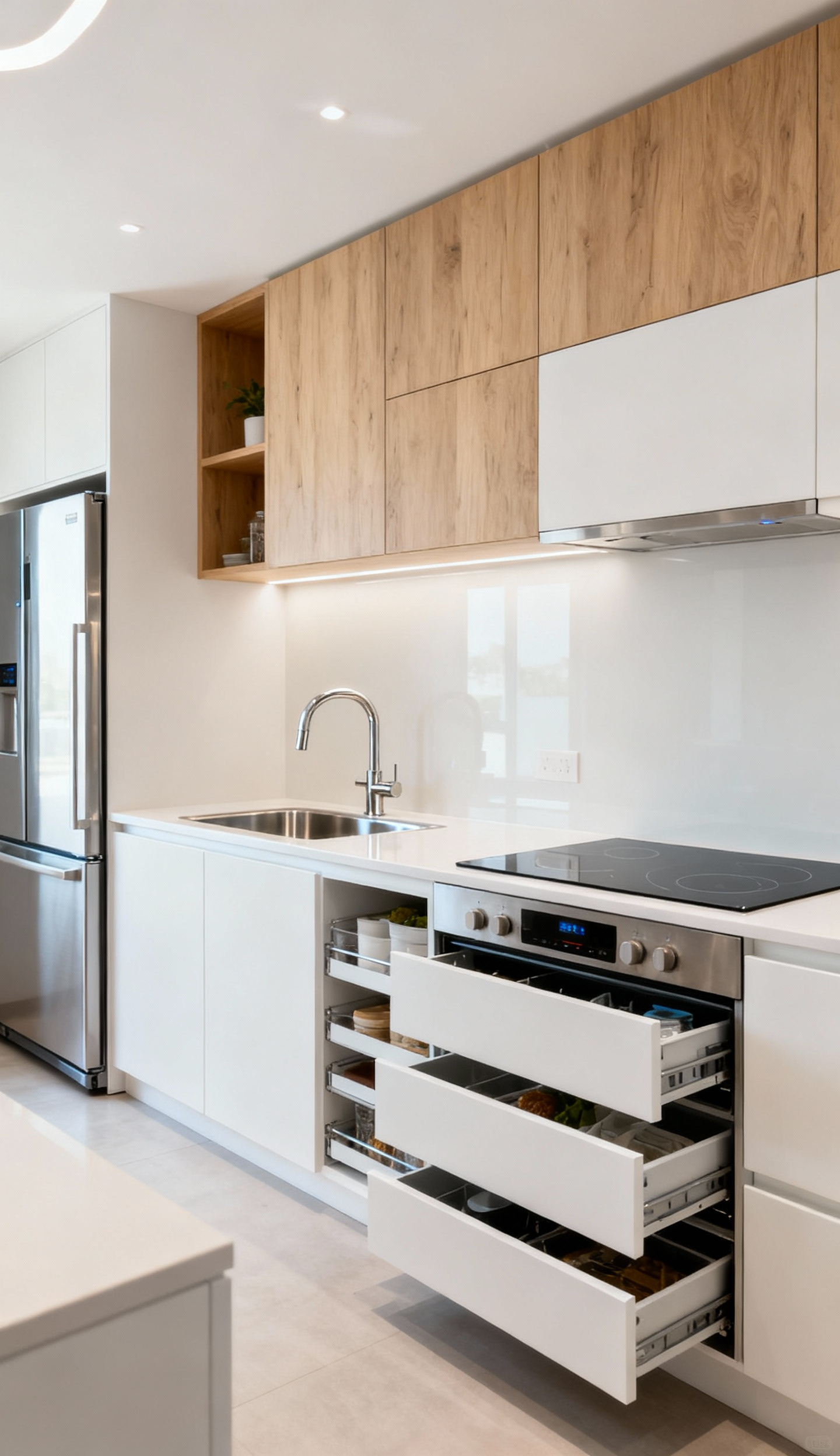
This may seem obvious, but I’ve learned that you can often dramatically improve your kitchen’s flow without moving a single wall, just by thoughtfully reorganizing your cabinets. I encourage clients to spend a week paying close attention to their movements in the kitchen. Where do you find yourself walking back and forth unnecessarily? A simple reorganization based on these observations can make your kitchen feel ten times more efficient. It’s a completely free upgrade that has a massive impact on your daily life.
Mastering Kitchen Cabinet Transformation for Enduring Value
Here, we explore the final touches—the nuanced, master-level strategies that create a kitchen with true longevity. These ideas are about integrating thoughtful technology and ergonomic design to create a space that is not only beautiful today, but a joy to live in for years to come.
17. Integrating Smart Technology for Enhanced Cabinet Access and Control
When I talk about technology, I’m not talking about flashy gadgets. I’m talking about simple, brilliant solutions that make life easier. Motion-activated lights that turn on when you open a deep pantry door are a game-changer. A touch-latch mechanism that allows you to open an upper cabinet with a gentle nudge when your hands are full is a small luxury you’ll appreciate every day.
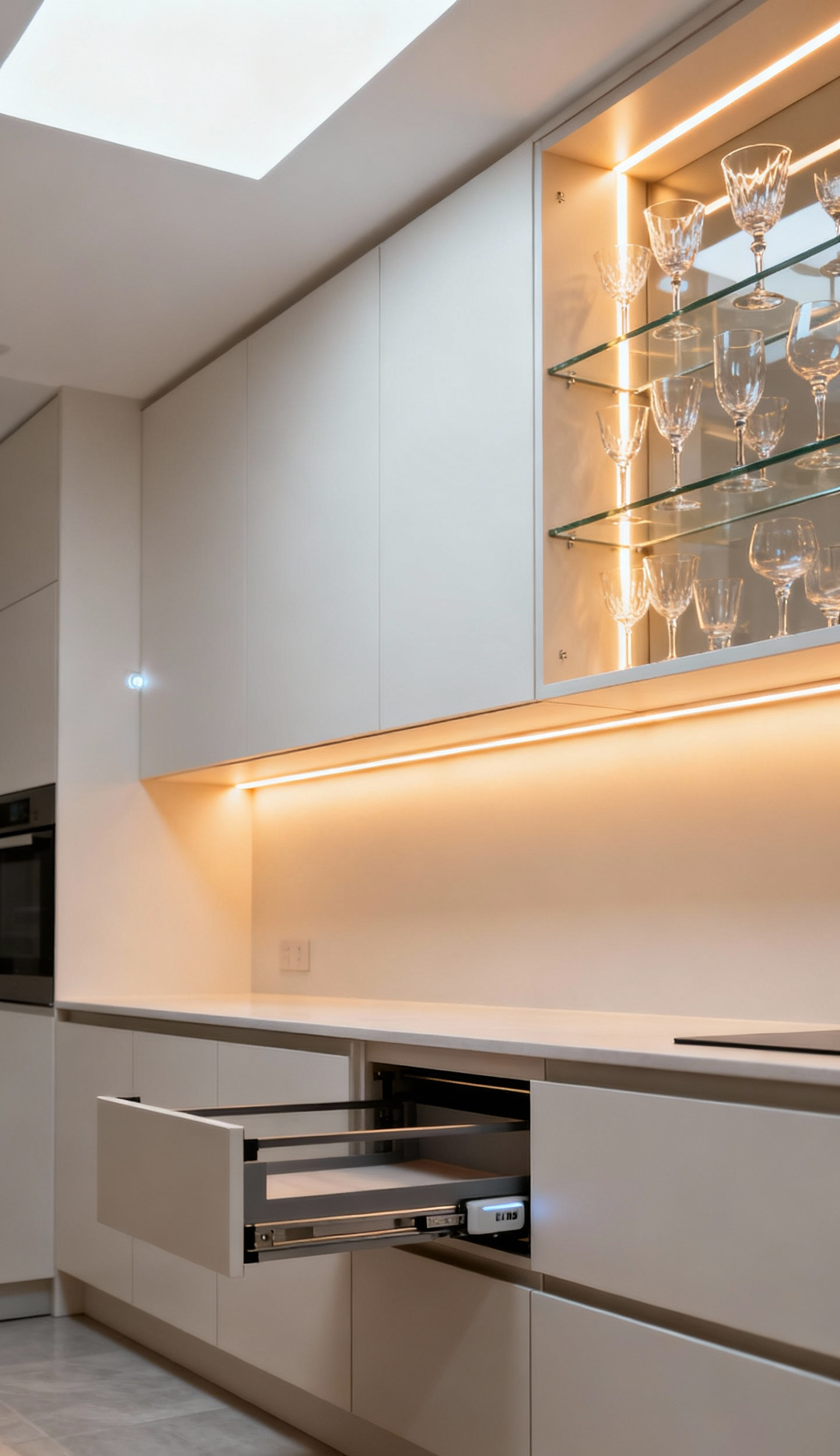
For a truly sophisticated touch, consider motorized lift systems that can lower an upper cabinet or shelf down to counter height. This is an incredible feature for accessibility, making it easy for everyone in the household—from children to those with mobility challenges—to reach what they need. What I tell my clients is to think of technology as a silent partner in the kitchen, a tool that enhances functionality without screaming for attention.
18. Implementing Cabinet Door Conversion for Glass-Fronted Displays
As we discussed with open shelving, breaking up a long wall of solid cabinet doors can make your kitchen feel lighter and more personal. If you’re not ready for fully open shelves, converting a few solid doors to glass fronts is the perfect solution. It offers a glimpse of what’s inside, adding depth and a decorative element while still protecting your items from dust.
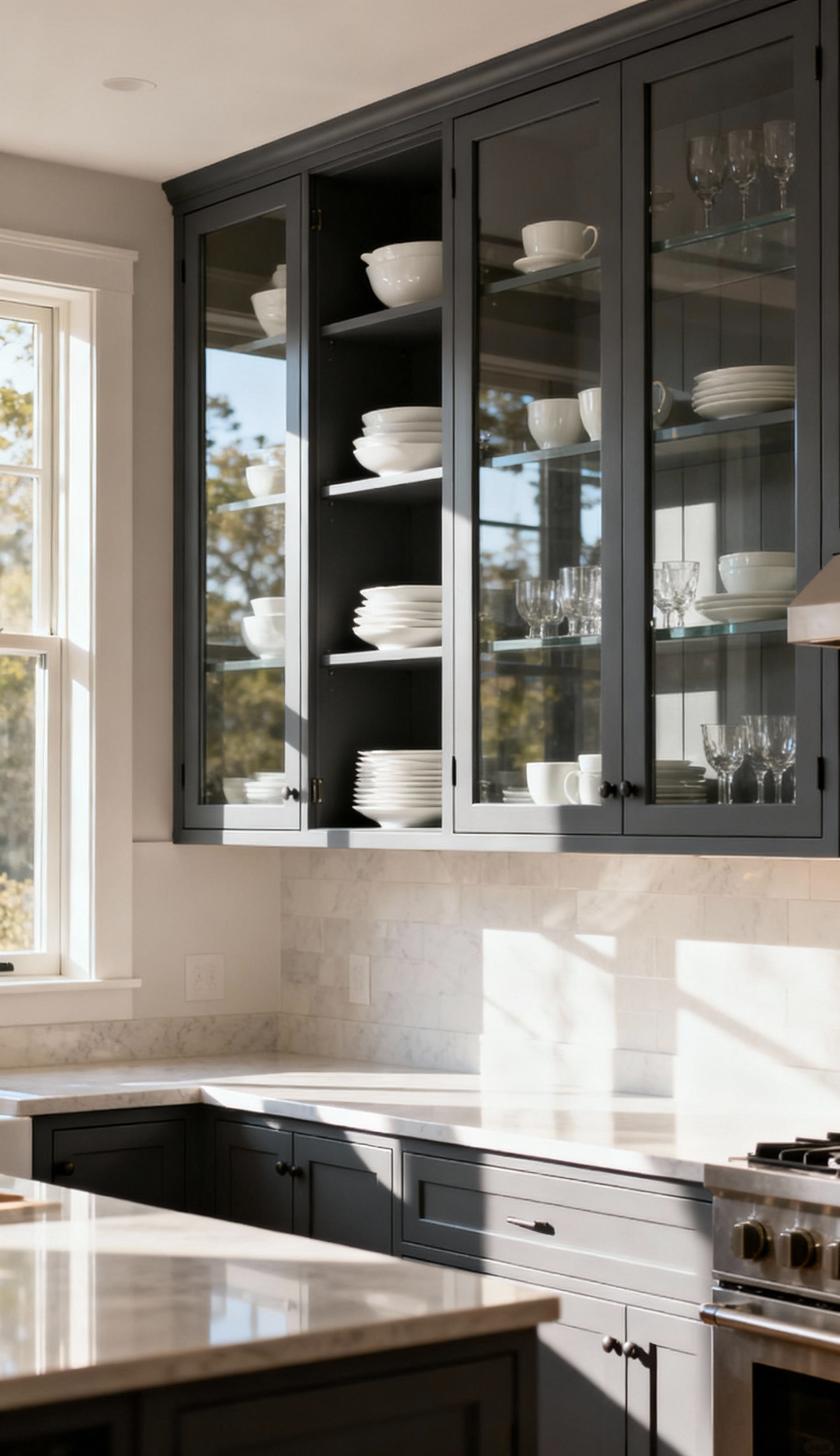
Don’t limit yourself to clear glass. In my vintage modern revival practice, I love using textured glass like reeded or seeded glass. It offers a beautiful, vintage-inspired look that obscures the contents just enough to create a soft, impressionistic effect. A great tip is to paint the inside of the glass-front cabinet a contrasting color to make your dishes really pop. It’s like creating a small, curated jewel box right in your kitchen.
19. Crafting Bespoke Vent Hood Enclosures for a High-End Look
A standard stainless steel range hood can often feel like an afterthought, an industrial appliance dropped into your carefully designed kitchen. Creating a custom enclosure for your vent hood is a powerful way to integrate it into your cabinetry and create a stunning focal point. You can build a simple box shape and paint it to match your cabinets for a seamless look, or get more creative.
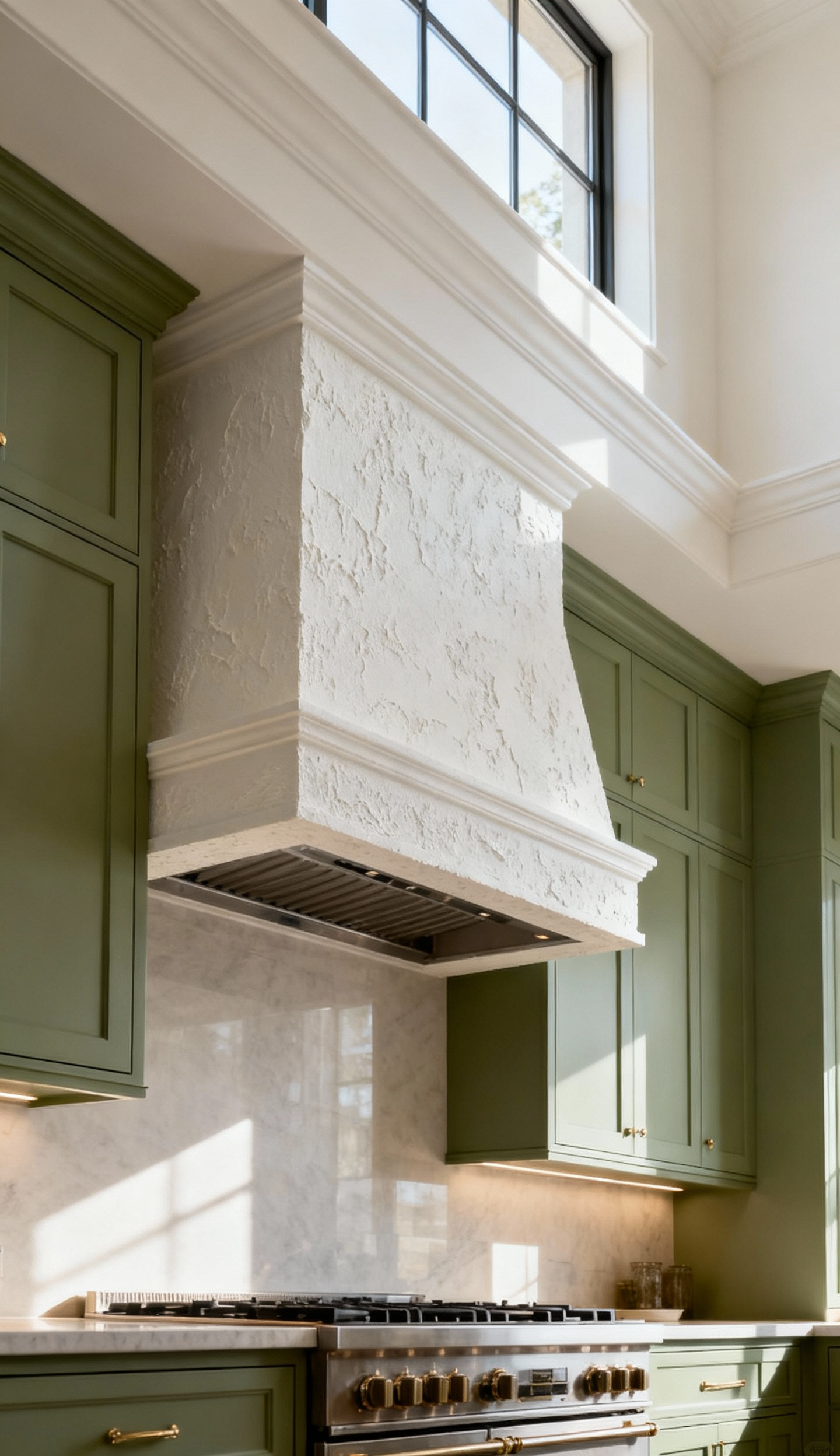
I’ve seen incredible vent hood enclosures covered in shiplap, fluted wood, or even a beautiful plaster finish for an organic, sculptural look. This transforms a purely functional element into a major design statement. It’s a project that requires careful planning to ensure proper ventilation, but the result is a kitchen that feels completely custom and architecturally considered. It’s a true mark of a high-end, thoughtful design.
20. Optimizing Ergonomics: Elevating Cabinet Placement for User Comfort
This, for me, is the ultimate goal: creating a kitchen that is a deep and abiding pleasure to use. True modernization is about more than just aesthetics; it’s about designing a space that fits your body and your life. Think about raising your dishwasher 6-8 inches off the floor to make loading and unloading easier on your back. Consider replacing all of your lower cabinets with deep, full-extension drawers, which are far more ergonomic and accessible than dark, deep cabinets.
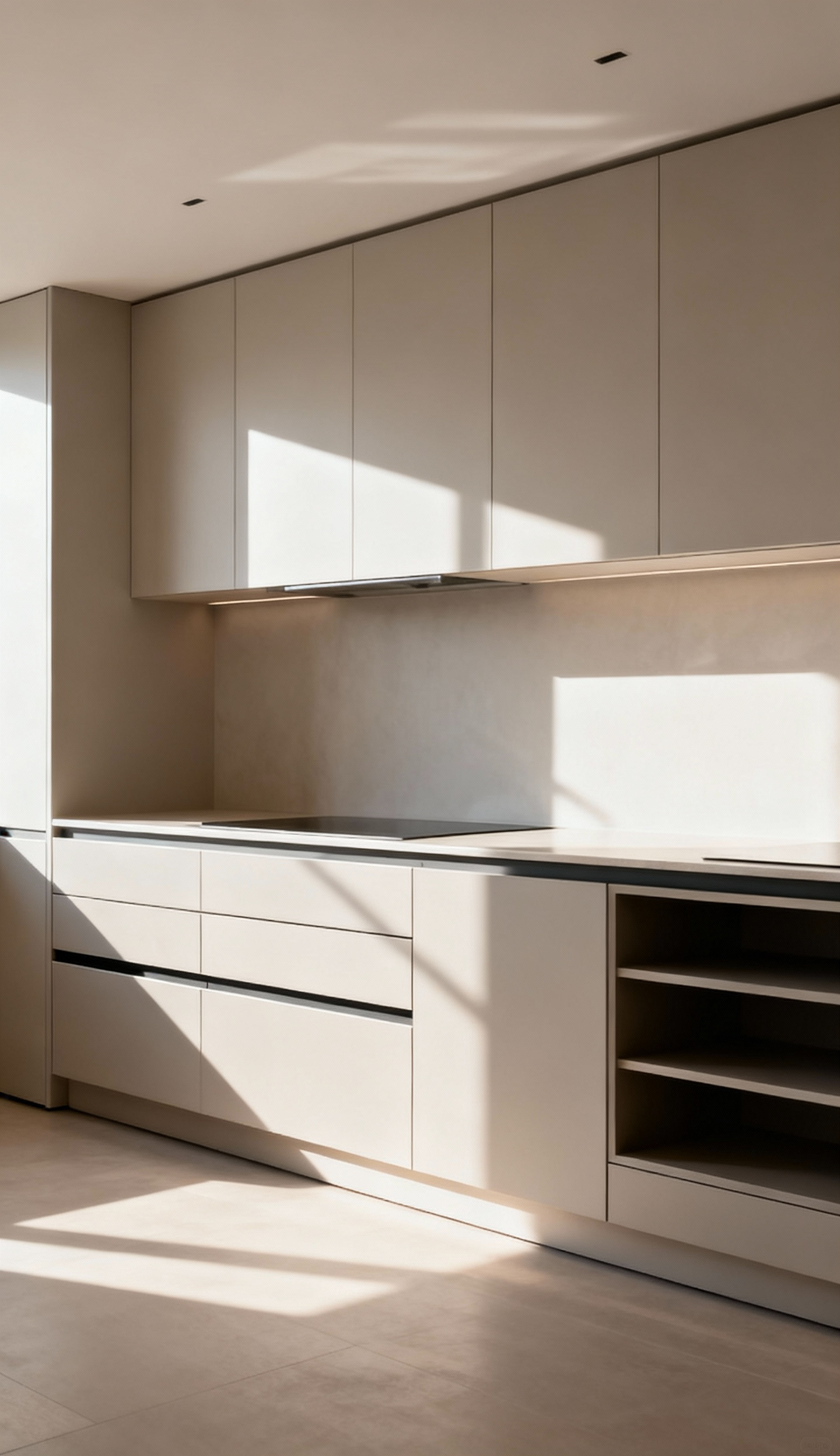
I once worked with a client who loved to bake but found that standard counter height was uncomfortable for kneading dough. We created a dedicated baking station with a lower, marble-topped counter. It completely changed her relationship with her kitchen. These are the kinds of thoughtful, human-centered details that create enduring value. A kitchen that is comfortable and works intuitively for you is a kitchen you will love for a lifetime.
Conclusion
So, we can finally put that old myth to rest. To truly modernize kitchen cabinets doesn’t require a dumpster in the driveway or a massive budget. It requires something far more valuable: vision, creativity, and a respect for the things we already own. Throughout these 20 strategies, we’ve seen how thoughtful, sustainable choices can lead to a kitchen that is not only beautiful and modern but also rich with character and history.
Your kitchen has good bones. It has a story. Instead of erasing it, I encourage you to become its next chapter. Look at your cabinets with fresh eyes—see the potential for beauty, the opportunity for better function, the chance to create a space that is uniquely yours. The most meaningful transformations come not from buying new, but from lovingly and cleverly breathing new life into the old. Now, go create a kitchen you’ll love for years to come.