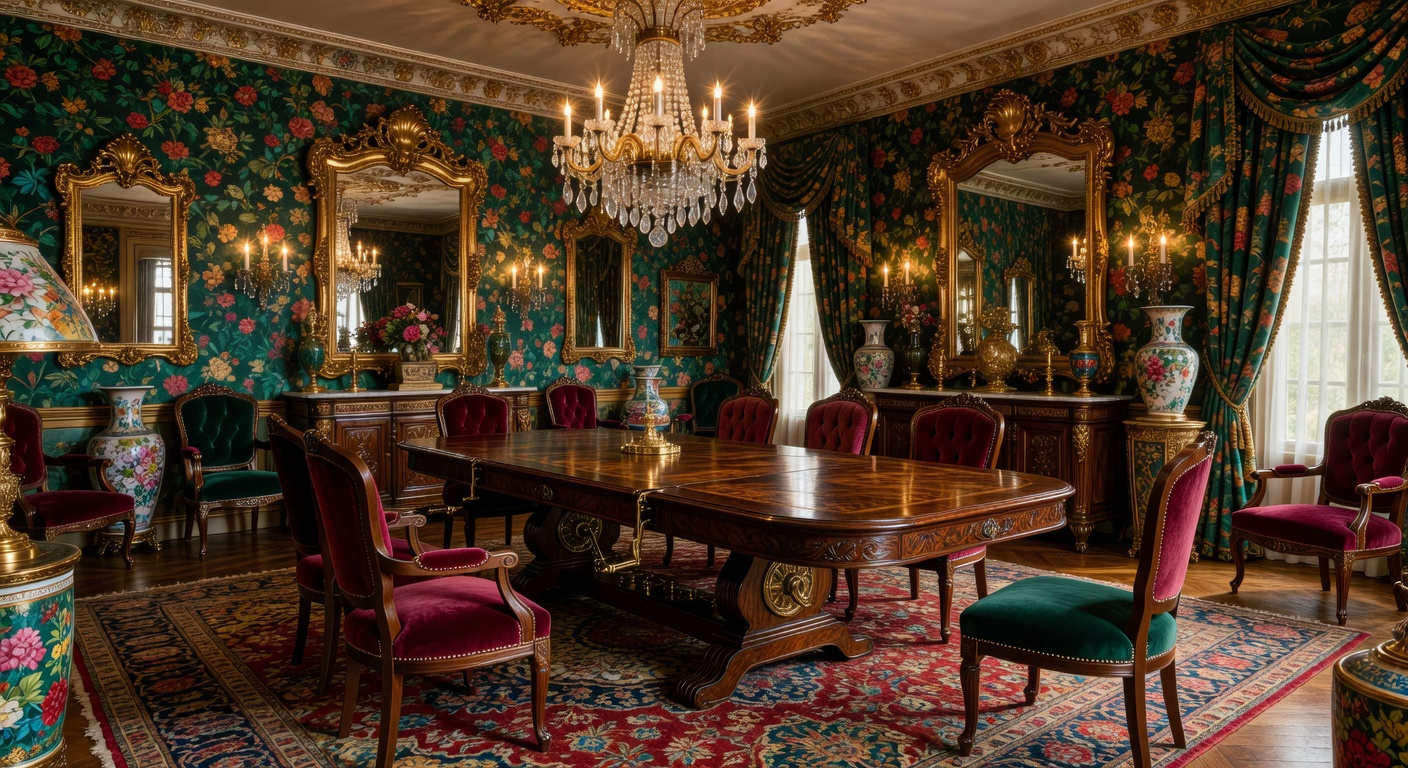
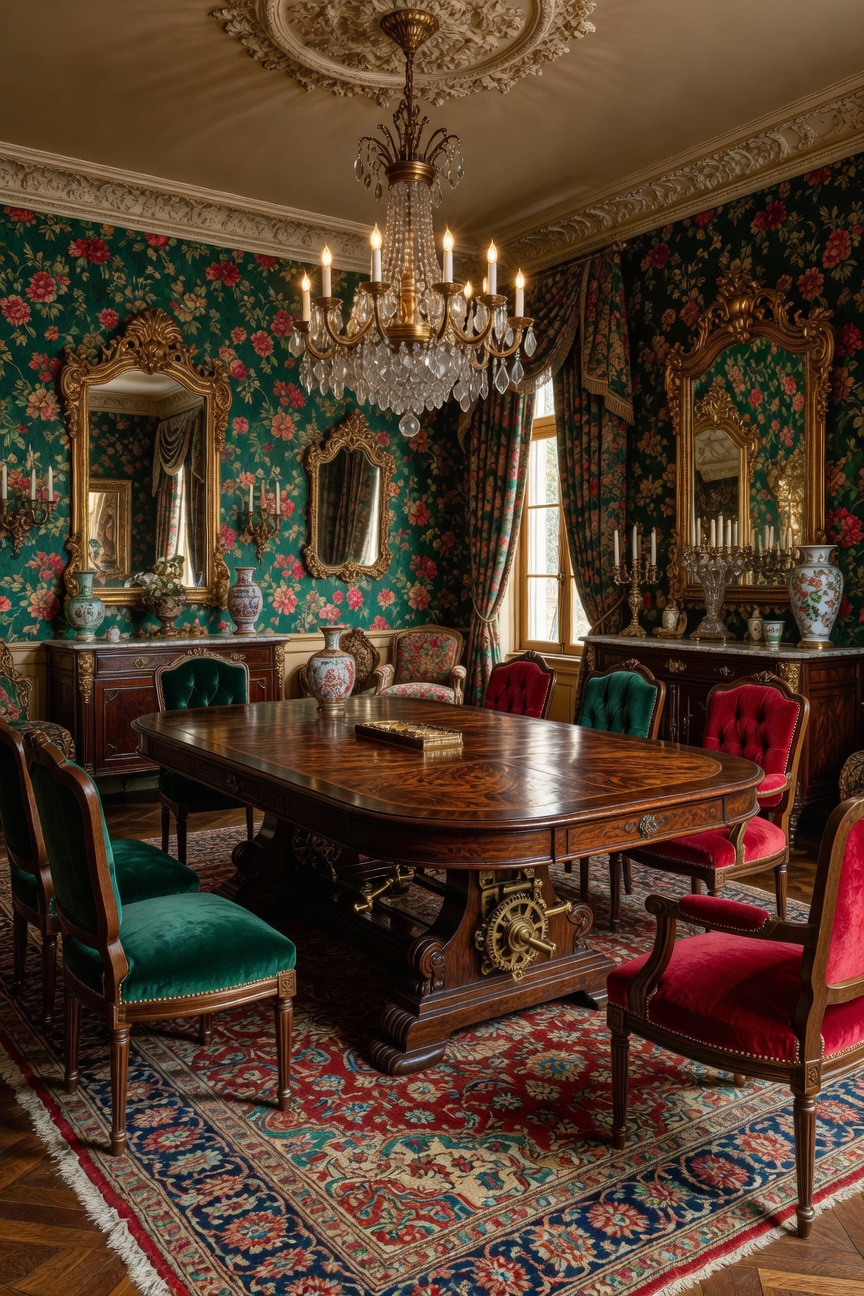
I always tell my clients that a dining room table in a maximalist space is never just a surface for eating. Instead, it’s the stage where your entire room’s drama unfolds. Think back to the heavy “wind-out” tables of the Victorian era. These brass-cranked pieces expanded for growing dinner parties, but they also provided crucial visual grounding for layered luxury dining room decor. Carved from dense flame mahogany, they carried real physical weight. Therefore, that solid mass is exactly what keeps wild patterns from feeling chaotic. Modern designers like Kelly Wearstler embrace this completely. In fact, she often argues that rooms desperately need oversized, larger-than-life pieces. The right table creates that necessary, beautiful tension.
Picture a black ebonized wood table finished with intricate Pietra Dura. Next, imagine vibrant Lapis Lazuli and rich Malachite stone inlays catching the light. The cold, high-gloss stone beautifully reflects flickering candles from above. Meanwhile, the satisfying thud of a heavy plate grounds the entire experience. This sensory clash of smooth stone against plush velvet always feels incredibly vibrant. History shows us this isn’t a new concept. Indeed, Louis XIV treated tables as literal tools of political theater, popularizing complex Boulle Marquetry at Versailles. Today, a substantial table still serves to support your curated abundance. Without that heavy physical anchor, silver candelabra and massive floral centerpieces will quickly overwhelm the eye.
Interestingly, designers often push for massive furniture even in tight, small rooms. By eating up significant floor space, oversized tables actually simplify the room’s geometry. Ultimately, the piece acts as a unifying force. Whether you are mixing Chinoiserie vases or vintage Art Deco chairs, visual harmony takes over. As a result, you can fearlessly display your life’s weird, rich history. That singular masterpiece gives you total permission to experiment.
2. Burl Wood Wonders: Embracing Highly Figured and Exotic Wood Grains for Instant Drama
I have to admit, I am completely obsessed with burl wood. It’s essentially nature’s most exquisite jewelry. This exotic material brings instant drama to any maximalist dining room. Interestingly, these complex grains actually originate from biological stress. When a tree heals from an injury, it traps dormant buds in swirling masses of fiber. Therefore, a massive burl table literally maps a story of resilience. Visually, these wild surfaces have a magical optical quality called chatoyancy. As you walk around the room, the twisted fibers reflect light in completely different ways. Consequently, a polished tabletop will shimmer like a pool of liquid amber. It creates a deeply personal, shifting atmosphere that flatters any space.
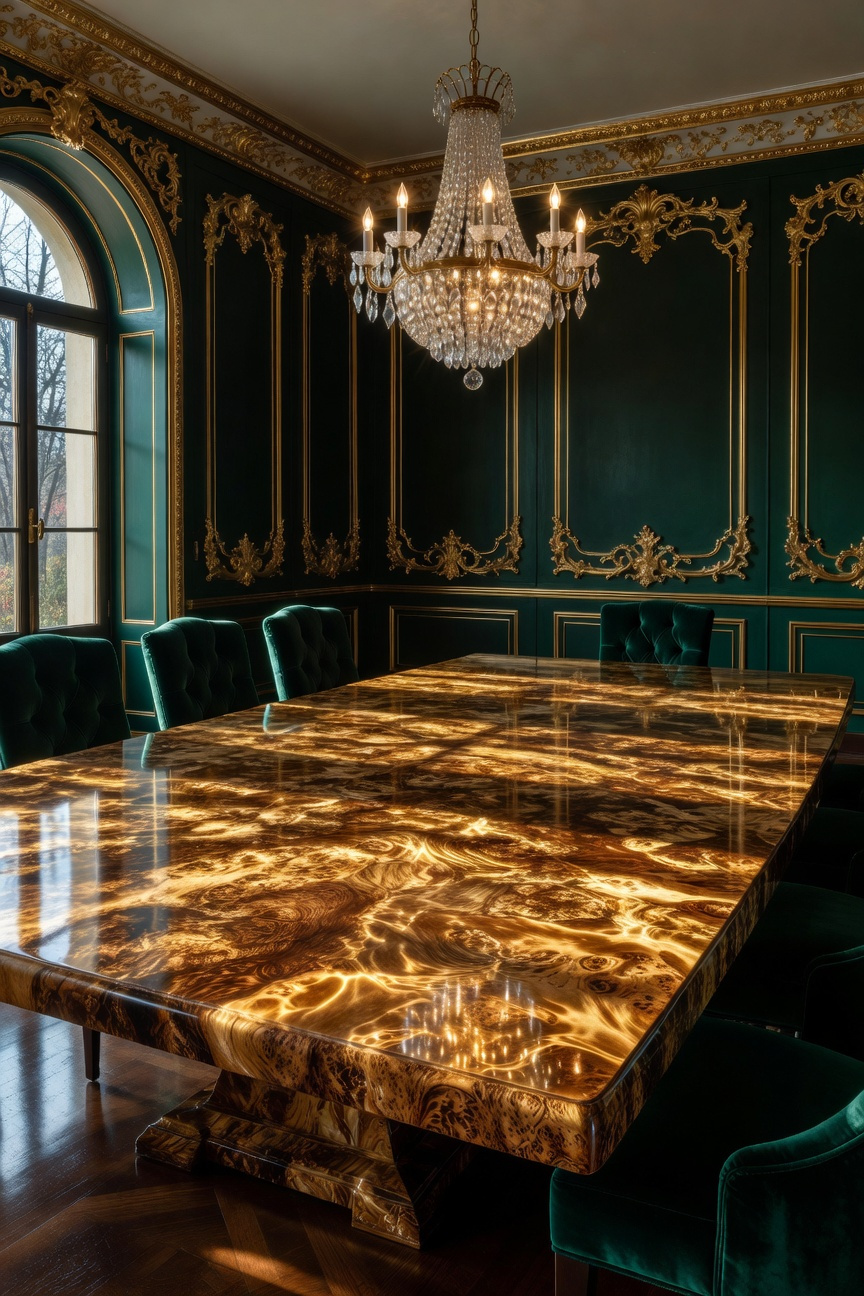
Bold designers have long used this organic texture to ground massive spaces. During the 1970s, monolithic burl tables were the ultimate design power move. Surprisingly, the most opulent pieces today actually rely on engineered wood veneers. Solid burl expands unevenly, meaning it will easily warp over time. To fix this, master craftsmen slice the exotic wood into paper-thin layers for stability. Next, they carefully bookmatch these veneers to form perfect, symmetrical Rorschach patterns. As a result, the intricate grain cascades seamlessly from the top down to the floor. This continuous flow makes the entire piece look like a single carved gemstone.
Different wood species bring distinctly different personalities to your curated space. For instance, classic Walnut burl delivers a sophisticated, smoky brown luxury. However, Mappa burl offers an energetic contrast, featuring whimsical, light-colored backgrounds dotted with dark pips. Ultimately, these richly figured woods completely transform an ordinary meal into an unforgettable sensory experience.
3. Jewel-Toned Stone Surfaces: The Audacity of Verde Marina Marble and Vibrant Onyx
The era of playing it safe with standard white marble is officially over. Today, we are finally embracing the bold energy of expressive, colorful stone. Specifically, Verde Marina offers an incredible departure from static neutrals. This striking Indian stone mimics the rhythmic ebb of a frozen sea. Its sea-foam green waves and silver striations create massive visual drama in a dining room. However, finishing the stone with a leathered texture gracefully softens these vivid hues. As a result, the table feels wonderfully warm and tactile to the touch. This naturally invites your guests to linger much longer around the table.
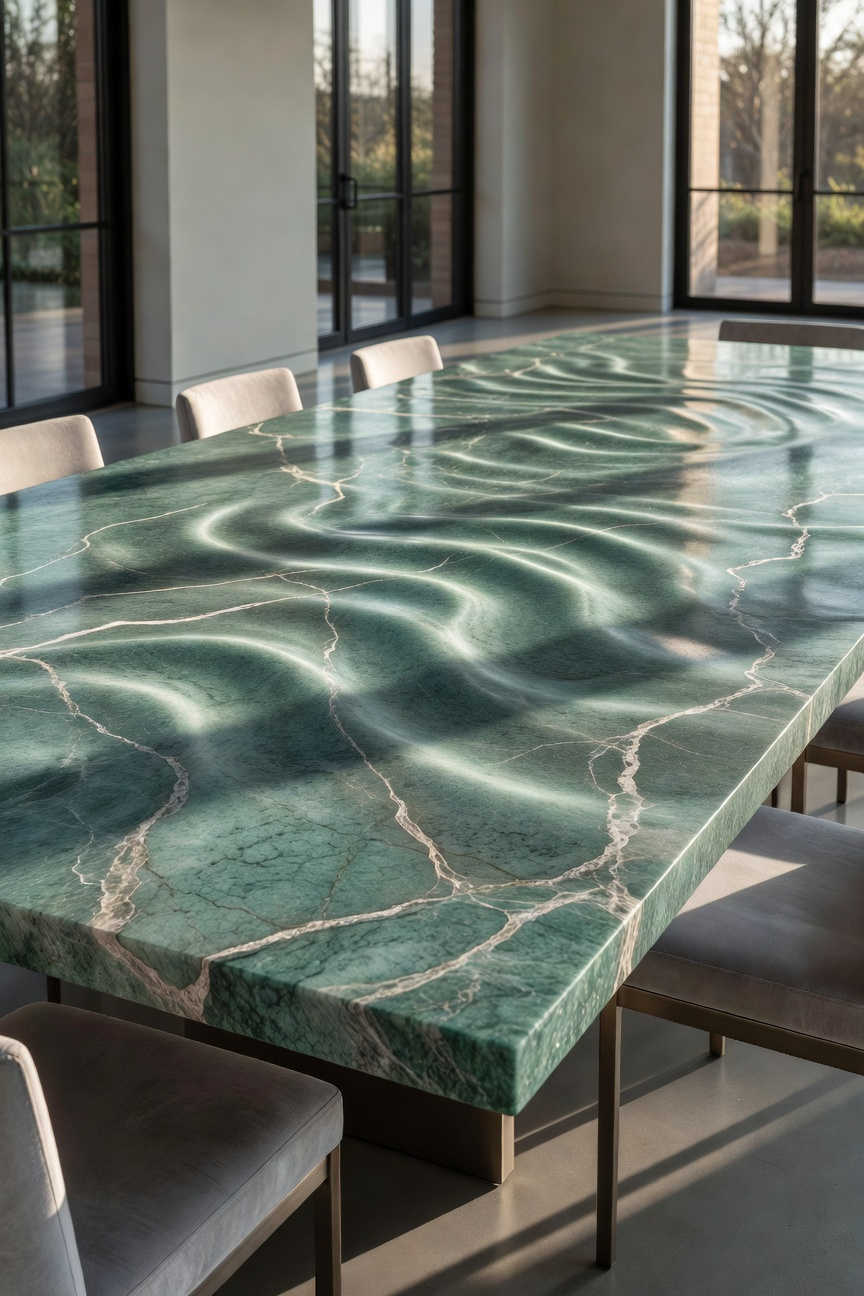
Similarly, vibrant pink or honey onyx delivers pure, unapologetic maximalism. Onyx is uniquely translucent because of its crystalline structure. Therefore, hiding ultra-thin LED panels beneath the slab creates absolute magic. By day, the vibrant stone acts as a heavy, bold anchor. But at night, the backlit stone seemingly breathes and glows. Indeed, the light reveals hidden internal veining that turns dinner into pure theater. Naturally, onyx does require specialized sealants and conscious daily care. However, choosing breathtaking beauty over rugged, worry-free utility is a deliberate lifestyle choice. I think it is entirely worth it.
Furthermore, the technique of book-matching amplifies this daring, jewel-toned look. Slicing and opening matching slabs creates perfectly symmetrical patterns. This striking symmetry naturally draws all the room’s energy inward. Next, skilled fabricators use mitered edges to wrap the pattern down the sides. Ultimately, this clever illusion creates what looks like a solid, permanent block of prehistoric art.
4. High-Gloss Lacquer Finishes: Reflecting Light and Amplifying Room-Spanning Opulence
High-gloss lacquer will instantly transform your dining table into a luminous stage. Historically, this rich finish traces back to resilient Japanese Urushi techniques. Later, Art Deco designers loved lacquer for its sleek, industrial glamour. Today, maximalist spaces use this mirror-like reflection to achieve fearless opulence. Specifically, high-quality gloss acts as a dark pool that visually extends your room’s architecture. Artisans painstakingly apply multiple thin layers to build intense optical depth. As a result, the glossy table actually resembles a deep pool of frozen liquid.
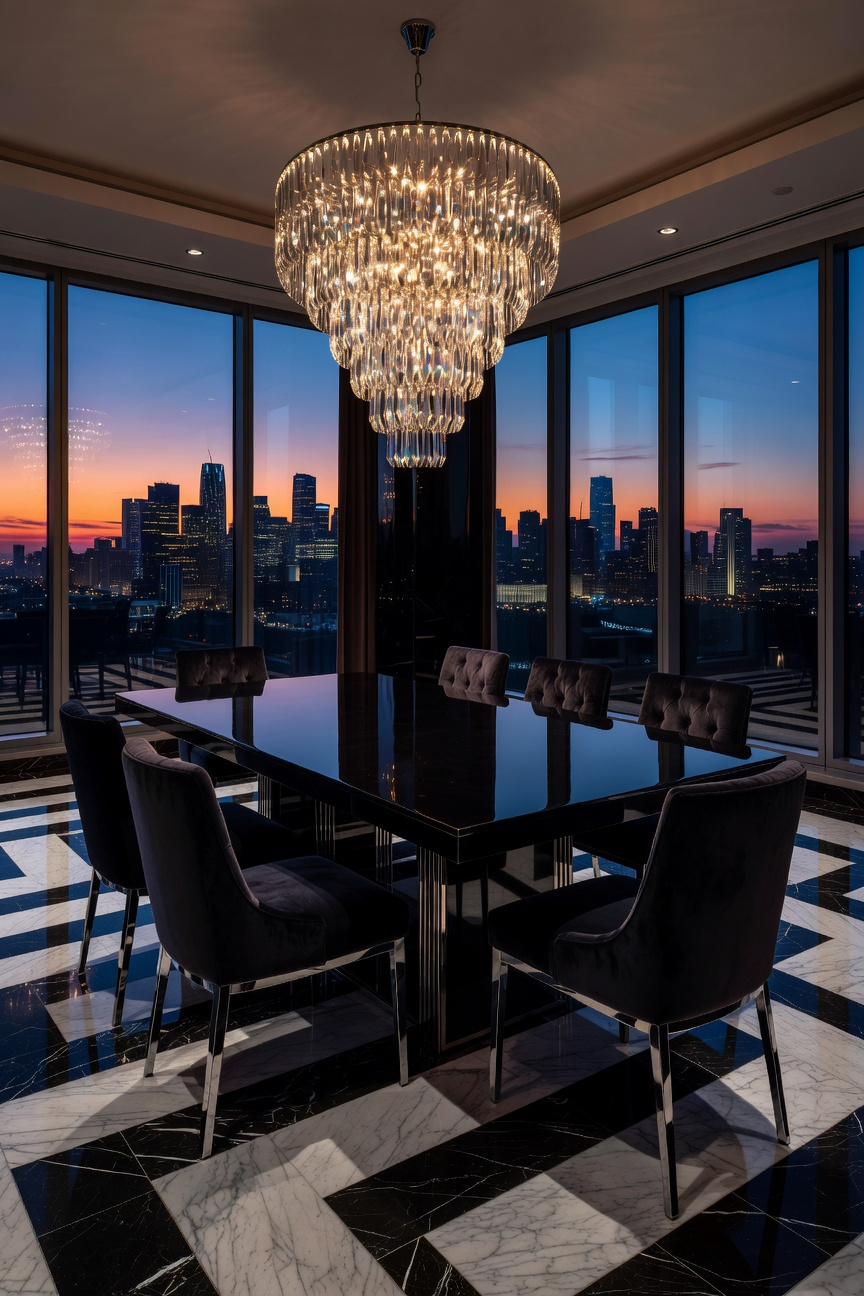
Achieving this legendary piano finish requires an absurd amount of manual labor. First, finishers wet-sand the bumpy surface until it sits completely flat. Next, microscopic buffing removes every single tiny scratch from the resin. Naturally, this optically clear surface drastically alters your room’s atmosphere. For instance, the table will beautifully double and amplify intimate candlelight. Ultimately, this heavy reflection creates a theatrical glow that flawlessly flatters your guests.
High gloss also acts as an amplifying lens over rich wood veneers. Therefore, it makes natural grains appear far more vibrant and contrasted. Similarly, solid dark pigments feel instantly deeper and much more luxurious. Thankfully, modern luxury builders often use durable polyester instead of delicate, traditional nitrocellulose. Thus, you get an armored, resilient finish perfectly suited for rowdy, opulent dinner parties.
5. The Power of the Pedestal: Sculptural and Architectural Bases That Demand Attention
Legendary architect Eero Saarinen famously designed the pedestal base to eliminate the “slum of legs” under standard tables. It is a bold choice that transforms the dining table into an architectural anchor. A central base naturally creates a stunning visual void around the seating area. Heavy marble or textured wood tops appear to effortlessly float above the floor. However, this floating illusion requires some serious hidden structural support.
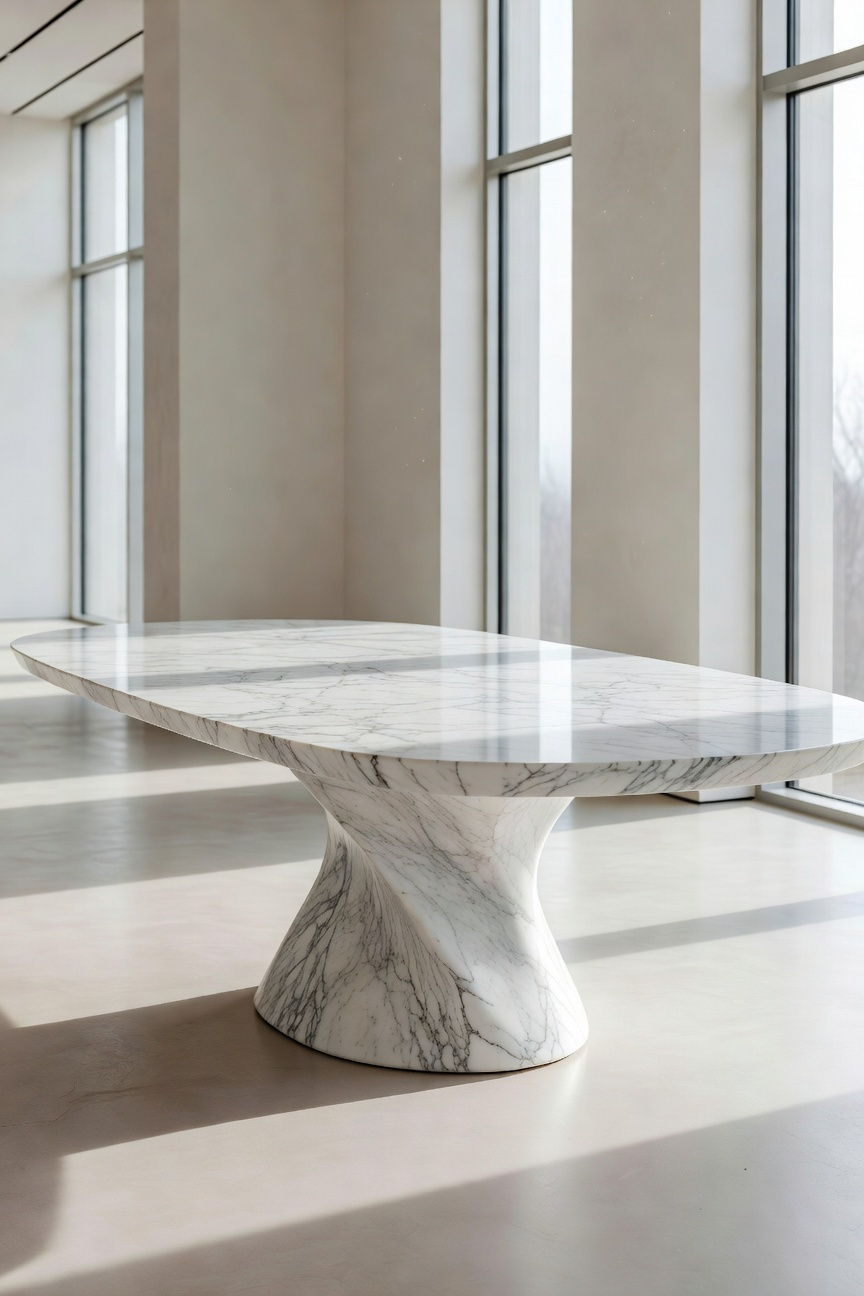
Specifically, the base footprint must cover nearly half of the table’s total diameter. High-end monolithic designs often hide a heavy cast iron core inside the pedestal. Indeed, iron provides superior vibration damping, absorbing the tremors of a lively dinner party. I love that a circular pedestal completely removes traditional seating hierarchies. Therefore, it establishes a democratic, intimate dining experience where everyone feels equal. The total lack of restrictive corners provides ultimate 360-degree seating flexibility.
Currently, maximalist interiors favor striking brutalist and asymmetrical pedestals. Fearless designers are pairing razor-thin glass tops with raw, volcanic rock bases. As a result, the base becomes an unapologetic functional sculpture. Mixing these clashing materials creates a deeply personal, curated luxury. However, you must leave ample breathing room around the piece. This negative space allows the dramatic, heavy footprint to truly shine. A pedestal is never just a simple support system. Instead, it demands absolute attention.
6. Unapologetic Grandeur: Scaling Up with the Oversized Rectangular Banquet Table
An oversized rectangular banquet table is far more than just furniture. Rather, it serves as an architectural anchor for unapologetic grandeur. Historically, this massive scale descends from quiet monastic refectory tables. Eventually, Tudor estates and sprawling castles adopted these giant pieces. Today, dropping a twenty-foot dining table into a home shifts the room completely. Specifically, it turns a simple eating area into a grand theatrical stage. Standard tables often look entirely lost inside large, vaulted rooms. Therefore, a banquet-scale piece provides crucial, grounding visual weight. The sheer acreage of the wood invites fearless, permanent styling. Designers can easily layer lush runners and towering centerpieces without crowding the plates.
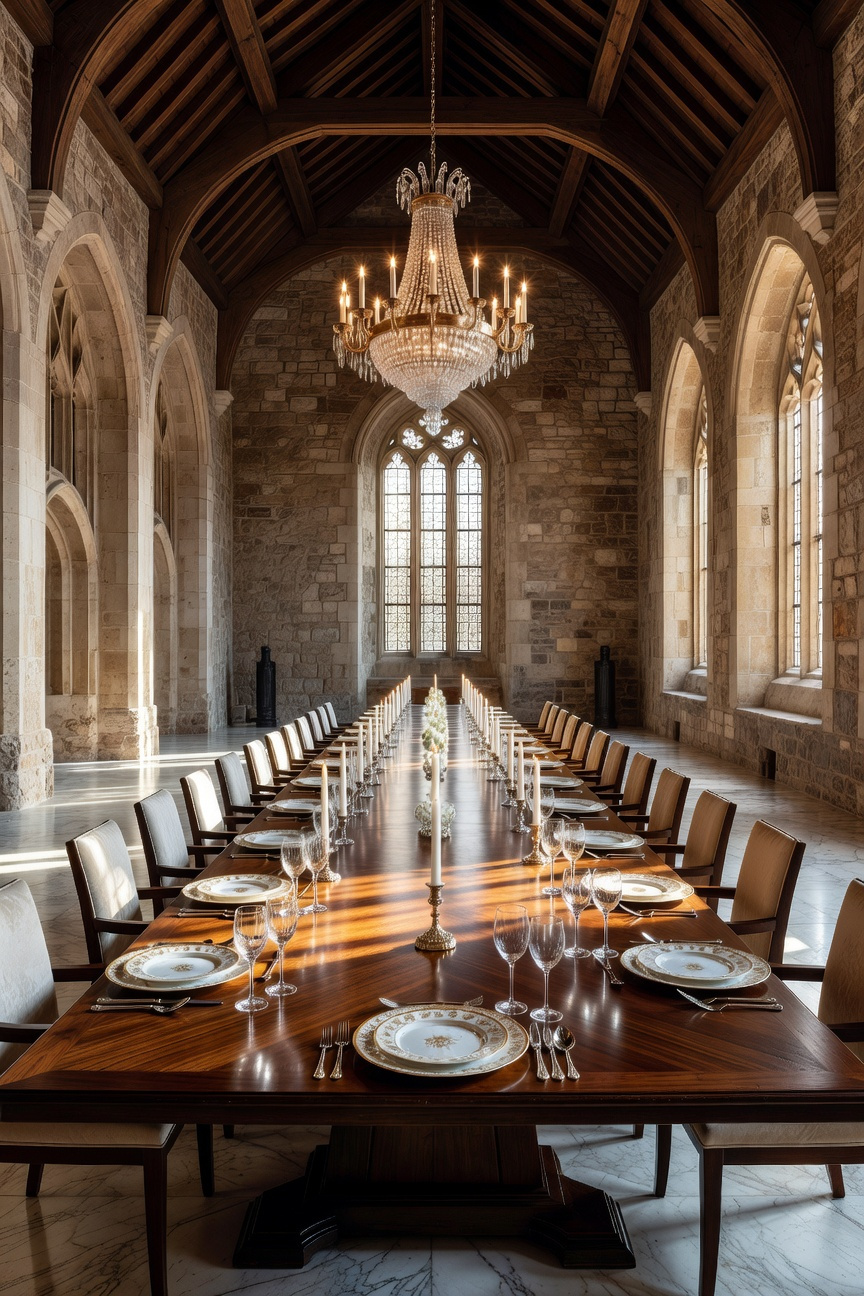
Socially, these long tables actively dictate human behavior. For instance, sitting at the short ends immediately establishes a distinct power hierarchy. Hosts gain a commanding, king-like view of the entire room. Meanwhile, the extreme length organically breaks your guests into dynamic, smaller sub-conversations. Additionally, the wide distance across the table alters the physical space between diners. Guests must lean forward over richly textured surfaces just to connect intimately.
Behind all this beauty, building these tables requires masterful engineering. Giant, living wood slabs will naturally expand and contract with seasonal humidity. Consequently, craftsmen use hidden expansion plates so the top essentially floats above the base. Similarly, internal torsion boxes prevent a massive fifteen-foot table from bowing in the middle. Sourcing a monumental single slab often requires extreme, frustrating global logistics. Yet, this immense effort always yields a truly personalized, show-stopping masterpiece.
7. Intimate Opulence: Large-Scale Round Tables for Dynamic, Cross-Table Conversation
Large round tables represent a fascinating shift in modern dining architecture. Specifically, they completely dismantle rigid social hierarchies. In Chinese culture, this shape is beautifully celebrated as the Tuanyuan table. The word translates to “reunion,” symbolizing profound family unity and emotional completion. Consequently, the circular form creates a shared psychological stage where modern dining room ideas can truly flourish. Your guests never have to endure the fragmented, parallel conversations that plague massive rectangular tables.
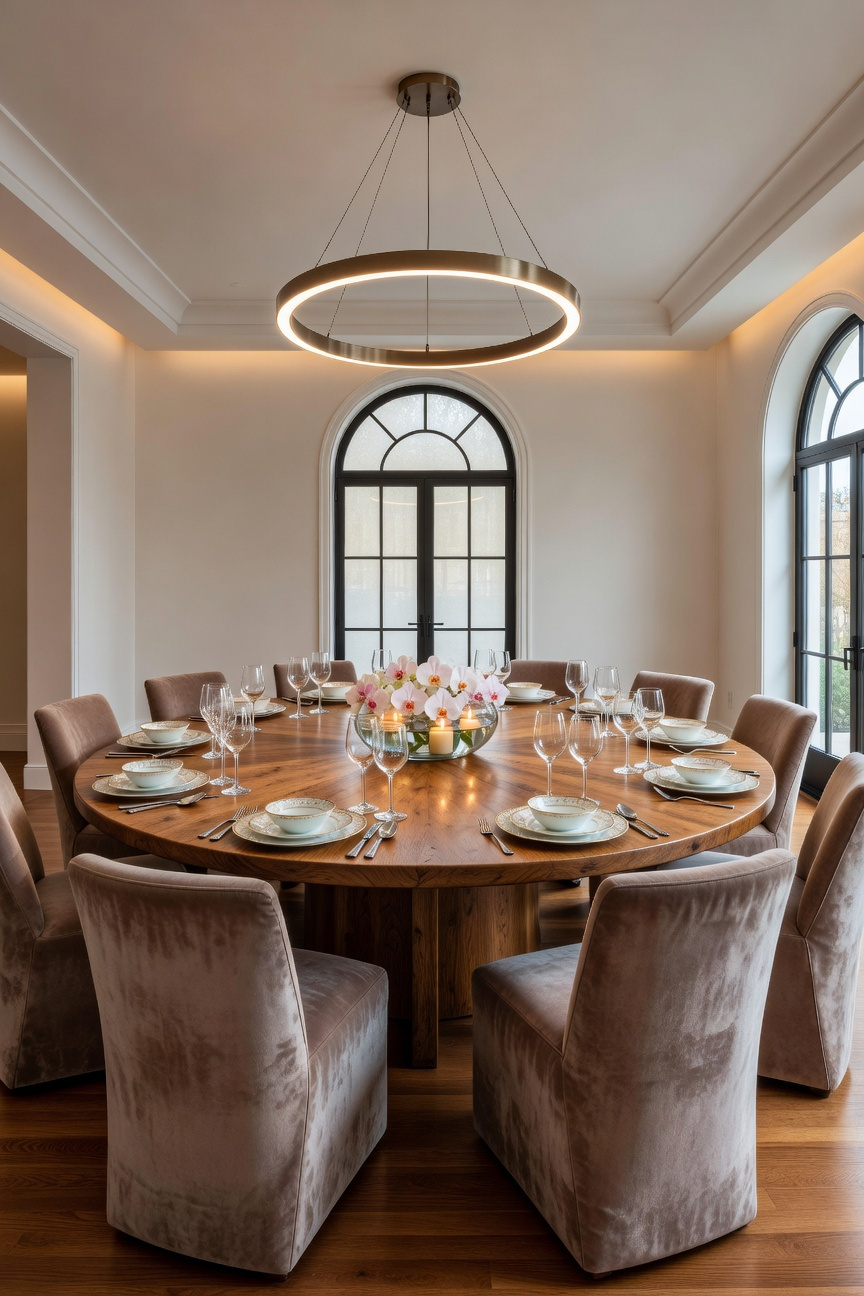
However, pushing past a 72-inch diameter introduces a unique conversational hurdle. Ironically, distances exceeding 60 inches can actually cause sudden social isolation. I usually fix this by incorporating luxurious, flush-mounted motorized carousels. Typically, these breathtaking centerpieces feature contrasting brass or cool Carrara marble. They gracefully spin to serve tasting menus without anyone ever breaking eye contact.
Grand dining rooms also need to carefully manage their acoustic temperatures. Hard, empty rooms sound cold and uninviting. Fortunately, circular tables gently refract sound waves in a uniform, pleasing path. I like to enhance this effect by pairing polished walnut with lush sensory dampeners. Specifically, a massive circular chandelier acts as a stunning acoustic halo above the guests. Additionally, silk-wrapped wall panels trap sound intimately within the dining circle.
Finally, true intimate opulence requires a strategic pedestal foundation. A singular sculptural stone base completely eliminates those unlucky, awkward straddled seats. Consequently, guests enjoy the physical freedom to pivot their chairs and mingle seamlessly. Ultimately, this fearless circular geometry turns stiff banquets into deeply personal, relaxed experiences.
8. Mixed Material Mastery: Harmonizing Brass Inlays, Burl, and Smoked Glass
Mastering a mix of brass, burl, and smoked glass creates fearless, luxurious spaces. This opulent trio perfectly balances organic chaos with rigid industrialism. However, blending these maximalist materials presents a massive physical challenge. Burl wood remains notoriously unstable due to constant humidity changes. Conversely, reactive brass expands and contracts strictly based on temperature shifts. Consequently, amateur furniture makers often face a devastating “brass zipper” blow-out. This happens when the stiff glue joint fails, violently popping the metal inlay out. Therefore, master artisans use specialized elastic epoxies to harmonize the differing movements.
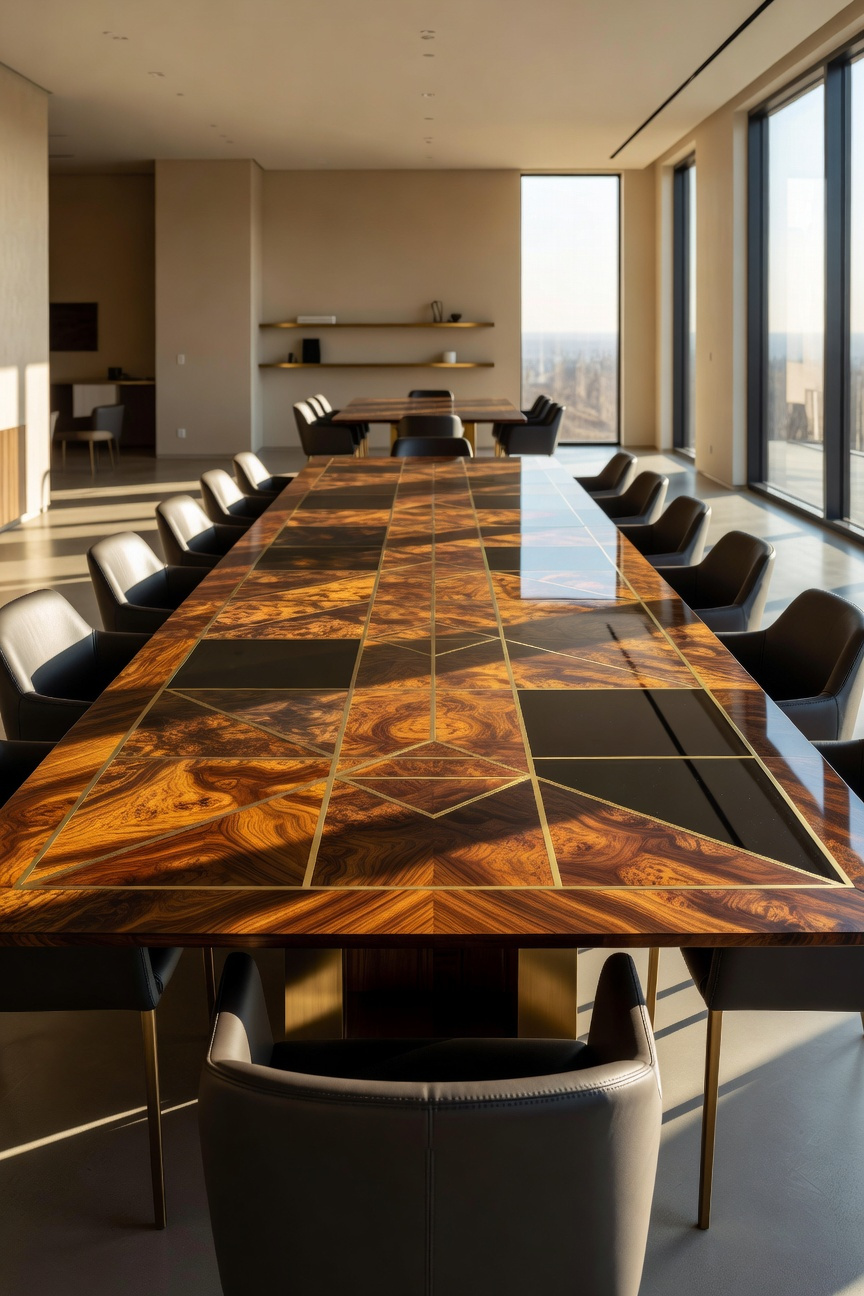
Visually, the rigid brass acts as a stunning structural corset. It fearlessly grounds the swirling, chaotic scars of the burl wood. Furthermore, dropping in a veil of dark smoked glass softens this intense contrast. This atmospheric transparency creates a deeply layered, moody dining narrative. Additionally, this bold combination produces a highly flattering optical illusion. Smoked glass beautifully filters out harsh overhead lighting. Thus, the polished brass and rich wood emit a buttery, warm glow. Indeed, the table almost appears lit from within during evening meals.
Structurally, the wildly unstable wood requires a heavy, high-density engineered core. Next, artisans meticulously book-match the veneer into perfectly symmetrical patterns. Finally, I always recommend unlacquered brass finishes to invite a gorgeous, ever-changing patina. Over time, this deeply personal table naturally becomes a living, tactile map of your dinner parties.
9. The Extendable Illusion: Concealing Pragmatic Functionality Within Bespoke Luxury
A luxury dining room table must master the art of the extendable illusion. In the past, Elizabethan draw leaves simply tucked extra wood underneath the main surface. Today, modern bespoke furniture utilizes brilliant kinetic artistry to hide its pragmatic functionality entirely. German and Austrian precision engineering achieves this flawless visual continuity. Specifically, high-end brands use patented swivel technology to deploy hidden extensions effortlessly. These systems allow a continuous wood grain to flow perfectly across massive spans reaching twelve feet.
Sintered and natural stone tables face extreme weight challenges when expanding. However, ingenious aluminum honeycomb backing reduces these massive stone slabs to manageable weights. Consequently, specialized lifting mechanisms can elevate heavy marble extensions without relying on bulky under-frames. Meanwhile, translucent knife-grade adhesives make the structural seams almost completely invisible to the naked eye.
The illusion also extends to human comfort through clever leg placement. For instance, modern perimeter legs glide outward seamlessly along telescopic rails. Therefore, your guests never have to endure the discomfort of knocking knees against fixed central supports. This mechanical transformation introduces a profound sensory narrative to the room. Ultimately, the psychoacoustics of a heavy, dampened click signal true quiet luxury. Indeed, this smooth, one-handed operation turns the host into a graceful social conductor.
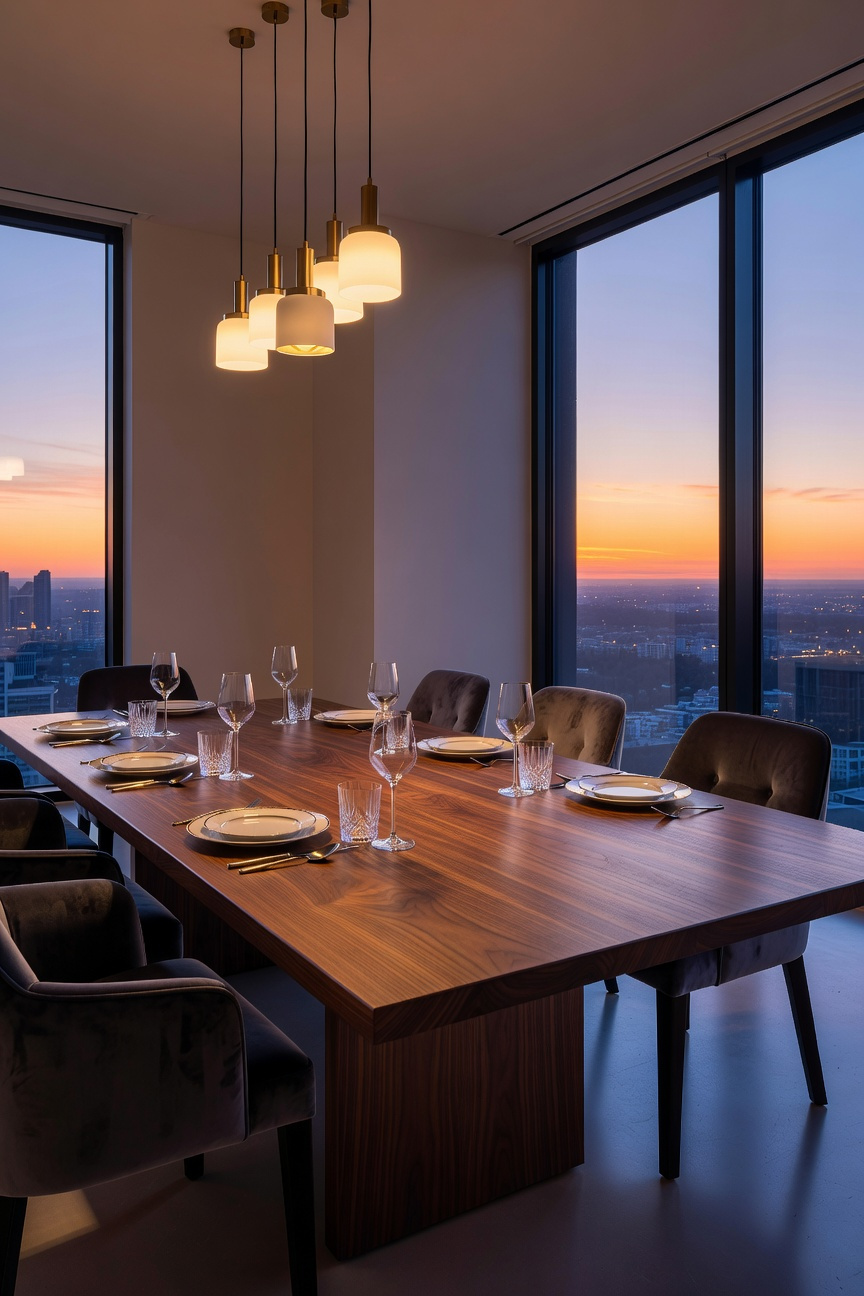
10. Antique vs. Avant-Garde: Creating Deliberate Friction Between the Table and Surrounding Architecture
Placing a rugged antique table inside a hyper-modern room creates a deliberate, intoxicating friction. I love how this tension uses the dining table as a temporal anchor. Consequently, it beautifully humanizes otherwise sterile, avant-garde spaces. For instance, a 17th-century oak trestle table acts like a gravity well within a sleek minimalist dining room. Its massive, dark timber provides crucial visual weight against floor-to-ceiling glass or polished concrete. Furthermore, this warm, scarred wood stands in stubborn defiance of pristine architectural minimalism. Specifically, the deep amber tones clash luxuriously with cold, charcoal-grey micro-cement.
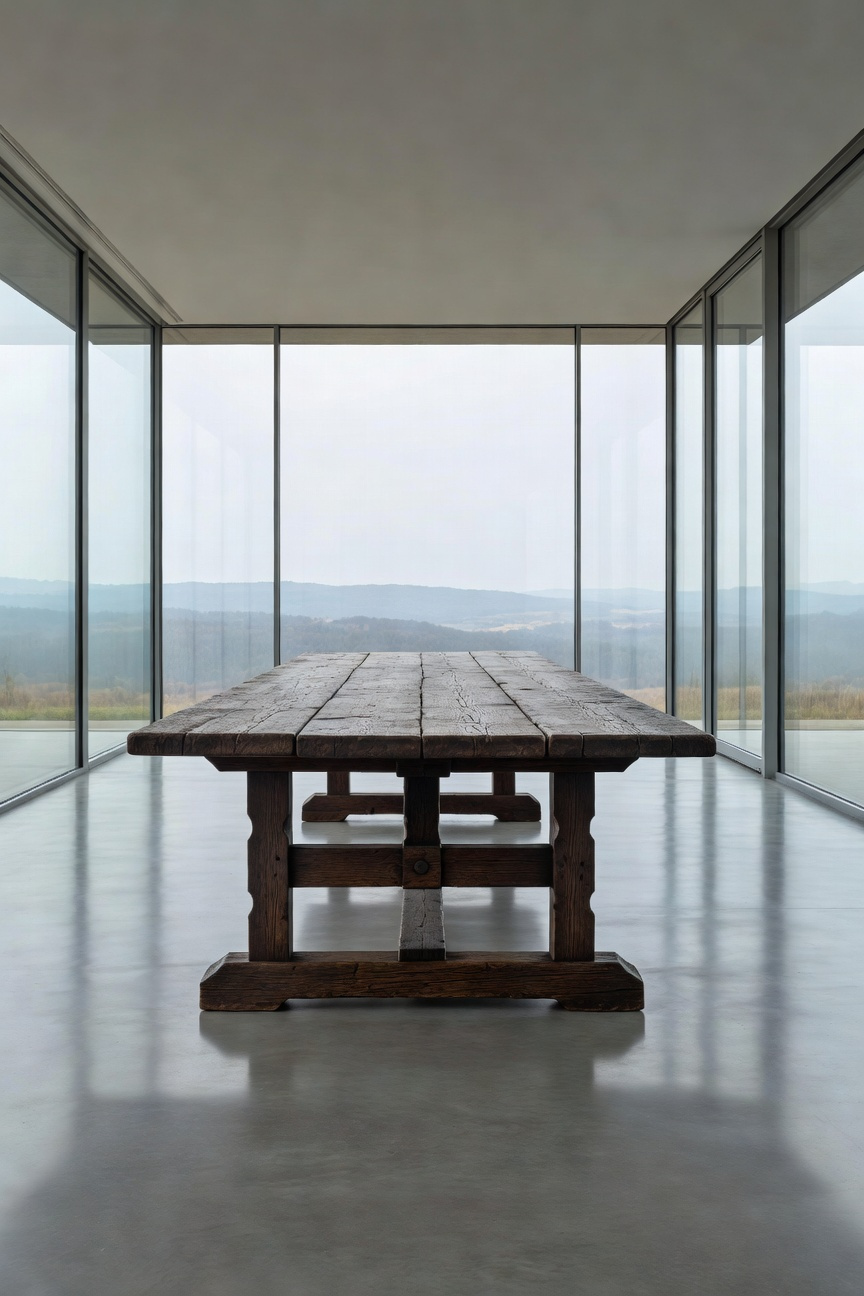
This contrast is not merely visual, but deeply tactile. Running your hand across a scarred 19th-century farmhouse table offers a much-needed sensory relief valve. Indeed, those historic knife marks and water rings soften the feeling of living inside an industrial machine. Alternatively, try introducing a pure Biedermeier table into an ultra-modern, jagged space. Interestingly, its smooth circular shapes create a sophisticated mathematical dialogue with deconstructivist architecture. The piece feels richly traditional, yet its core design logic remains surprisingly modern.
Finally, smart architects use dramatic lighting to isolate these opulent, antique pieces. A single, focused chandelier illuminates only the ancient, distressed wood. As a result, the table effectively becomes a curated artifact glowing within a theatrical gloom. Ultimately, this fearless design friction transforms an ordinary dining area into a deeply personal sanctuary.
11. Upholstered Companions: Selecting Bold Dining Chairs That Rival the Table’s Visual Weight
Historically, dining chairs were rigid, upright, and incredibly lightweight. However, modern opulence demands absolute comfort and a daring physical presence. Therefore, we really need to move beyond simple stick-and-seat architecture. You should select fully upholstered companions that command real visual gravity. For instance, a polished mahogany table heavily reflects ambient light. Conversely, matte fabrics like heavy-weight bouclé absorb that bright illumination. A chair draped in saturated, jewel-toned mohair feels immensely dense. In fact, this light-absorbing effect gives the seating profound tactile weight.
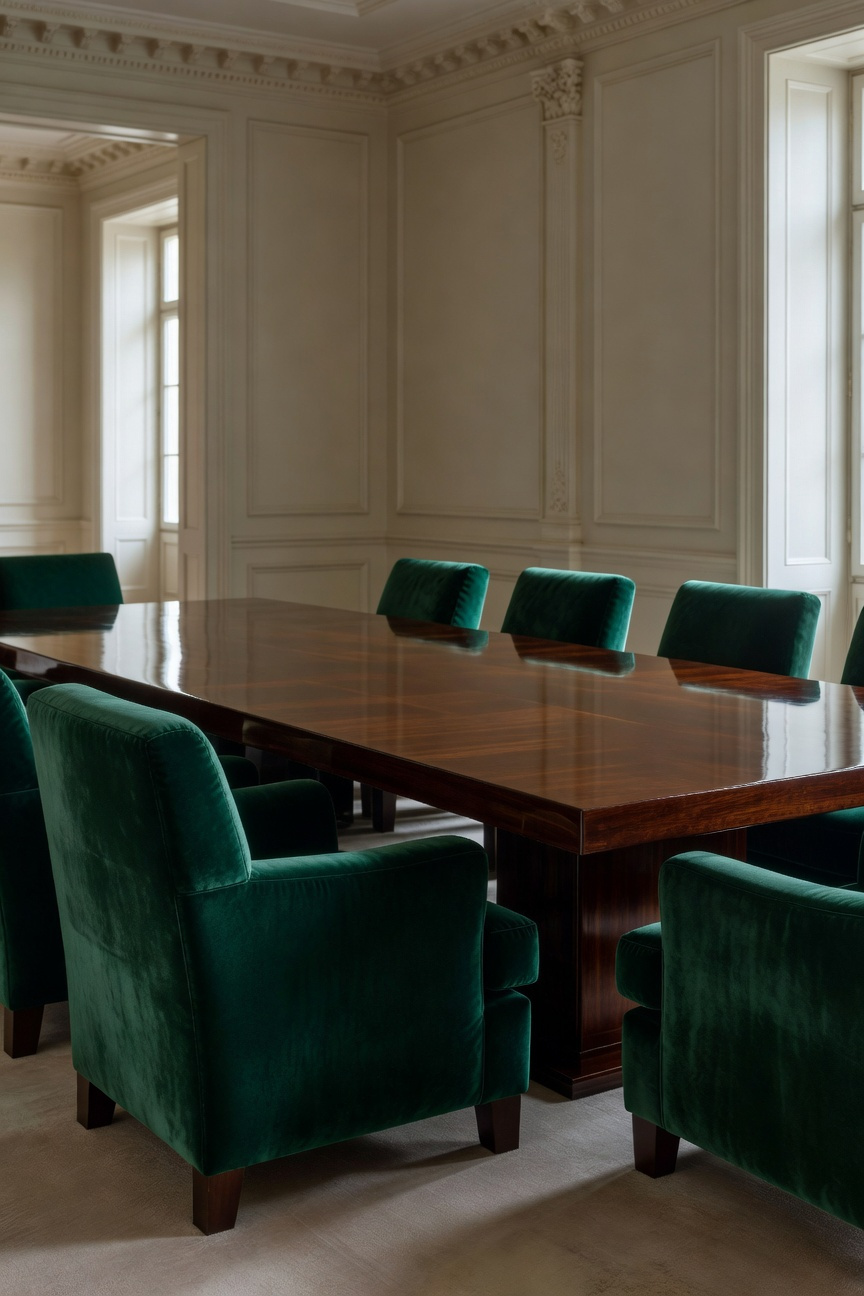
Naturally, these heavy chairs act as soft-sided monoliths in your space. Exaggerated vertical channel tufting perfectly mimics classical architectural fluting. These specific couture details add necessary visual calories to a sparse room. Additionally, thick upholstery provides brilliant acoustic dampening benefits. Heavy textiles easily absorb the sharp clatter of crystal glasses and silver forks. Instead of an echoing mess, they create a beautifully intimate sonic envelope around your guests.
Traditionally, only the ends of the table featured bold, heavy seating. Today, fearless design democratizes this visual weight entirely. I recommend treating every single seat like a grand host chair. Enclosing the table perfectly requires this opulent, unified approach. As a result, this arrangement creates a luxurious, walled garden effect. Ultimately, the dining space shifts from bare utility into sheer aesthetic indulgence.
12. Overhead Drama: Proportioning Statement Chandeliers to Your Table’s Exact Scale
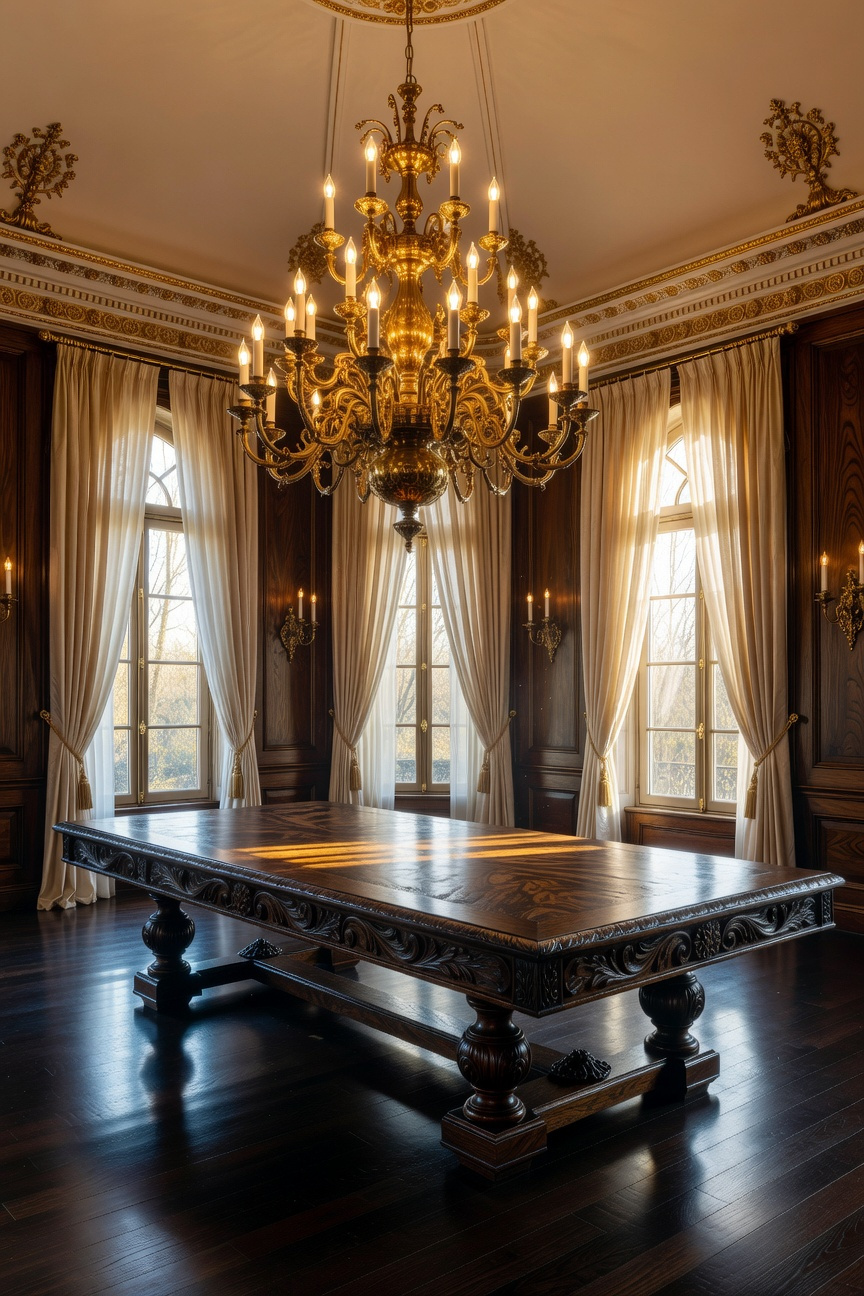
A statement chandelier is the crowning jewel of any luxurious dining space. However, proportioning this dramatic fixture requires more than simply measuring your table’s width. Specifically, we have to embrace the concept of visual mass. A dense, solid brass piece feels incredibly heavy to the eye. Conversely, an open-frame crystal lantern exudes an airy, weightless quality. Therefore, you must balance a massive, carved wood table with an appropriately grounded fixture overhead.
Next, consider the psychological power of the intimacy envelope. Hanging a bold chandelier just 30 to 36 inches above the table crafts a private sanctuary. Consequently, this lower placement focuses all sensory attention directly onto your guests. However, you must ensure the fixture’s widest point avoids blocking natural eye contact across the table.
Similarly, the table’s exact geometry dictates the axis of your lighting. A long rectangular table demands linear coverage. Indeed, your bold fixture should span at least one-third of the table’s total length. Alternatively, a round table requires a powerful, centripetal visual force. You must scale these radial fixtures generously to reach roughly 75 percent of the table’s width. Finally, never forget the sensory magic of shadow play. A massive, multi-arm chandelier casts complex, theatrical shadows across rich linens. Mastering these exact proportions transforms a basic eating area into a deeply personal retreat.
13. The Foundation of Pattern: Anchoring the Dining Table with Heavily Layered, Maximalist Rugs
Anchoring your dining table with heavily layered rugs creates a luxurious visual island. Historically, this practice actually descends from the Victorian philosophy of curated abundance. Wealthy households would layer intricate Persian rugs over neutral carpets just to showcase their rarity. Today, I use this maximalist approach to actively rebel against beige-washed minimalism. Consequently, the dining floor becomes a rich tapestry of history and personality.
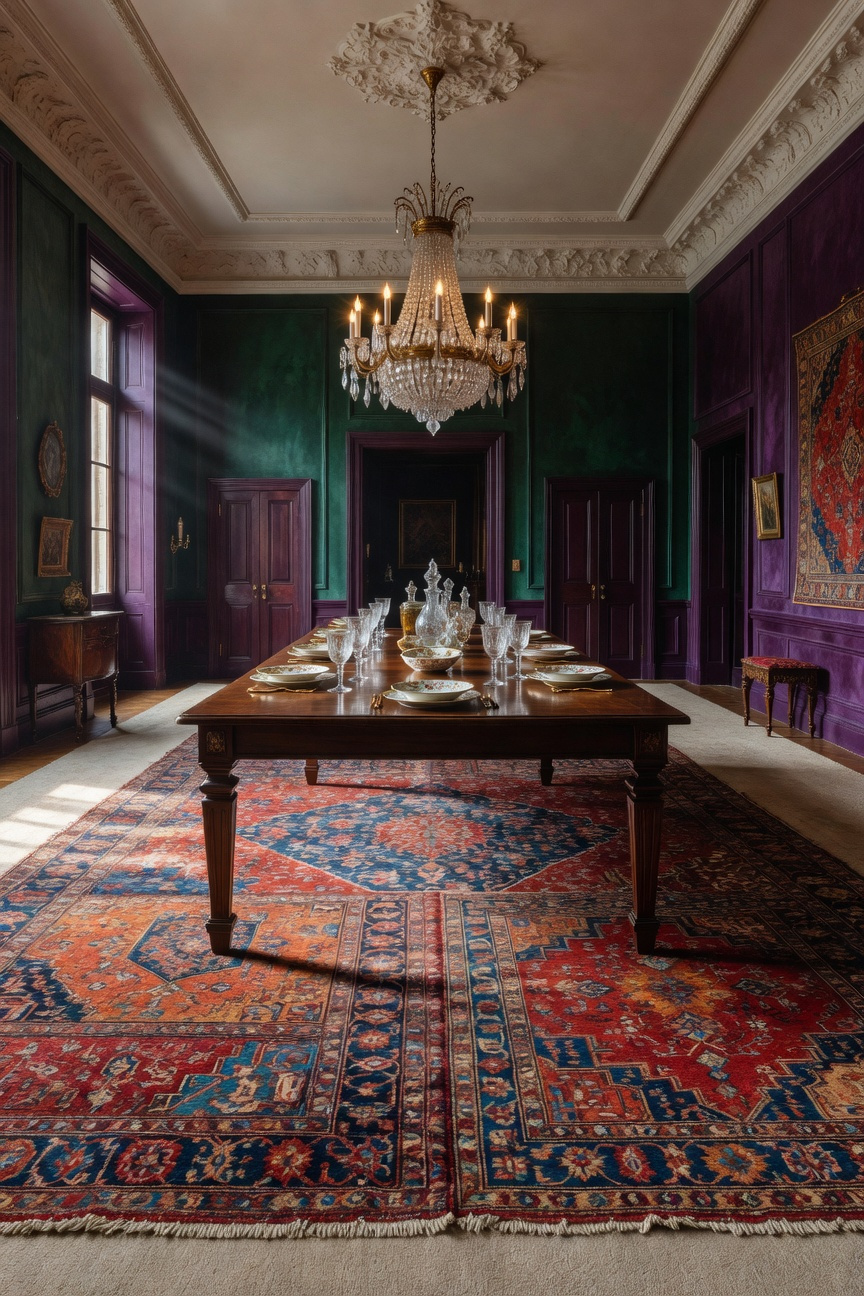
Beyond aesthetics, these rich textile layers form a necessary acoustic sanctuary. Indeed, large dining rooms with hard marble or oak floors often echo terribly. Therefore, layering multiple rugs easily traps both high and low acoustic frequencies. For instance, a flat-woven sisal base effectively absorbs the heavy vibrations of footsteps. Meanwhile, a plush, boldly patterned top layer diffuses the sharp clink of silverware. Ultimately, this sonic soft zone draws guests into deeper, quieter conversations. Furthermore, a heavy rug base provides essential grounding for top-heavy furniture. Visually, the layered borders stop your massive table from floating aimlessly in an empty void.
However, mastering this look requires strict attention to spatial ratios. Crucially, the bottom rug must extend at least twenty inches beyond the table edge. This prevents chair legs from catching awkwardly when guests pull out their seats. Similarly, the top patterned rug should cover roughly two-thirds of the base layer. Additionally, placing a thin non-slip pad between them completely prevents dangerous bunching. Admittedly, maintaining this abundant floor treatment does present a slight crumb-trap paradox. Fortunately, complex botanical prints brilliantly camouflage stray breadcrumbs and minor wine drops. Practically, using a washable top layer over a durable seagrass base ensures easy cleaning. Thus, you achieve fearless luxury without sacrificing your sanity.
14. Everyday Tablescaping: Maintaining the Table’s Visual Command Between Dinner Parties
A completely bare dining table creates a jarring visual vacuum in any home. This aesthetic empty hole actually emerged during the 1860s. At that time, elites shifted to course-by-course service *à la Russe*, keeping food off the table until served. The empty dining space suddenly felt entirely abandoned. Today, maintaining an everyday tablescape prevents this sad, dormant feeling. An opulent, curated display strongly signals a welcoming intentionality to anyone walking by.
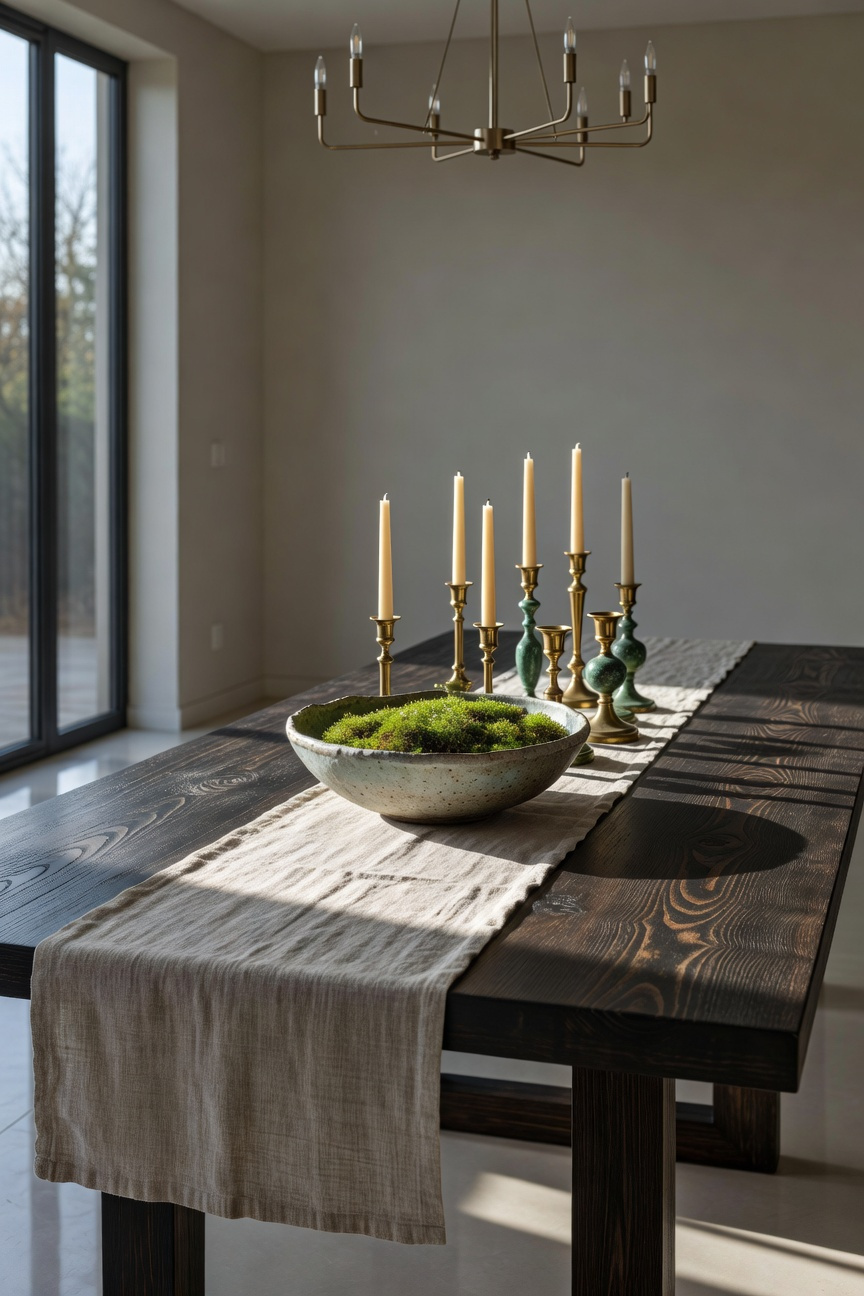
Furthermore, a dormant table desperately demands bold sensory richness. You should always start with a deeply textured foundation layer. For instance, a vibrant embroidered linen runner adds immediate warmth. Living sculptures are also perfect for keeping the room’s energy dynamic. Specifically, I love pairing rustic timber dough bowls with fresh, seasonal pomegranates. Alternatively, shimmering selenite towers offer a luxurious, low-maintenance glow. This clever layering completely prevents the space from looking unapproachably static.
An everyday tablescape must look impeccable from every possible angle. The traditional “rule of three” ensures perfect 360-degree compositional balance. Typically, I combine a bold ginger jar, exquisite brass candleholders, and vintage books. However, you must keep these everyday focal points below twelve inches tall. This vital height restriction preserves an open, inclusive line of sight across the room. Additionally, in modern open-concept spaces, vertical styling serves an architectural purpose. A beautifully patterned statement urn securely anchors the dining zone. Consequently, your grand table never floats aimlessly between weekend dinner parties.
15. Curating the Permanent Centerpiece: Floral Architecture and Curio Objets d’Art
Traditionally, the dining table served a purely utilitarian, functional purpose. Today, we transform this expansive surface into a luxurious *Wunderkammer* (cabinet of curiosities). The permanent centerpiece acts as a glamorous visual anchor. This evolution heavily nods to the historic French *surtout de table*. However, modern curation favors fearless, personality-rich botanical architecture. Consequently, we often abandon temporary grocery-store blooms for structural, preserved botanicals. Odorless dyed eucalyptus and high-quality “real-touch” orchids maintain lasting, opulent textures. Furthermore, I like to use Japanese Ikebana principles to engineer these forms. This creates striking, cantilevered silhouettes that utilize elegant negative space. Therefore, the arrangement feels incredibly grand without blocking diner conversation.
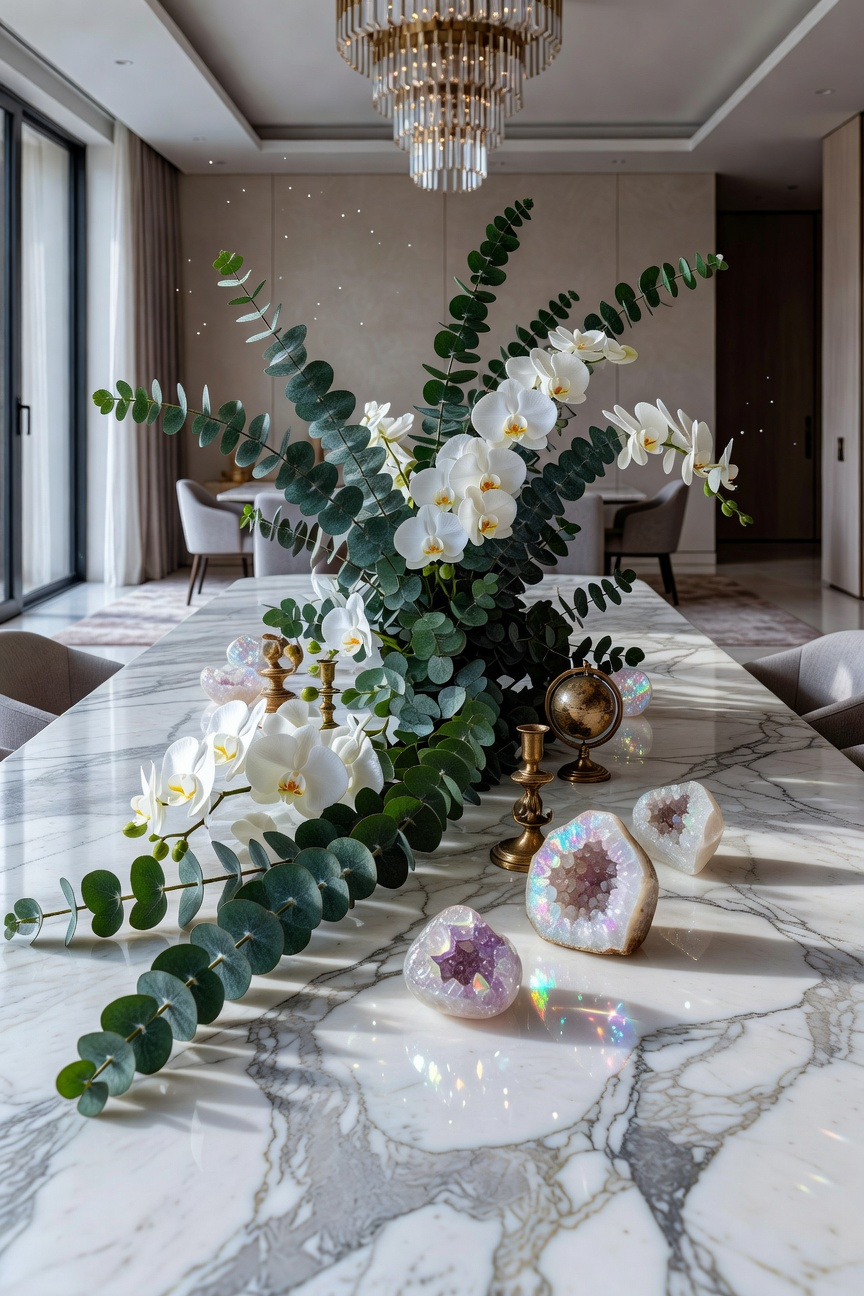
To achieve true design alchemy, you have to mix these organic forms fearlessly. Next, introduce striking curio *objets d’art* right into the foliage. This organized chaos beautifully blends natural wonders with fascinating scientific curiosities. For instance, try pairing ancient bog oak with complex brass armillary spheres. Then, place a highly polished obsidian orb right beside them. Naturally, this clash of primal and refined objects sparks immediate dinner conversation. Keep in mind, designers strictly follow the essential twelve-inch height rule for these items. By keeping the visual weight low, you preserve the meal’s intimate theater. Ultimately, this slow-design approach crafts a much deeper interior legacy. Thus, you replace cheap, disposable decor with a beautiful, continuous ritual.
16. Layering Luxury Textiles: Heavy Silks, Crushed Velvets, and Embroidered Table Runners
To truly master a dining room, we must move beyond simple decoration. Instead, we have to step into the opulent realm of textile architecture. Specifically, layering rich, heavy fabrics allows you to manipulate both light and sound.
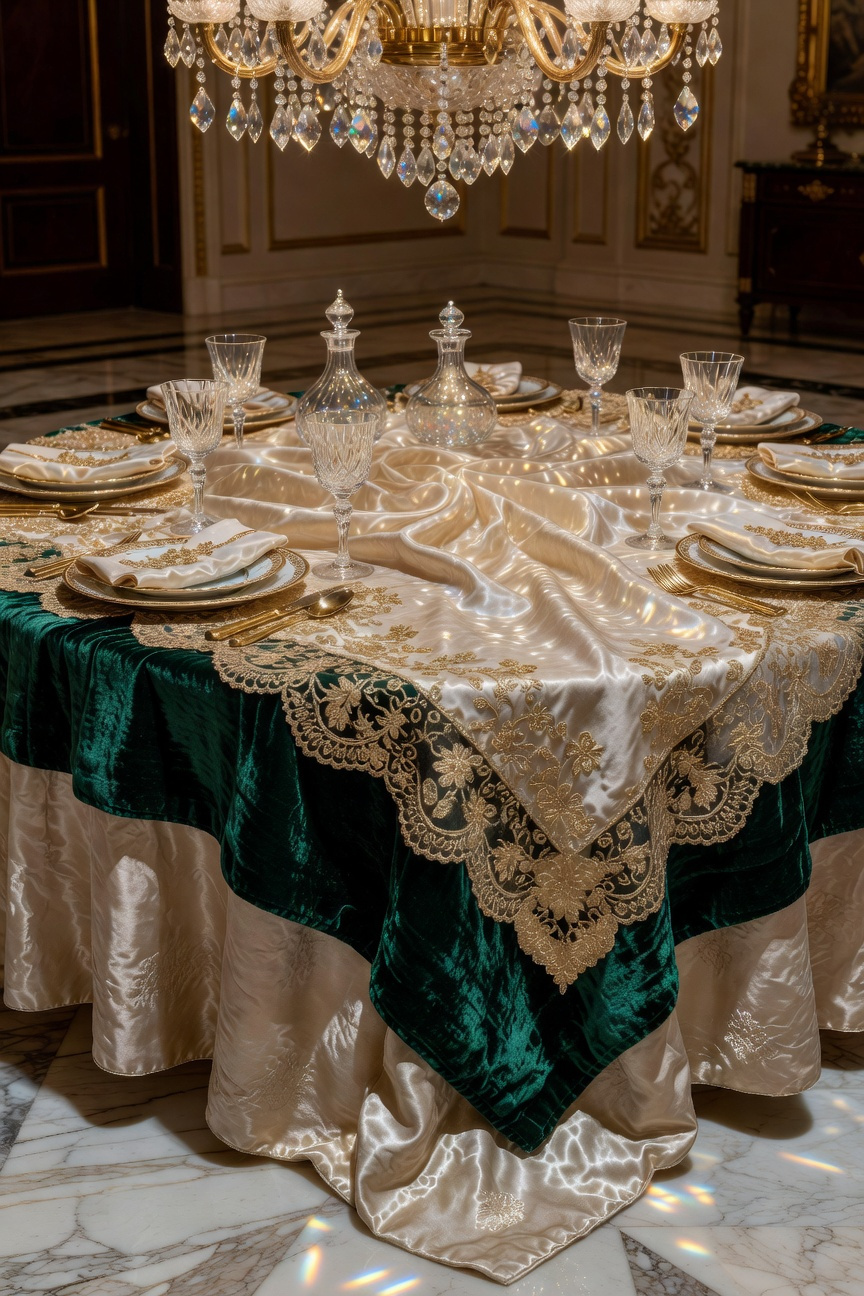
Heavy silks and crushed velvets actually share a fascinating, opposing relationship. For example, silk Dupioni features irregular yarns known as slubs. Consequently, these tiny fiber peaks catch the light to produce a crisp shimmer. Conversely, thick crushed velvet acts as a profound light absorber. Therefore, its twisted pile creates moody, deep shadows right across the table. Together, the mirror-like silk and shadowy velvet completely prevent flat, boring surfaces.
Next, consider the structural impact of an embroidered table runner. Historically, this narrow layer began purely as protection against messy diners. Eventually, it evolved into a prestige stage for displaying valuable silver. Today, we utilize heavy techniques like Persian Zardozi to add literal sculpture to the table. Indeed, metallic goldwork threads are expertly stitched over soft velvet. Thus, your guests encounter a surprising, delightful tactile friction when reaching for their wine glass.
Furthermore, these layered textiles serve a vital acoustic management purpose. Modern dining rooms frequently suffer from loud, echoing hard surfaces. Fortunately, dense velvets and heavy momme-weight silks act as brilliant sound baffles. In fact, the soft pile effectively traps those sharp, annoying clinking noises. Ultimately, this quiet, soft-focus environment subconsciously encourages guests to linger longer. As a result, heavy textiles foster incredible warmth and genuine intimacy.
17. The Entertainment Flow: Calculating Spatial Clearance for Flawless, High-End Hosting
To achieve flawless hosting, a dining space must function as beautifully as it looks. Specifically, the table acts as a dynamic, deeply layered social ecosystem where movement is everything. Therefore, standard 24-inch chair spacing is entirely insufficient for genuinely opulent environments. Instead, fearless hosting demands a generous 30-inch interval per guest. Crucially, this extra width beautifully accommodates oversized, velvet-upholstered dining armchairs. It also completely prevents uncomfortable elbow-clashing amid elaborate, multi-course meals. Naturally, guests can enjoy multiple wine glasses and complex place settings without ever feeling cramped. In fact, even the acoustic profile improves dramatically when guests possess ample breathing room.
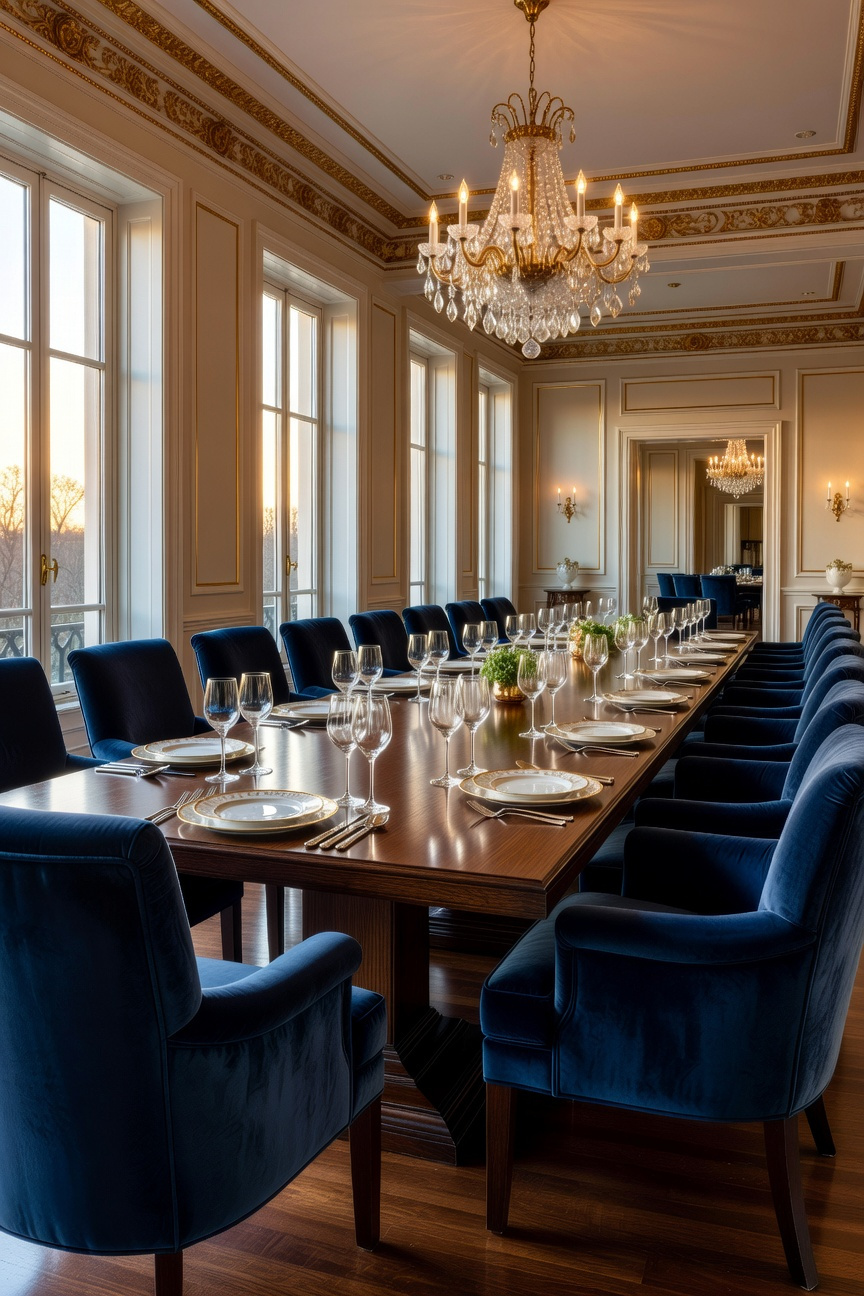
Similarly, the physical clearance behind these bold chairs dictates the entire room’s dinner choreography. Flawless luxury service actually requires a strict 48-inch clearance corridor behind the seats. Consequently, hosts can glide seamlessly past guests while carrying heavy silver platters. This silent pass ensures that no brushed elbows disrupt the flowing conversation. Additionally, the kinetic act of pushing back your seat requires thoughtful spatial planning. Rugs matter immensely here. Specifically, the sweeping exit arc of a heavy armchair demands expansive floor coverings. Therefore, plush area rugs must extend at least 36 inches outward from the table edge. Otherwise, chair legs will catch abruptly on the rug’s fringe. Clumsy exits completely shatter the carefully crafted illusion of luxury.
Visual clearance above the dining table remains equally vital to the room’s atmosphere. Typically, grand chandeliers should hang precisely 32 to 36 inches above the surface. Thus, they cast a deeply intimate pool of glowing, focused light. Meanwhile, sight-lines remain completely unobstructed across the heavily decorated table. Finally, setting up generous 68-inch buffers around buffets will easily prevent awkward bottlenecks during tableside wine service. True luxury accommodates complex hosting without the guests ever noticing the immense effort.
18. The Emotional Resonance: Transforming the Dining Room Table into a Canvas for Personal Storytelling
I’ve always believed the dining room table acts as a sophisticated narrative engine for the modern homeowner. Its physical silhouette literally dictates the plot of your domestic interactions. For example, a round pedestal table instantly creates a democratic canvas. Consequently, every single seated guest holds equal weight within the conversation.
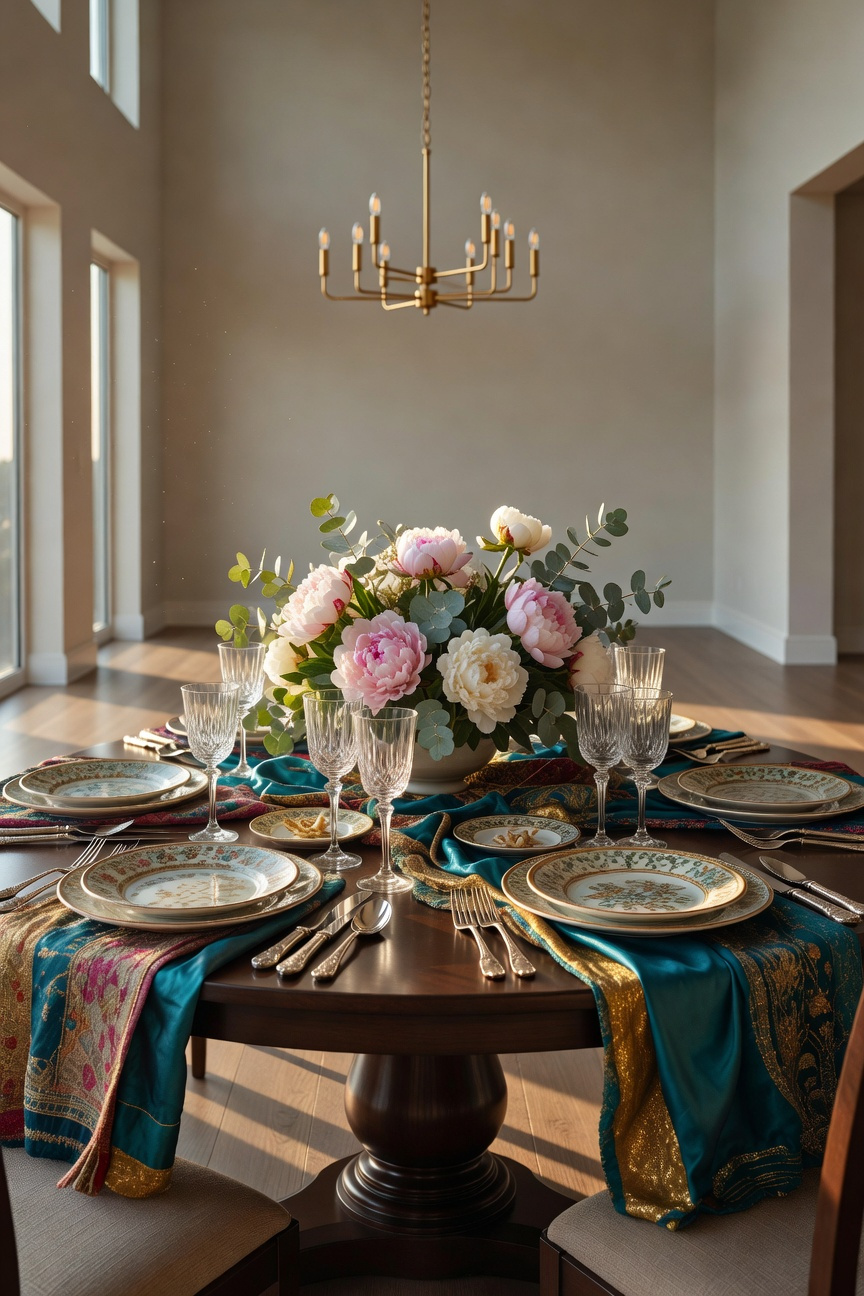
The surface also invites profound autobiographical expression through opulent tablescaping. Layering rich, multicultural textures builds a deep, tactile history for your family. Designers often drape vibrant, hand-printed linens straight over reclaimed timber. Next, we integrate grandmother’s delicate fine china alongside bold, modern charger plates. Indeed, these cherished heirlooms perform a beautiful ritual of generational continuity. Simultaneously, layered lighting serves as vital emotional punctuation for the diners. Flickering taper candles will instantly soften the frantic pace of the evening. Ultimately, this warm glow invites guests to linger and share their best stories around your dining room table.
However, I must confess that a truly perfect dining table is never perfectly spotless. Instead, the real narrative emerges through a philosophy of ordered disorder. Specifically, spilt wine rings and crumpled linen napkins represent a beautiful, lived reality. Therefore, this messy post-dinner debris actually becomes a piece of visual theatre. This tactile, analog canvas fosters crucial intergenerational connection away from screens. In the end, breaking bread creates an irreplaceable emotional resonance that no flawless showroom can match.
Frequently Asked Questions
What size dining room table do I need for 10 guests?
To host 10 guests comfortably in a luxury setting, a rectangular table should be at least 10 to 12 feet long. If you prefer a round table, a diameter of 72 to 84 inches is absolutely required. Therefore, each guest receives approximately 24 to 30 inches of elbow room, allowing for generous place settings and oversized armchairs.
What is the most durable luxury material for a dining table?
While delicate marble and glowing onyx offer unparalleled beauty, high-quality hardwoods like walnut, oak, and teak are infinitely more durable for daily use. However, if you are set on choosing stone, Quartzite (not to be confused with engineered Quartz) offers a gorgeous natural aesthetic. In fact, it provides superior resistance to scratching and acid etching compared to standard marble.
How much clearance is needed around a dining room table?
For a professional service flow and basic guest comfort, you must maintain a minimum of 36 inches of clearance from the table edge to the wall. However, 48 inches is the true gold standard for high-end hosting. Indeed, this generous spacing allows servers or hosts to pass safely behind seated guests without causing any disruptions.