Creating a home is an act of profound self-care—every choice reflects not just aesthetic taste, but a deeper intention for how you want to feel in your daily life. The most compelling sanctuaries aren’t simply decorated; they are authored with purpose. They tell a story of grounding, restoration, and well-being. And no element is more foundational to this story than the surface that meets your bare feet each morning.
The choice among bathroom flooring options is one of the most significant you’ll make in crafting a space that truly nurtures. It’s about more than just water resistance; it’s about the thermal comfort that soothes your nervous system, the tactile sensation that connects you to the earth, and the visual harmony that calms a busy mind. These 20 principles and materials will help you distinguish a truly restorative sanctuary from a room that is merely functional. Let’s build your haven from the ground up.
The Foundation of Feeling: How Your Floor Shapes Your Sanctuary
Before we touch on specific materials, we must understand the sensory language of a floor. It is the grounding element of a room’s feng shui, the silent partner in your daily rituals. Its texture, temperature, and even its sound absorption properties create the subconscious backdrop for every moment you spend there.
1. The Language of Touch and Temperature
Our bodies are incredibly attuned to the surfaces we touch. A cold, hard floor on a winter morning can create a physiological stress response, a subtle jolt to the system. The philosophy here is to choose a floor that offers a gentle, welcoming touch. This could be the inherent warmth of natural cork, which feels soft and yielding, or the luxurious, consistent heat radiating from a hydronic system beneath stone tiles.
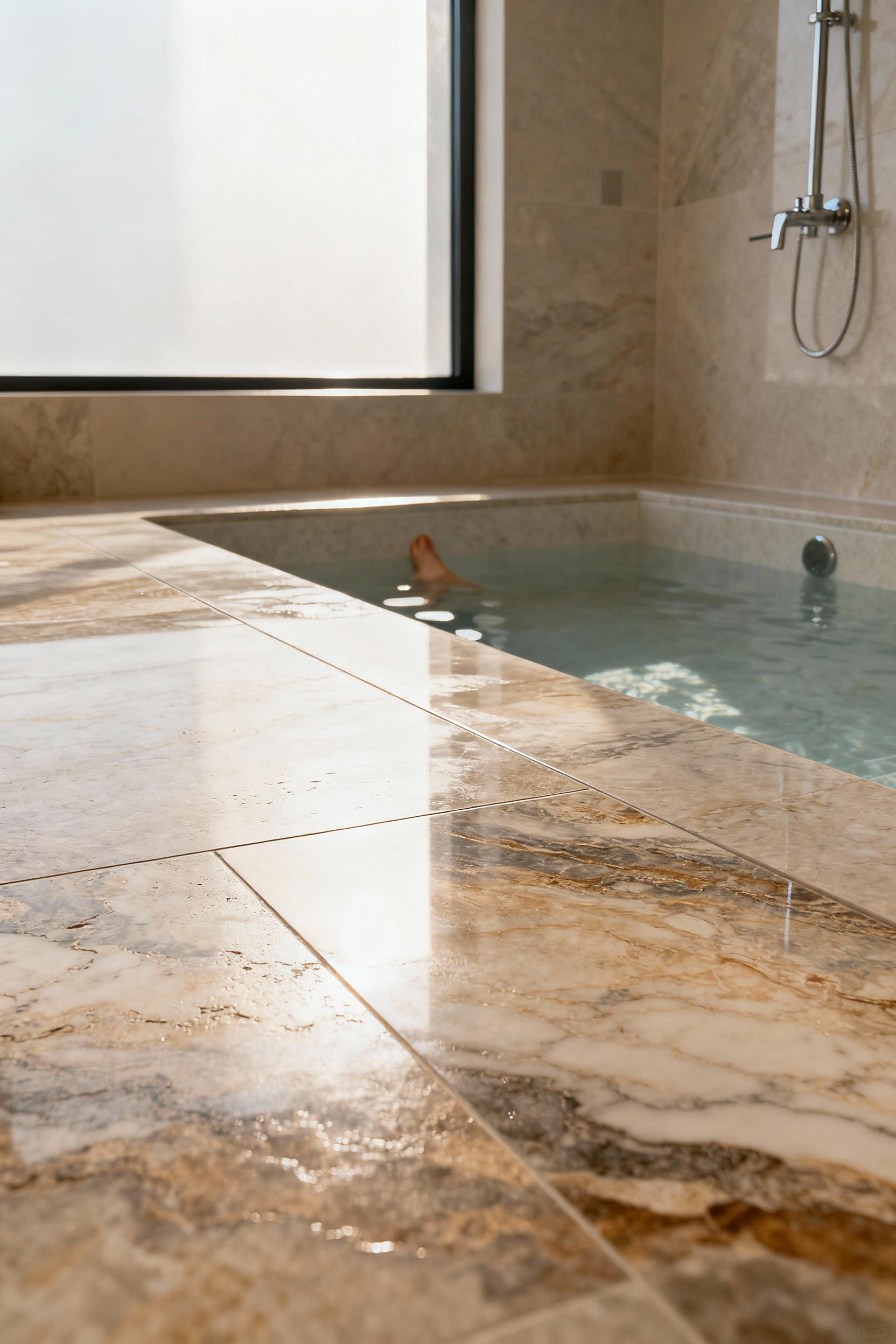
In my wellness sanctuary design practice, I often guide clients to visualize their morning routine. Do you want the cool, grounding sensation of honed slate, reminiscent of a river stone, or the enveloping warmth that feels like a gentle hug for your feet? The thermal and tactile experience isn’t an afterthought; it is a primary design tool for creating a state of calm. This choice programs your body to relax the moment you step into the space.
2. The Psychology of the Surface
The visual character of your floor creates a powerful psychological anchor. A surface with biomorphic patterns—like the gentle veining in marble or the soft grain of wood-look porcelain—connects us to the soothing, non-linear patterns of nature. This principle, drawn from biophilic design, is known to reduce stress and improve focus.
A seamless, large-format tile can make a small bathroom feel more expansive and serene, reducing visual clutter and calming the mind. Conversely, a mosaic of small, smooth river stones in a shower can provide a gentle foot massage, a moment of embodied mindfulness. Think of your floor as the visual and energetic foundation, setting the tone for either calm expansiveness or intimate, grounded security.
3. Embodying Nature’s Strength
Biophilic design is about more than just adding plants; it’s about integrating materials that speak to nature’s resilience and authenticity. Flooring made from natural stone, sustainable wood, or recycled glass carries an inherent connection to the earth. This material honesty creates a sense of stability and timelessness that synthetic materials often struggle to replicate.
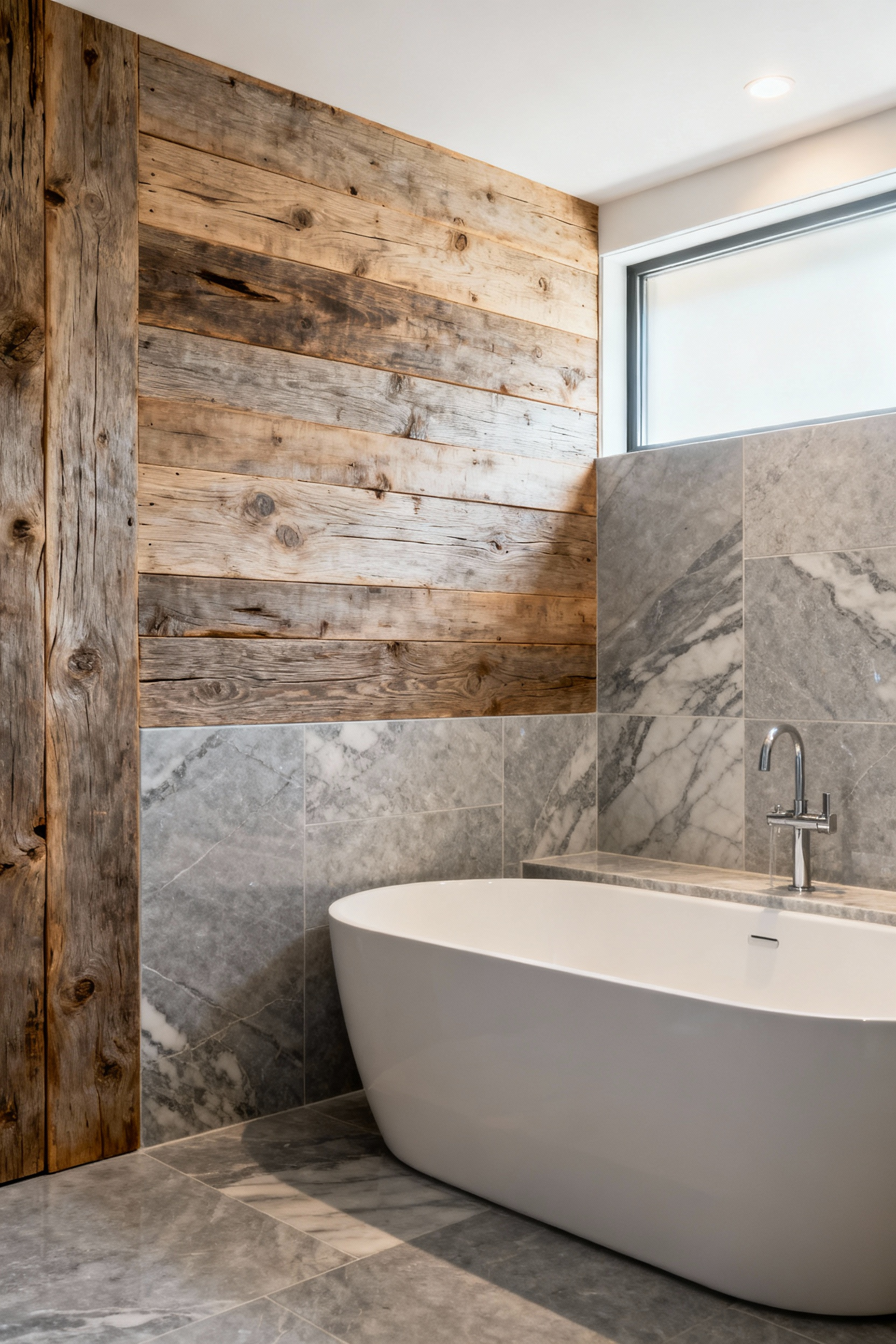
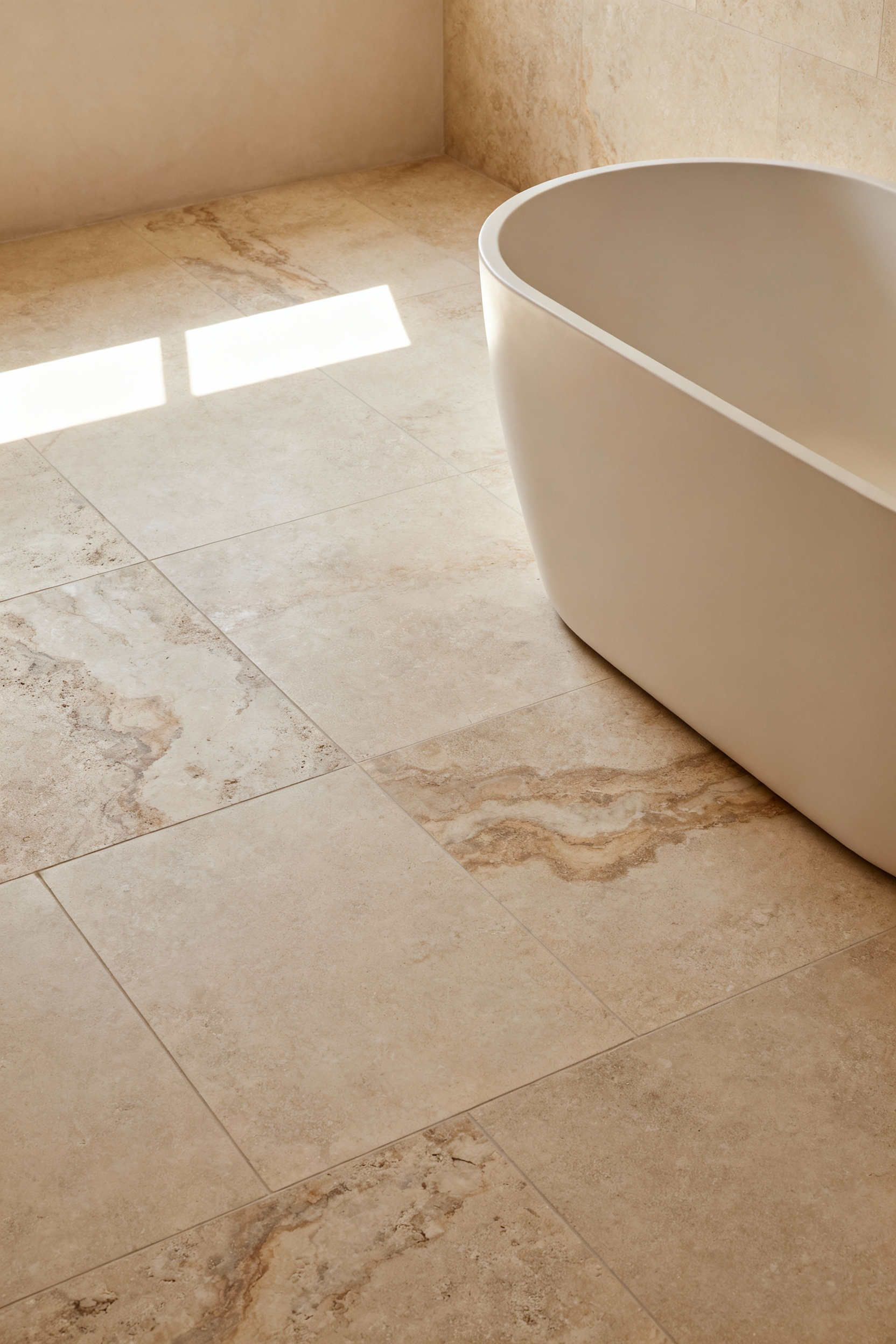
When we choose materials that have an earthly origin, we subconsciously tap into that feeling of enduring strength. The knowledge that your travertine floor was formed over millennia in geological springs brings a profound sense of permanence and peace to a space. It’s a silent reminder that your sanctuary is built upon something real, timeless, and deeply connected to the planet.
4. The Importance of Acoustic Calm
A bathroom is often a place of echoes. Hard surfaces can amplify every sound, from a running faucet to a dropped bottle, creating a jarring auditory environment. The acoustics of your flooring are critical to fostering tranquility. Materials with natural sound-dampening properties can transform the room’s energy.
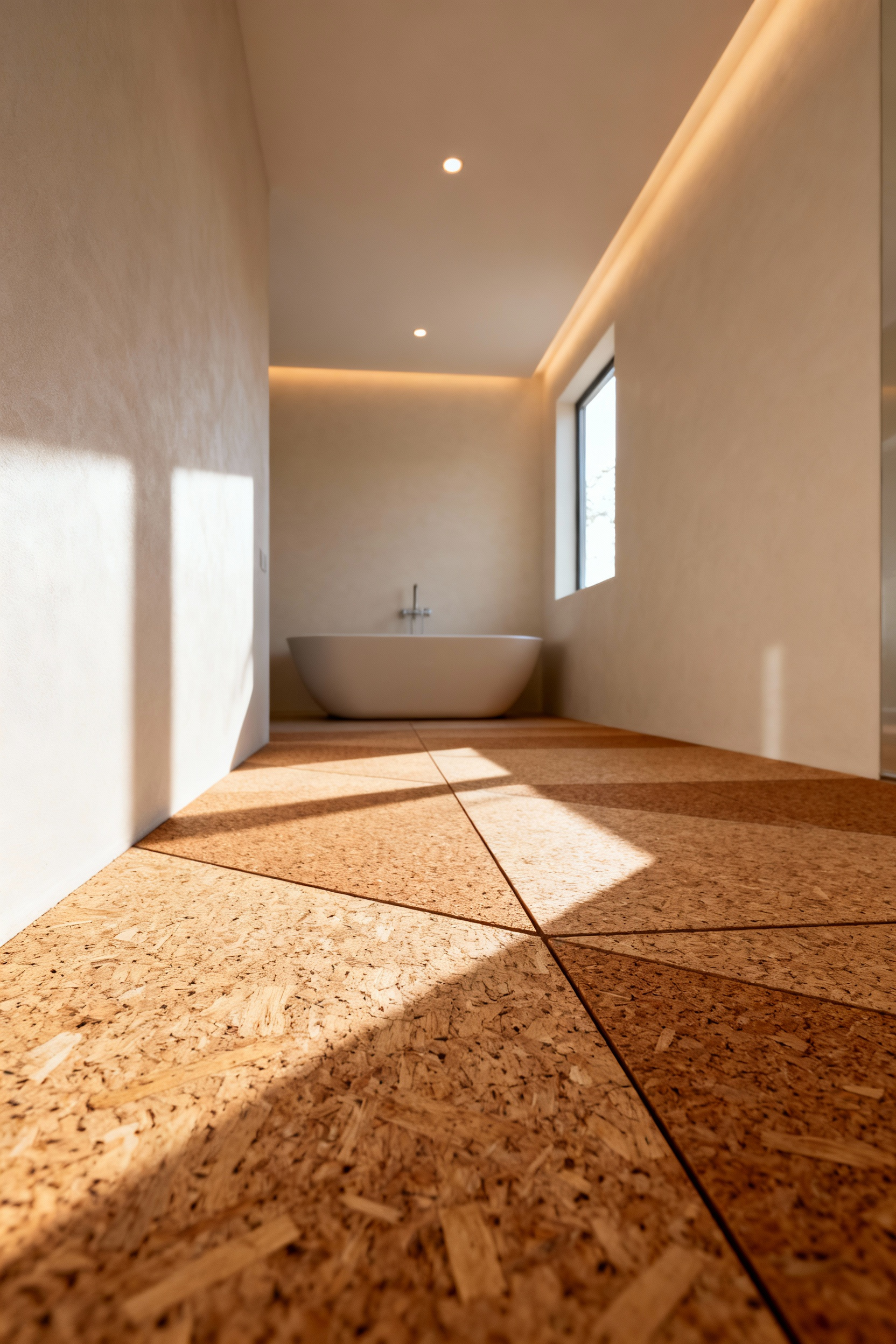
Cork, luxury vinyl, and certain engineered woods absorb sound, creating a softer, quieter atmosphere. Even when using porcelain or stone, the use of a high-quality acoustic underlayment can make a remarkable difference. A quieter room is a less stressful room. It allows the gentle sounds—the flow of water, your own breath—to become the focus, turning a simple bath into a meditative experience.
5. Durability as a Form of Peace
A floor that stains, chips, or requires constant, fussy maintenance introduces a low level of chronic stress into your life. Choosing a durable material is an act of self-care that pays dividends for years. The peace of mind that comes from knowing your floor can withstand daily life without showing wear is a crucial component of a low-stress home.
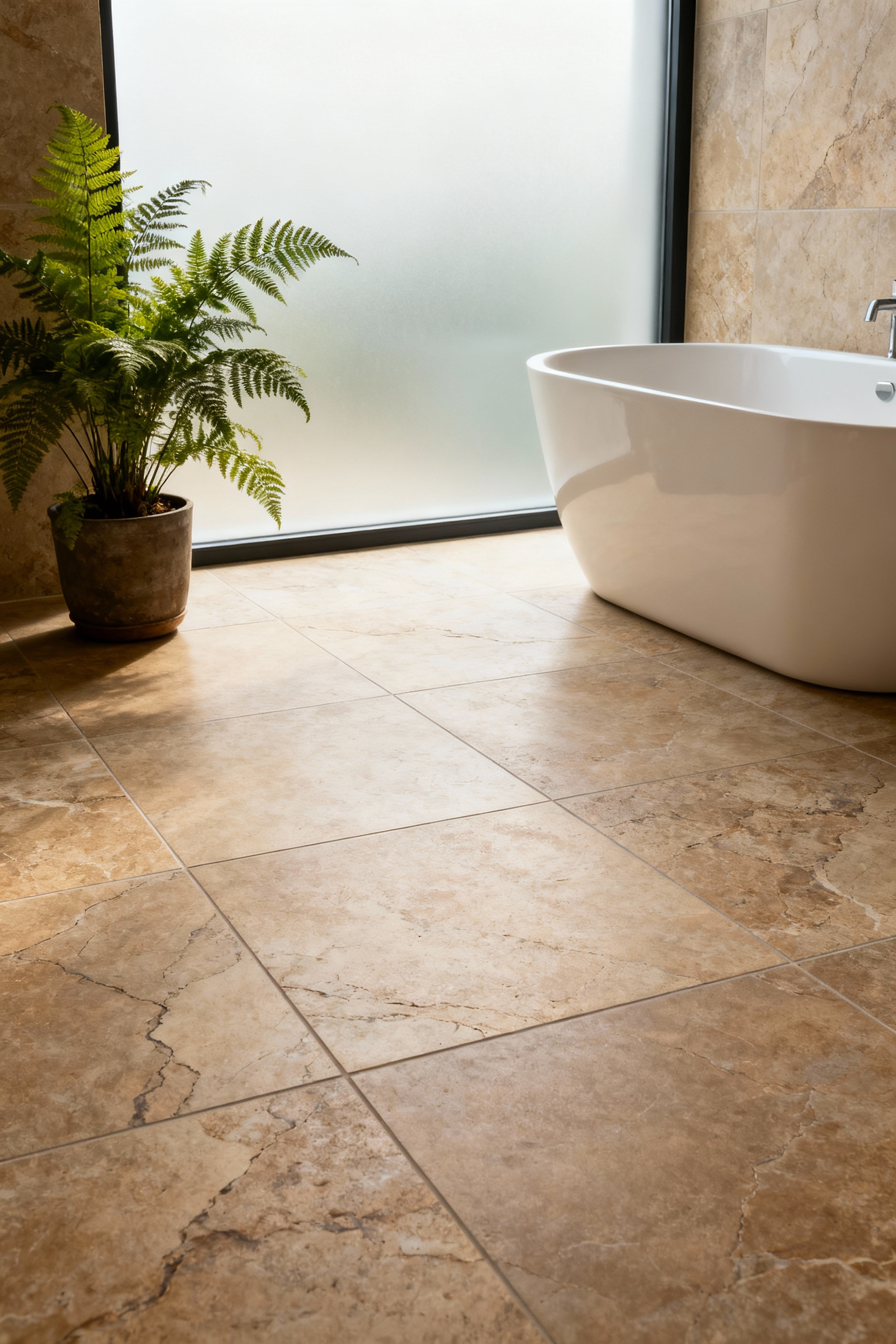
This doesn’t mean sacrificing beauty. Modern porcelain stoneware offers incredible resilience alongside flawless replications of natural materials. Sealed natural stone, when cared for, becomes more beautiful with age. The goal is to create a space that feels effortless to live in, and that begins with a foundation that is as strong and reliable as it is beautiful.
Speaking Through Substance: The Personality of Materials
Once you understand the sensory principles, you can explore materials for their unique voice. Each option has an inherent personality that will contribute to the overall story of your bathroom sanctuary.
6. Porcelain Stoneware: The Resilient Chameleon
Porcelain is a marvel of material science, offering the perfect blend of aesthetic versatility and unwavering performance. Fired at extreme temperatures, its dense, non-porous body is nearly impervious to water, stains, and bacteria, making it a cornerstone of a hygienic and low-stress environment. For the mind, this translates into peace—a surface that will not demand constant worry.
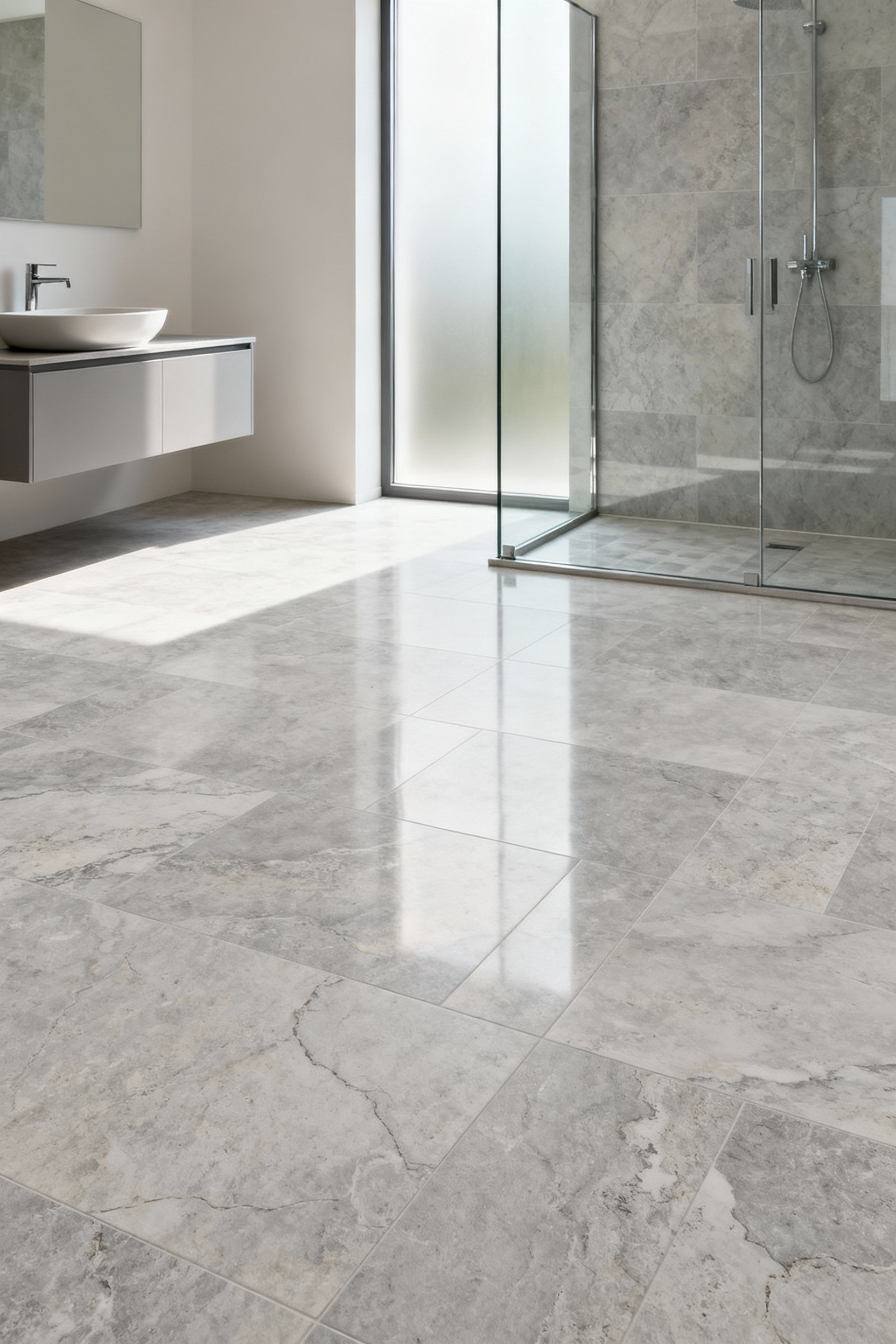
What’s truly wonderful about porcelain is its ability to wear any costume. It can perfectly capture the soft veining of Calacatta marble, the warm grain of white oak, or the raw texture of slate, all while providing superior durability. In my holistic home design work, I’ve found that porcelain gives my clients the freedom to achieve a deeply naturalistic look without the associated maintenance, allowing them to focus purely on the restorative qualities of the space.
7. Natural Stone: Earth’s Artistry
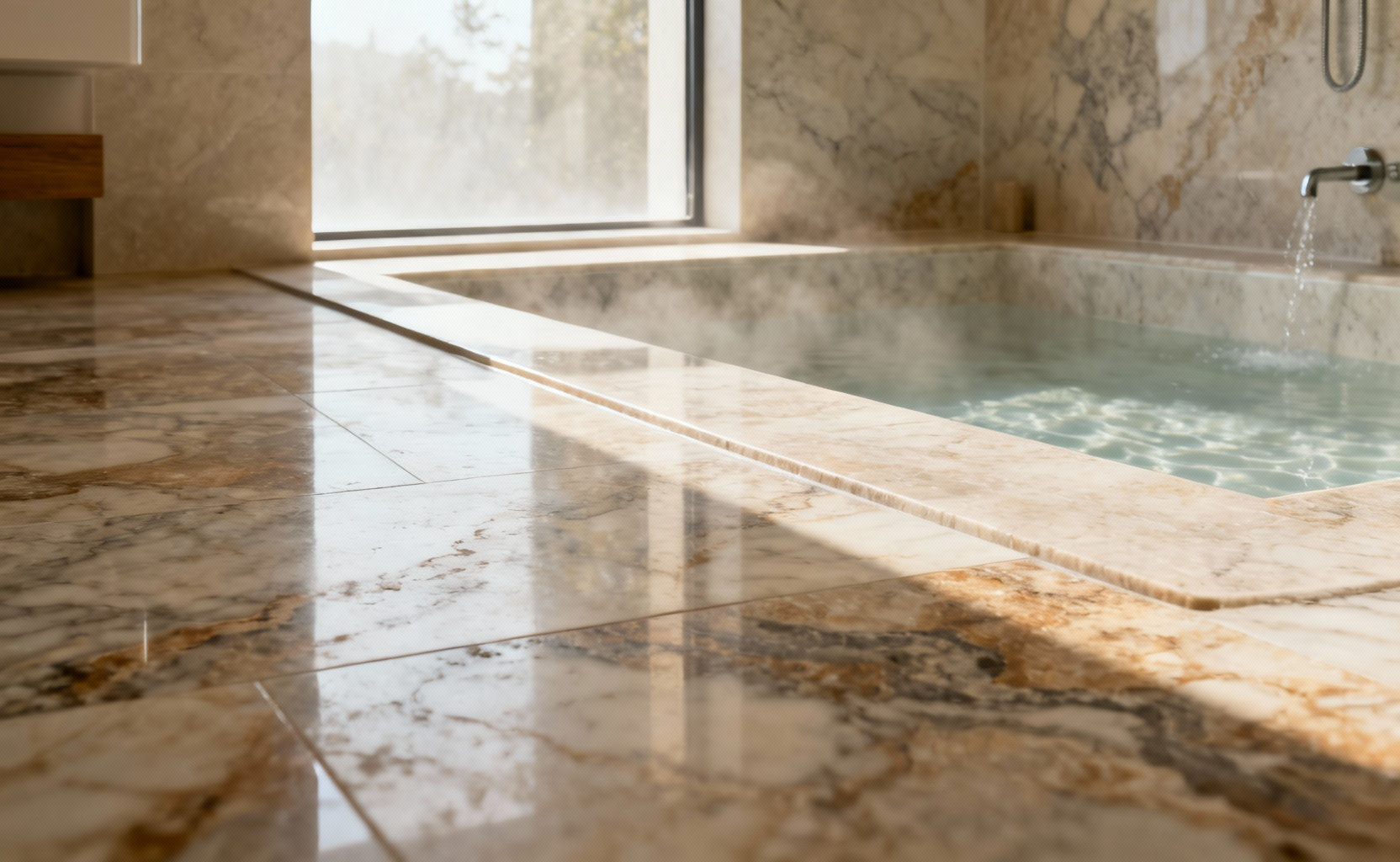
Choosing natural stone—be it marble, travertine, slate, or limestone—is about inviting a piece of the earth’s history into your home. Each tile is unique, a geological fingerprint carrying the story of its formation. This inherent authenticity offers a profound sense of grounding. Marble brings luminous elegance, travertine a warm and rustic charm, and slate a dark, contemplative mood.
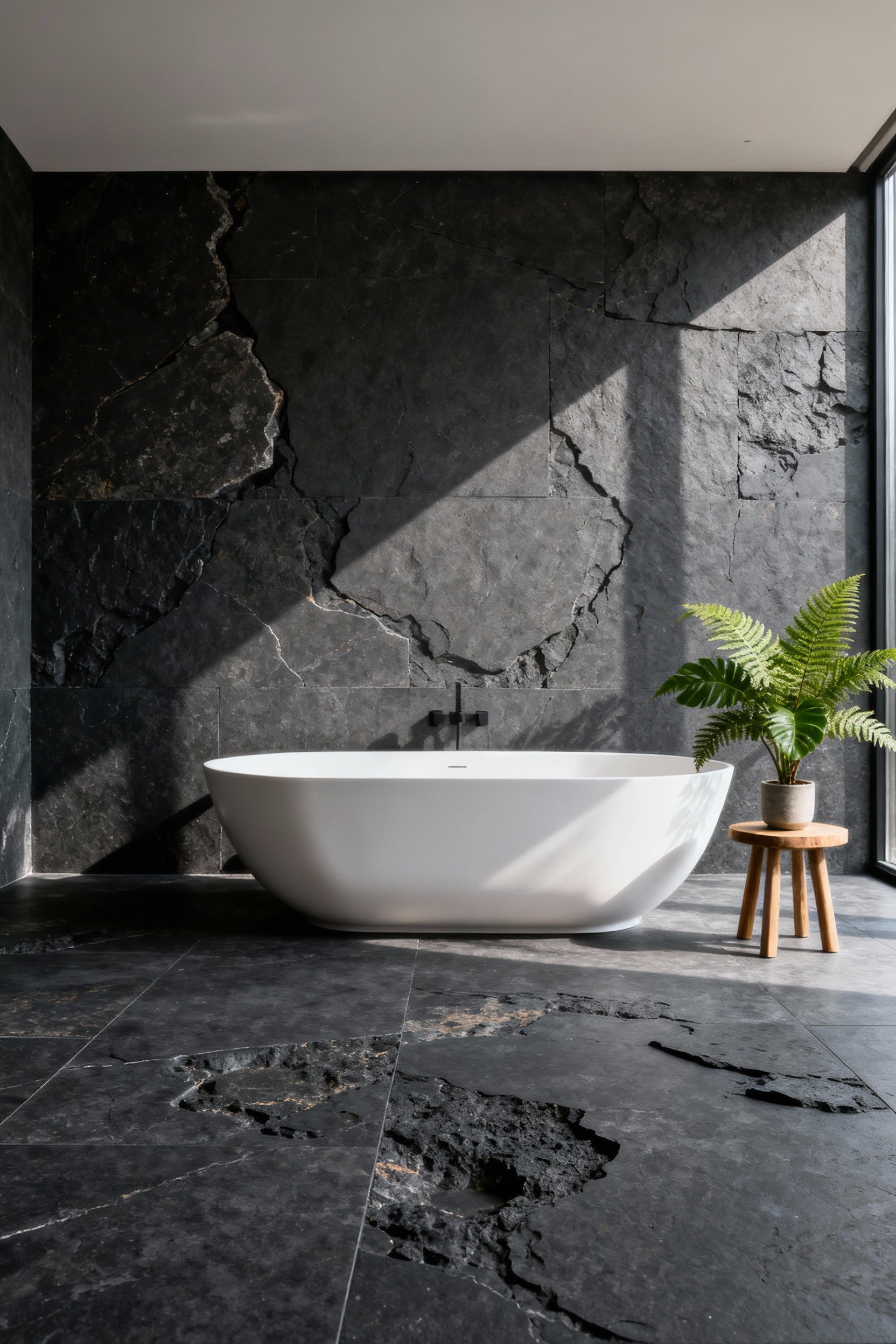
Living with natural stone requires a mindful partnership. Because it is porous, it asks for a ritual of sealing and gentle cleaning. But I’ve noticed this act of care often deepens the inhabitant’s connection to their home. The cool, solid feeling of stone underfoot is a powerful sensory anchor, connecting you directly to the earth’s elemental energy and creating a sanctuary of timeless beauty.
8. Engineered Timber: Nature, Innovated
There is an undeniable psychological warmth that wood brings to a space. It connects us to forests, life, and growth. Engineered timber, with its layered construction, allows us to bring this organic warmth into the bathroom with far greater stability than solid wood. A core of cross-laminated plies resists the expansion and contraction that humidity can cause, while the top layer is genuine hardwood.
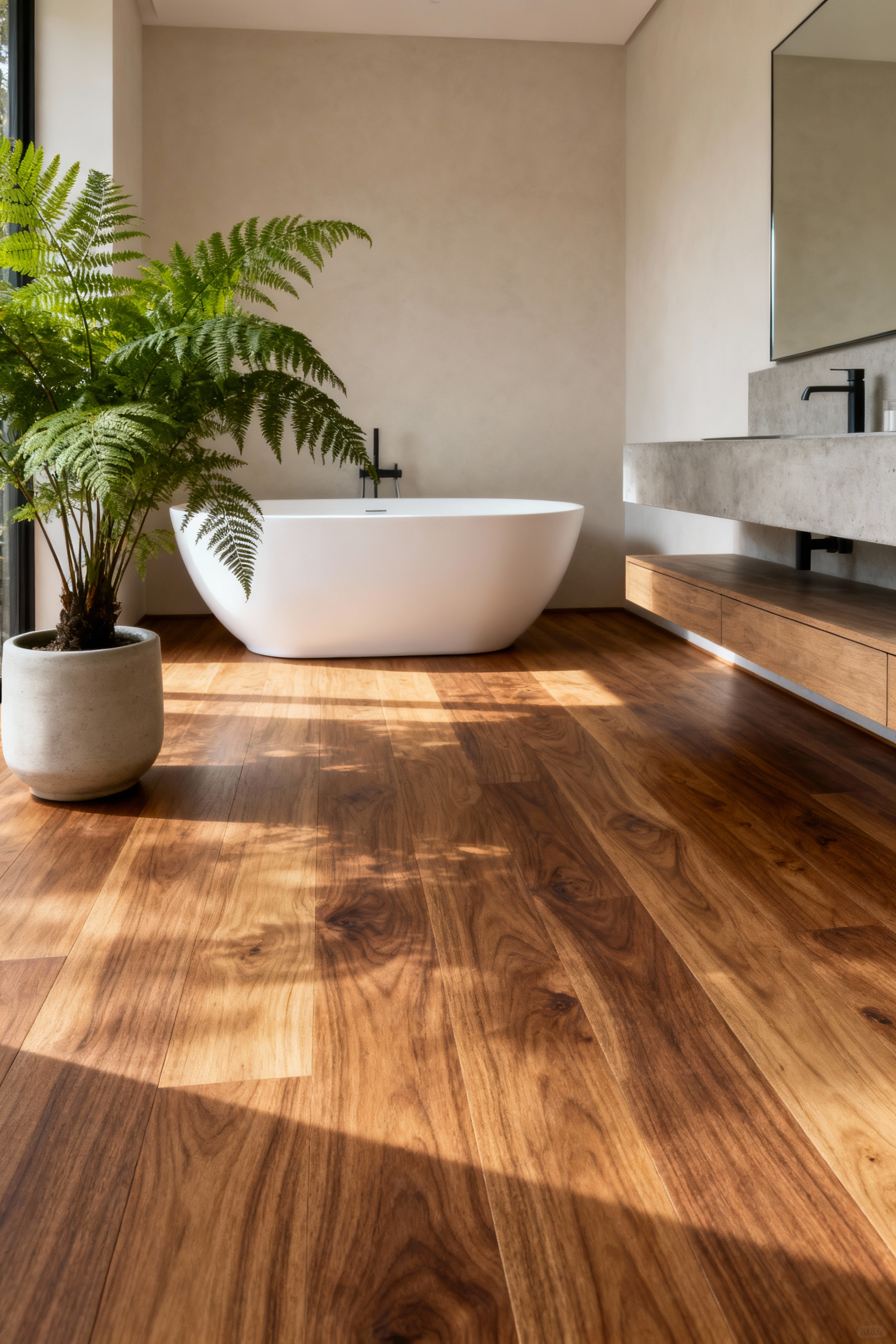
This material softens a bathroom’s hard edges, both visually and acoustically. It feels wonderful underfoot and creates an atmosphere of cozy, spa-like luxury. Paired with a freestanding tub and soft lighting, an engineered wood floor can transform a bathroom into an impossibly comforting and elegant retreat, blending timeless nature with modern innovation.
9. Luxury Vinyl Plank (LVP): The Quiet Performer
Modern luxury vinyl has evolved into a sophisticated and highly practical choice for a wellness-focused bathroom. Its greatest strengths lie in its water-impermeability, durability, and surprising softness underfoot. The core is often a rigid composite material that provides stability, while the top layers offer hyper-realistic visuals of wood or stone and a protective wear layer.
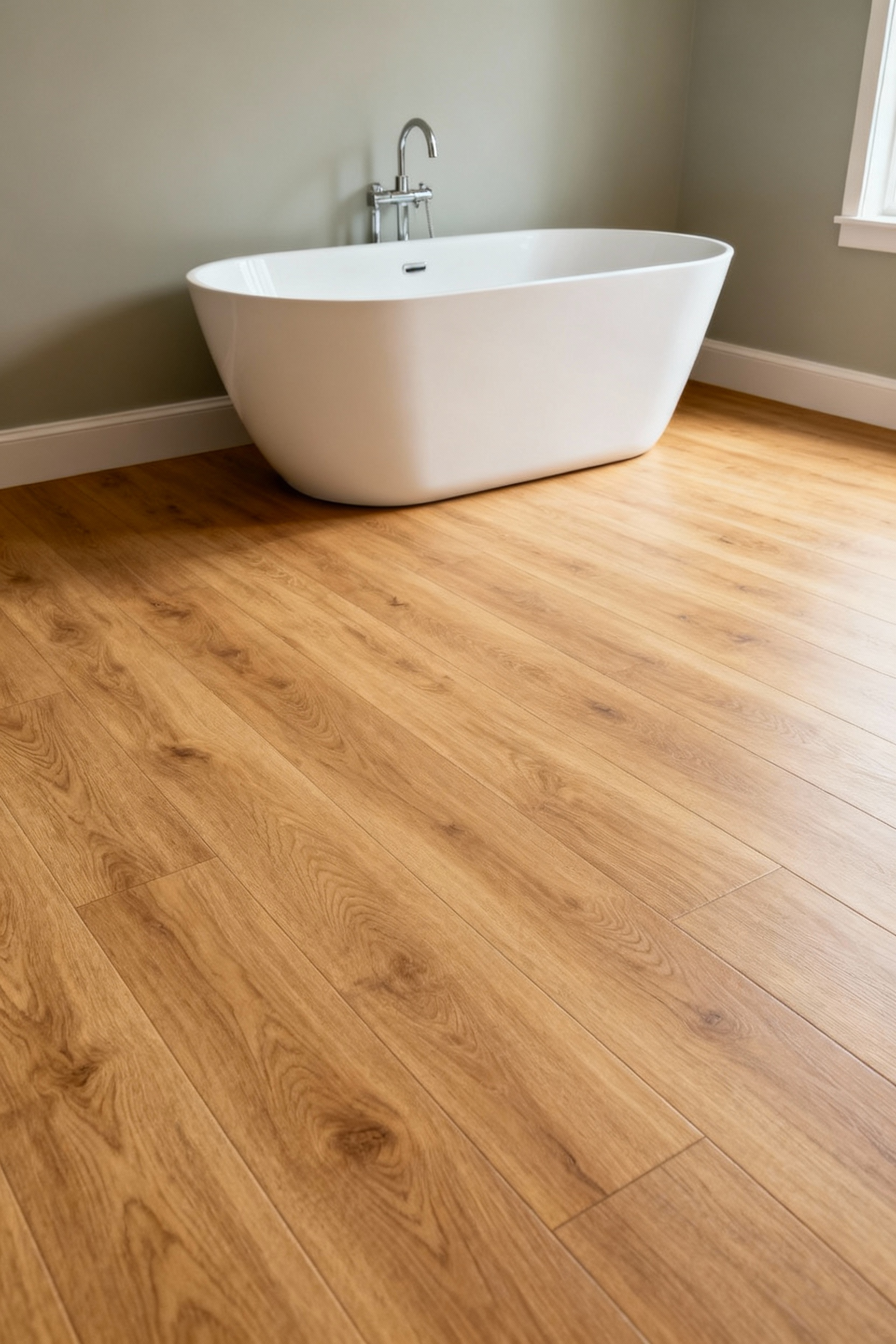
What I find most compelling about LVP from a wellness perspective is its ergonomic and acoustic comfort. It has a slight give that reduces strain on the body, and it significantly dampens sound, contributing to a quieter, more peaceful room. For a busy household that needs a floor that can handle everything with grace while still fostering a serene aesthetic, high-quality LVP is an intelligent and comforting choice.
10. Polished Concrete & Microcement: The Monastic Minimalist
For a truly seamless, minimalist aesthetic, polished concrete or its thinner cousin, microcement, creates a continuous surface that is both modern and elemental. Applied by hand, it can flow from the floor up the walls and into the shower, creating a unified, cave-like enclosure that feels incredibly grounding and serene. The absence of grout lines creates a calm, uncluttered visual field and is exceptionally easy to clean.
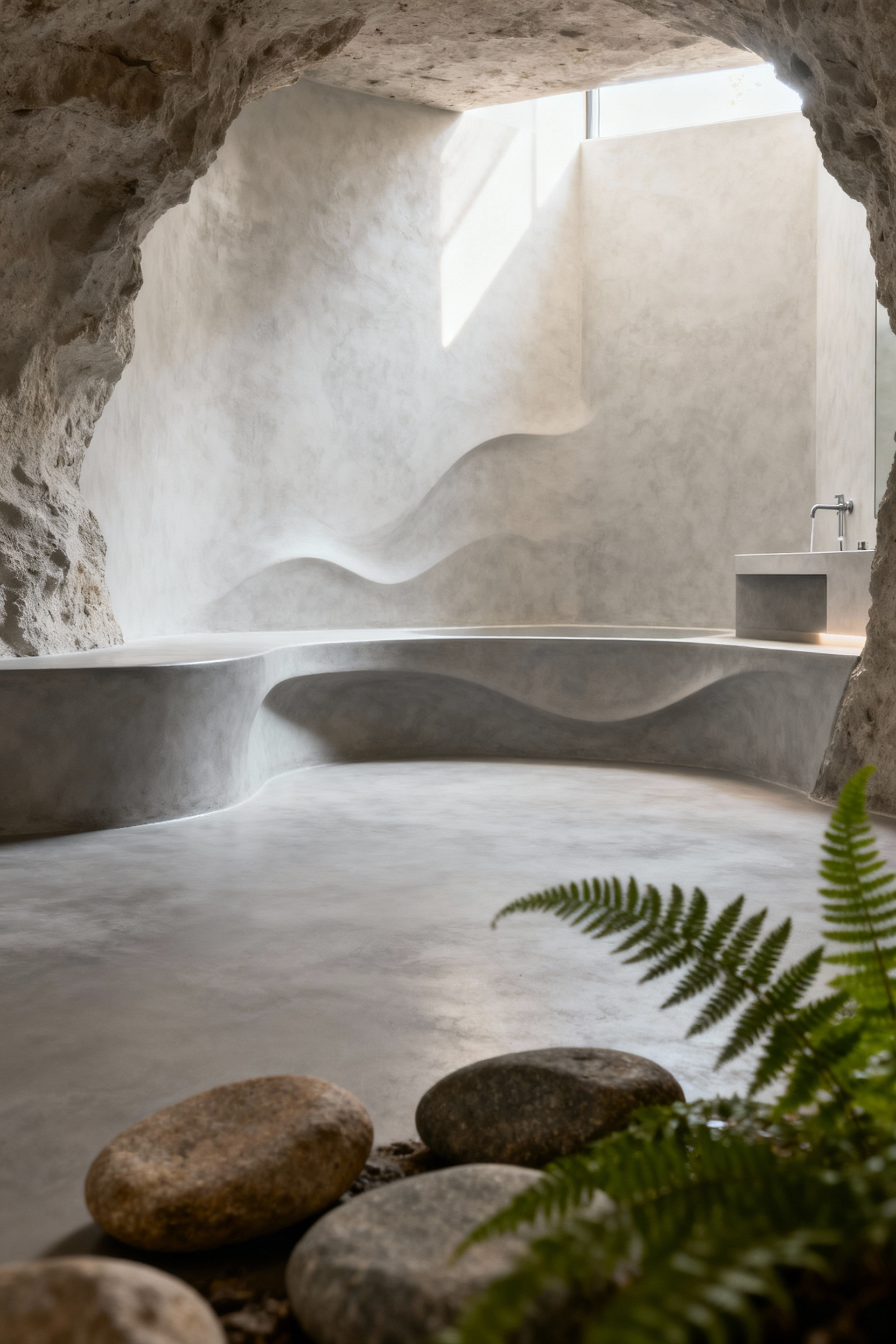
This finish has a subtle, raw beauty that feels both ancient and contemporary. It can be tinted to a wide range of earthy tones, from warm sand to cool grey. Properly sealed, it is completely waterproof and, when paired with radiant heating, transforms from a cool, industrial surface into a source of gentle, enveloping warmth. It’s the perfect foundation for a space dedicated to quiet contemplation.
Designing the Experience: Applying Materials with Intention
With an understanding of materials, we can begin to apply them with intention, using them to craft distinct emotional and functional zones within the bathroom.
11. Safety as Serenity: The Grace of a Secure Footing
A sanctuary should feel unequivocally safe. The fear of slipping, even a subconscious one, is a source of tension. Prioritizing anti-slip surfaces, especially in wet zones, is a non-negotiable aspect of designing for well-being. Look for porcelain tiles with a high DCOF (Dynamic Coefficient of Friction) rating or natural stones with a honed, matte, or brushed finish rather than a high polish.
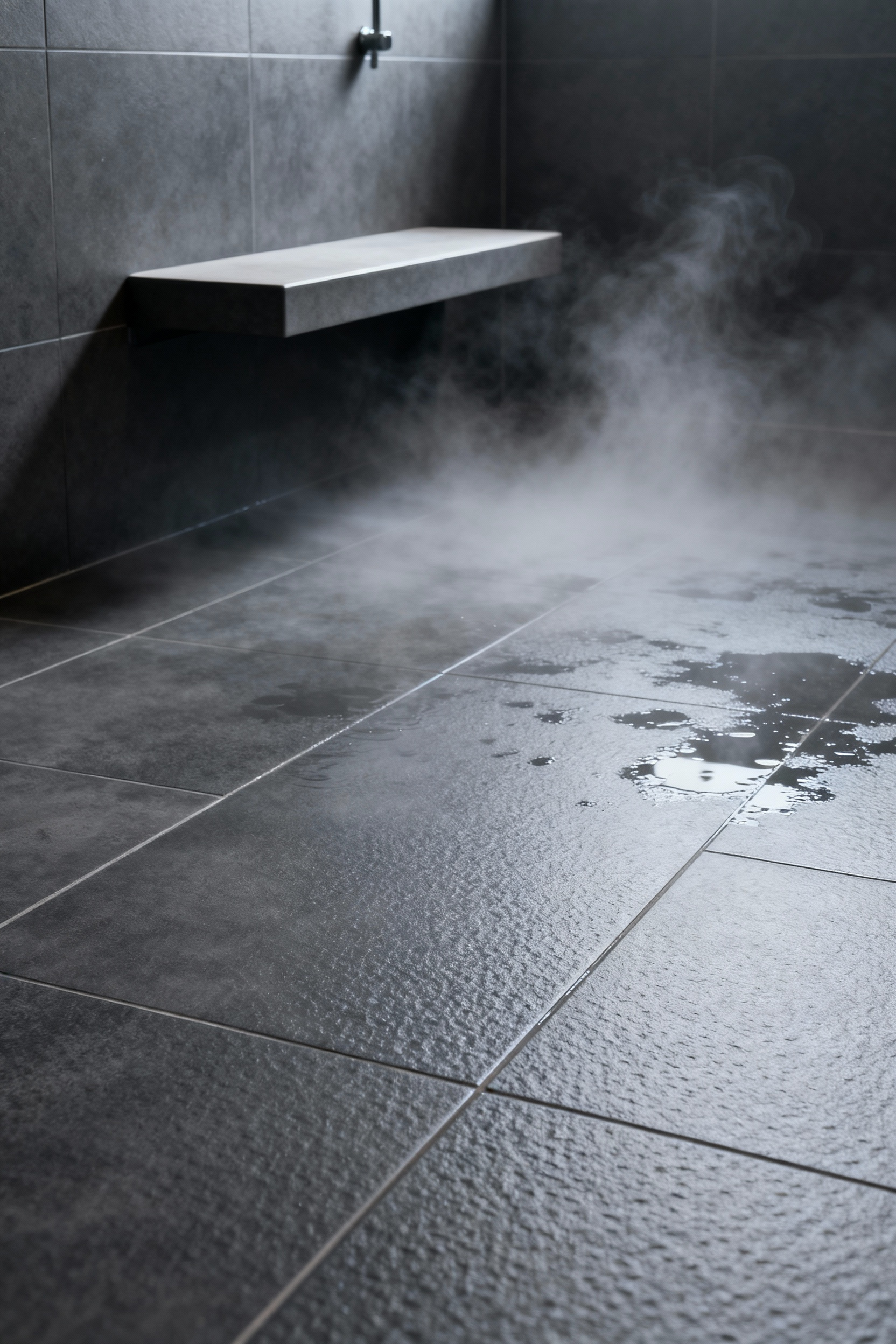
Many modern materials now incorporate subtle, built-in textures that provide grip without feeling rough. In my experience with healing environment creation, I’ve seen how this one decision fosters a deep sense of security, allowing for a more relaxed and uninhibited experience in the shower or by the bath. True luxury is the freedom to move with ease and confidence.
12. Radiant Heat: The Embrace of Underfoot Warmth
There is nothing quite like the feeling of stepping onto a gently heated floor. Radiant heating systems, installed beneath tile or stone, transform the entire sensory experience of a bathroom. It is a slow, consistent, and silent warmth that rises gently, heating the objects and people in the room directly. This form of heat feels incredibly natural and comforting, much like passive solar warmth from the sun.
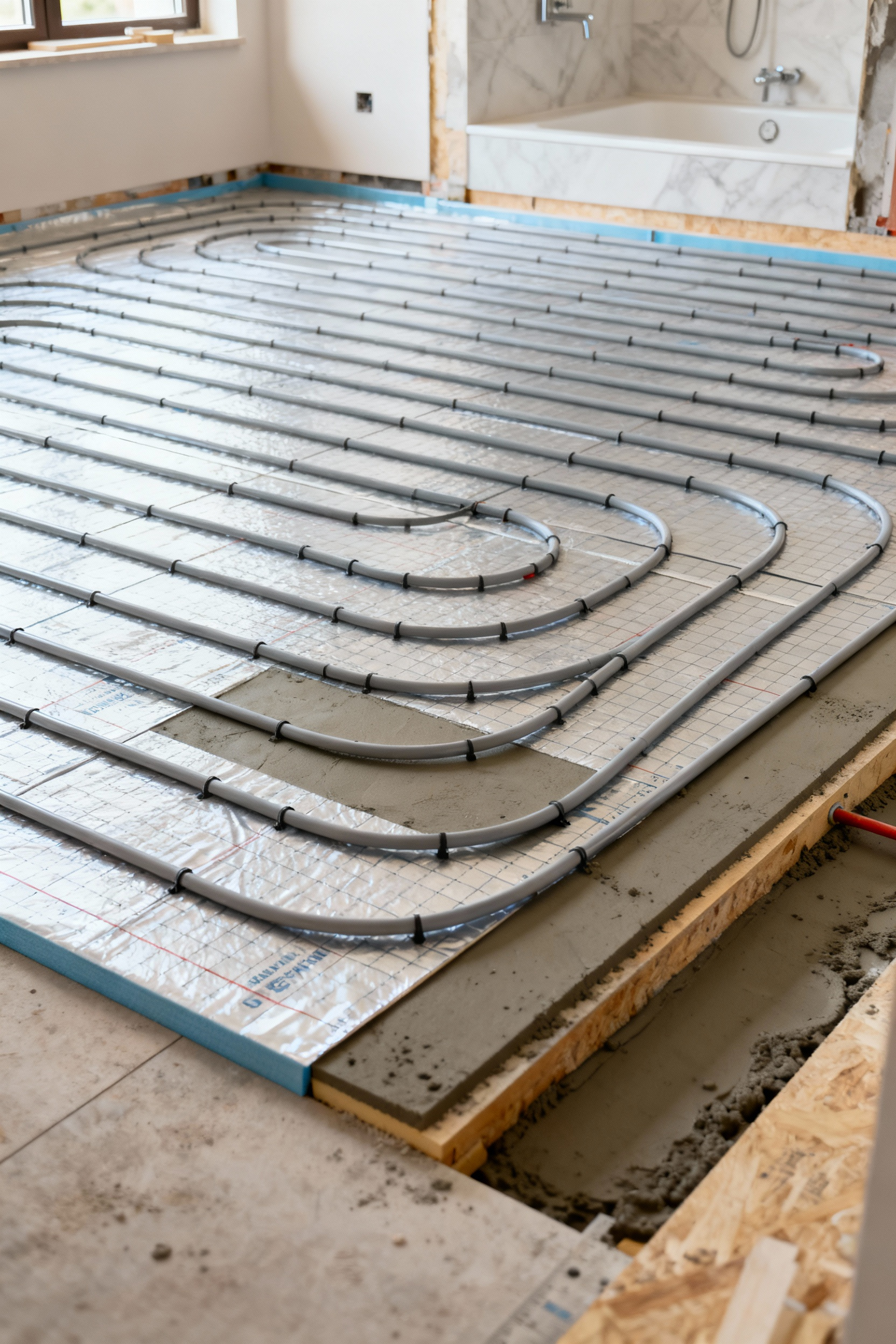
This technology elevates a bathroom from a functional room to a therapeutic space. It eases muscle tension, reduces the chill in the air, and makes the room a destination you long for. Years of holistic home design have taught me that this “invisible” feature has one of the most significant and positive impacts on how my clients feel in their space daily.
13. Seamleass Transitions: The Beauty of Unbroken Flow
Grout lines, while necessary, can create visual noise. Minimizing them helps to create a more serene and expansive feeling. Using large-format tiles is one of the best ways to achieve this. With fewer seams, the floor reads as a single, continuous surface, which can make even a small bathroom feel larger and more peaceful.
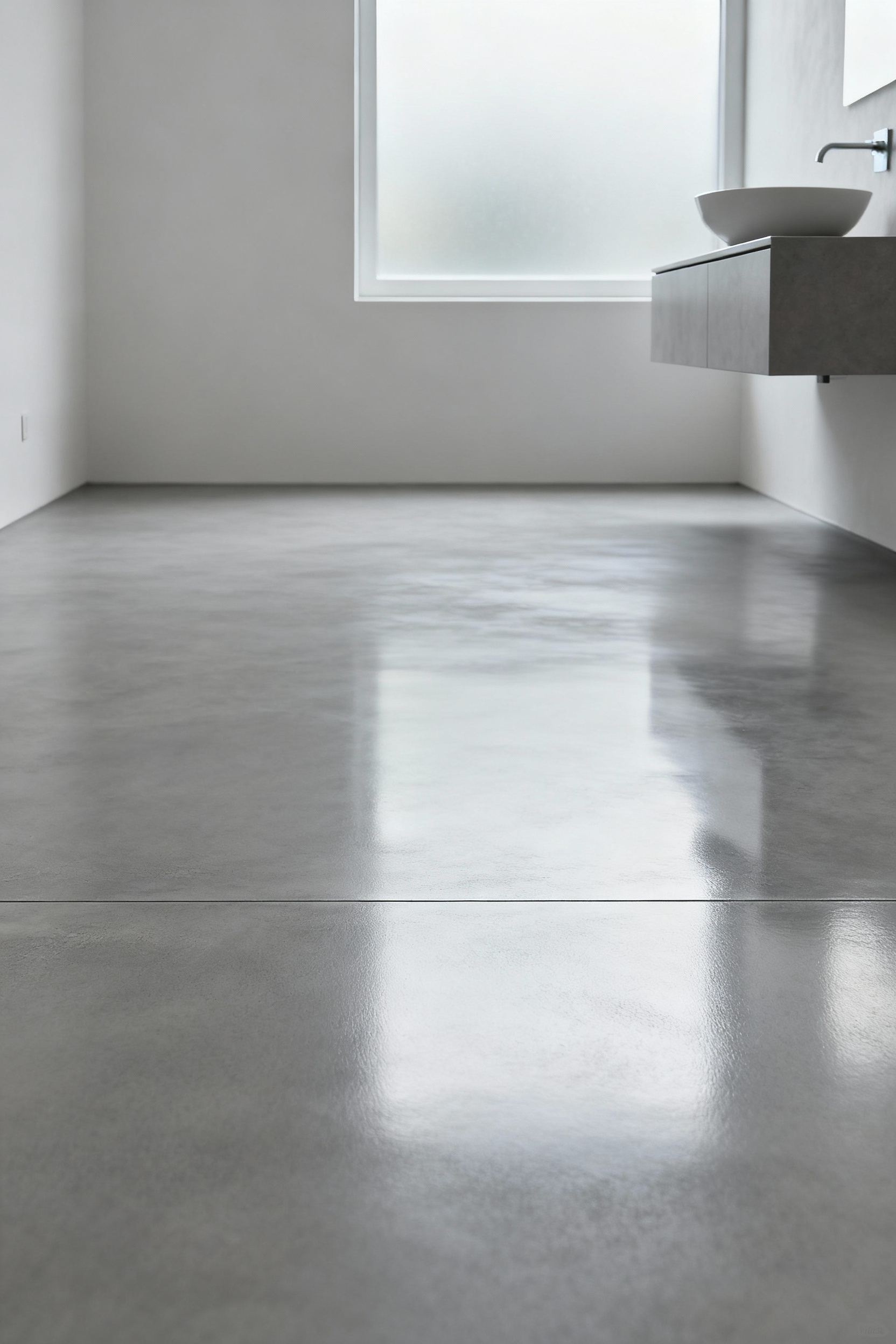
Another technique is to use a color-matched epoxy grout, which blends seamlessly with the tile and is also waterproof and stain-resistant. The ultimate expression of this concept is, of course, a poured floor like microcement. The goal is to quiet the visual chatter, allowing the beauty of the material itself to become the focal point.
14. The Immersive Shower: Extending the Floor Up the Walls
To create a truly immersive, cocoon-like experience, consider extending your floor material up the walls of the shower enclosure. Using the same large-format tile or stone slab on both surfaces dissolves the boundary between floor and wall, creating a unified wet room that feels spacious, cohesive, and deeply calming.
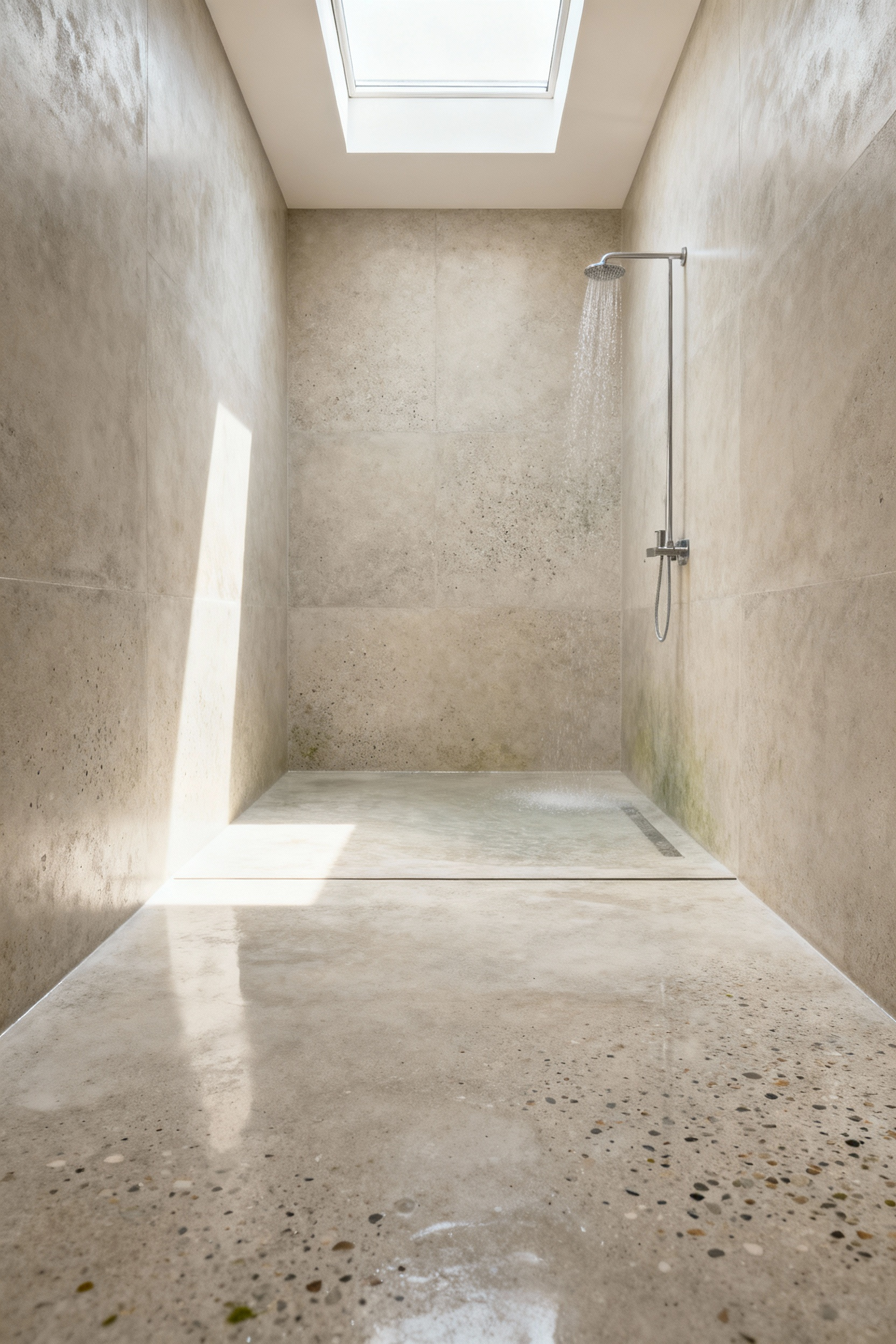
This technique is a hallmark of high-end spa design for good reason. It creates an uninterrupted visual plane that is incredibly soothing to the eye. Enveloped in a single, beautiful material, the act of showering is transformed from a routine task into a restorative, almost meditative ritual.
15. The Illusion of Space: Using Large-Format Panels
In a smaller bathroom, thoughtful material choice is everything. Large-format panels or tiles (think 24×48 inches or even larger) are transformative. Because there are so few grout lines, the eye perceives the floor as a single, expansive plane, tricking the brain into reading the room as much larger than it is.
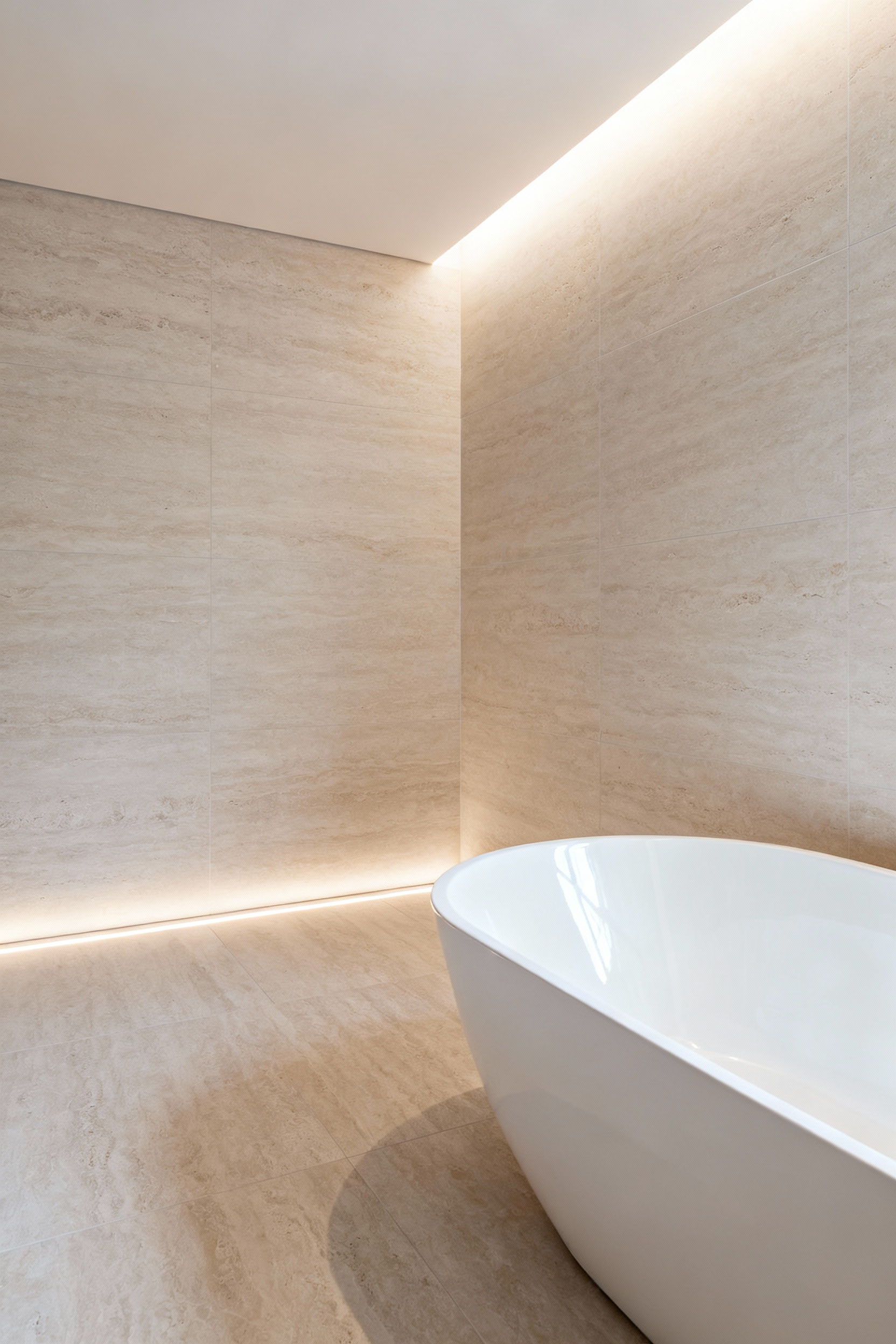
This visual decluttering has a direct impact on our mental state. Crowded, busy surfaces can make us feel confined, while open, continuous ones foster a sense of calm and possibility. Laying these large tiles in a pattern that emphasizes the longest dimension of the room will further enhance this effect, creating a sanctuary that feels open and liberating.
A Lasting Sanctuary: Choices for Long-Term Well-being
A true sanctuary is built to last. Our final considerations look beyond today, focusing on materials and practices that support your health and the health of the planet for years to come.
16. Pure Air: The Priority of Low-VOC Materials
The air we breathe is fundamental to our health. Many conventional building materials, including some types of flooring, adhesives, and sealants, release Volatile Organic Compounds (VOCs) into the air. These chemicals can compromise indoor air quality and contribute to respiratory issues and allergies. A healing environment must prioritize pure air.
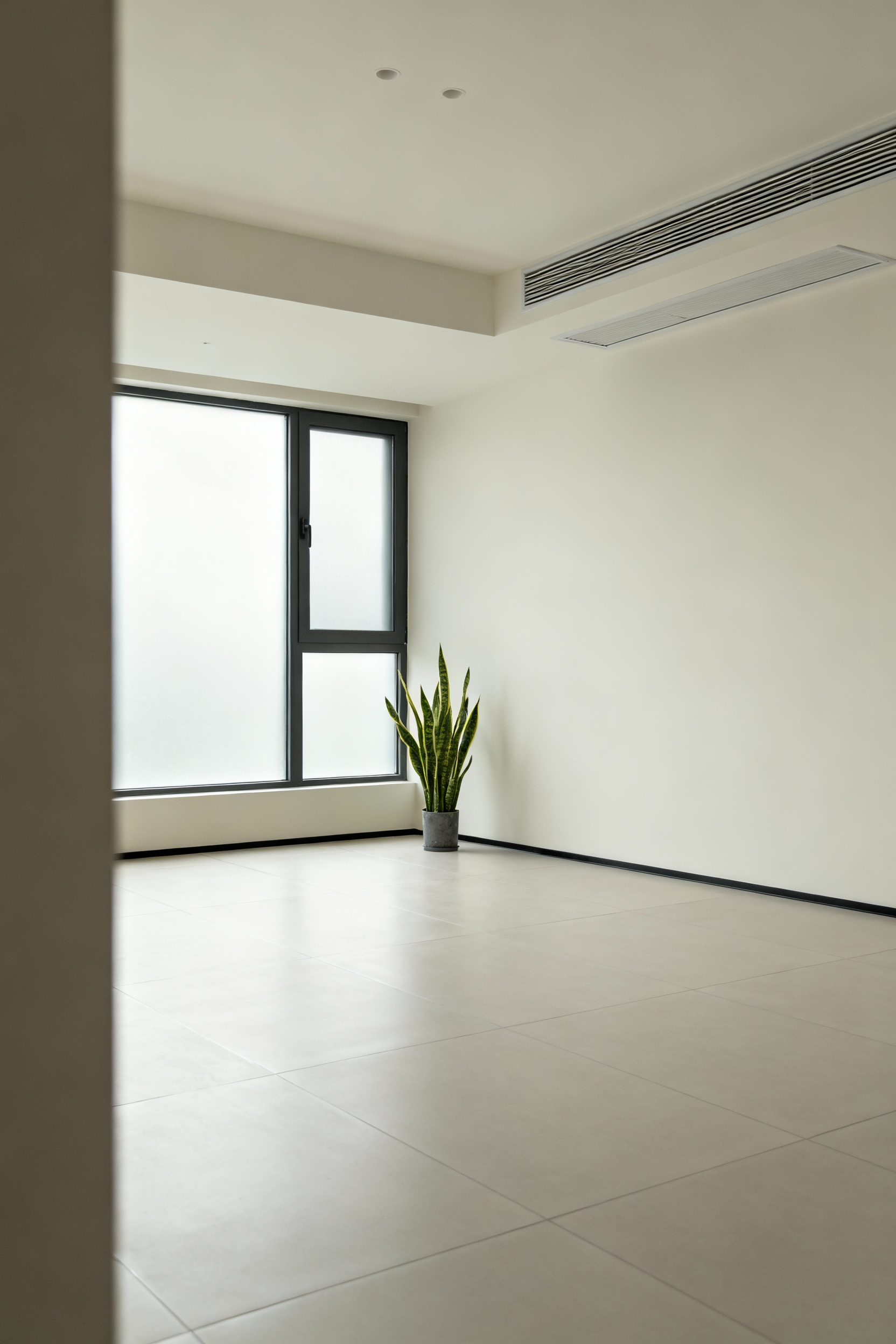
Choose materials that are inherently low-VOC, such as ceramic and porcelain tile, natural stone, and polished concrete. For options like cork or engineered wood, look for reputable brands that use no-added-formaldehyde adhesives and are certified by programs like FloorScore® or GREENGUARD. It’s a choice that supports your respiratory vitality and ensures your sanctuary is a source of health, not harm.
17. The Ritual of Care: Mindful Maintenance
The way we care for our homes can be another form of mindfulness. Instead of seeing maintenance as a chore, we can reframe it as a ritual of stewardship. Choosing materials that align with the level of care you’re willing to give is essential for long-term peace. Porcelain and LVP require very little, offering an almost effortless path to a clean space.
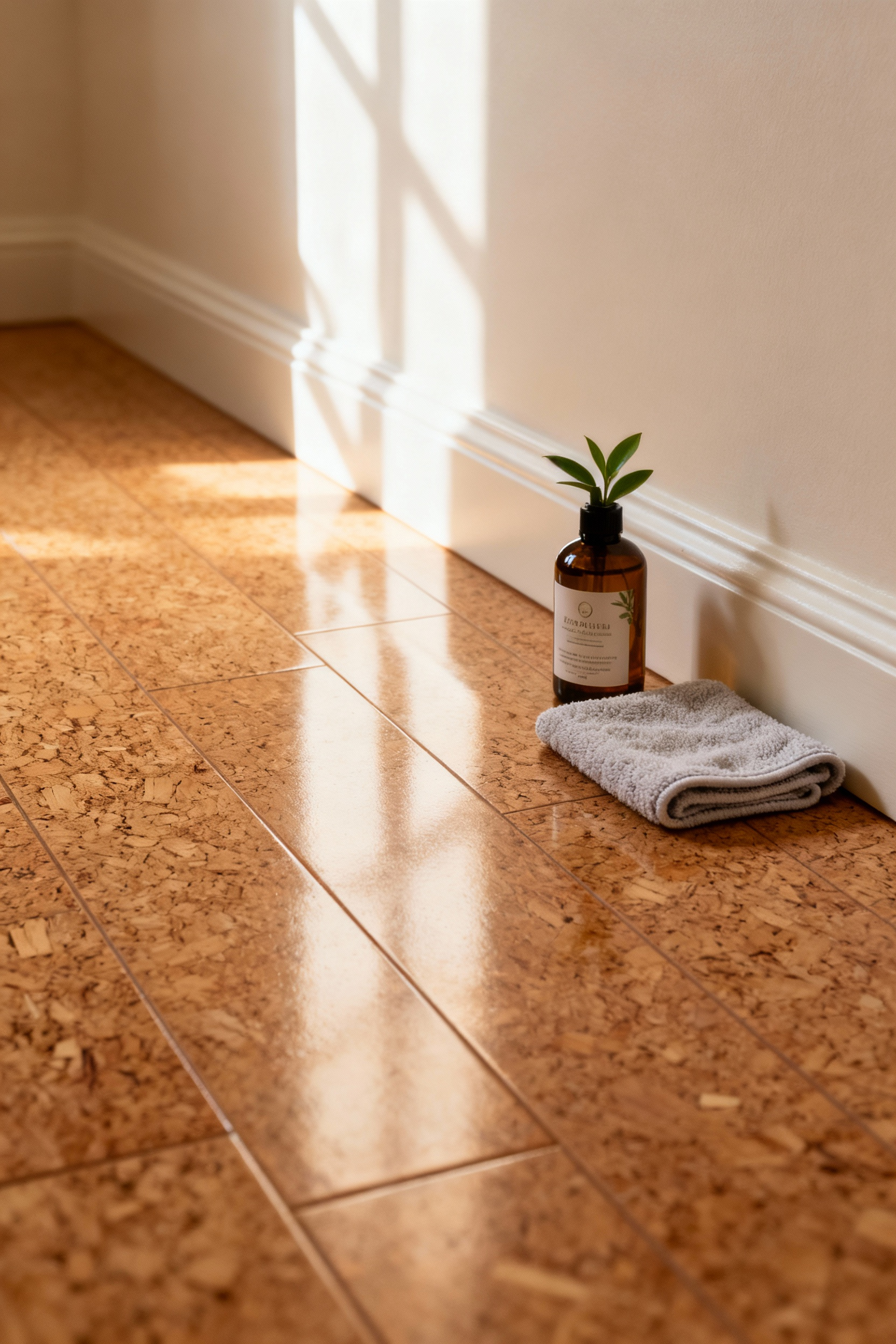
Natural stone, on the other hand, asks for more—periodic sealing and the use of pH-neutral cleaners. But this act of caring for a natural material can be deeply gratifying. The important thing is to be honest about your lifestyle. Choose a floor that will feel like a joy to live with, not a burden to maintain.
18. The Ecological Footprint: Materials with a Conscience
A truly holistic approach considers the impact of our choices beyond our own four walls. Look for flooring that is made from recycled content, like some porcelain or glass tiles, or from rapidly renewable resources, such as cork or bamboo. Choosing materials that are reclaimed or sourced locally can also significantly reduce a project’s carbon footprint.
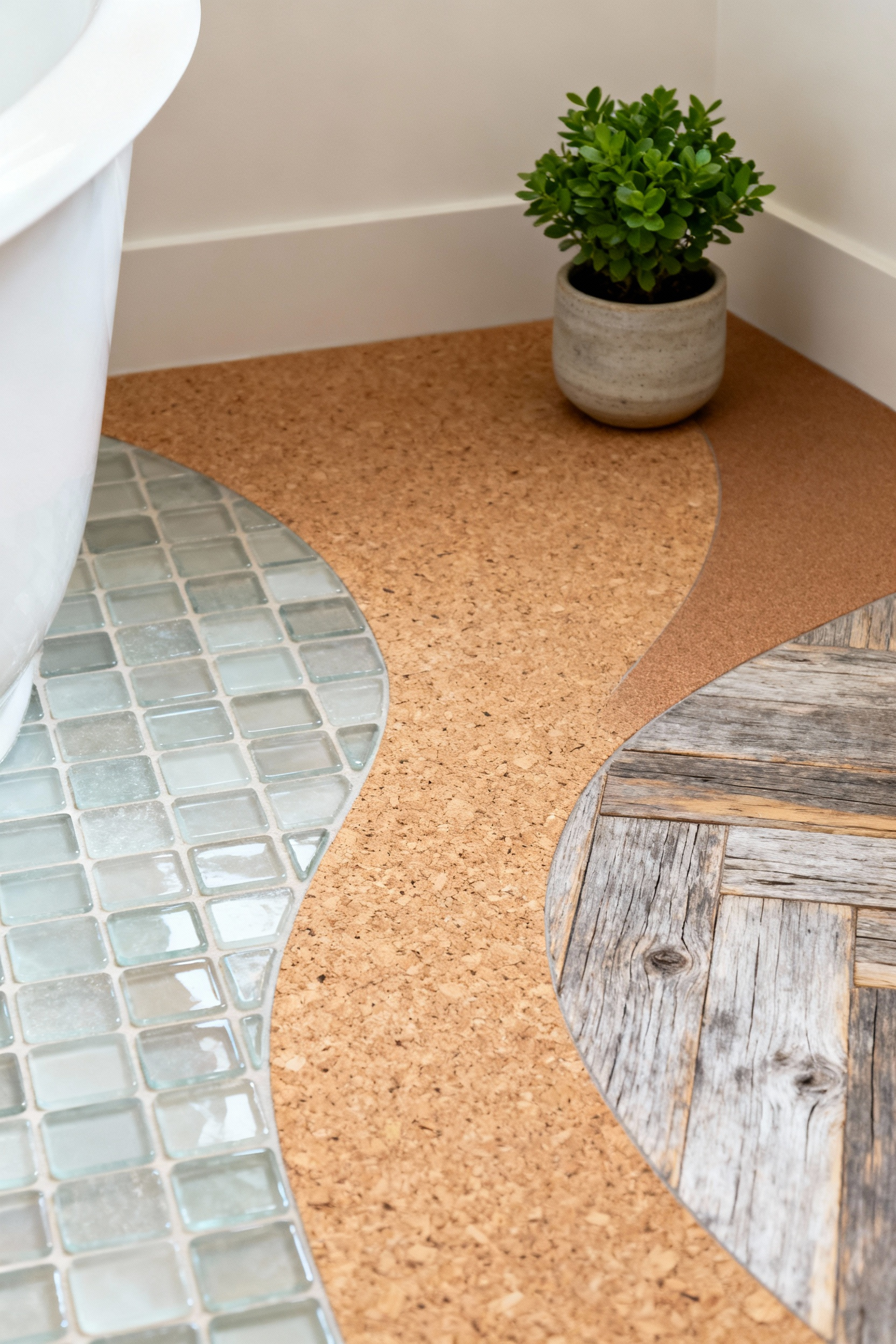
Living in a home built with materials that respect the earth brings its own quiet joy. It aligns your personal environment with a larger value system, creating a sense of integrity and harmony that permeates the space. Your sanctuary becomes a reflection not only of self-care but of planetary care.
19. Timeless over Trendy: Designing for Graceful Aging
While trends come and go, a true sanctuary should feel timeless. By choosing flooring with a classic, enduring appeal, you create a foundation that can adapt as your style evolves. Neutral tones, natural materials, and simple patterns provide a versatile backdrop that won’t feel dated in five years.
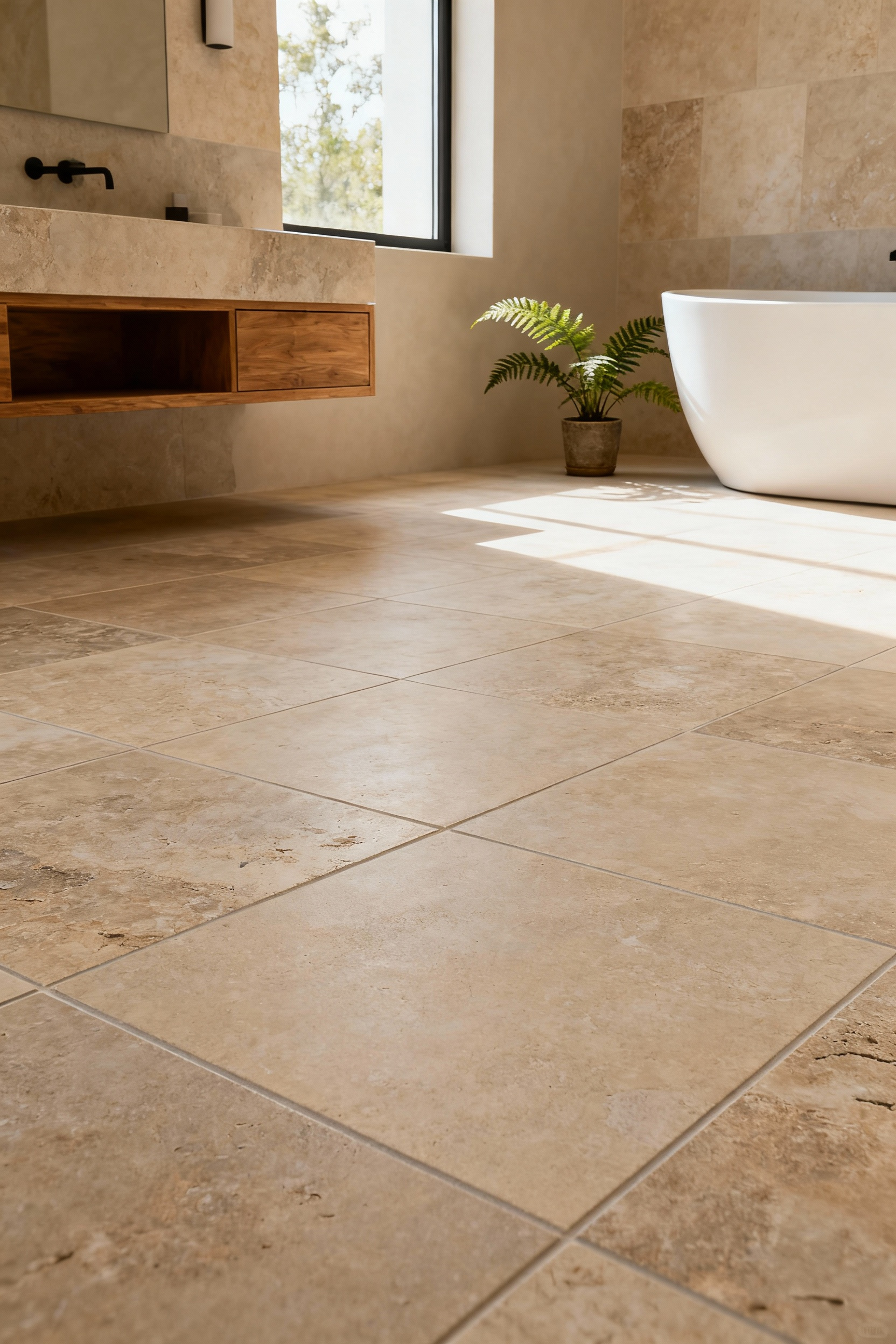
This approach saves you the stress and expense of future renovations and fosters a deeper, more lasting relationship with your home. The goal is to create a space that will age gracefully alongside you, its beauty deepening with time. A floor that develops a rich patina is not just aging; it is gathering stories.
20. An Investment in Well-being: The True Value
Finally, it’s important to see your bathroom floor not as an expense, but as a long-term investment in your daily health and happiness. The initial cost of high-quality, health-conscious materials often pales in comparison to the value they provide over a lifetime—in durability, in improved air quality, and in the immeasurable peace of mind they foster.
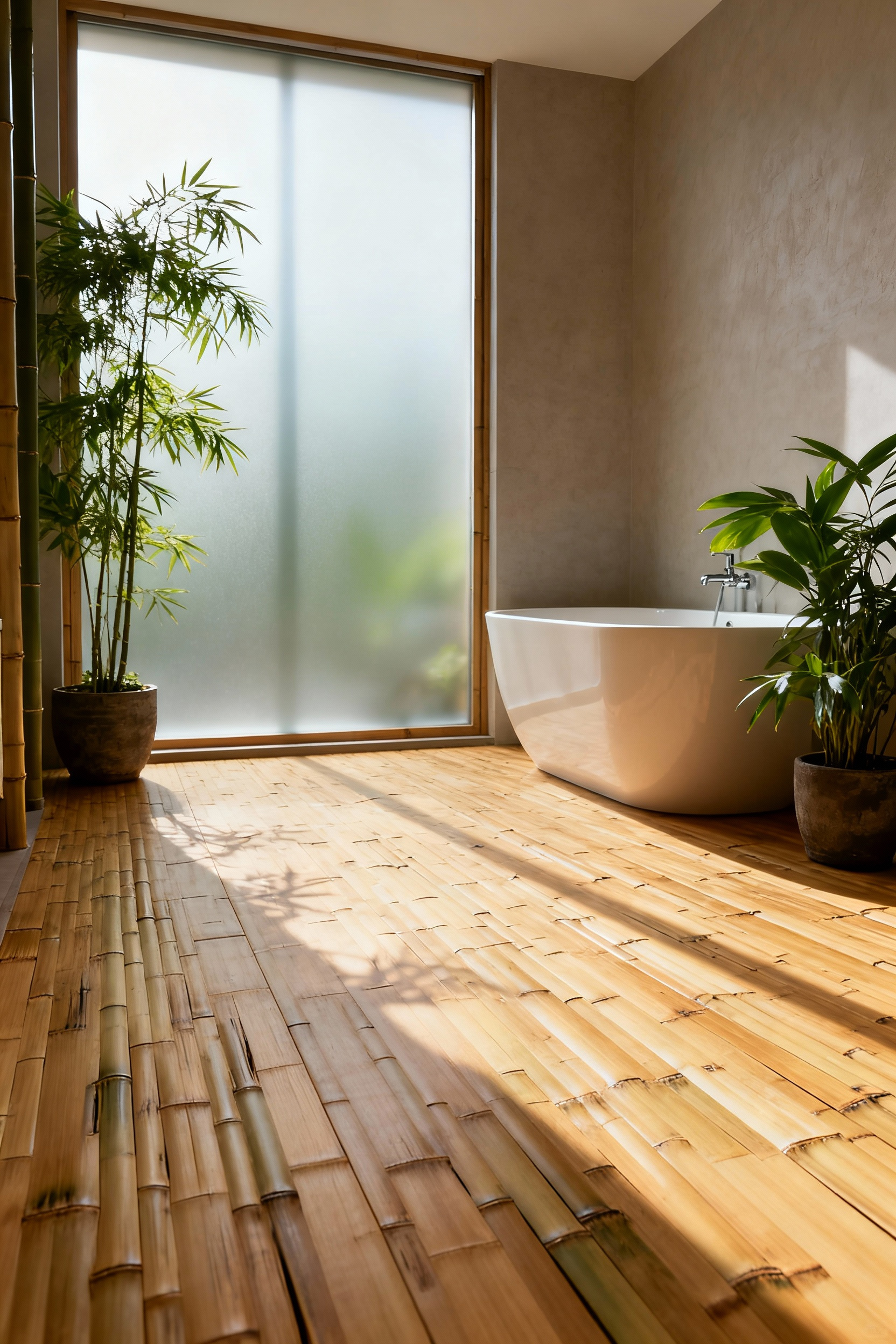
I learned this when working on a project for a client recovering from a long illness. We chose heated stone floors for their therapeutic warmth and grounding energy. Years later, she told me that stepping onto that warm stone each morning was a small, consistent moment of joy that played a real part in her continued healing. That is the true return on investment—a home that actively supports you on your wellness journey.
Conclusion
Your bathroom floor is so much more than a functional surface. It is the literal foundation of your personal sanctuary, a constant point of contact that can ground, soothe, and restore you. As we have seen, choosing this element is a powerful act of intention. By embracing the principles of biophilic design, sensory harmony, and long-term well-being, you can create a space that does more than serve your needs—it actively nurtures your soul.
As you move forward, I encourage you to listen to your intuition. Run your hands over the samples. Imagine how they will feel under your bare feet on a quiet morning. Select the material that speaks not just to your eye, but to your deepest need for peace and connection. By grounding your sanctuary in such a thoughtful foundation, you create a space that will support and heal you for years to come.