
Your outdoor space acts as a tangible reflection of your inner world. In holistic design, the garden is not just land, but an externalization of the psyche. A sprawling dining area reveals a priority for social connection, while a secluded vegetable patch signals a deep need for solitude. Consequently, your design choices directly influence your cortisol levels and emotional balance. To ensure your back yard design truly supports your well-being, examine these three reflections:
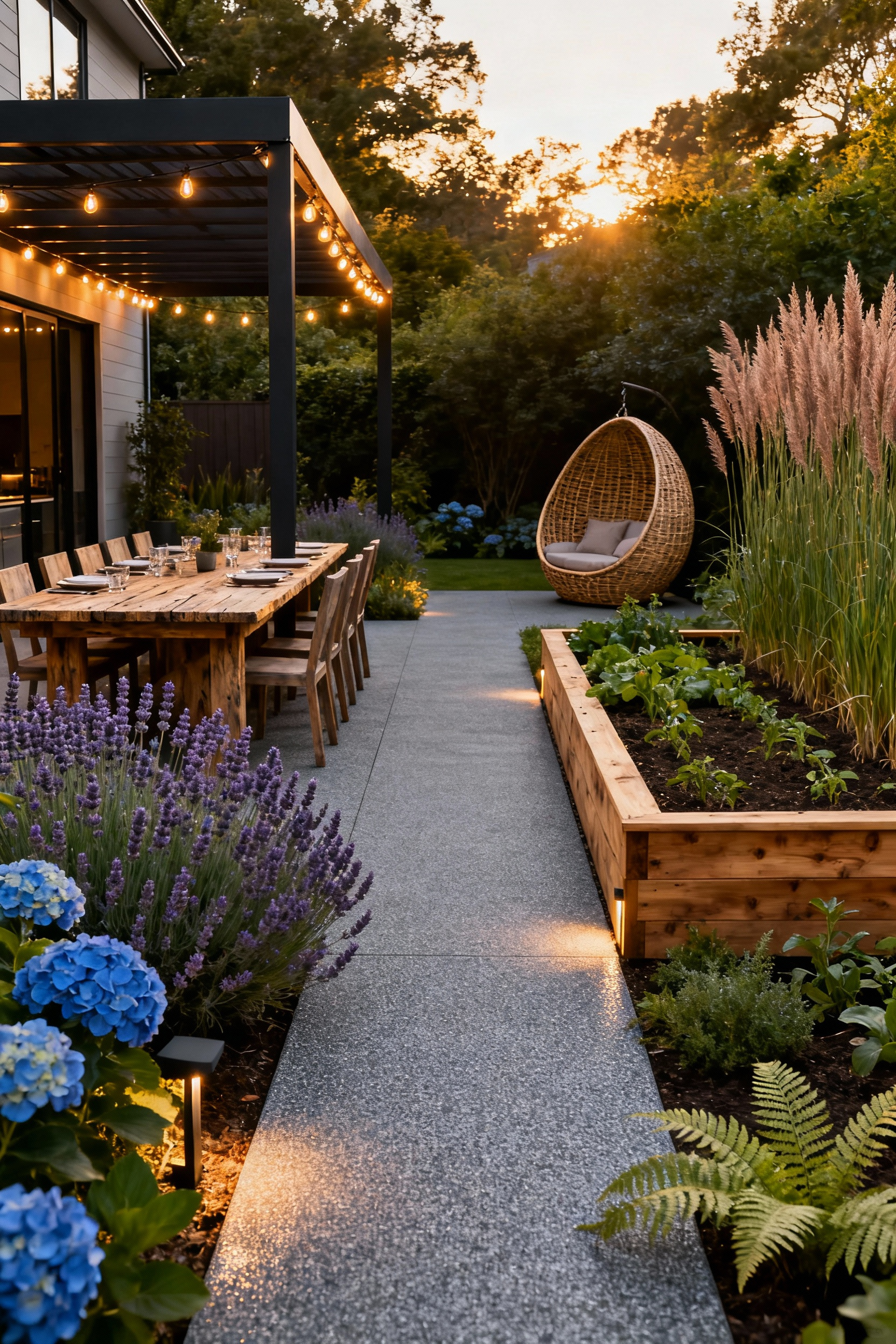
- Function: Does your layout invite high-energy gathering or quiet introspection?
- Maintenance: Does the required upkeep match your desire for control or your need for ease?
- Aesthetics: Does the visual style extend your interior personality or create jarring dissonance?
By consciously curating these elements, you transform a simple plot of grass into a restorative vessel for the self. Embrace textures and sounds, such as a trickling water feature, to actively lower stress and align your environment with your emotional needs.
The Philosophy: Why your outdoor space is an extension of your internal state
Your outdoor surroundings directly mirror your internal landscape. Science confirms that biophilia, our innate connection to nature, actively lowers cortisol levels and anchors the nervous system. To harness this restorative power, dissolve the barrier between indoors and out. Carry your interior color palette or flooring materials onto the patio for seamless continuity. A disjointed environment creates a disjointed mind, while a cohesive flow cultivates deep peace.
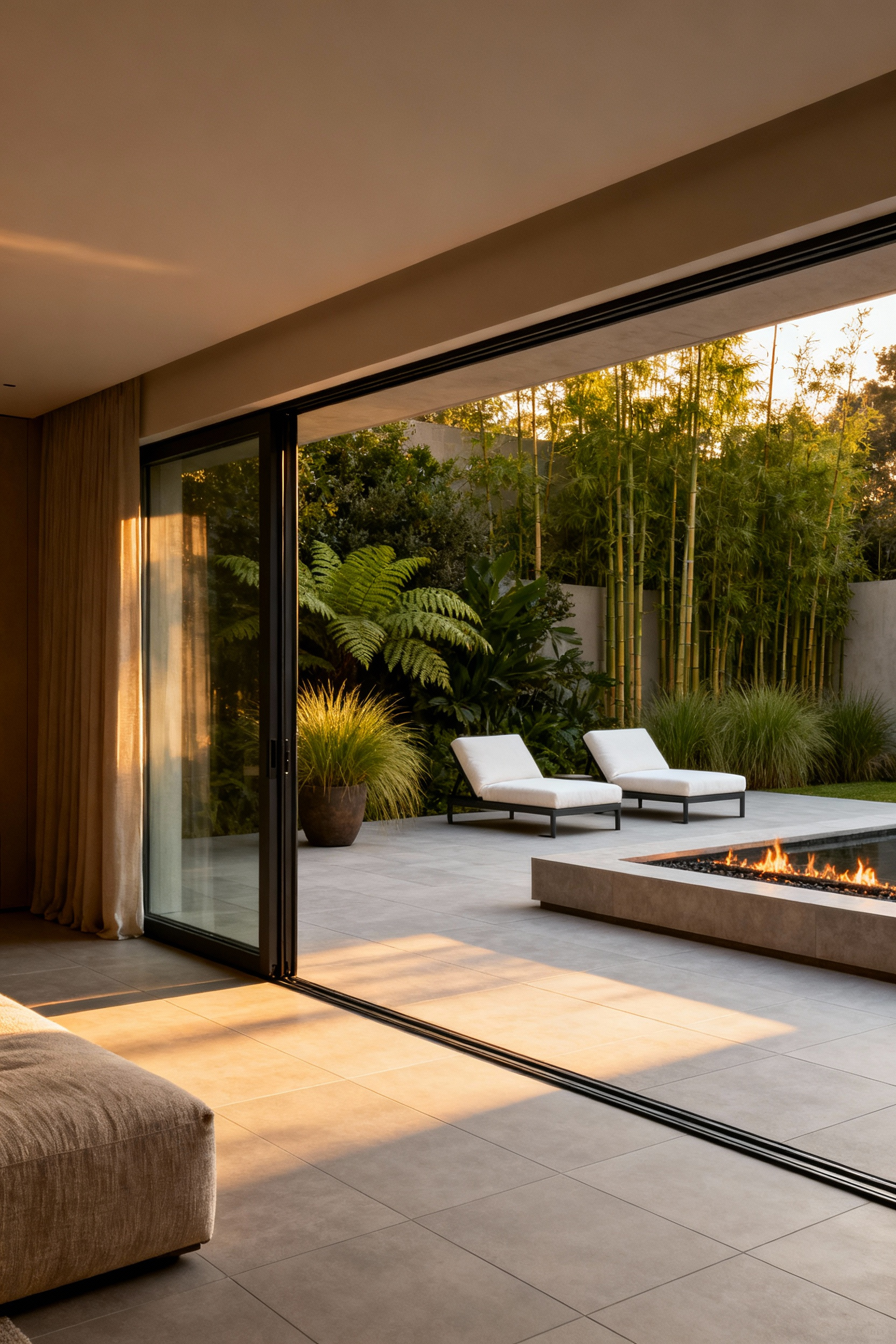
Because your emotional state fluctuates, your sanctuary must adapt. Design distinct zones to support your shifting psychological needs:
- For Solitude: Create a secluded nook behind tall hedges or a pergola for quiet introspection.
- For Connection: Arrange comfortable social seating around a fire pit to spark communal energy.
- For Mood Regulation: Install a small fountain for soothing auditory calm or plant warm-hued florals to ignite optimism.
Moving beyond ‘curb appeal’ to ‘soul appeal’: The shift from visual to visceral design
True wellness design shifts focus from visual perfection to visceral connection, prioritizing your nervous system over resale value. Close your eyes and imagine how a space should *feel* before selecting how it looks. To cultivate this “soul appeal,” replace sterile hardscaping with authentic, biophilic materials like rough-hewn wood or real bluestone that emotionally anchor the space. Deepen the experience by intentionally engaging the senses:
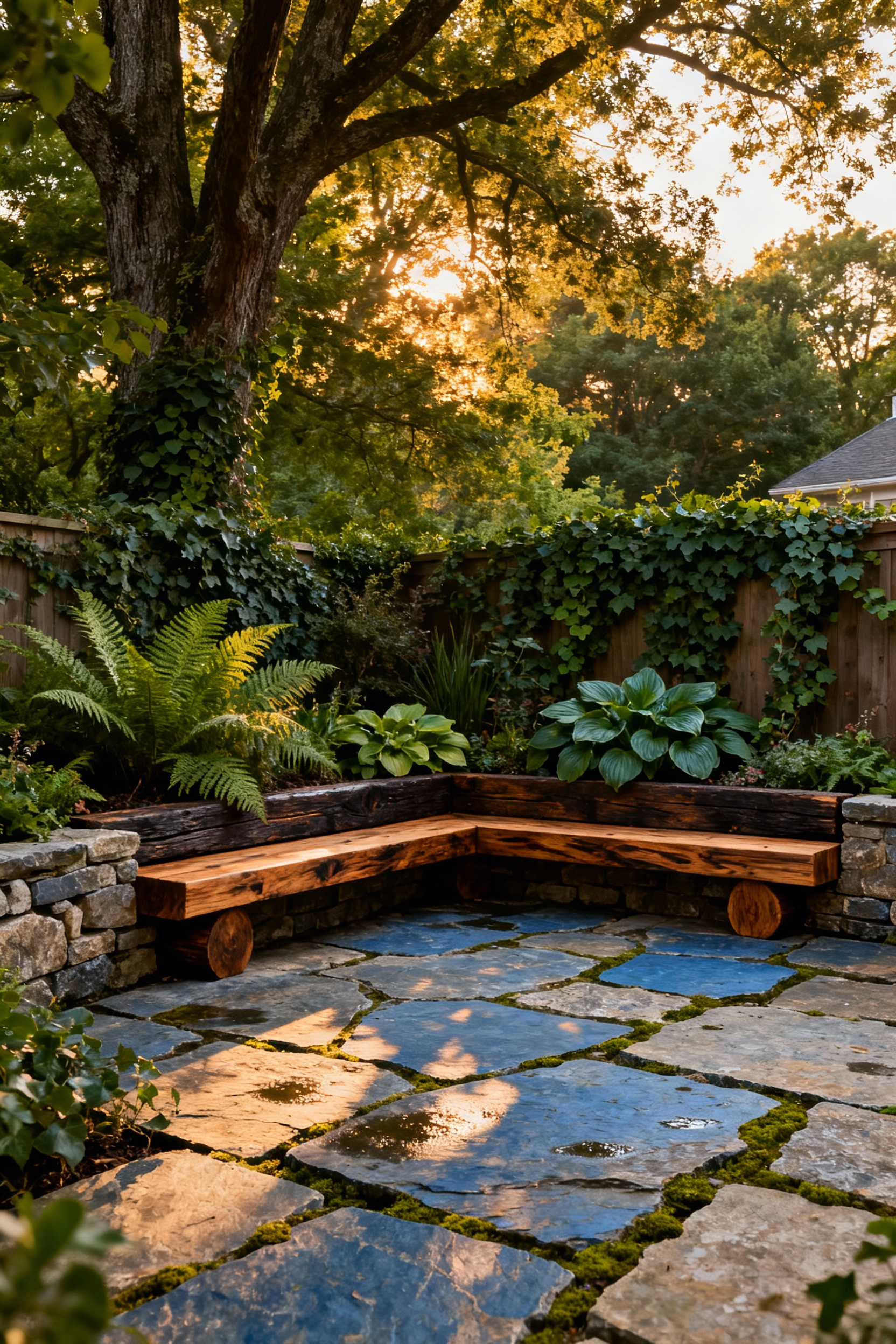
- Layer aromatics: Plant lavender or jasmine to trigger relaxation responses.
- Introduce sound: Install water features to mask noise and lower cortisol levels.
- Define flow: Use curved pathways to gently guide the mind between active social zones and private restorative nooks.
By designing for emotion first, you transform your backyard into a functional extension of your home that actively nurtures your mental health.
The Core Principle: Designing for restoration, connection, and natural rhythm
Transform your outdoor space into a sanctuary for your nervous system by prioritizing biophilic design. Integrate raw elements like stone, unpolished wood, and flowing water to actively lower cortisol levels and promote deep restoration. Furthermore, dissolve the physical boundary between shelter and nature. Extend your indoor flooring material to the patio or install wide glass doors to blur the lines of separation. This seamless connection expands your living area and grounds your spirit in the present moment.
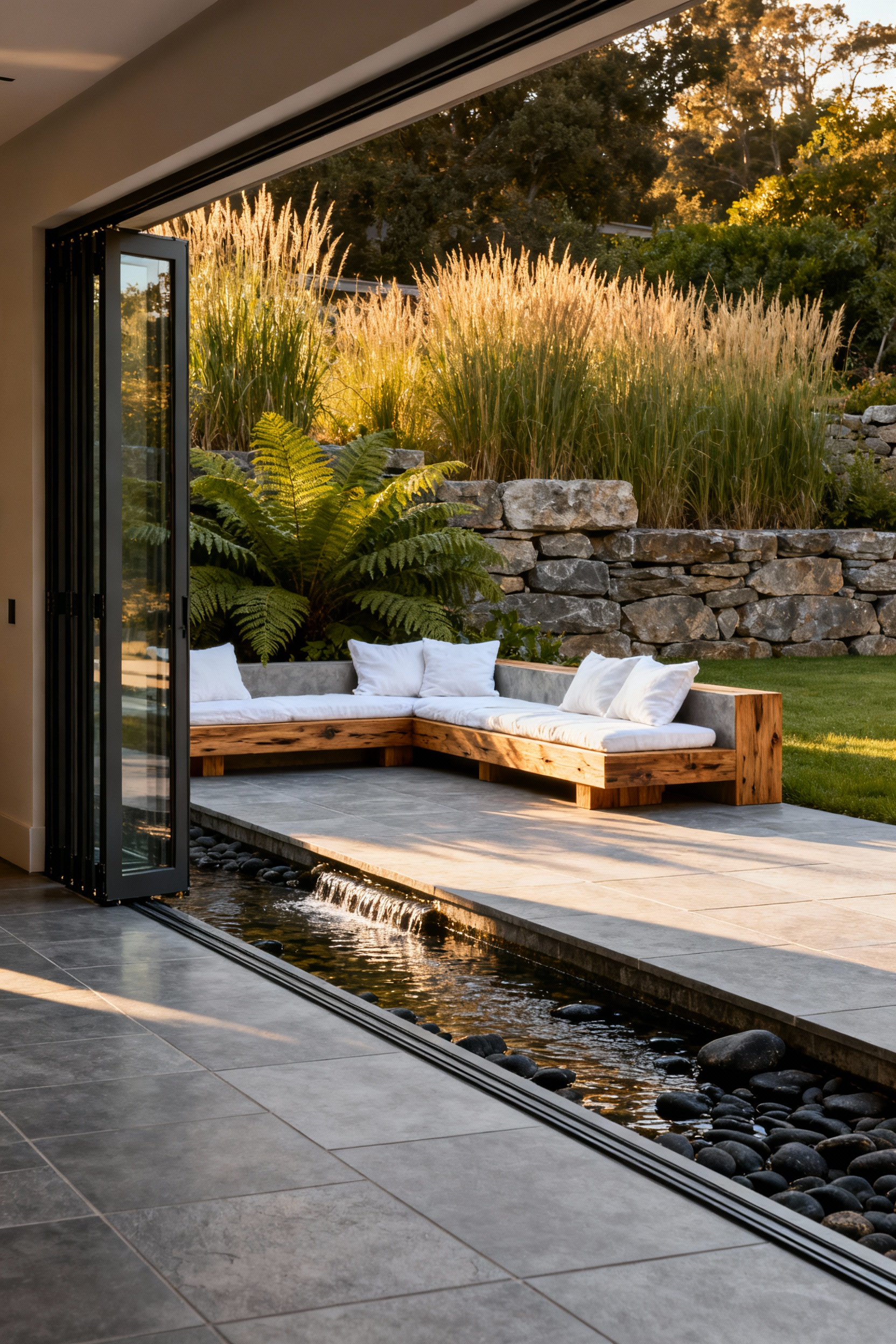
Establish a “natural rhythm” to soothe the mind. Mimic the wild by repeating specific plant forms or colors to guide the eye effortlessly across the landscape. To achieve this harmonious flow, apply these design strategies:
- Practice matrix planting: Cluster plants with similar needs to replicate the structure of wild ecosystems.
- Create distinct zones: Design separate areas for quiet meditation and social gathering to match the varied tempos of your day.
- Encourage biodiversity: Add native plants or birdbaths to foster a thriving habitat that connects you to the greater environment.
Phase I: The Foundational Flow – Creating Structural Harmony in Your Back Yard Design
Think of Phase I as the skeletal system of your outdoor sanctuary; without strong bones, the space cannot support the life you intend to cultivate. A chaotic layout creates a chaotic mind, so begin by grounding the design with structure. Before planting a single seed, establish distinct functional zones to guide your daily rituals. This “Foundational Flow” ensures your movement through the yard feels intuitive rather than forced. To achieve this structural harmony, focus on these physical anchors:
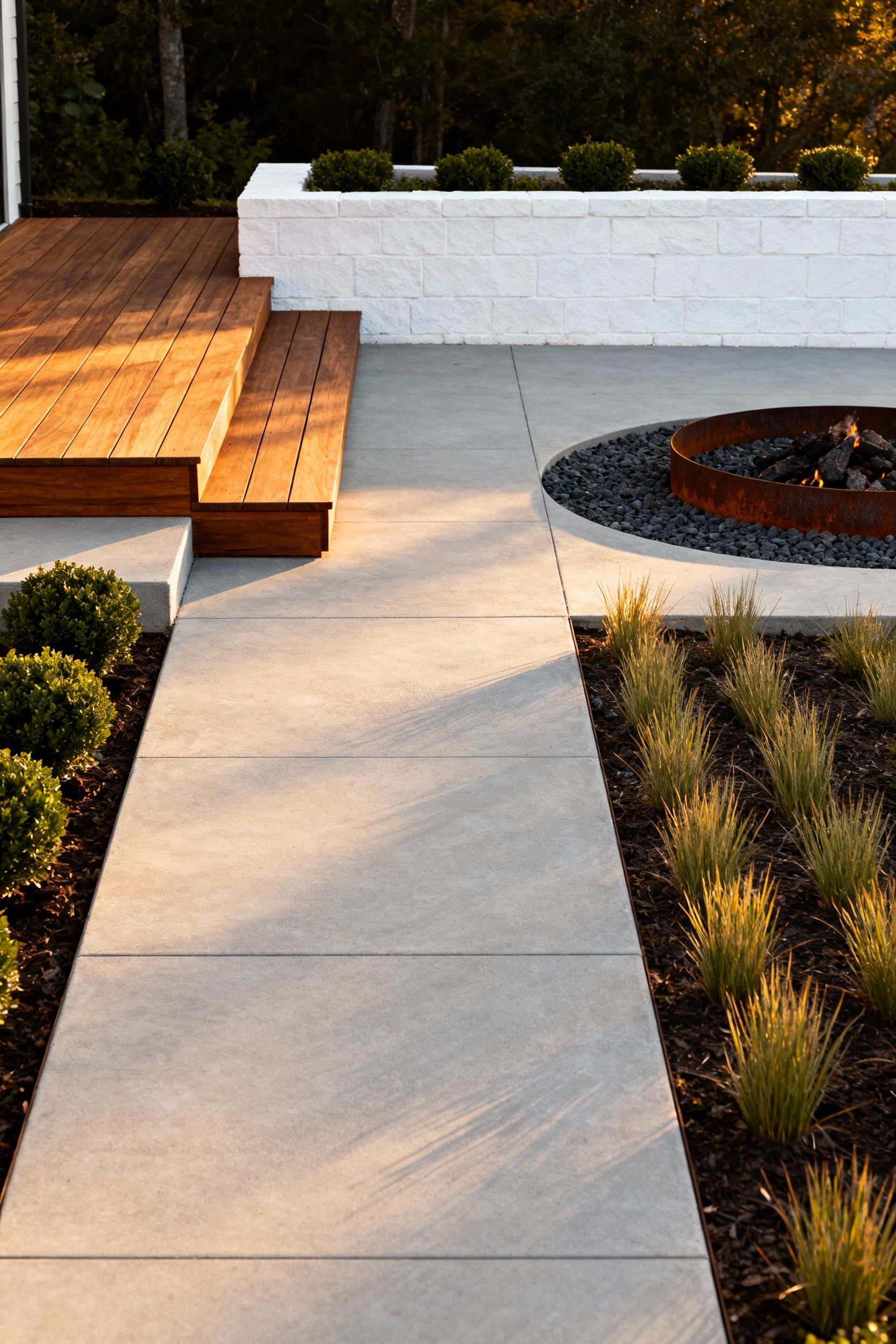
- Map distinct “rooms”: Dedicate specific areas for high-energy activities like dining and low-energy practices like meditation to compartmentalize the space’s energy.
- Install hardscaping first: Lay patios, decks, and primary pathways now to serve as the permanent framework.
- Unified materials: Select a consistent palette of stone or wood across all zones to foster visual peace and reduce cognitive load.
Structural integrity creates a sense of emotional security. Address drainage and grading immediately to honor the land’s natural water patterns and protect your home’s foundation. Finally, consider the psychology of shapes when laying these borders. Straight lines in your hardscaping evoke order and clarity, while curved pathways encourage a slower, meandering pace. Balance these elements carefully. A well-structured yard does not just look organized; it feels safe, holding space for your physical and mental restoration.
1. Intentional Zoning: Mapping Active vs. Passive Energy Flows
True restoration begins with understanding the unique energy flows of your land. Before planting a single seed, map the natural forces at play—sunlight, wind patterns, and water drainage. This “sector analysis” reveals where nature offers support and where it demands resilience. Center your high-energy activities in the Active Zone, immediately adjacent to your home to minimize the physical effort required for daily enjoyment. Place outdoor kitchens, herb gardens, and social spaces here; when high-maintenance elements are within easy reach, you preserve your own energy for what truly matters.
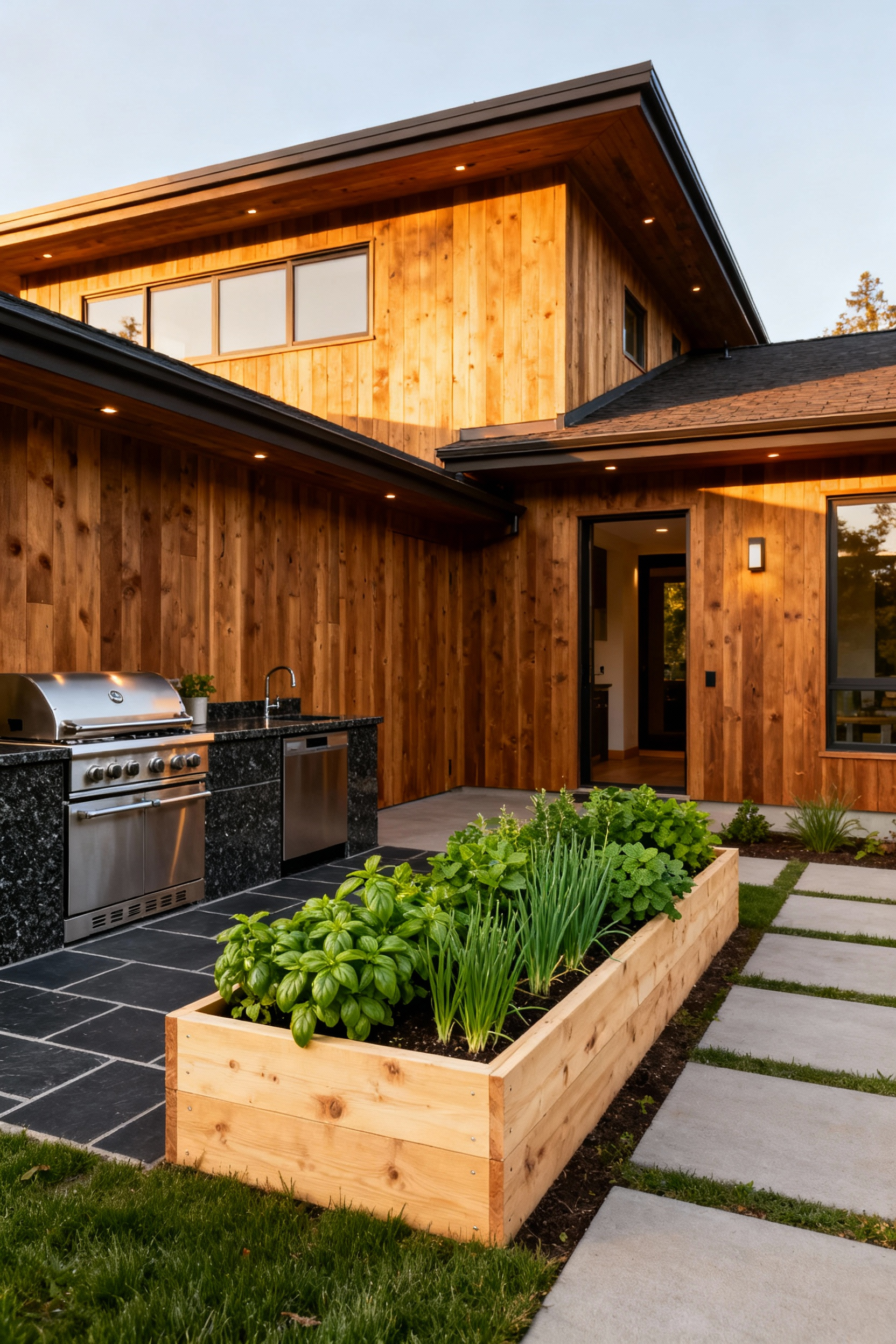
Conversely, allow the outer edges of your sanctuary to become Passive Zones that rely on ambient energy rather than electricity or constant labor. A distant, high-maintenance lawn can be transformed into a self-sustaining native meadow, instantly lowering cortisol levels by removing the burden of weekly mowing. To achieve this harmonious balance:
- Harness natural shade: Plant deciduous trees to passively cool active patios without fans.
- Utilize gravity: Design rain gardens at low points to manage water flow without pumps.
- Prioritize silence: Create quiet nooks further afield that require zero setup for meditation.
By aligning your design with nature’s rhythms, you cultivate a space that recharges your spirit rather than draining your resources.
2. The Living Boundary: Biophilic Alternatives to Severe Fencing
Rigid fences often create psychological barriers, trapping stagnant energy within your sanctuary. Biophilic design invites you to replace these severe lines with a “living boundary” that breathes with the seasons. Layer diverse species to mimic a natural forest edge. Combine tall evergreens like clumping bamboo with mid-height shrubs to absorb sound and filter wind effectively. For smaller yards, soften hardscapes by training vines like Wisteria onto trellises to blur the edges of your property.
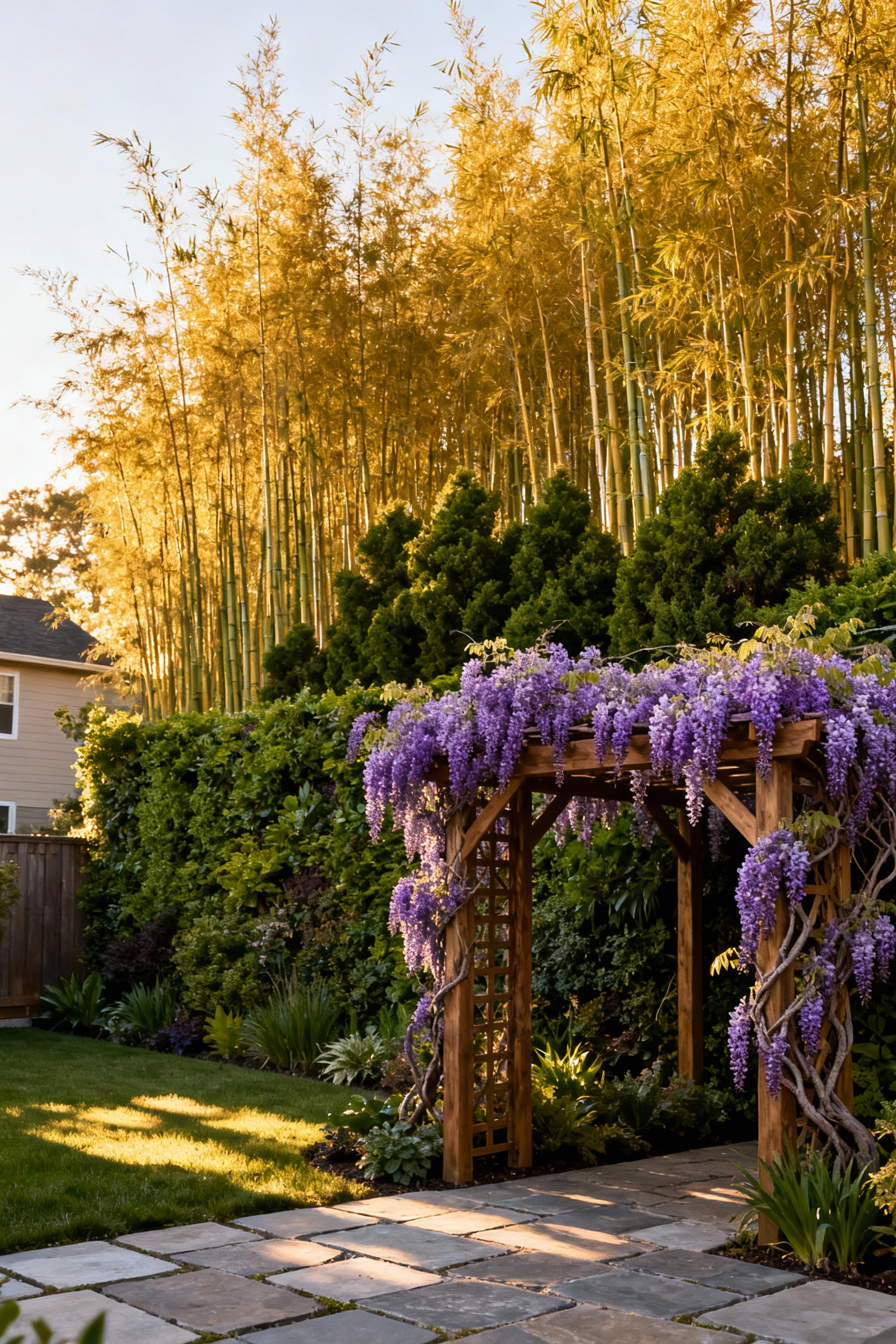
To maximize wellness and function, consider these living options:
- Edible Perimeters: Plant berry bushes like serviceberry to provide organic food for you and local wildlife.
- Vertical Gardens: Install green walls to improve air quality without sacrificing depth.
- Pleached Trees: Intertwine branches of beech or hornbeam for a formal, space-saving screen.
Unlike instant synthetic barriers, a living boundary requires patience. Allow two to five years for plants to reach maturity. Embrace this establishment time as a mindfulness practice, watching your perimeter evolve from a planting plan into a thriving, protective ecosystem.
3. Curvilinear Pathways: Using Soft Geometry to Slow the Pace
Straight lines rush the mind, but soft curves invite the soul to exhale. Replacing rigid walkways with meandering paths shifts the body from a state of urgency to one of “rest and digest.” By partially concealing the destination, you encourage mindfulness and turn a simple transit into a moment of discovery. This biophilic approach creates a psychological pause, compelling you to slow down and appreciate the immediate sensory experience of your garden.
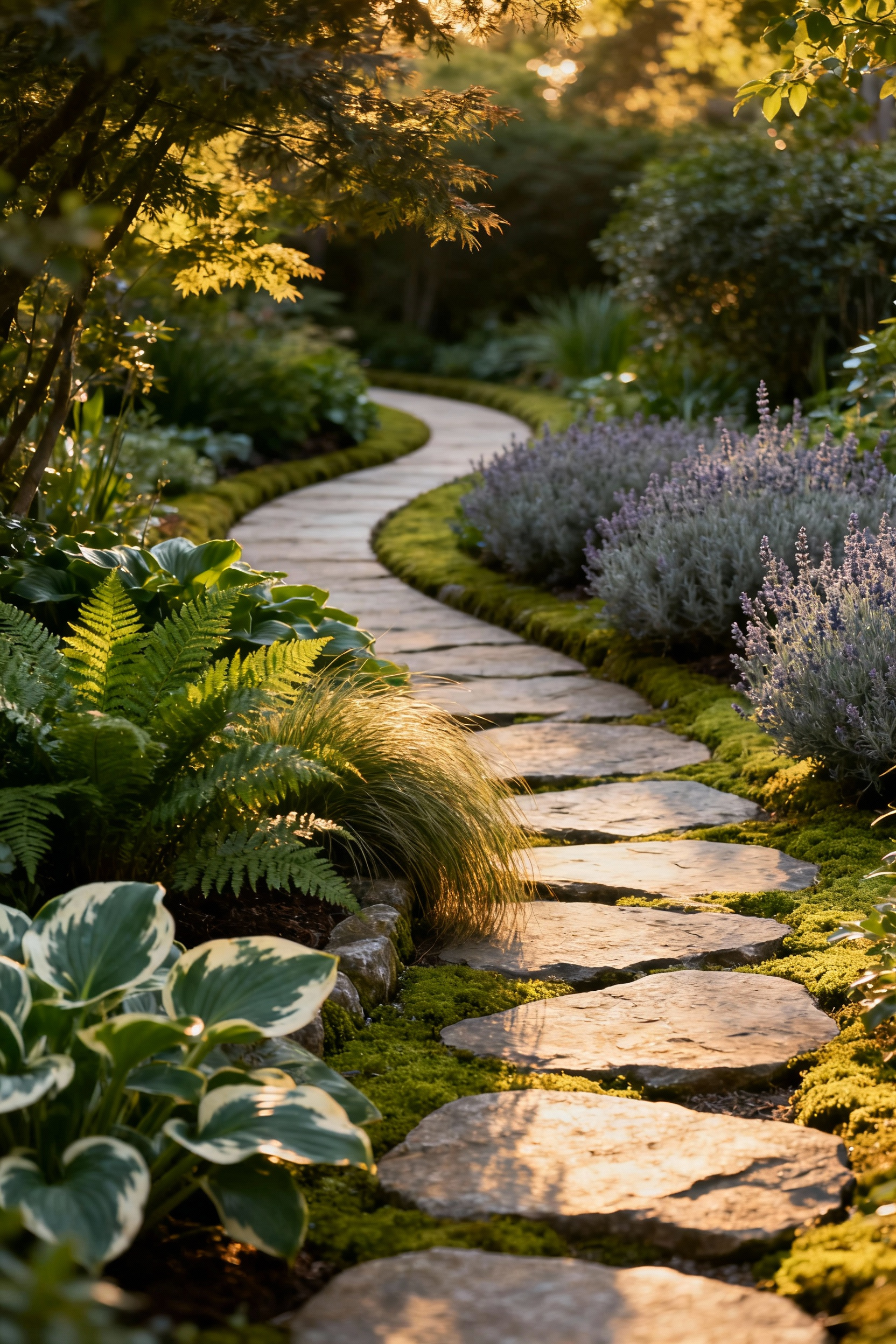
However, successful curves require purposeful geometry; a path that winds without cause feels chaotic rather than calming. To ensure your sanctuary flows naturally, anchor your layout with these specific strategies:
- Give the curve a reason: Place a focal point—like a fragrant lilac bush or a grounding boulder—at the inside of a bend to prevent shortcuts and guide movement naturally.
- Expand the perception: Utilize long, sweeping lines to trick the eye, adding depth and making compact urban gardens feel expansive.
- Reveal distinct zones: Let the path segment your yard, gradually unveiling hidden “rooms” such as a quiet meditation nook or a convivial firepit.
4. Grounding Materials: Permeable Pavers and Raw Stone Integration
Ground your space to anchor your spirit. Biophilic design principles suggest that a physical connection with the earth reduces cortisol levels and promotes calm. Consequently, choose permeable pavers to let the land breathe. These systems filter rainwater deep into the soil, preventing aggressive runoff and naturally recharging groundwater. Dry-laid natural stone, like flagstone, works exceptionally well for meditation corners because the irregular, raw texture stimulates the senses and encourages mindfulness.
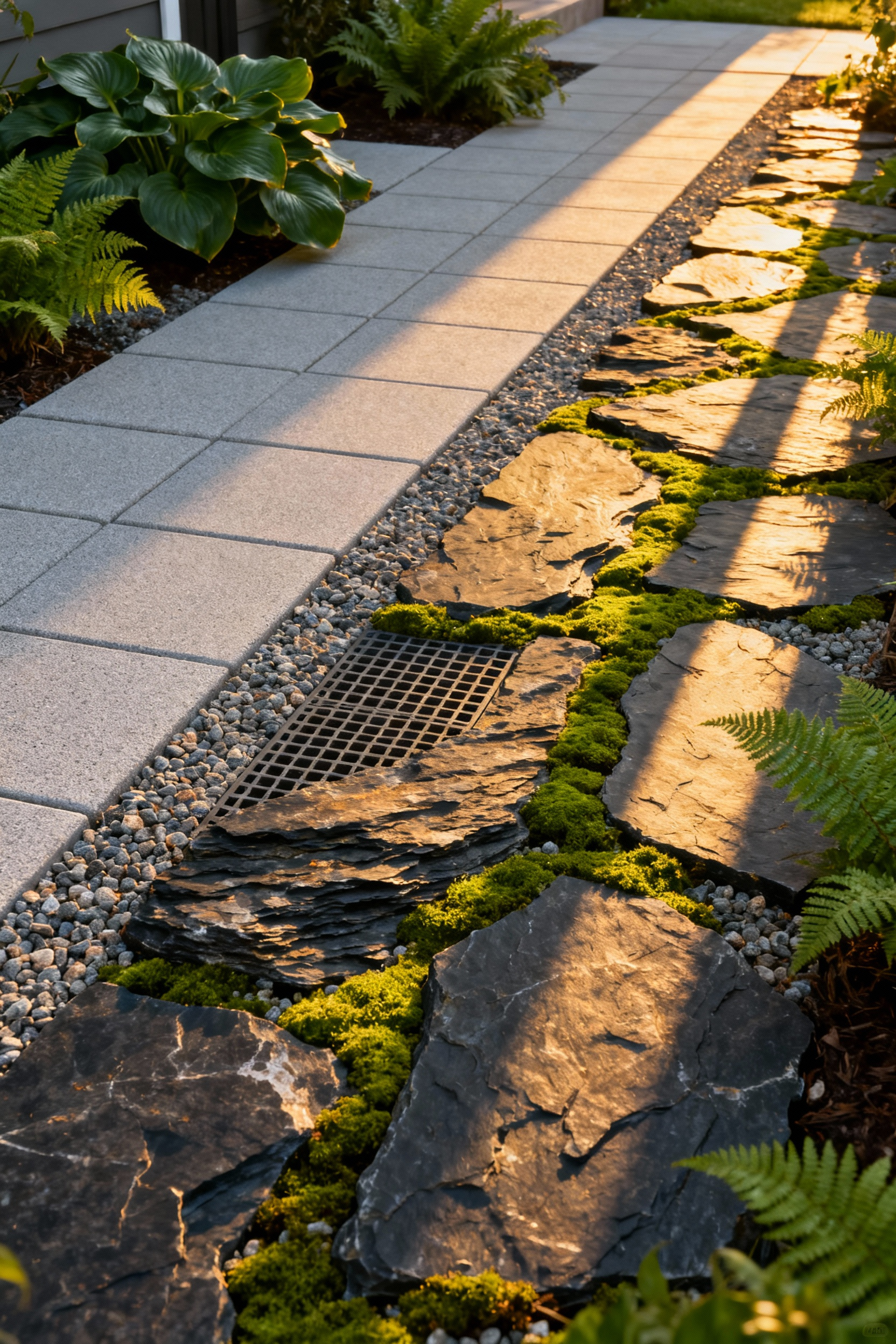
Create distinct energy zones by mixing these materials intentionally. Pair the smooth uniformity of manufactured pavers on high-traffic patios with the raw, organic shapes of stone slabs for wandering garden paths. To fully integrate these grounding elements into a restorative landscape:
- Soften the hardscape: Fill wide joints with pea gravel or creeping thyme to release calming aromatics when stepped on.
- Build a strong foundation: Install a compacted crushed stone base underneath to ensure proper drainage and longevity.
- Maintain the flow: Sweep joints regularly to prevent debris buildup and maximize water infiltration.
Phase II: Sensory Orchestration (Atmospheric Wellness)
True restoration engages every sense, not just sight. To quiet a busy mind, curate a soundscape that actively lowers cortisol levels. Install a bubbling fountain near your lounge area to mask urban noise with the rhythmic sound of water. Invite the wind by planting ornamental grasses; their gentle rustling signals safety to your nervous system. Beyond sound, use scent and touch to anchor yourself in the present moment.
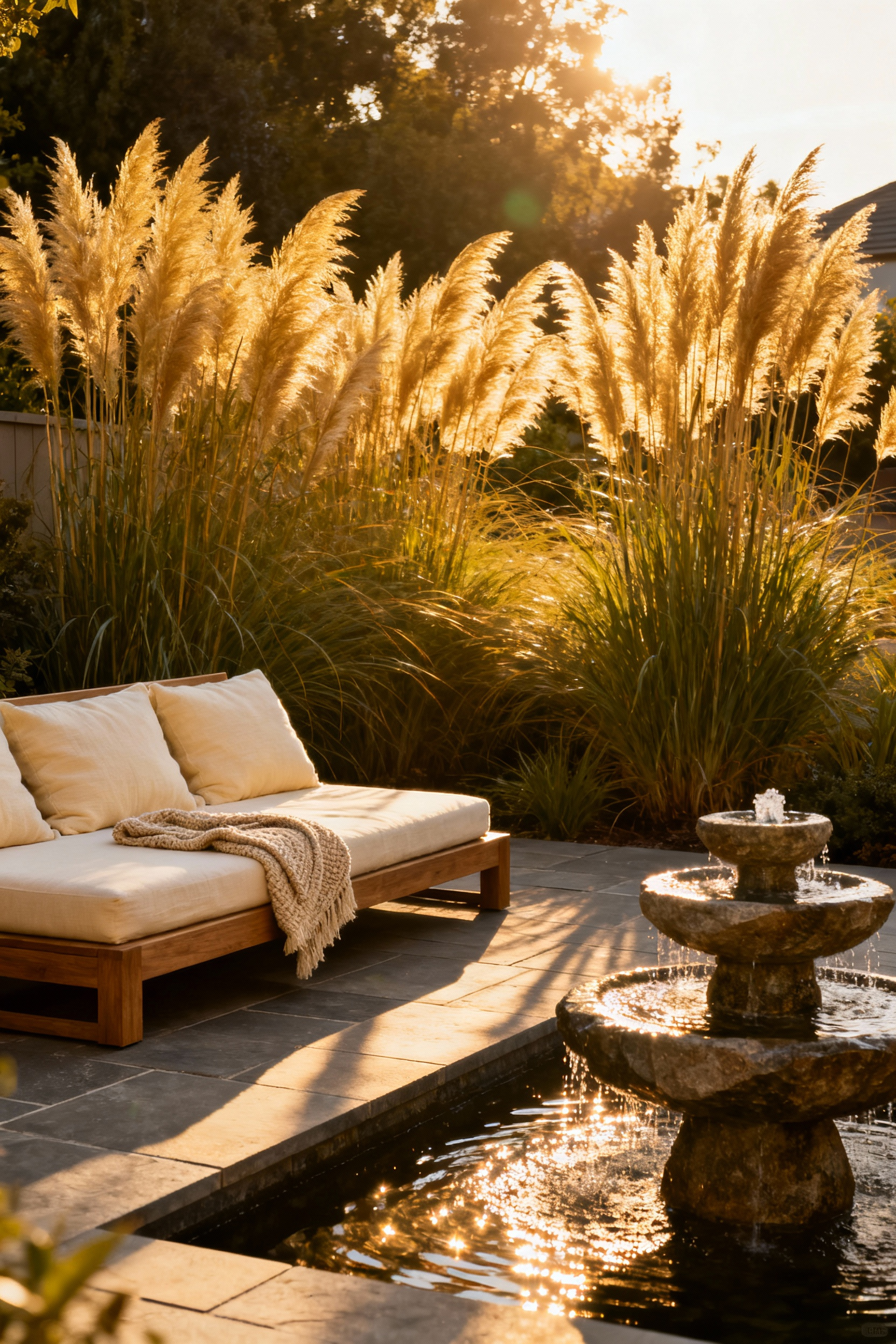
Practice “fragrance zoning” to trigger immediate relaxation. Position aromatic herbs like rosemary or mint along narrow paths where your movement naturally releases their therapeutic oils. Additionally, create a tactile journey with these deliberate contrasts:
- Grounding Textures: Switch from crunchy pea gravel to smooth stone patios to stimulate physical awareness underfoot.
- Mindful Touch: Plant velvet-leafed Lamb’s Ear or smooth succulents at arm’s reach for soothing interaction.
- Color Psychology: Select cool blues and greens to induce calm, or warm yellows to spike energy.
By consciously layering these sensory inputs, you transform a simple backyard into a holistic sanctuary for mental clarity.
5. Acoustic Tuning: Water Features as Sonic Buffers
Sound profoundly influences our nervous system, so treat your water feature as a strategic acoustic instrument. To effectively mask jarring neighborhood noise, prioritize turbulence. Select designs where water cascades over jagged river rocks or falls from a significant height to generate a rich “pink noise.” This natural frequency drowns out traffic and lowers cortisol levels. Position these features close to the primary seating area to ensure the water’s healing melody remains the dominant soundscape for the listener, effectively pushing the chaotic world into the background.
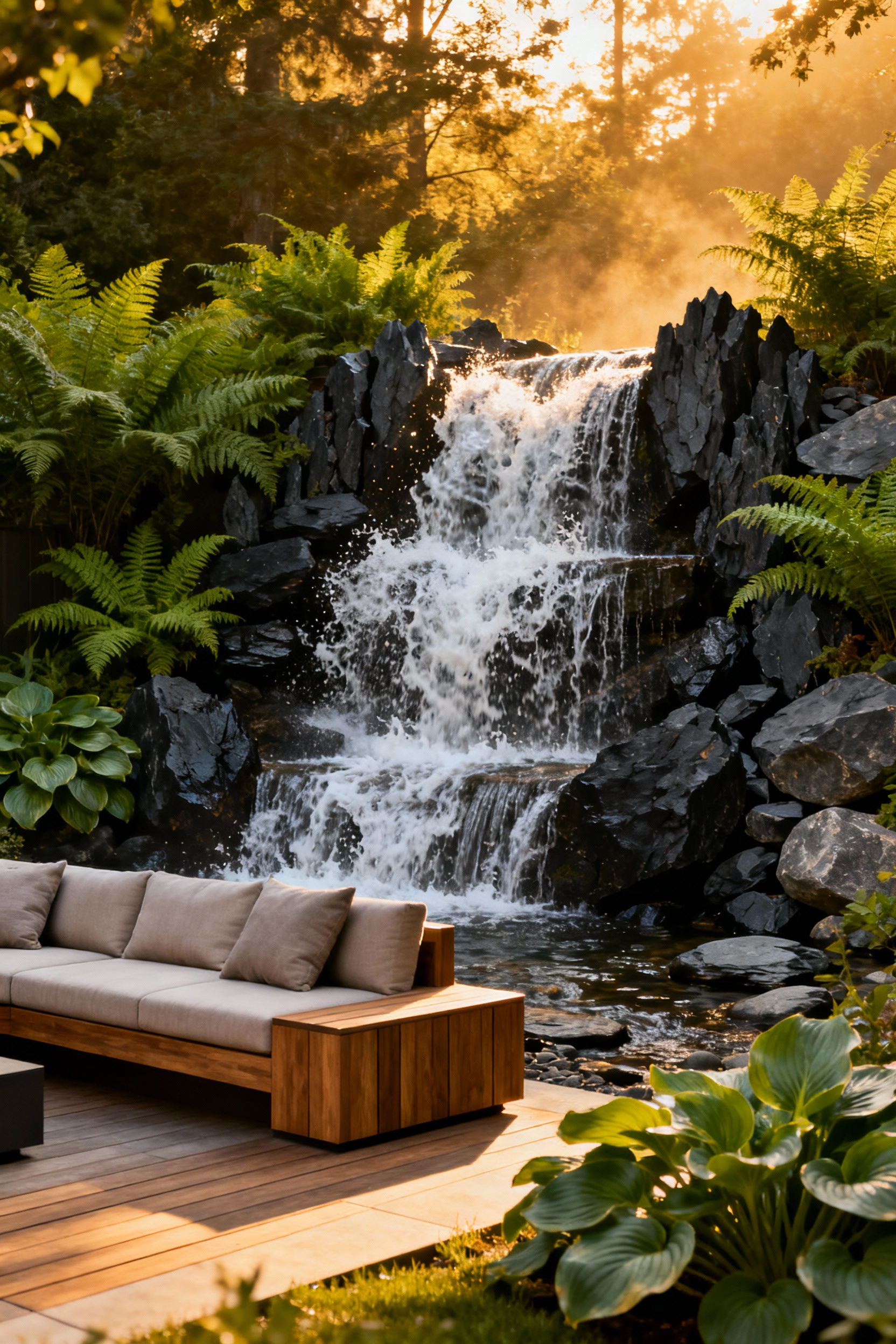
You must actively tune this environment to support your well-being. Just as we adjust lighting for mood, you can shape your garden’s acoustics:
- Alter the Pitch: Direct water onto flat stones for energetic, high-frequency splashes, or into a deep pool for a grounding, bass-like hum.
- Direct the Audio: Use tall planters or stone walls to bounce the sound toward your meditation spot.
- Control the Flow: Install a variable-speed pump to boost volume during loud rush hours and reduce it to a gentle trickle for quiet reflection.
By layering these elements, you create a dynamic biophilic buffer that actively protects your peace.
6. Aromatherapy Mapping: Strategic Planting for Mood Regulation
Your garden interacts directly with your limbic system, instantly influencing your mood. Harness this connection through aromatherapy mapping by purposefully dividing your backyard into distinct scent zones. For deep relaxation, cluster calming Lavender or Chamomile near a hammock or meditation corner. In contrast, place invigorating Rosemary or Peppermint near your outdoor workspace to sharpen mental focus. Scent acts as an invisible energetic boundary, gently guiding the mind into the right state for the activity at hand.
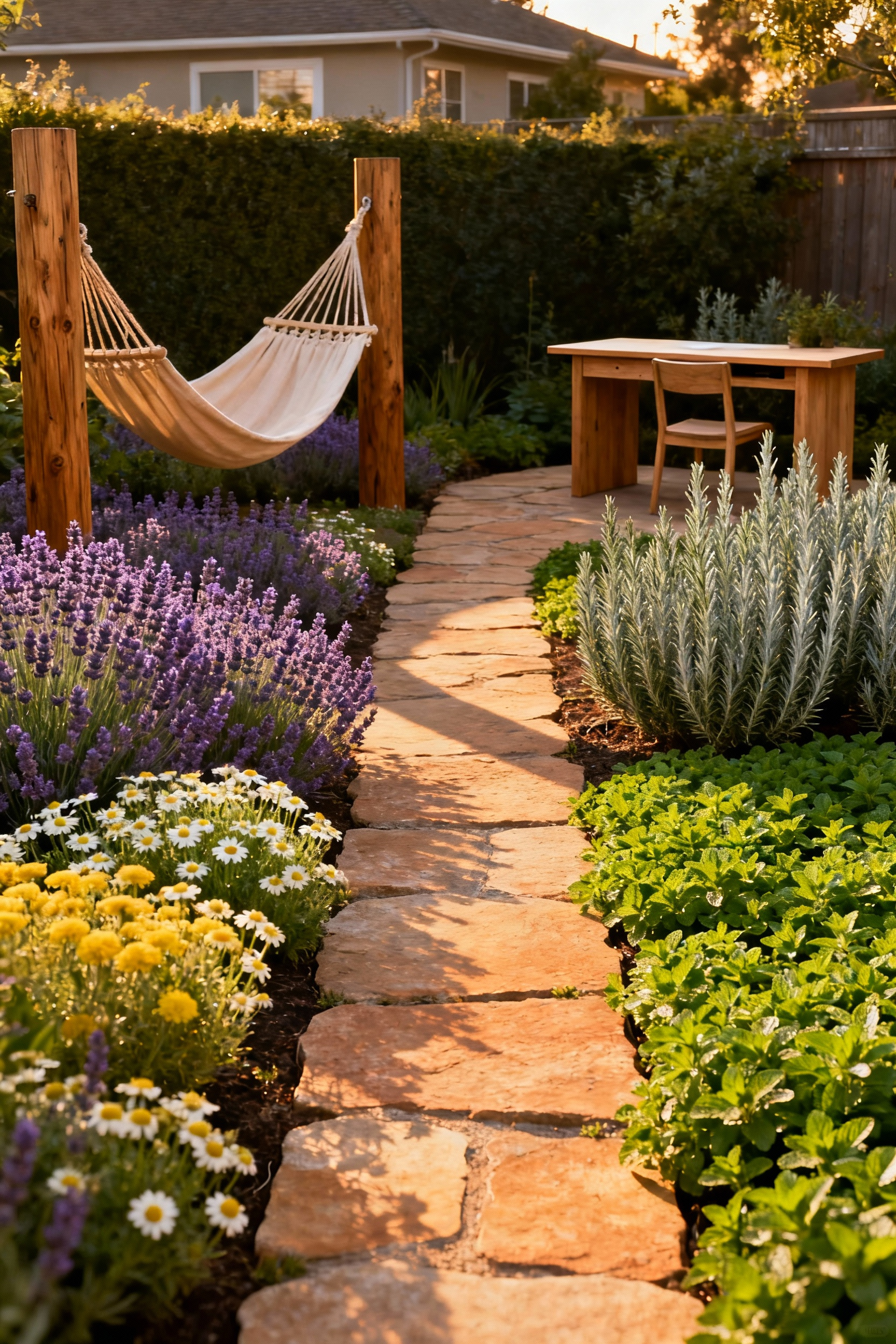
Maximize this olfactory impact through strategic positioning. Place the most fragrant blooms near entryways, windows, and seating areas where you naturally linger. Furthermore, incorporate “interactive” scent layers to fully engage your senses:
- Ground: Plant creeping Thyme between pavers to release fragrance when stepped on.
- Eye-Level: Train Jasmine on a trellis near windows for a vertical drift of scent.
- Touch: Line narrow pathways with scented geraniums that release oils when brushed against.
Finally, ensure a continuous “smellscape” by selecting varieties with staggering bloom times. This thoughtful layering ensures your environment nurtures you year-round.
7. Tactile Layering: Juxtaposing Ornamental Grasses with Smooth Hardscapes
Your nervous system naturally seeks balance between the rigid and the yielding. Too much unadulterated stone or concrete creates a static energy that can feel subconsciously harsh. Counter this with “Tactile Layering,” planting low-growing clumping grasses, such as Blue Fescue, directly against hard patio edges. This softens architectural lines and invites touch. Position feathery Fountain Grass along seating perimeters to catch the wind; this gentle, rhythmic movement breaks the stillness of smooth hardscapes and signals safety to your primitive brain.
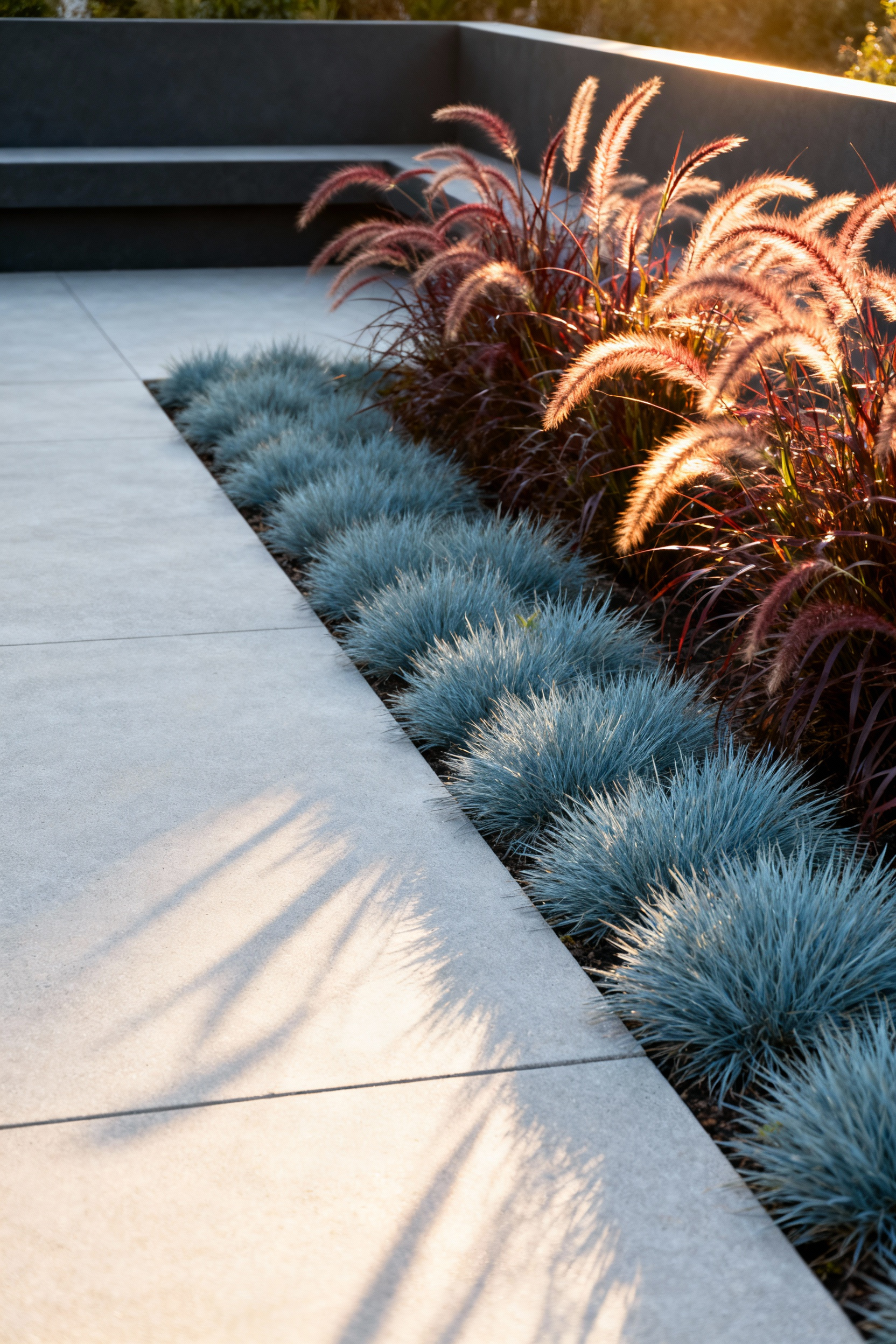
To fully ground this biophilic connection, interrupt expansive hardscaping with intentional pockets of greenery. Tuck short sedges between stepping stones or along gravel pathways to break visual monotony and create a spilling, organic texture. Finally, maximize this sensory experience through the colder months:
- Delay the cut-back: Wait until early spring to trim warm-season grasses.
- Embrace the silhouette: Let dried seed heads provide a coarse, golden contrast against cold winter stone.
This year-round structural complexity ensures your sanctuary remains a source of visual comfort, regardless of the season.
8. Circadian Lighting: Smart Systems for Natural Twilight Transitions
Harmonize your outdoor sanctuary with your body’s natural rhythms through smart circadian lighting. Artificial brightness often disrupts our sleep cycles, yet thoughtful technology restores that balance. Treat light as a nutrient for the nervous system, essential for signaling deep rest. To achieve this restorative glow, install “tunable white” or RGBCW LED fixtures that adjust electronically from cool daylight to warm amber.
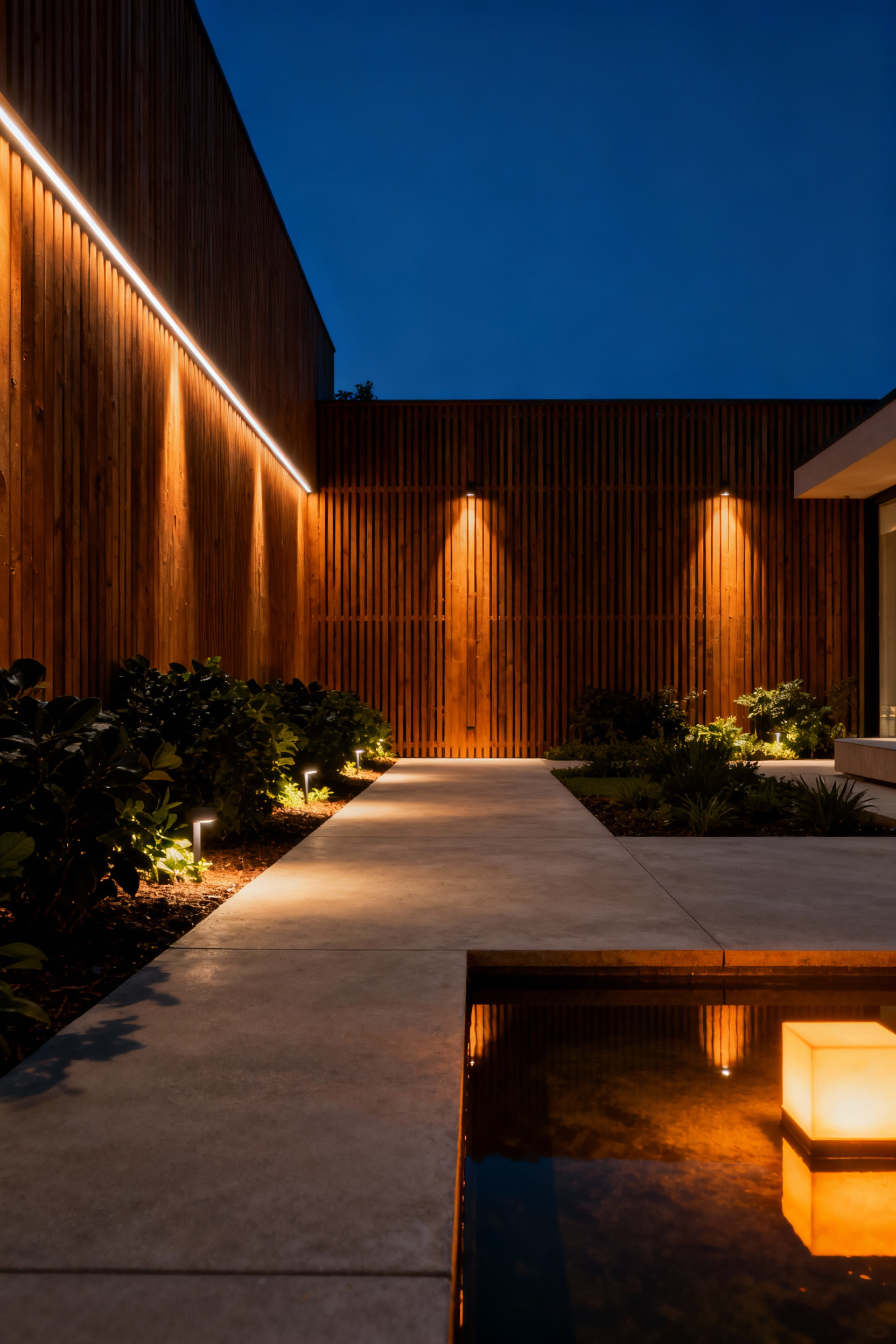
Once installed, use automation to mimic the setting sun. Program a “Twilight Scene” to fade intense light into a soft, 2200K gold over a 30-minute period. This specific warm spectrum boosts melatonin production and minimizes disruption to nocturnal wildlife. Sync these fixtures with your interior smart hub to create a unified lighting shift. This holistic boundary against stress guides your entire property into a state of relaxation.
Phase III: Restorative Function (Healing Spaces)
Your backyard must function as a sanctuary, not just scenery. Blend feng shui with environmental psychology to create spaces that actively lower stress levels. Start by establishing a “Quiet Corner,” a secluded nook protected by layered greenery or a pergola. This provides a psychological sense of “refuge,” allowing your nervous system to fully decompress. To deepen this restorative effect, integrate specific sensory triggers:
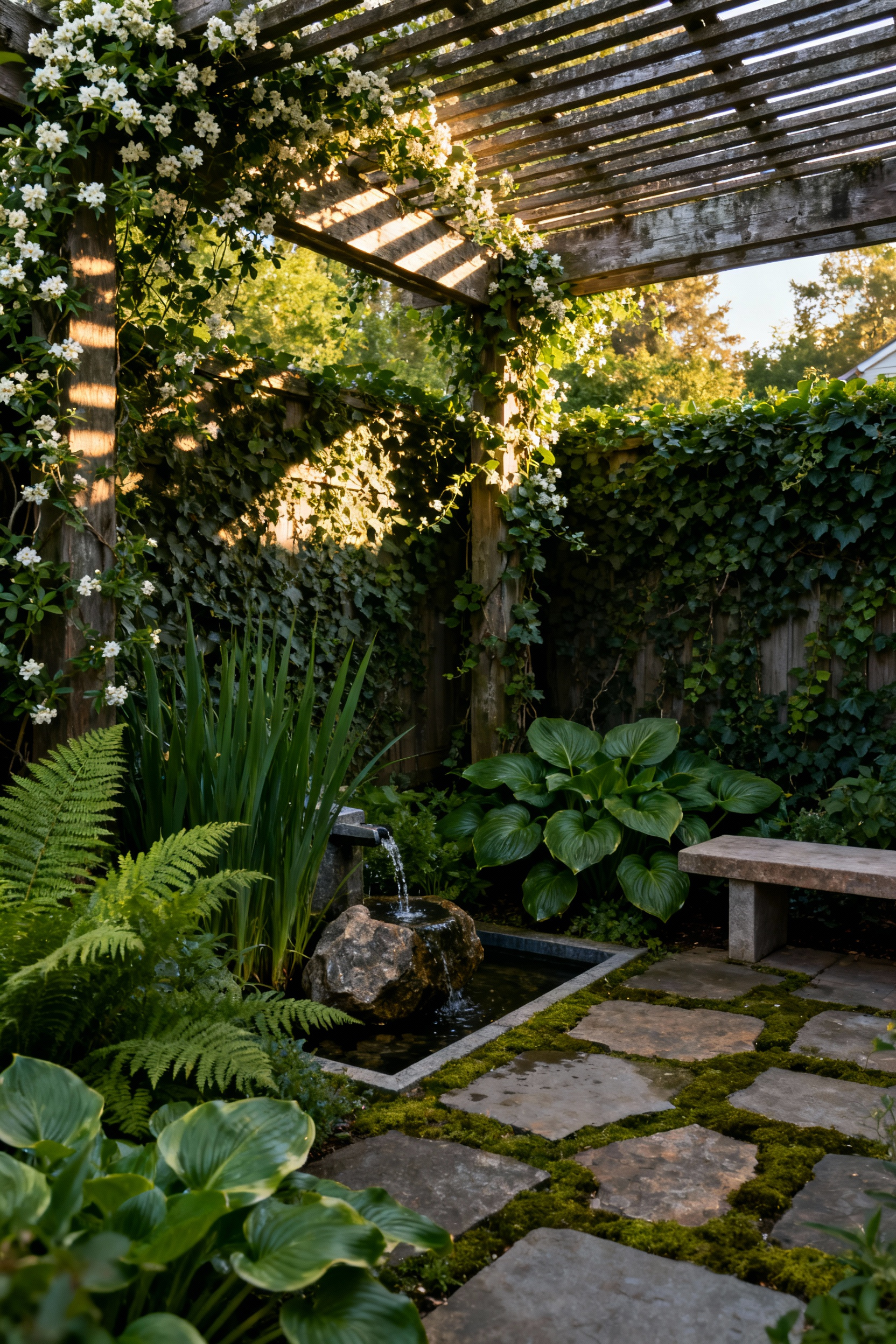
- Sound: Install a simple rock bubbler to mask urban noise with the calming rhythm of water.
- Scent: Plant aromatic lavender or mint near seating to utilize aromatherapy principles naturally.
- Flow: Lay gentle, winding pathways to encourage a slower, mindful pace.
Nature heals best when it is wild and accessible. Invite biodiversity by planting native species; watching butterflies or birds induces “soft fascination,” a mental state that restores focus without effort. Prioritize universal design by constructing firm, smooth paths at least five feet wide. By combining physical accessibility with biophilic elements, you build a restorative retreat that truly nurtures every body and mind.
9. The Somatic Deck: Dedicated Platforms for Yoga and Meditation
Elevate your daily practice by constructing a stable, dedicated foundation. Uneven grass disrupts balance, so build a slightly raised platform using smooth wood or composite decking to ensure proper alignment. Position this sanctuary in a secluded corner of your yard. Visual privacy triggers a deep sense of safety, so enclose the space with tiered plantings or bamboo fencing to block distractions.
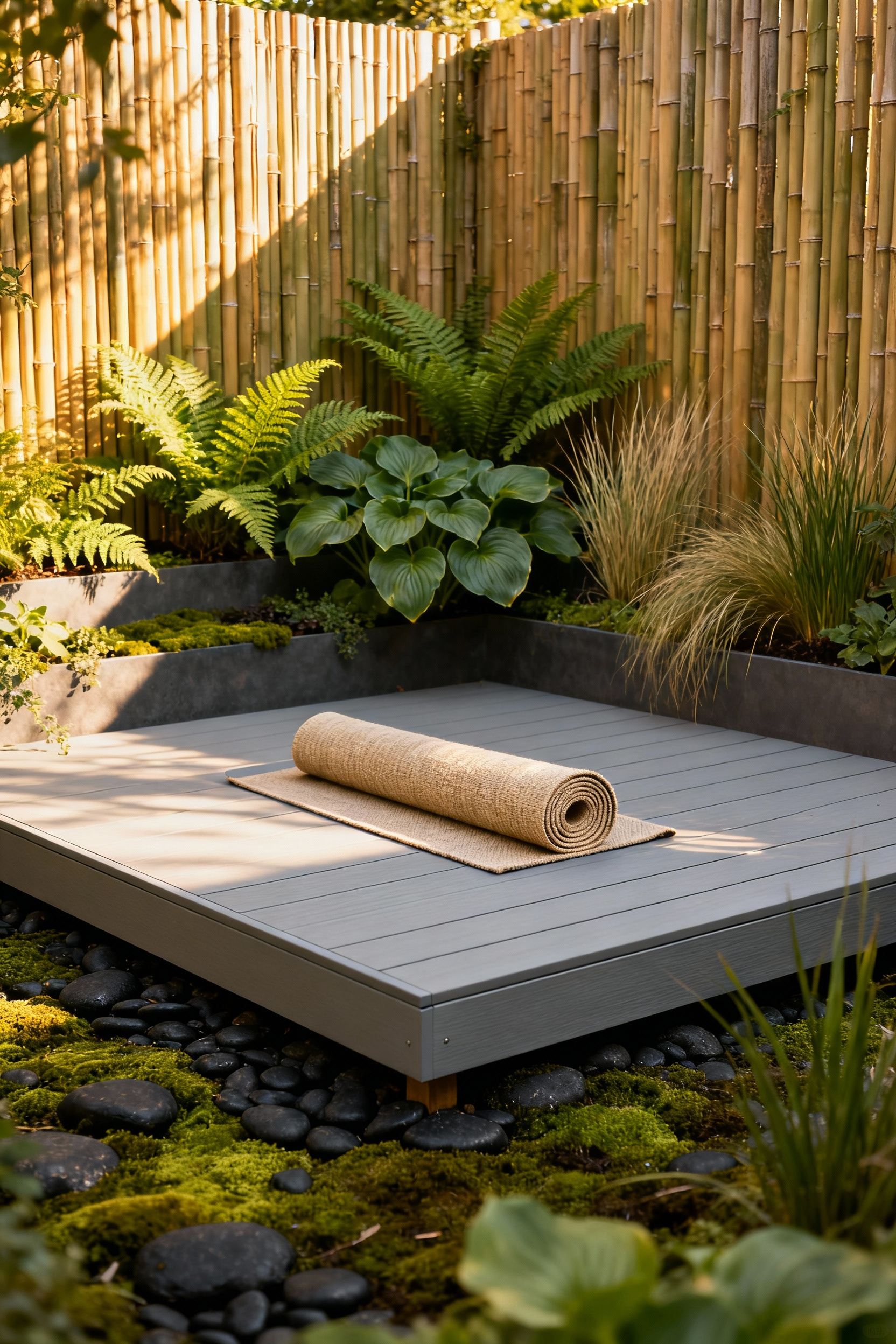
Our environment dictates our mental state. To create a truly restorative atmosphere, integrate these sensory elements:
- Dappled Shade: Utilize a tree canopy or pergola to filter harsh sunlight and prevent overheating.
- Sound Masking: Install a simple water feature to wash away background noise.
- Warm Lighting: Hang soft solar lights to invite tranquility during evening meditations.
Designing specifically for the senses allows your nervous system to shift effortlessly from stress to stillness.
10. Elemental Anchors: The Modern Fire Pit as a Communal Hearth
Fire acts as a powerful psychological anchor, triggering a primal sense of safety and community. “Sunken” seating areas are ideal for this application, as their lowered profiles mimic a supportive embrace, effectively blocking wind and reflecting heat to extend the outdoor season. To replicate this grounding effect, choose raw, elemental materials like poured concrete or Corten steel. These textures age beautifully, deepening your connection to natural cycles and providing a sleek, visual focus.
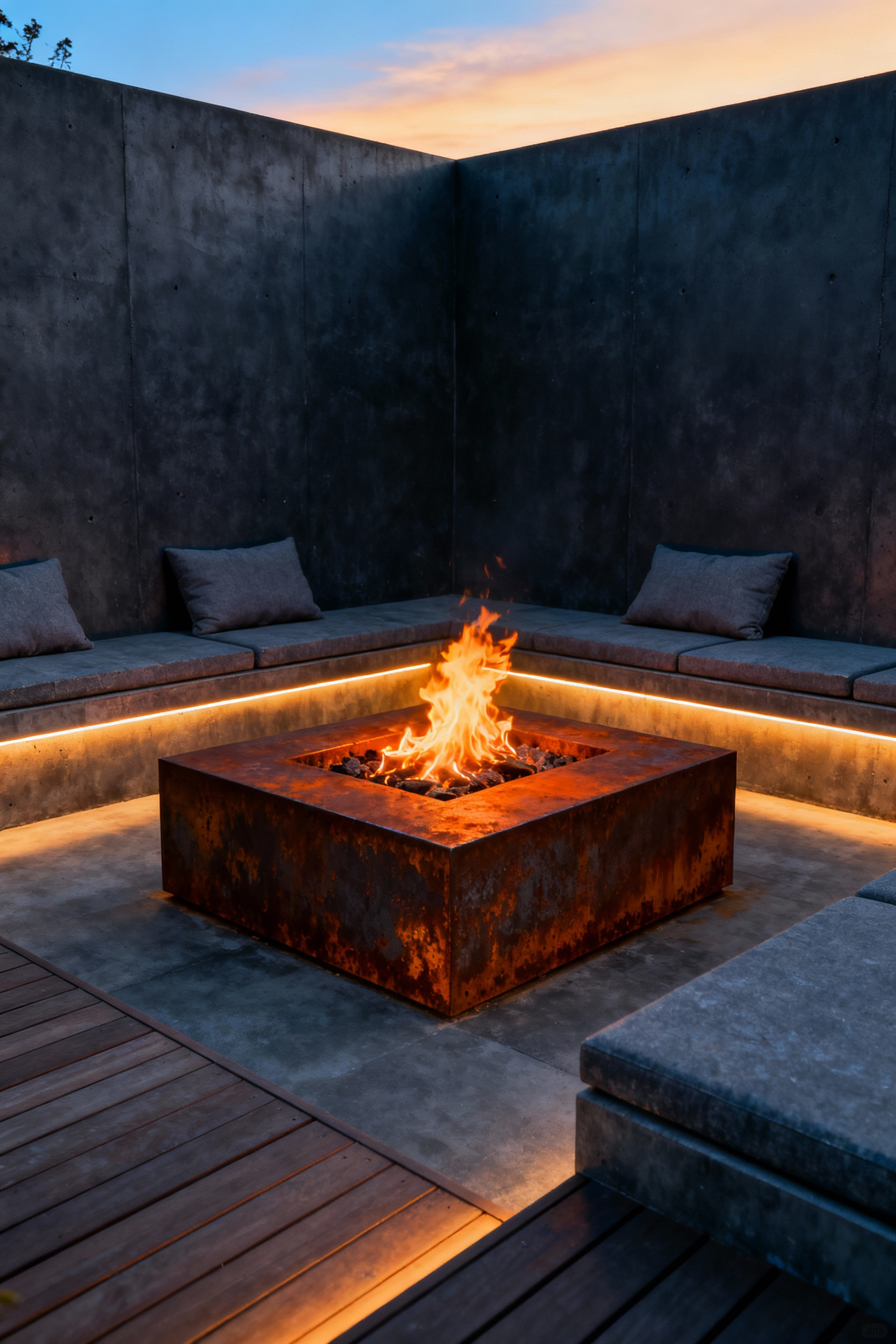
Functionality dictates relaxation, so thoughtful placement is essential for a stress-free environment. Adhere to these spatial and practical guidelines:
- Mind the gap: Keep 3 to 4 feet between the fire’s edge and your seat. This specific distance invites guests to prop up their feet while maintaining clear walking paths.
- Maximize utility: For smaller patios, select a dual-function fire table to blend dining space with a warmth source.
- Embrace ease: Install smart ignition systems or app-based controls. Removing the friction of manually lighting a fire encourages you to access this restorative ritual more often.
11. Hydrotherapy Integration: Designing the Discreet Outdoor Spa
True hydrotherapy requires total immersion, but visual clutter triggers subtle stress responses. Eliminate the distraction of a bulky unit by choosing a sunken installation. Recessing the spa into your deck or patio conceals synthetic skirting and establishes a flush, custom aesthetic. Harmonize the space by repeating natural materials, such as cedar or stone, found elsewhere in your home. This visual continuity grounds the water element, making the spa feel like a deliberate sanctuary rather than an afterthought.
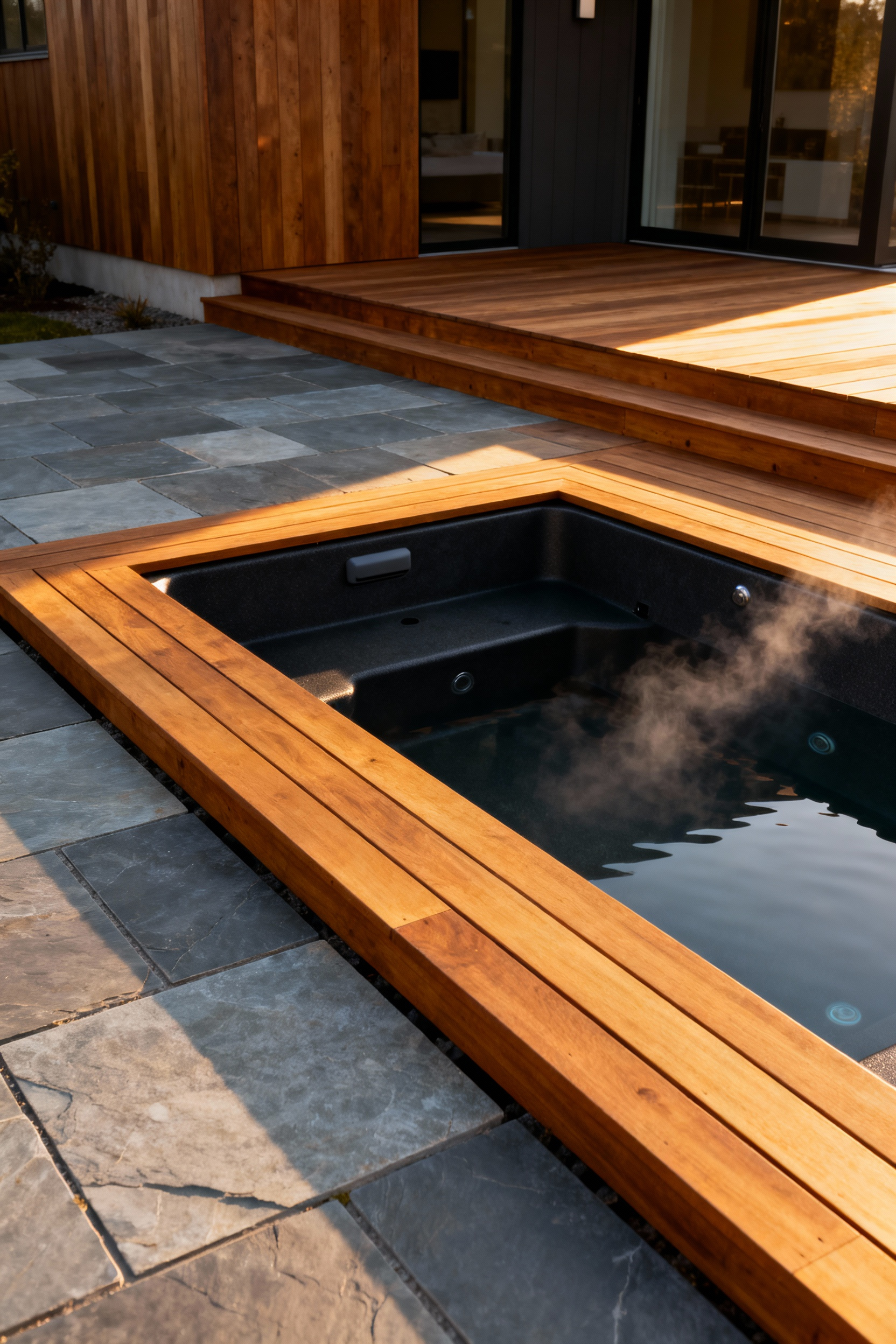
Privacy is essential for true vulnerability and healing. Construct a secluded “outdoor room” using a pergola or decorative slatted screen to block sightlines and frame the space. Finally, employ natural camouflage to soften hard edges and invite biophilic restoration:
- Layer foliage: Plant ornamental grasses or bamboo for a verdant, living barrier.
- Create enclosure: Use evergreens to simulate a forest bathing experience.
By wrapping the perimeter in life, you shift the focus from the equipment to the experience, allowing nature to nurture you completely.
12. The Mindful Harvest: Aesthetic Edible Gardens and Raised Beds
Cultivating an edible garden grounds us in the present moment and directly connects our environment to our physical nourishment. Rather than hiding vegetable patches, elevate them into stunning focal points that engage the senses. Treat vibrant Swiss chard or deep purple kale as ornamental foliage, and intersperse them with marigolds to naturally deter pests while adding color. Frame these living textures with untreated cedar or sleek Corten steel. Symmetrical arrangements can cultivate energy flow and reduce cognitive load, promoting a deep sense of serenity every time you step outside.
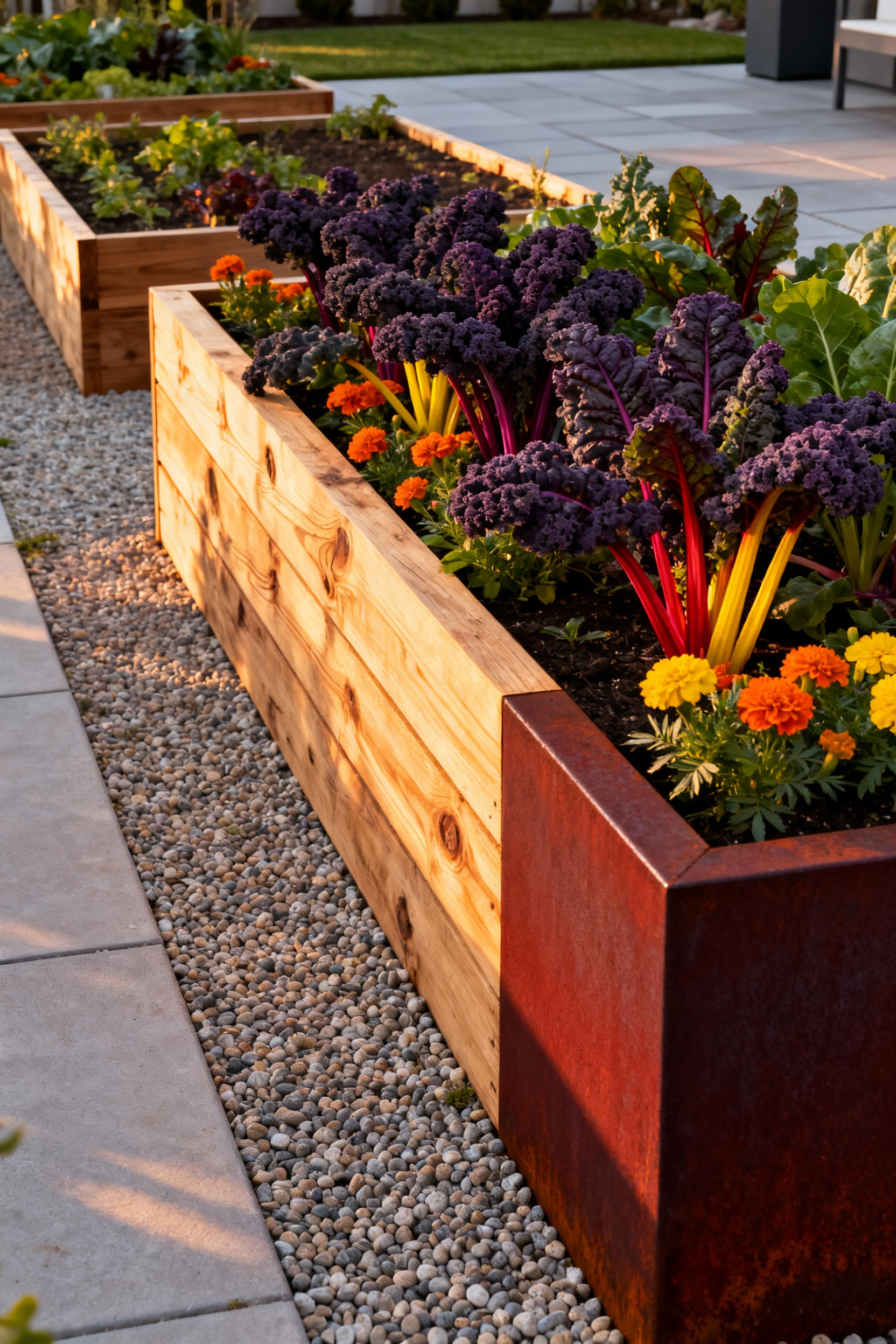
To truly nurture a habit of mindful eating, prioritize accessibility in your layout. Position your most frequently used herbs and greens closest to the kitchen door to encourage daily interaction with your food source. Maximize both yield and beauty by incorporating vertical elements like arbors for climbing beans or grapes, drawing the eye upward. Furthermore, thoughtful layering creates a lush, abundant aesthetic:
- Anchor the back with tall crops or caged tomatoes.
- Fill the middle with bushy peppers or leafy greens.
- Soften the edges with cascading groundcovers like strawberries or thyme.
Finally, string soft ambient lighting above the beds. This transforms the garden into an evening sanctuary, allowing you to harvest peacefully after a long day.
Phase IV: Sustainable Stewardship (Ethical Luxury)
True luxury eschews excess in favor of exceptional quality and intentionality. Spaces that honor the earth through Sustainable Stewardship feel the most grounded. Begin by selecting materials with soul, such as reclaimed barn wood or locally quarried stone. These choices minimize carbon emissions and add a tactile warmth that virgin materials lack. Treat water as a sacred resource: Swap impermeable concrete for porous pavers to reduce runoff, and employ smart irrigation systems that nurture the soil only when necessary.
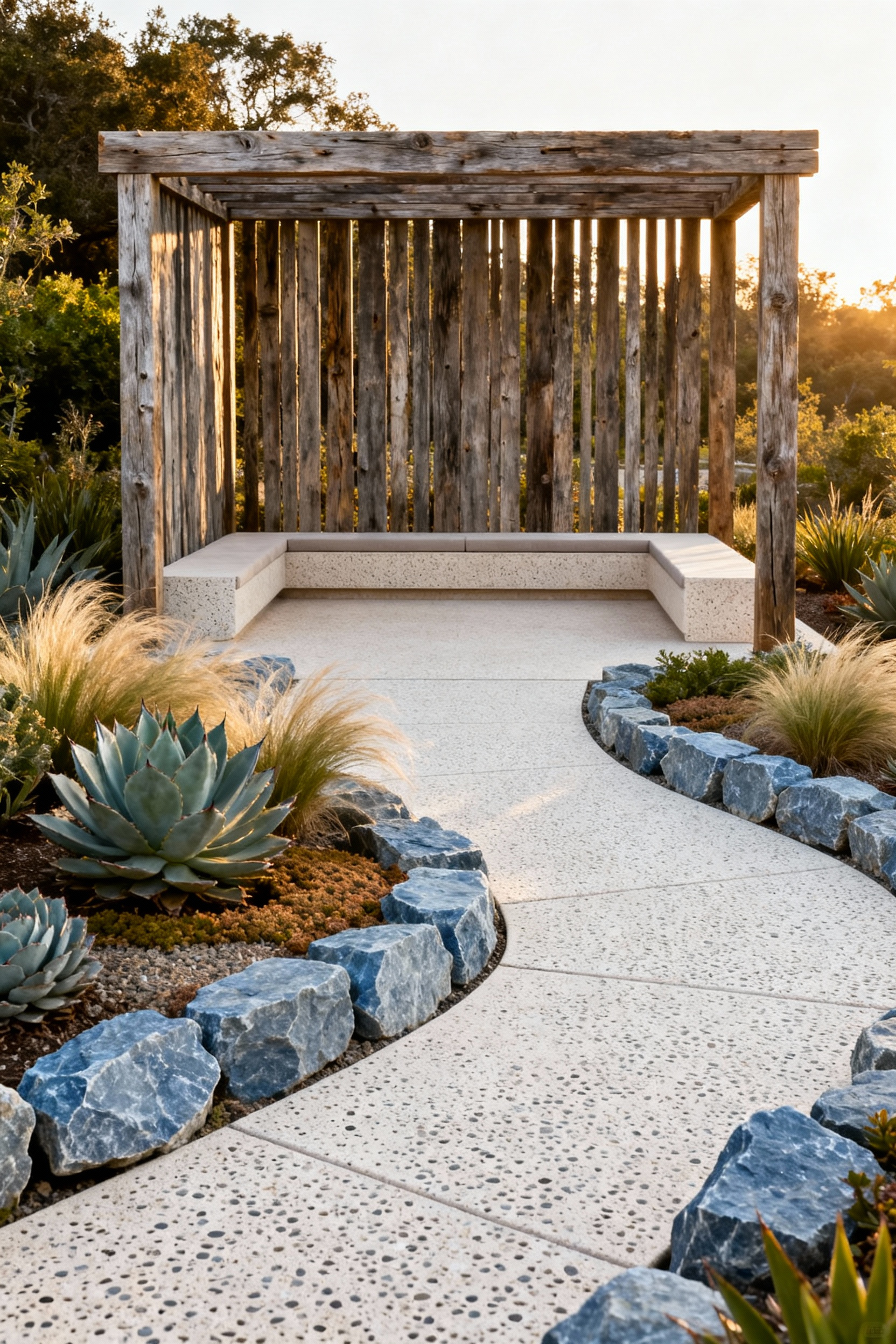
Shift your focus from simple ornamentation to active regeneration to elevate your sanctuary:
- Invite biodiversity by dedicating at least 60% of plantings to native species that thrive without chemicals.
- Protect air quality by choosing bioethanol fire features over smoke-producing wood.
- Cool the space with living green walls that naturally insulate and oxygenate your retreat.
By aligning your personal haven with ecological health, you cultivate a restorative space that supports your well-being for years to come.
13. Bioclimatic Shelters: Pergolas that Adapt to Sun and Wind
Treat your outdoor space as a living extension of your wellness practice. Bioclimatic pergolas breathe with the environment, using motorized louvers to manage sunlight and airflow dynamically. Position the structure to block harsh western sun while angling slats to create a “stack effect.” This draws hot, stagnant energy up and out, replacing it with a cooling, restorative breeze. Consequently, your body maintains optimal thermal comfort, reducing physical stress levels naturally.
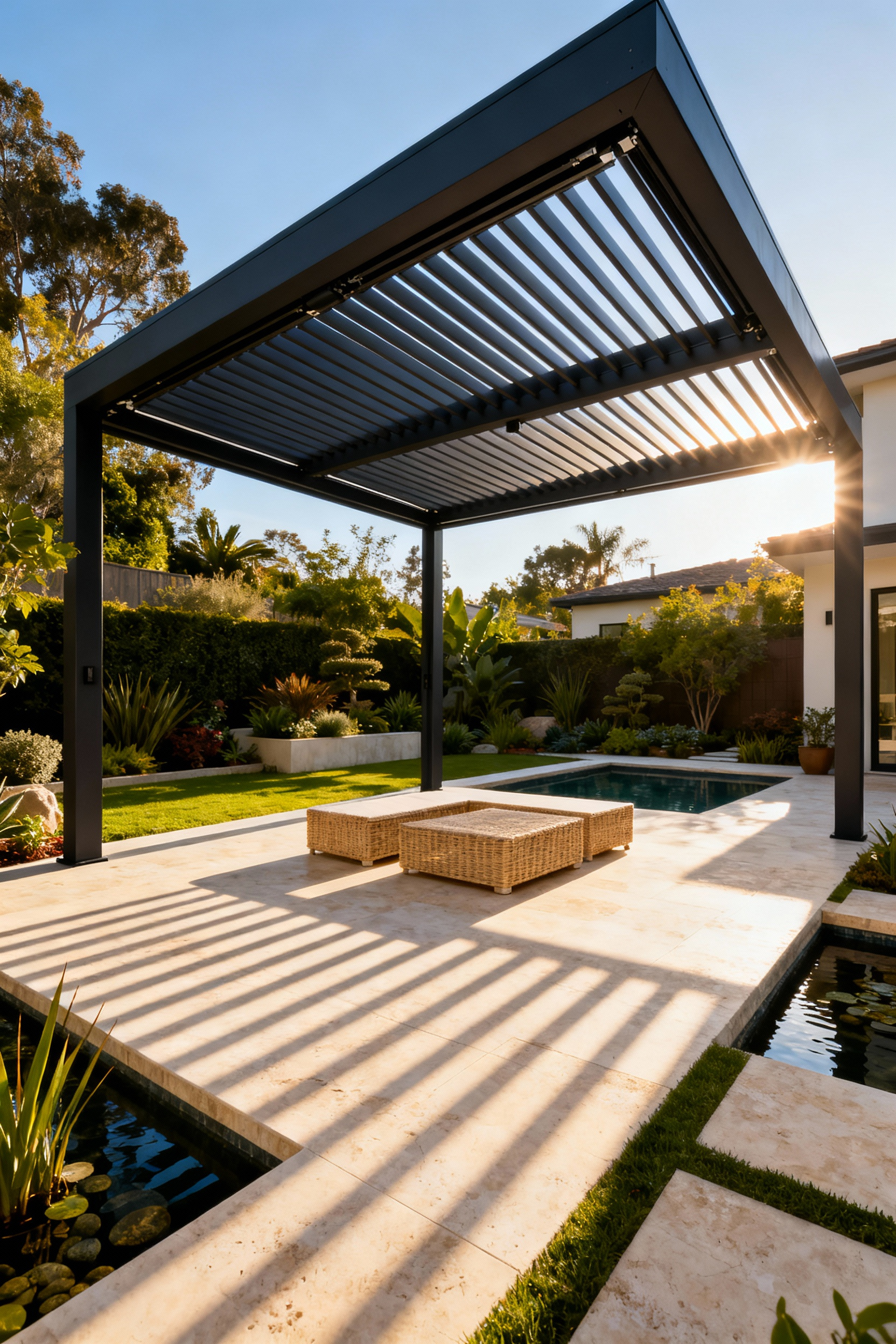
Smart sensors further enhance this harmony by automatically closing the roof at the first drop of rain, requiring zero mental load from you. To maximize this sanctuary year-round, select integrated features that support your circadian rhythm and physical comfort:
- Dimmable LED lighting hidden in the frame helps transition your mind into evening rest.
- Infrared heating elements provide deep, muscle-soothing warmth during cooler months.
- Zip blinds offer essential privacy and protection from jarring winds.
14. The Rainwater Narrative: Visible and Sculptural Harvesting Systems
Transform your garden’s relationship with weather by celebrating the journey of water. Rather than concealing collection systems, highlight them as “functional sculpture” to deepen your connection to nature’s cycles. Replace utilitarian downspouts with visible stone runnels or melodic copper rain chains. The sight and sound of flowing water naturally reduce stress and anchor the mind in the present moment, turning a common rainstorm into a meditative experience.
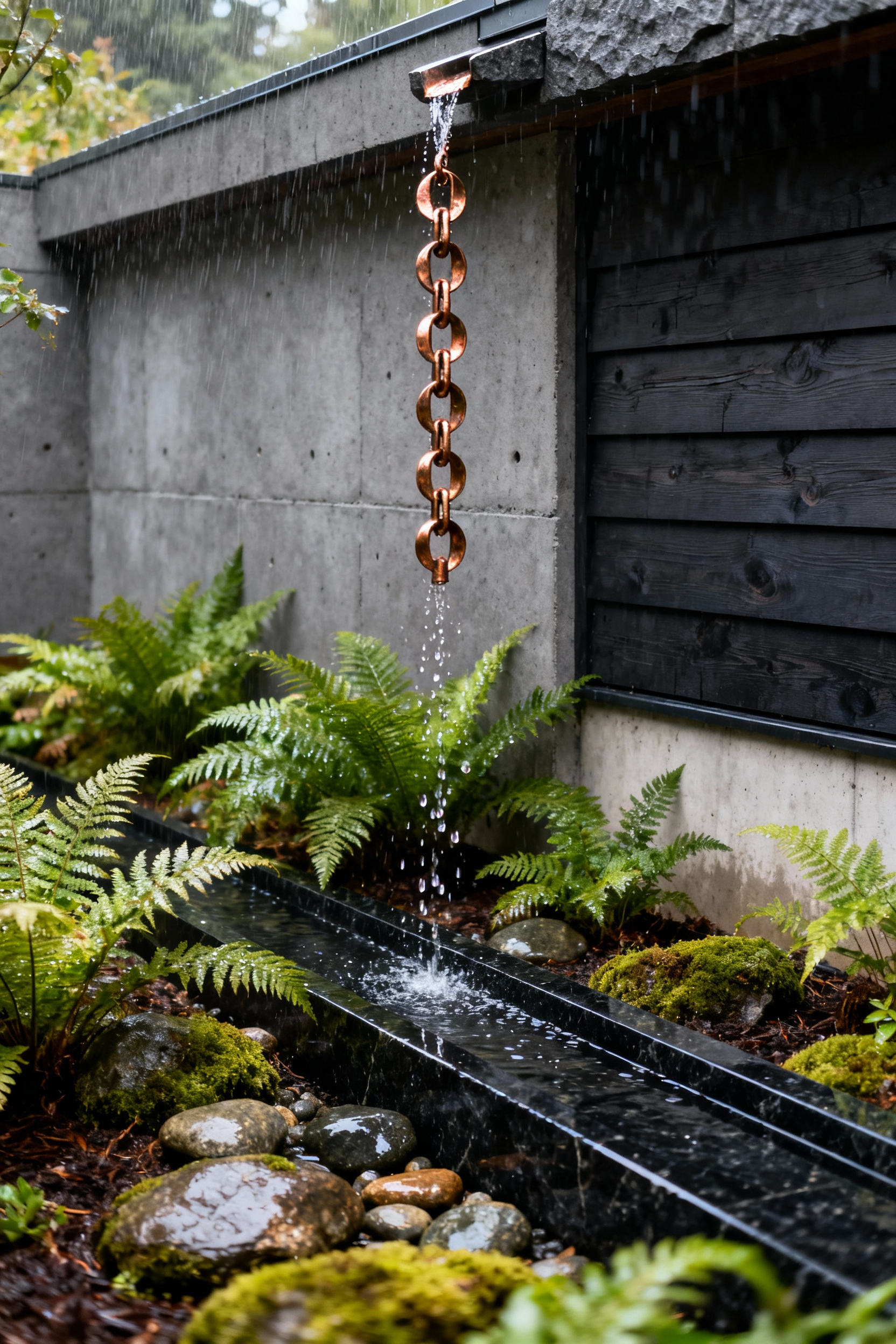
Treat your harvesting system as a focal point for both beauty and utility. Select artisanal ceramic cisterns or sleek metal barrels that complement your architecture, ensuring they remain covered to prevent algae growth. To fully integrate this narrative into your landscape:
- Install architectural scuppers to direct water visibly from the roof.
- Route cistern overflow into a tiered fountain or rain garden.
- Position vessels strategically near key planting zones for effortless irrigation.
By turning a utility into art, you create a living system that nourishes both your soil and your spirit.
15. Biodiversity Corridors: Planting to Support Local Ecosystems
Cultivating a biodiversity corridor invites healing energy into your space, grounding your spirit while supporting the earth. Start by prioritizing native plants arranged in vertical layers. Mimic the natural world. Layer tall canopy trees above understorey shrubs and herbaceous flowers to offer varied shelter. Nature abhors isolation; therefore, design for “continuous cover” along your boundaries. Plant dense hedges to create a seamless, safe belt for traveling wildlife rather than scattered, exposed patches.
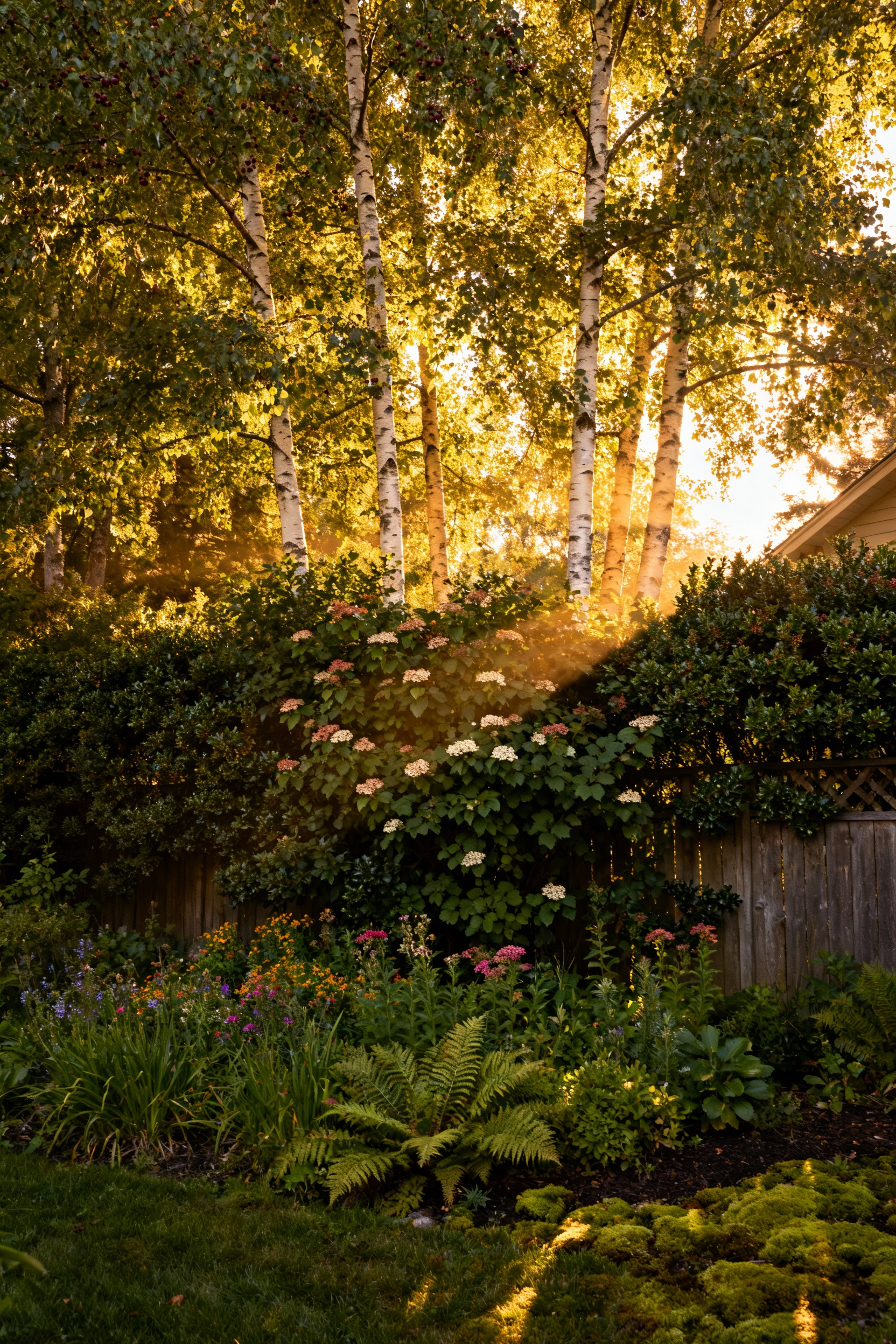
True holistic design fosters connection. Ensure your garden serves as a navigable link in the local network by creating small gaps in solid fences for ground-based creatures like hedgehogs. Beyond access, provide a sanctuary rich in resources. Integrate these four habitat essentials directly into your landscape:
- Food: Supply native nectar, seeds, and berries.
- Water: Install a small pond or bird bath.
- Shelter: Utilize log piles and dense shrubbery.
- Nesting: Offer bird houses or preserve standing deadwood.
By nurturing these life cycles, you deepen your own connection to the natural rhythms of the world.
16. The Breathing Living Room: Selecting Non-Toxic Weather-Resistant Textiles
Create a true sanctuary by eliminating hidden toxins in your outdoor upholstery. Standard outdoor fabrics often rely on PFAS “forever chemicals” for weather resistance, yet these substances linger in both the ecosystem and our bodies. Prioritize respiratory health by explicitly seeking textiles labeled PFAS-Free or those treated with C0 Durable Water Repellent. Strictly recommend fabrics with OEKO-TEX or GREENGUARD Gold certifications to ensure the air you breathe while relaxing remains pure and restorative.
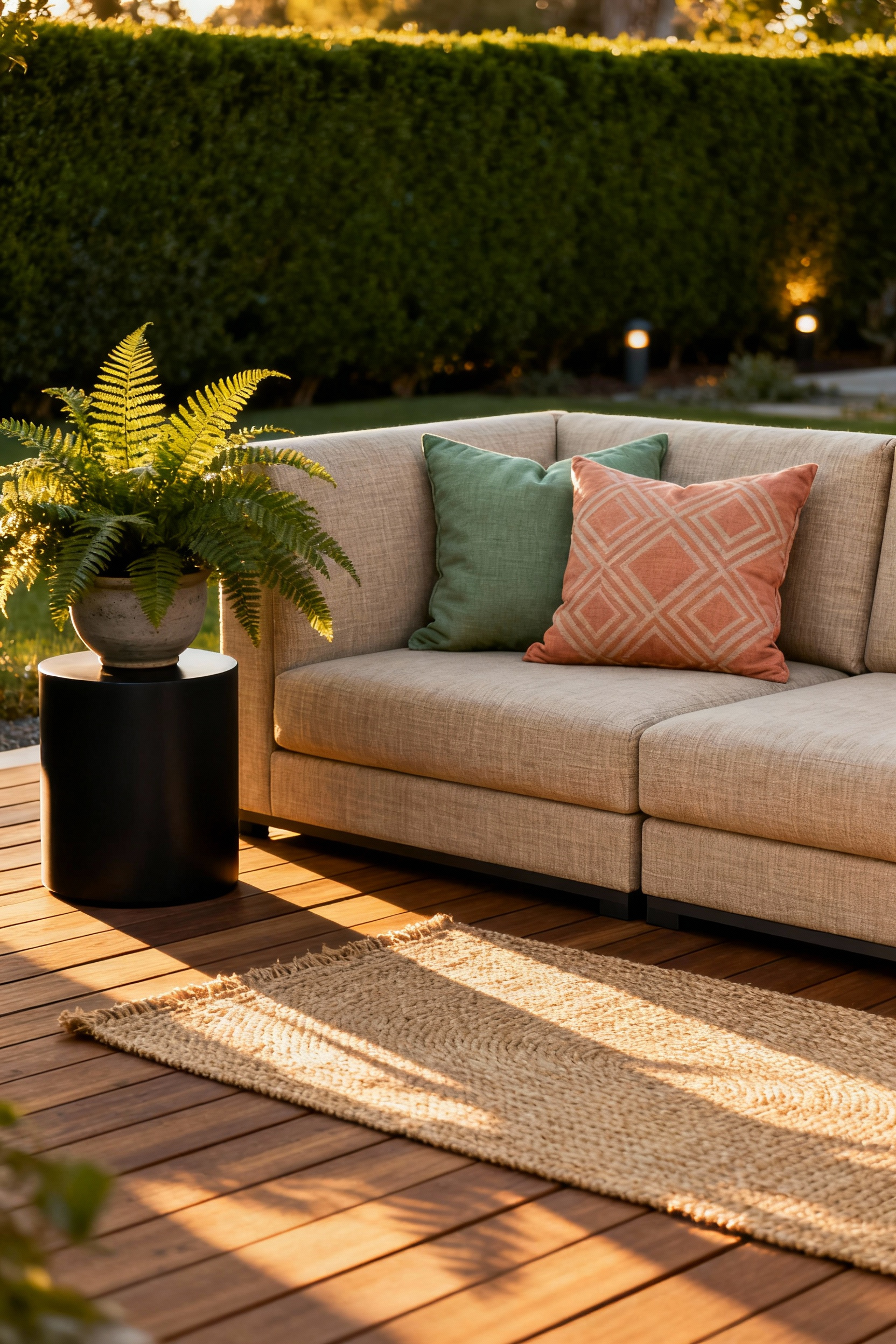
Select materials that offer durability without heavy chemical processing. Olefin (polypropylene) serves as an excellent non-toxic choice, naturally resisting mold and UV rays while drying quickly. If you prefer different textures, look for these specific safe harbors to ground your space:
- Solution-dyed fabrics, where color is mixed into the fiber to reduce the need for surface chemical treatments.
- Recycled PET (rPET), which repurposes plastic bottles into mold-resistant weaves.
- Hemp or organic cotton backed with bio-based TPU for natural, breathable water protection.
Frequently Asked Questions
What are the key elements of a good functional back yard design?
A highly functional back yard design is built upon clear, foundational zoning (Phase I). The three essential elements are: 1) Structural Hardscaping (patios, decks, and pathways) to define activity zones; 2) Privacy Screening (living boundaries or architectural screens) to create a sense of refuge; and 3) Seamless Flow, ensuring the transition from house to garden feels intuitive and effortless.
How can I make a small back yard look bigger and more expansive?
To maximize the perception of space in a compact back yard design, utilize long, sweeping curvilinear pathways that partially conceal the destination. Use large-format pavers (fewer lines trick the eye into seeing more space) and employ vertical gardening (green walls or trellises) to draw the gaze upwards. Finally, repeating a limited, calming material and color palette throughout the space provides visual peace, reducing the clutter that makes small areas feel cramped.
What are the most popular sustainable trends in modern backyard landscaping?
Modern sustainable back yard design prioritizes ecological health and longevity. The most popular trends include integrating visible rainwater harvesting systems (like rain chains and sculptural runnels), utilizing permeable pavers and locally reclaimed wood, and cultivating native plant biodiversity corridors to reduce maintenance needs and support local ecosystems.
Conclusion: Cultivating Your Daily Retreat
True restoration requires a space that returns energy rather than consuming it. Therefore, prioritize low-maintenance native plants and durable hardscaping to ensure your sanctuary remains a refuge, not a source of stress. To fully activate your parasympathetic nervous system, you must engage beyond the visual. Incorporate the sound of trickling water, the scent of jasmine, or the warmth of ambient lighting to ground your mind instantly. Successful retreats are ongoing practices, not static projects.
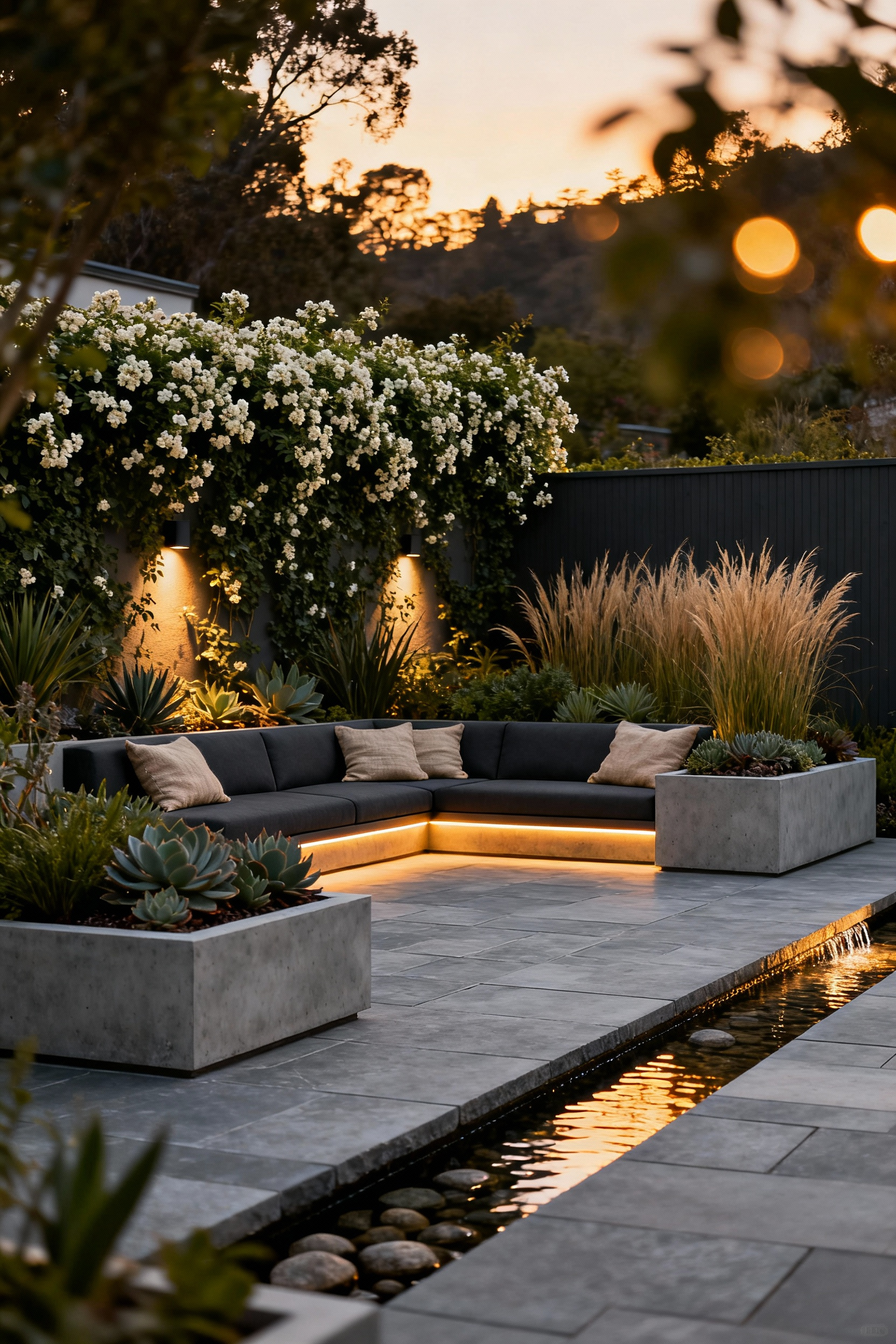
Create a “micro-retreat” to formalize your daily pause. Even in compact gardens, you can designate a specific corner for mindfulness using three simple steps:
- Define the boundary: Use tall grasses or a trellis to visually separate your haven from household distractions.
- Anchor with comfort: Select one high-quality chair or hammock that invites immediate relaxation.
- Rotate seasonal energy: Swap throw pillows or introduce new herbs to keep the space aligned with your evolving needs.
By treating your backyard as a living extension of your wellness routine, you cultivate a durable habit of peace.
Synthesis: How these elements combine to lower cortisol and elevate joy
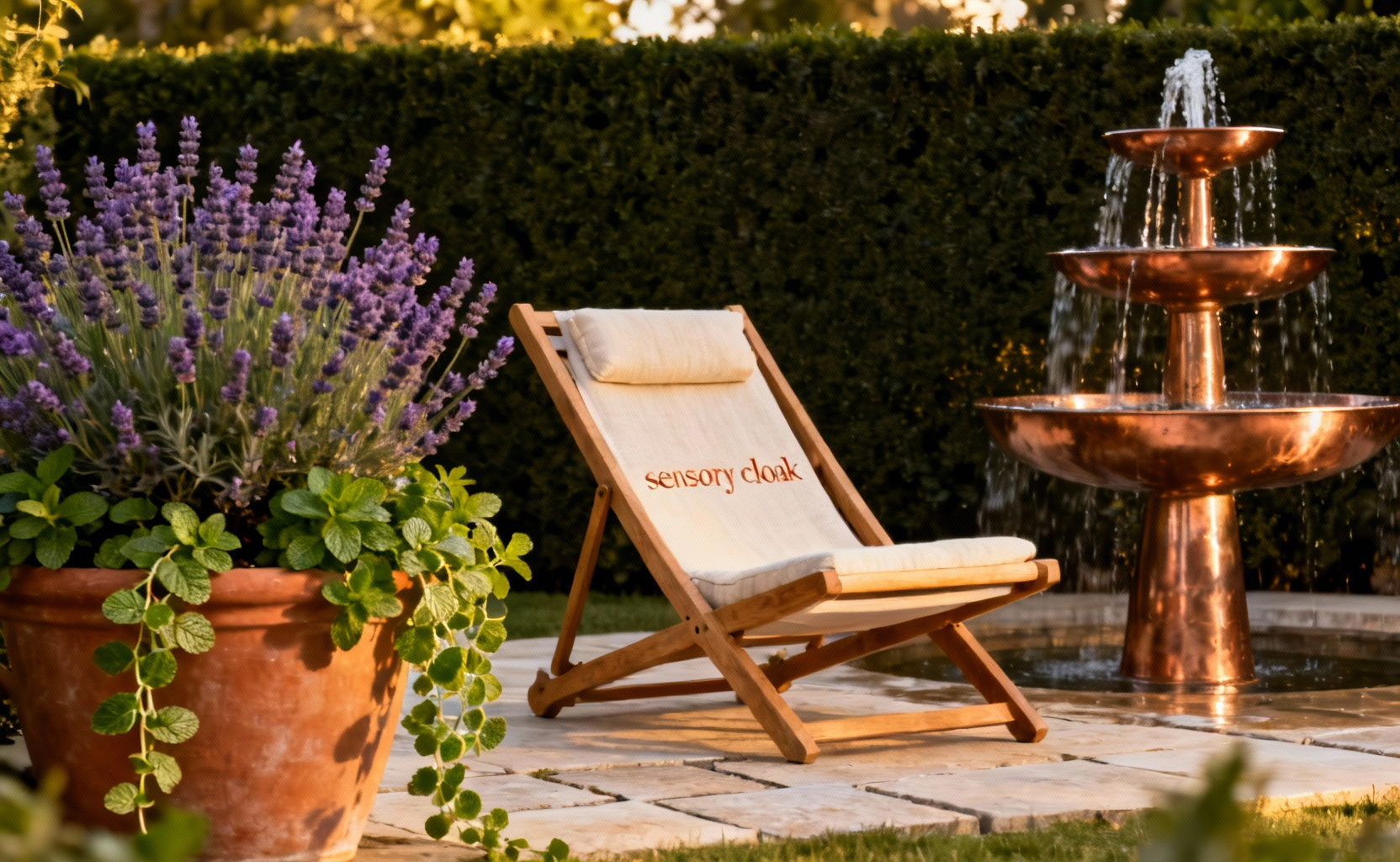
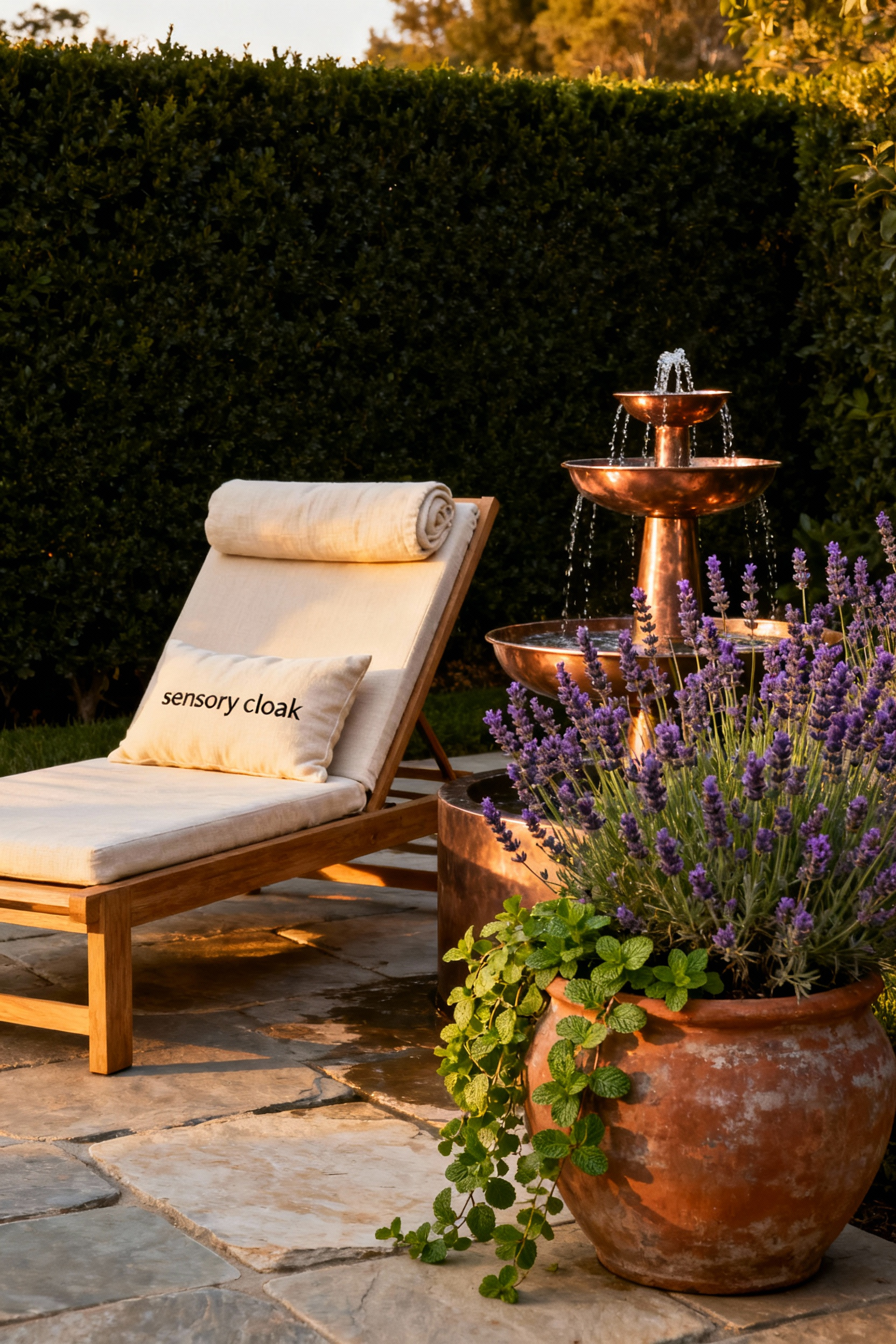
True restoration happens when you layer sensory experiences to soothe the nervous system. The garden is a prescription for stress relief. Start by creating a “sensory cloak” near your primary seating area. Pair the steady rhythm of a trickling fountain with grounding aromatics like lavender or mint. This combination actively masks urban noise and triggers your parasympathetic response, signaling to your body that it is safe to rest. Furthermore, encourage mindful movement by designing a winding path that leads to a secluded nook. The physical act of walking releases endorphins, while the destination satisfies a primal need for safety and solitude.
Visual complexity drives cognitive recovery. A flat, singular lawn offers little mental stimulation and often feels stagnant. Instead, embrace biodiversity to banish visual clutter and spark joy. Mimic nature’s density by layering three specific zones:
- Tall trees or hedges for protective canopy shelter.
- Flowering shrubs to provide uplifting bursts of color.
- Pollinator plants to invite the soothing sights and songs of birds.
Witnessing this vibrant, living ecosystem reduces cortisol levels immediately. By synthesizing these elements, you transform your back yard design ideas from a simple plot of land into a living battery that recharges your spirit.
The Future: Viewing the backyard not as a project to finish, but a relationship to nurture
True well-being thrives in flow, not rigidity. Treat your backyard as a relationship to nurture rather than a static project to conquer. This pivotal mindset shift moves you from the stress of maintaining a “finished” product to the joy of stewarding a living ecosystem. The pressure for sterile perfection creates anxiety, whereas nature prefers evolution over completion. Frame your landscape with neat hardscapes but allow the plants within to grow wild and free, reducing your chore list and inviting tranquility.
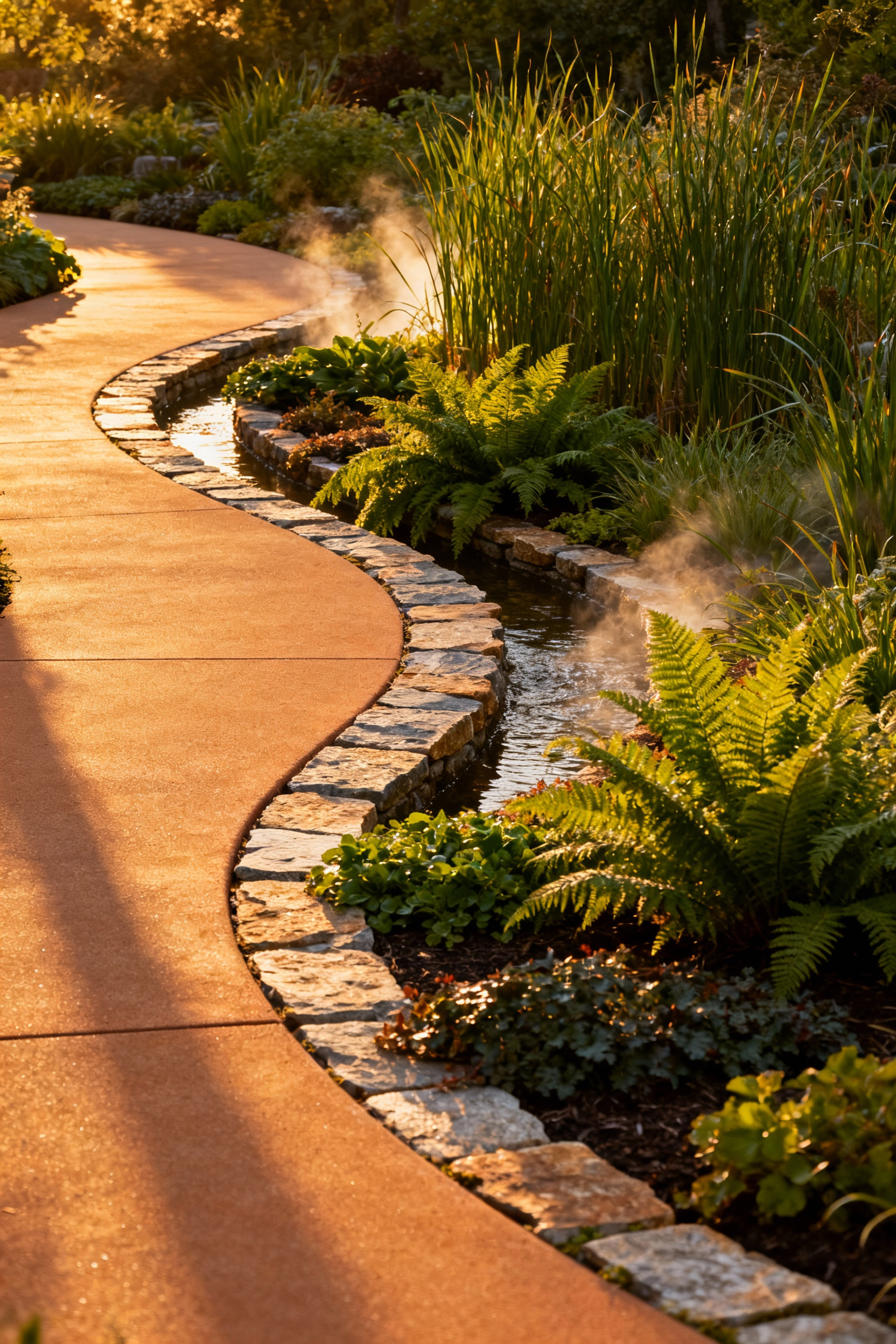
This approach transforms gardening tasks into acts of mindfulness. When you prioritize regenerative practices, you nurture both the soil and your own mental health. Consider these steps to deepen your connection:
- Plant natives: Support local pollinators and actively watch life return to your space.
- Design for presence: Create a quiet seating zone specifically for observing seasonal changes.
- Accept impermanence: Let plants migrate and mature naturally without immediate intervention.
By respecting these natural rhythms, you cultivate a sanctuary that evolves alongside you, proving that the most healing spaces are never truly done.