
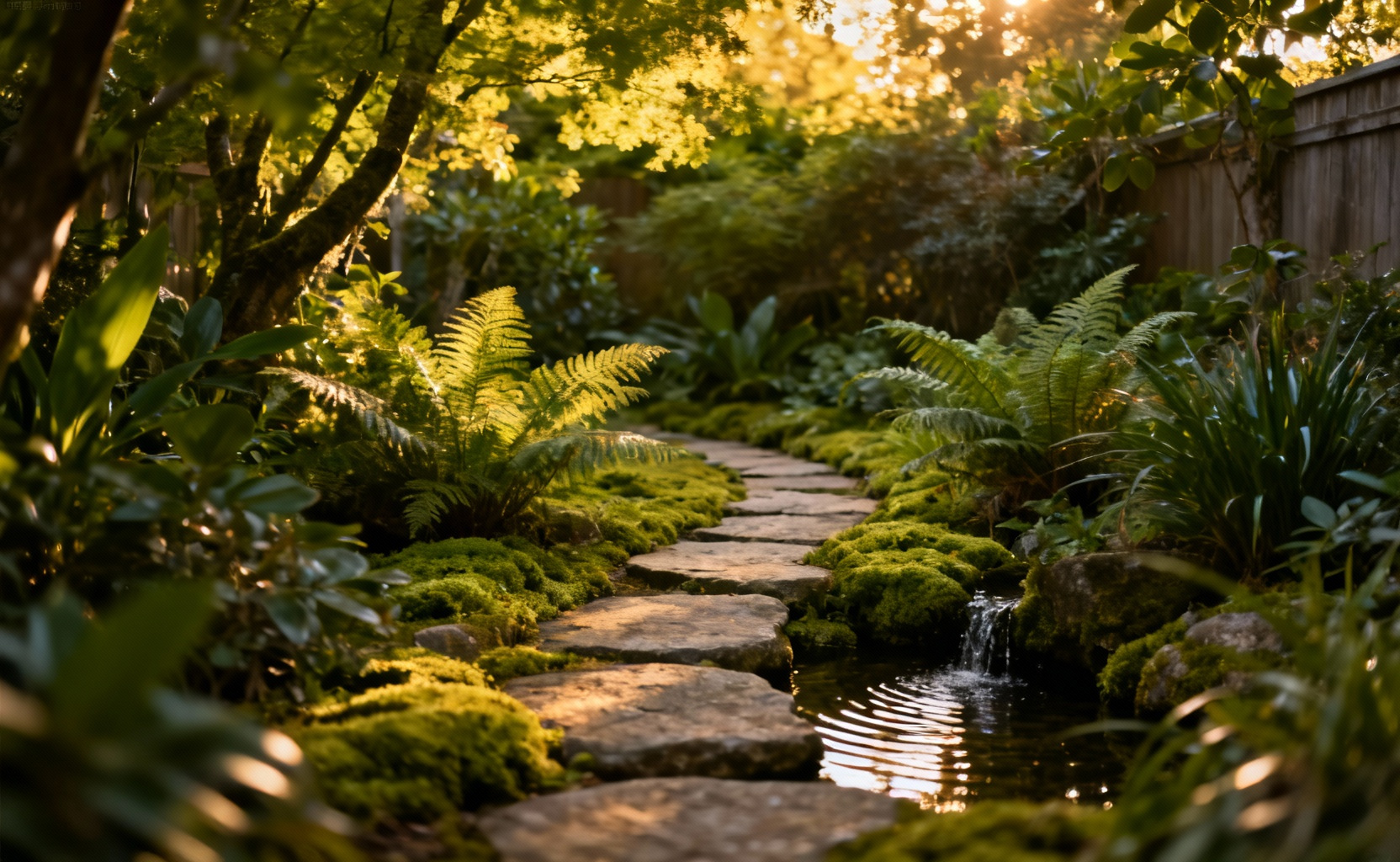

Creating a sanctuary in our own back yard is an intimate act of self-care—every choice we make, from the path underfoot to the plants that catch the light, reflects not just our taste, but our deeper need for connection and well-being. The most compelling outdoor spaces aren’t simply decorated; they are authored. They tell a story of how we want to feel, how we wish to heal, and how we connect with the natural world. These 20 principles separate a backyard that is truly a nurturing haven from one that is merely an outdoor room.
Our external environments are direct reflections of our internal landscapes. As we learn to cultivate the world outside our windows, we find we are also tending to the garden within. My holistic design approach is centered on this simple truth: a space designed with intention has the power to restore our minds, bodies, and spirits.
We’ll journey through this process together, beginning with the philosophy behind creating a truly healing space, then moving to the foundational concepts that bring it to life. From there, we’ll explore advanced applications for deeper restoration before touching on how to preserve this harmony for years to come.
Think of this not as a list of tasks, but as a series of gentle invitations to transform your outdoor space into a responsive, vibrant extension of your own well-being.
Philosophical Context: The Biocentric Imperative in Outdoor Design
Before a single stone is laid or seed is planted, we must first understand the spirit of our endeavor. Creating a backyard sanctuary begins with a shift in perspective. It’s about seeing the space not as a blank canvas to be filled, but as a living partner in our wellness journey. This philosophy is rooted in our innate, biological need for nature and our deep connection to the land we inhabit.
1. Reconnecting with Your ‘Nature Rhythm’
In our modern, screen-filled lives, many of us feel a quiet sense of disconnection—a feeling psychologists are beginning to identify as ‘nature-deficit’. This isn’t a failing on our part; it’s a symptom of an environment that has strayed from the natural rhythms our bodies and minds are wired to thrive in. The first step in creating a sanctuary is to gently diagnose your own personal deficit. Do you find your shoulders relax at the sight of lush green? Does the sound of wind in the trees quiet your racing thoughts?
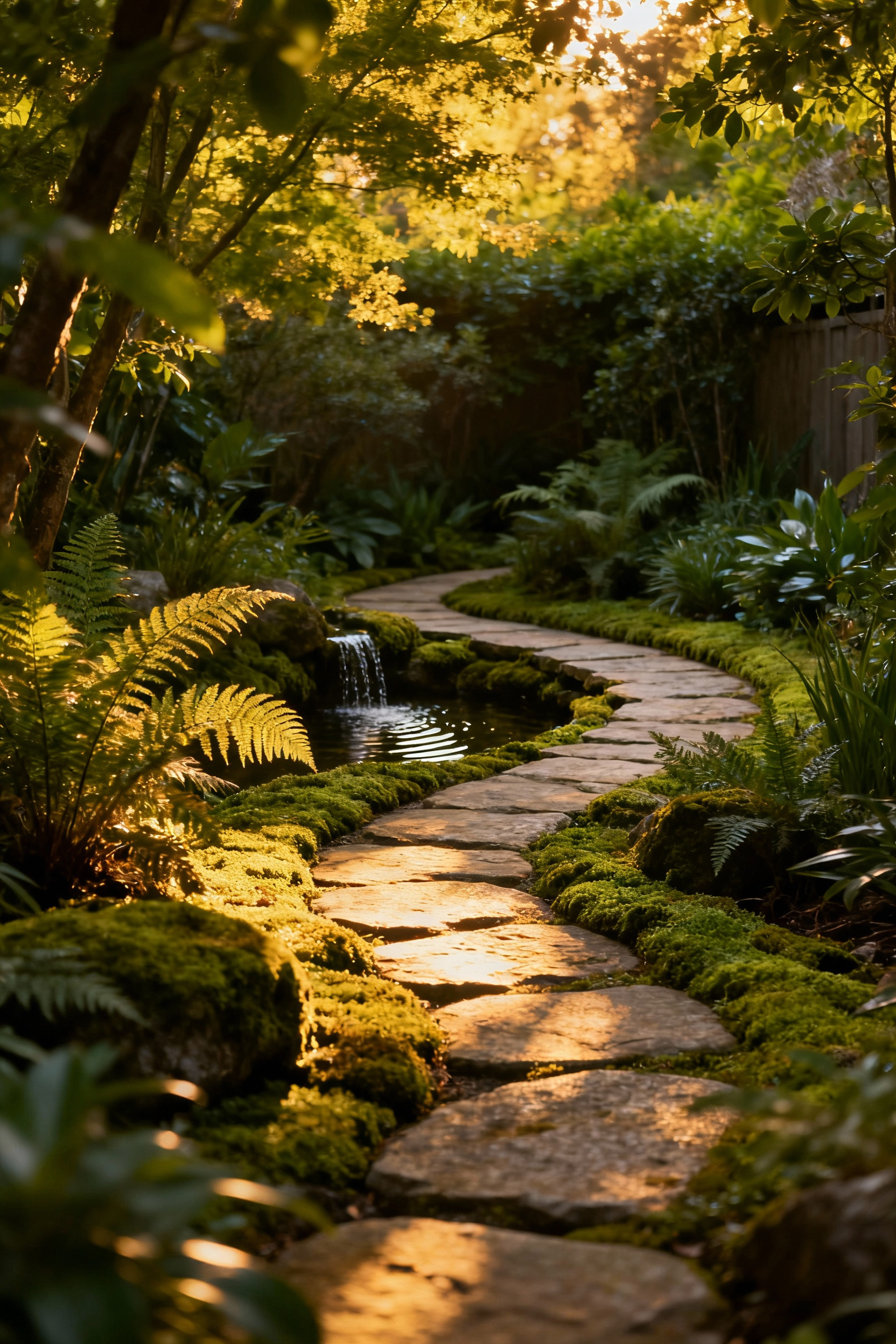
These small moments are clues. They point toward what your nervous system craves. When considering back yard ideas, think less about what looks impressive and more about what feels deeply resonant. It might be the specific texture of moss on a stone, the way evening light filters through a particular tree, or a small, sheltered corner that feels safe and protected. In my work with wellness-focused spaces, I guide clients to see these as biophilic prescriptions—essential nutrients for the soul. A backyard that provides these isn’t a luxury; it’s a therapeutic landscape designed for your personal restoration.
2. Designing for Health Amplification
Conventional design often focuses on solving problems—preventing water damage or creating privacy. A salutogenic approach, however, shifts the focus from avoiding negatives to actively promoting positives. It asks a simple, profound question: How can this space amplify health and well-being? In your backyard, this means every choice becomes an opportunity to nurture yourself. It’s about more than just aesthetics; it’s about sensory wellness.
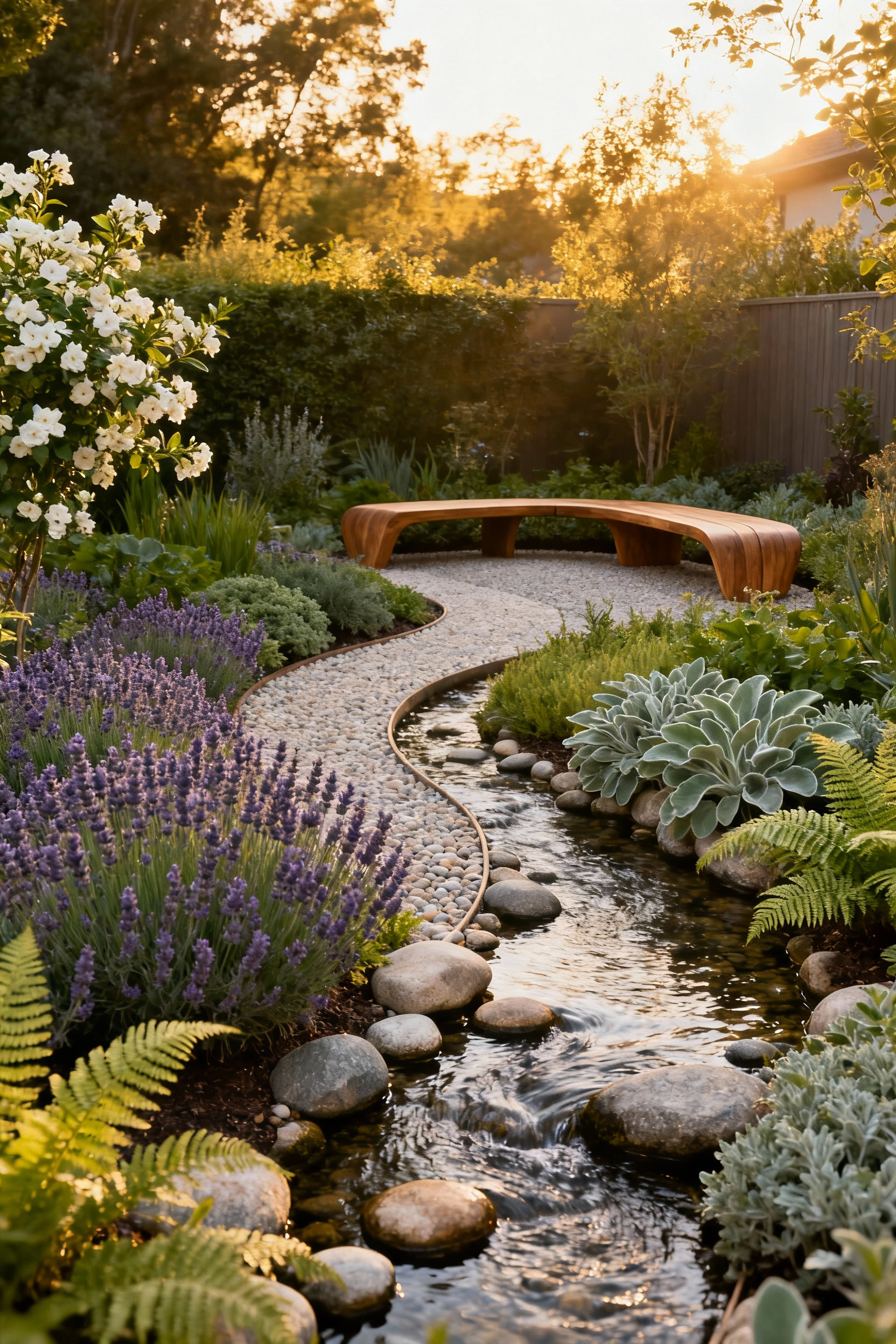
Think about the psychology of color—using serene blues and restorative greens in a quiet seating area, or energetic yellows where you might practice morning yoga. Integrate aromatic plants not just for their beauty, but for their therapeutic properties; plant lavender along a pathway to release its calming scent as you pass, or rosemary near a bench to sharpen focus. The gentle sound of a small water feature can provide auditory therapy, effectively masking jarring city sounds and lowering cortisol levels. A space designed with salutogenic principles is a proactive partner in your health, consciously crafted to foster vitality and reduce stress.
3. Capturing Nature’s Fleeting Moments
A truly captivating garden is never static; it’s a living theater of ephemeral moments. Your design should celebrate this beautiful impermanence. The real magic of an outdoor space unfolds in the dynamic play of light, sound, and scent that changes with the hour, the day, and the season. Observe how the morning sun creates long shadows and how the afternoon light makes certain flowers seem to glow from within.
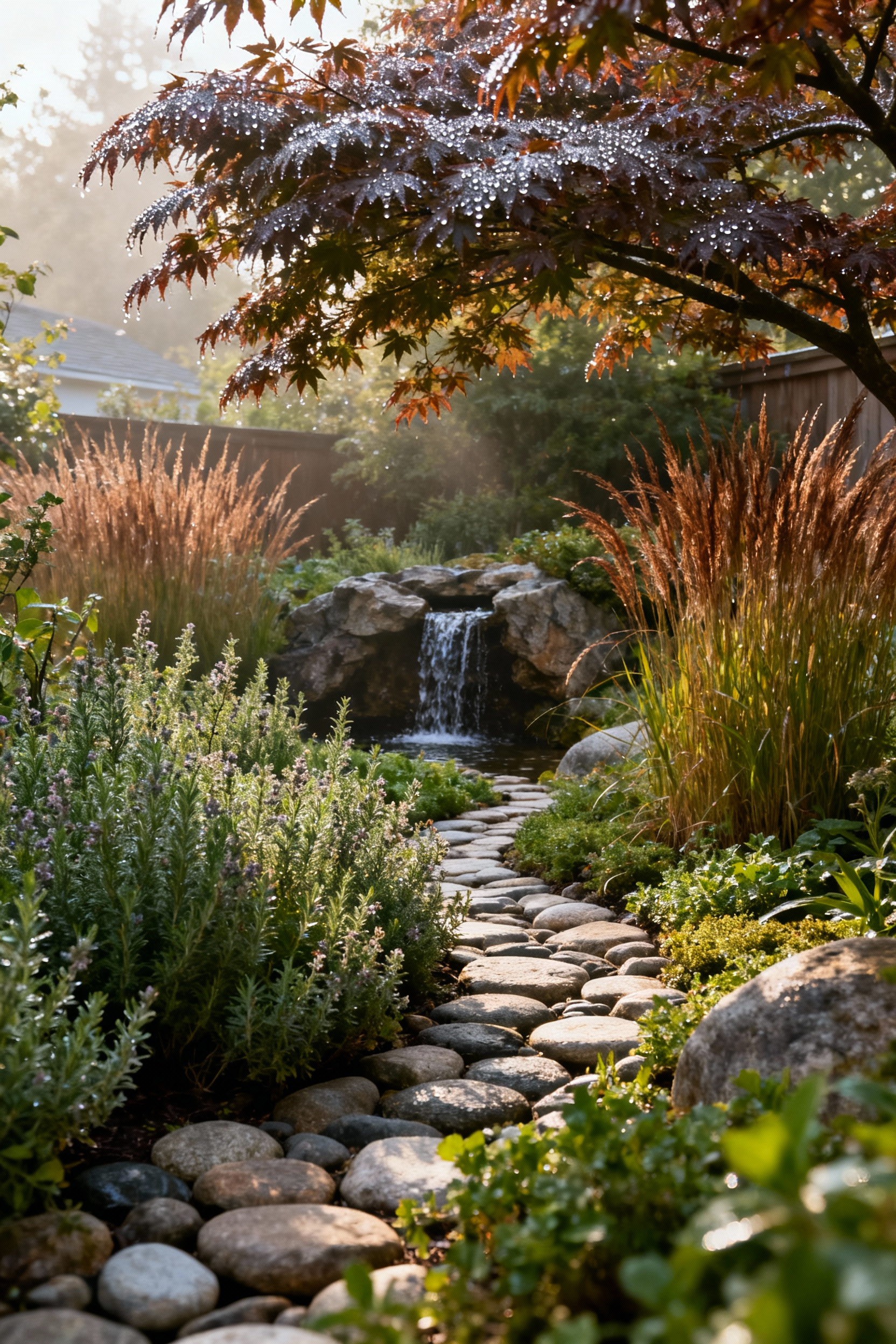
Thoughtful design harnesses these moments. A strategically placed ornamental grass can catch the breeze, creating a gentle, rustling sound that is deeply calming. A pergola draped in vines doesn’t just offer shade; it creates a mesmerizing, shifting pattern of dappled light on the ground below. I often advise choosing a few plants specifically for their fragrance at different times of the day, like a night-blooming jasmine that perfumes the evening air. By designing for these sensory experiences—the sound of rain on broad leaves, the earthy smell after a storm—you create a space that feels alive and constantly offers new moments of wonder, inviting a profound and ever-deepening connection.
4. Honoring the Spirit of Your Land
There is an ancient Roman concept called Genus Loci, which translates to the ‘spirit of place.’ It speaks to the idea that every piece of land has its own unique character—a spirit shaped by its climate, its history, and its native ecology. The most harmonious and sustainable back yard ideas are born from honoring this spirit, not imposing a foreign will upon it. Before you begin, take time to simply observe. Watch the path of the sun, feel the direction of the prevailing wind, and notice what plants and creatures already call this place home.
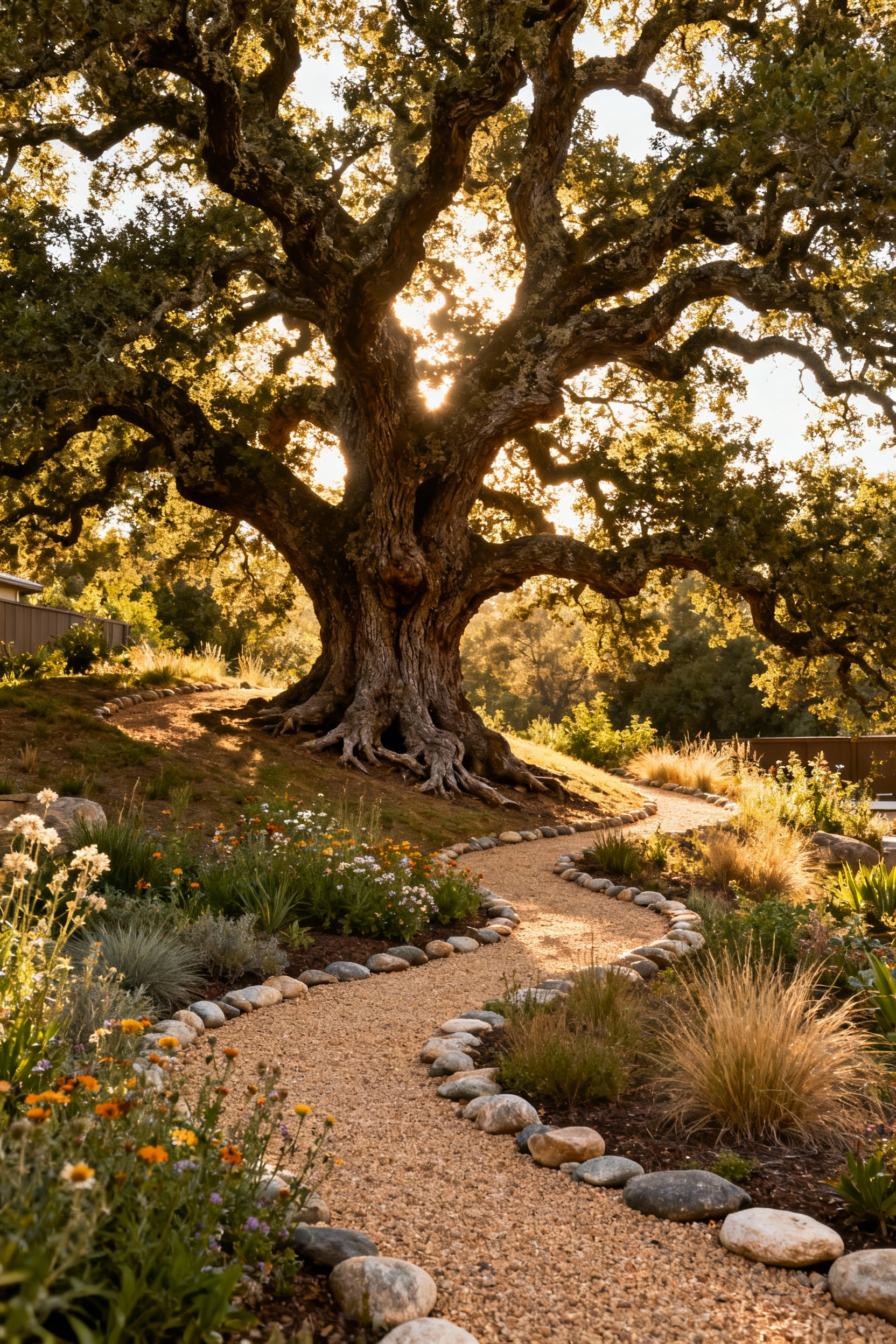
Working with the spirit of your land creates a feeling of effortless belonging. In an arid climate, this might mean embracing the sculptural beauty of xeriscaping with drought-tolerant native plants instead of fighting to maintain a thirsty lawn. If your yard has a natural slope, terracing with local stone can create beautiful, functional garden beds that prevent erosion and follow the land’s natural contour. What I tell my clients is this: your land has a story to tell. By listening to it, you engage in a dialogue. The result is a backyard that feels authentic, deeply rooted, and energetically aligned with its surroundings—a true sanctuary.
5. Dissolving the Line Between Inside and Out
Our sense of well-being expands when the perceived barriers between our indoor and outdoor lives begin to dissolve. Creating this seamless flow—this mindful permeability—is about more than just large windows or glass doors. It’s a holistic design philosophy that invites the sensory experiences of nature to permeate our homes, creating a continuous, nurturing environment. True integration is about creating a unified story between your interior and exterior spaces.
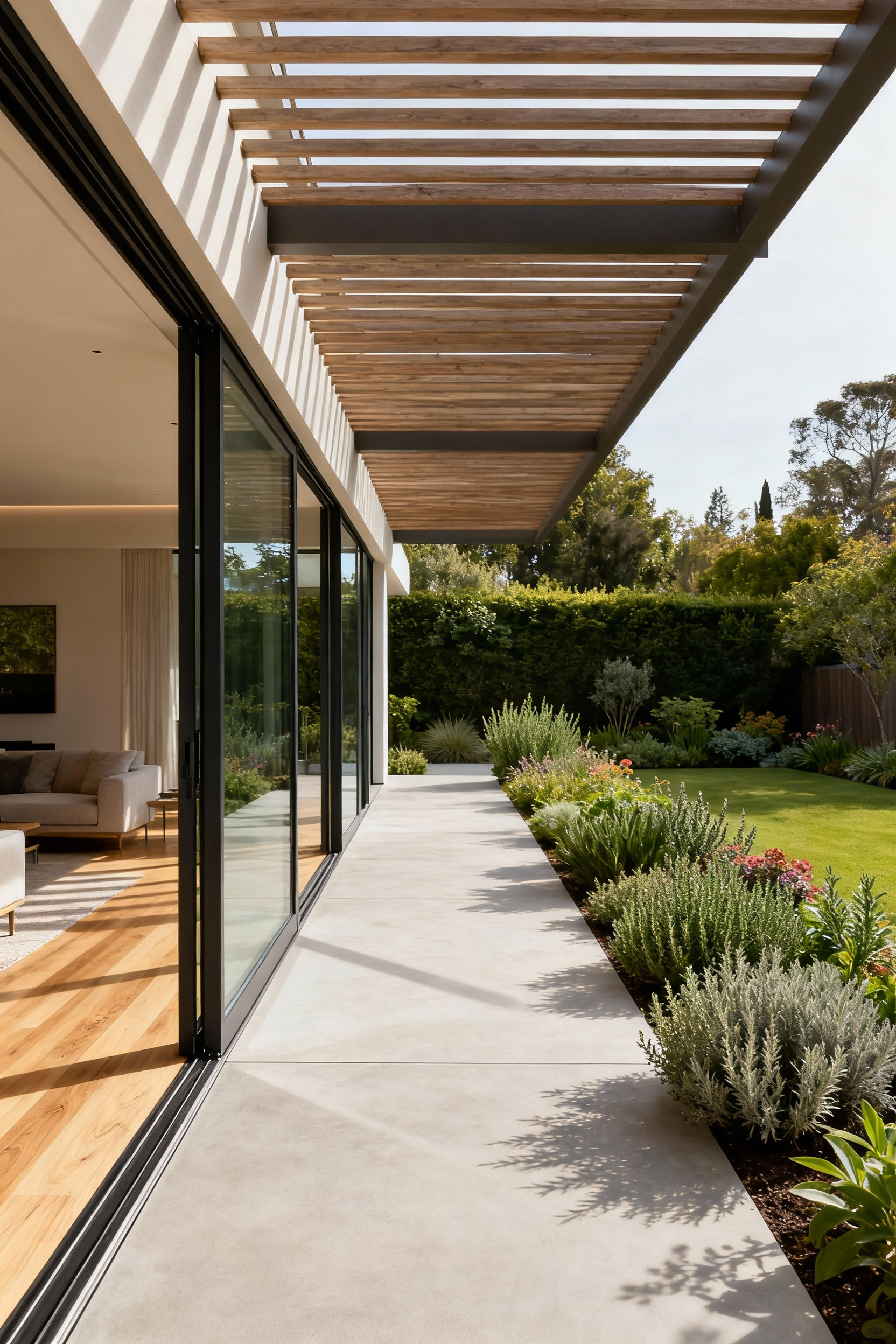
Consider using similar flooring materials that extend from your living room onto a patio, blurring the physical boundary. A color palette inspired by your garden’s primary tones can be carried inside through textiles and art, creating a sense of visual continuity. Imagine a small water feature placed just outside a main window, where its calming sound can be enjoyed from both your sofa and the garden bench. This intentional blending alleviates feelings of confinement and encourages a more fluid, spontaneous engagement with your outdoor sanctuary. It’s a profound statement that nature isn’t something to be visited, but an integral part of your daily existence.
Foundational Concepts: Cultivating the Regenerative Garden Ecosystem
With our guiding philosophy in place, we can now begin to cultivate the living ecosystem that will form the heart of our sanctuary. These foundational concepts are the essential building blocks for a space that is not only beautiful but also vibrant, self-sustaining, and deeply nourishing to all the senses.
6. The Healing Sound of Water
The presence of water in a garden touches something primal within us. Its sound can instantly soothe a stressed nervous system and create a powerful sense of tranquility. Integrating a water feature into your back yard ideas is less about grand fountains and more about curating an intentional auditory experience. The goal is to create a hydro-resonant space that fosters a state of calm receptivity.

The gentle burble from a small disappearing fountain, the soft splash of a cascade over smooth stones, or even the quiet stillness of a reflection pool—each offers a unique form of auditory medicine. The sound of moving water does more than just relax us; it acts as a beautiful acoustic shield, masking unwanted noise from traffic or neighbors and creating a palpable sense of refuge. Placing a water element near a meditation spot or seating area ensures you receive its full therapeutic benefits. The visual element of light reflecting on moving water adds a dynamic, shimmering quality that enlivens the entire space, transforming your garden into a multi-sensory haven for peace.
7. Planting a Garden for Nourishment
Imagine stepping out your door to harvest herbs for your morning tea or gathering fresh greens for a vibrant salad. The ‘Edible Apothecary’ is a concept that transforms a garden from purely ornamental to a source of vital nourishment and wellness. This approach is one of the most empowering back yard ideas because it directly connects you to the source of your food and medicine, fostering a profound sense of self-sufficiency and well-being.
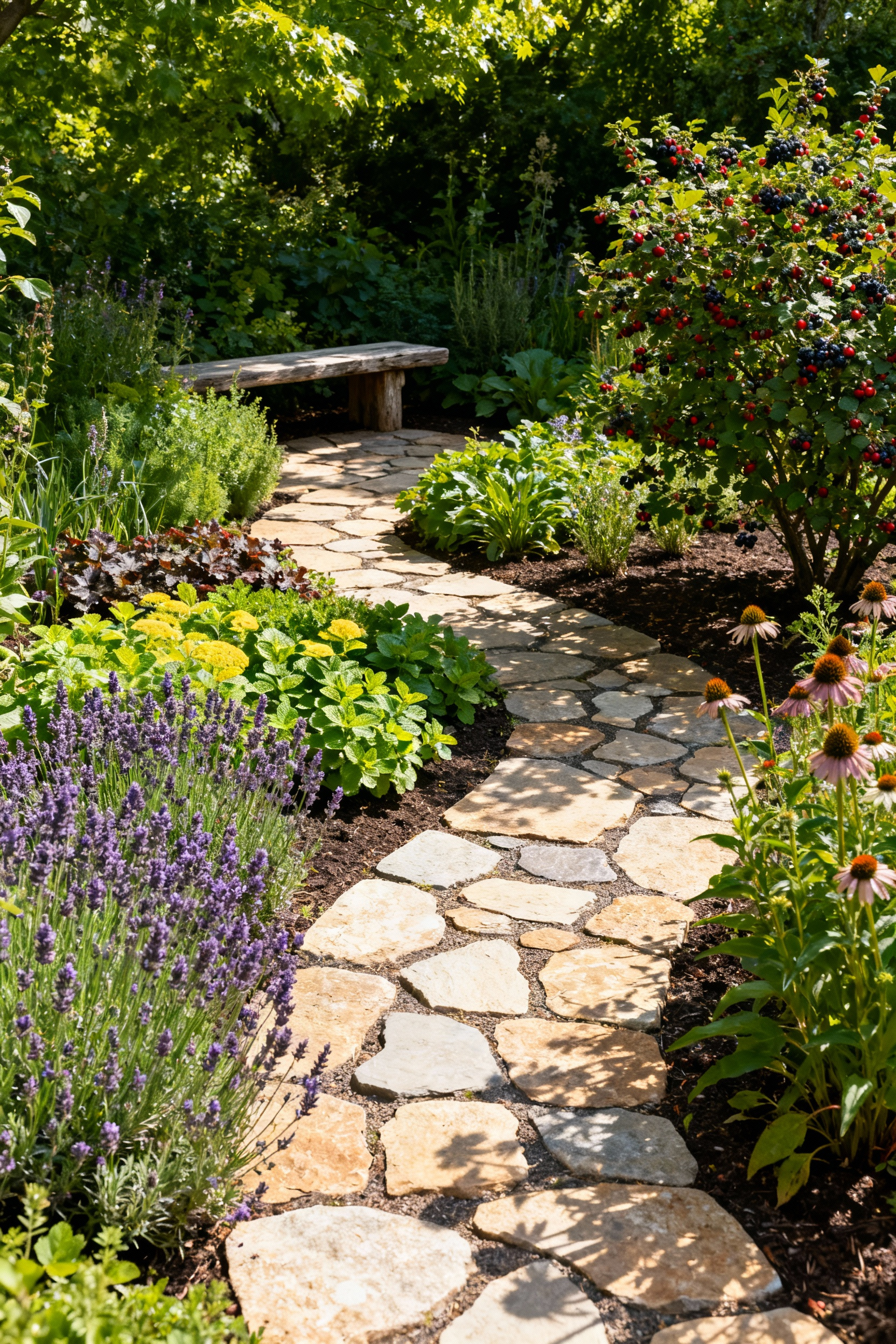
Begin by integrating functional botanicals that align with your wellness goals. Culinary herbs like rosemary (for memory and clarity), thyme (a powerful antioxidant), and basil (anti-inflammatory) are easy to grow and immensely useful. For a therapeutic touch, include plants like chamomile and lavender for their calming properties or calendula for its skin-soothing benefits. I’ve noticed that integrating these edibles among ornamental plants creates a beautifully cohesive and productive landscape. A pot of mint near the kitchen door or a border of edible pansies can be both lovely and practical. This practice turns gardening into a ritual of self-care, enriching both your plate and your spirit.
8. Nurturing the Living Soil
The true vitality of any garden lies beneath the surface, in the complex, living world of the soil. A holistic approach recognizes soil not as inert dirt, but as a thriving ecosystem teeming with billions of microorganisms that are the foundation of all plant health. Nurturing this microbiological life is perhaps the single most important act of stewardship in your sanctuary. Healthy soil is the immune system of your garden.

Forget harsh chemical fertilizers that disrupt this delicate balance. Instead, focus on feeding the soil with rich, organic compost, which introduces beneficial microbes and essential nutrients. Applying a layer of organic mulch, like shredded leaves or wood chips, protects the soil, conserves moisture, and slowly breaks down to provide a steady source of food for the life within. In my wellness sanctuary design practice, I always begin with the soil. It’s the unspoken foundation of the entire space’s vitality. By caring for the ground beneath your feet, you create a resilient, flourishing garden that requires fewer interventions and offers a deeper sense of connection to the earth’s natural cycles.
9. Sculpting Space with Living Architecture
Plants are more than just decoration; they are the living architecture of your garden. Using them strategically to sculpt space, define “rooms,” and frame views is a practice I call ‘Architectural Phyto-Sculpting.’ It allows you to create a sense of intimacy, privacy, and flow using natural, breathing elements instead of relying solely on hardscaping. This transforms a simple yard into a landscape of discovery and sanctuary.

Think about creating distinct zones for different activities. A “wall” of tall, graceful grasses can create a soft screen for a private meditation nook. A fragrant hedge of lilac can define the edge of an outdoor dining area. Layering plants—with taller shrubs at the back, mid-sized perennials in the middle, and low groundcovers in front—creates a sense of depth and enclosure that feels safe and comforting. You can also use plants to guide the eye, framing a beautiful distant view or artfully obscuring a less desirable one. This intentional use of planting gives your garden a cohesive structure and fosters a psychological sense of comfort, creating an oasis that feels both expansive and intimately personal.
10. Weaving in Nocturnal Magic with Mindful Lighting
As daylight fades, your garden can awaken into an entirely new realm of beauty and tranquility. Mindful lighting is not about flooding the space with brightness, but about subtly revealing its nocturnal magic. A well-designed lighting scheme creates atmosphere, enhances safety, and extends the hours you can enjoy your sanctuary, all while respecting the natural cycles of rest. The key is a gentle, layered approach.
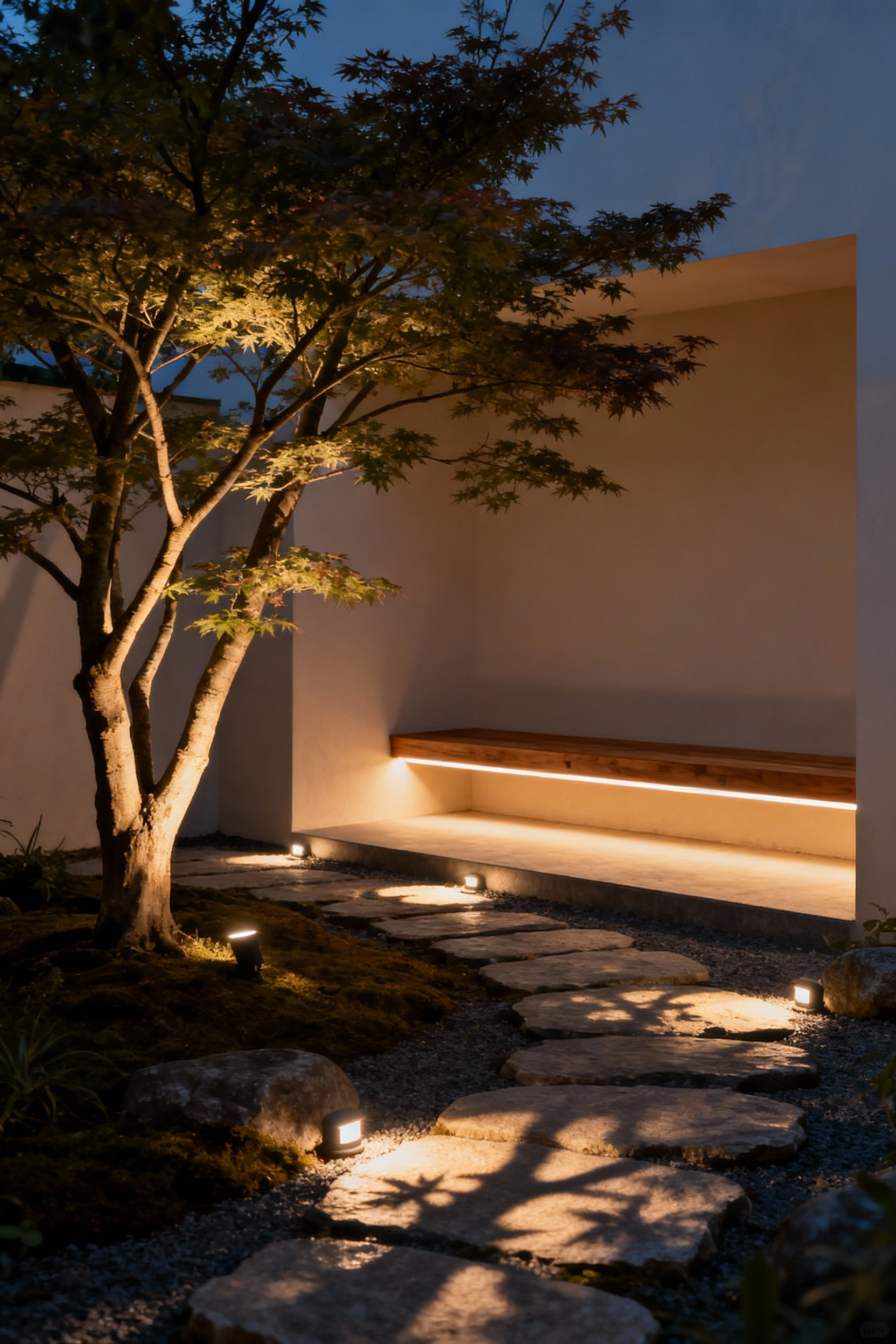
Prioritize warm-toned lighting (under 3000K), which mimics candlelight or firelight and supports our natural circadian rhythms, promoting relaxation. Use low-voltage uplighting to highlight the beautiful texture of a tree’s bark or the elegant silhouette of a favorite sculpture. Soft, downward-facing path lights can guide your way without creating harsh glare. I often remind my clients that light ‘paints’ the garden at night. We’re not just adding lamps; we’re revealing a secret, more intimate version of the space. By orchestrating this gentle illumination, you transform your backyard into a serene and enchanting escape long after the sun has set.
11. Harnessing Gentle Movement for a Living Landscape
A garden that engages all the senses feels truly alive. Incorporating kinetic elements—those that respond to the breeze with sound and movement—imbues your space with a dynamic, responsive quality. This subtle energy provides a constant, gentle reminder of your connection to the ever-present forces of nature, anchoring you in the present moment.
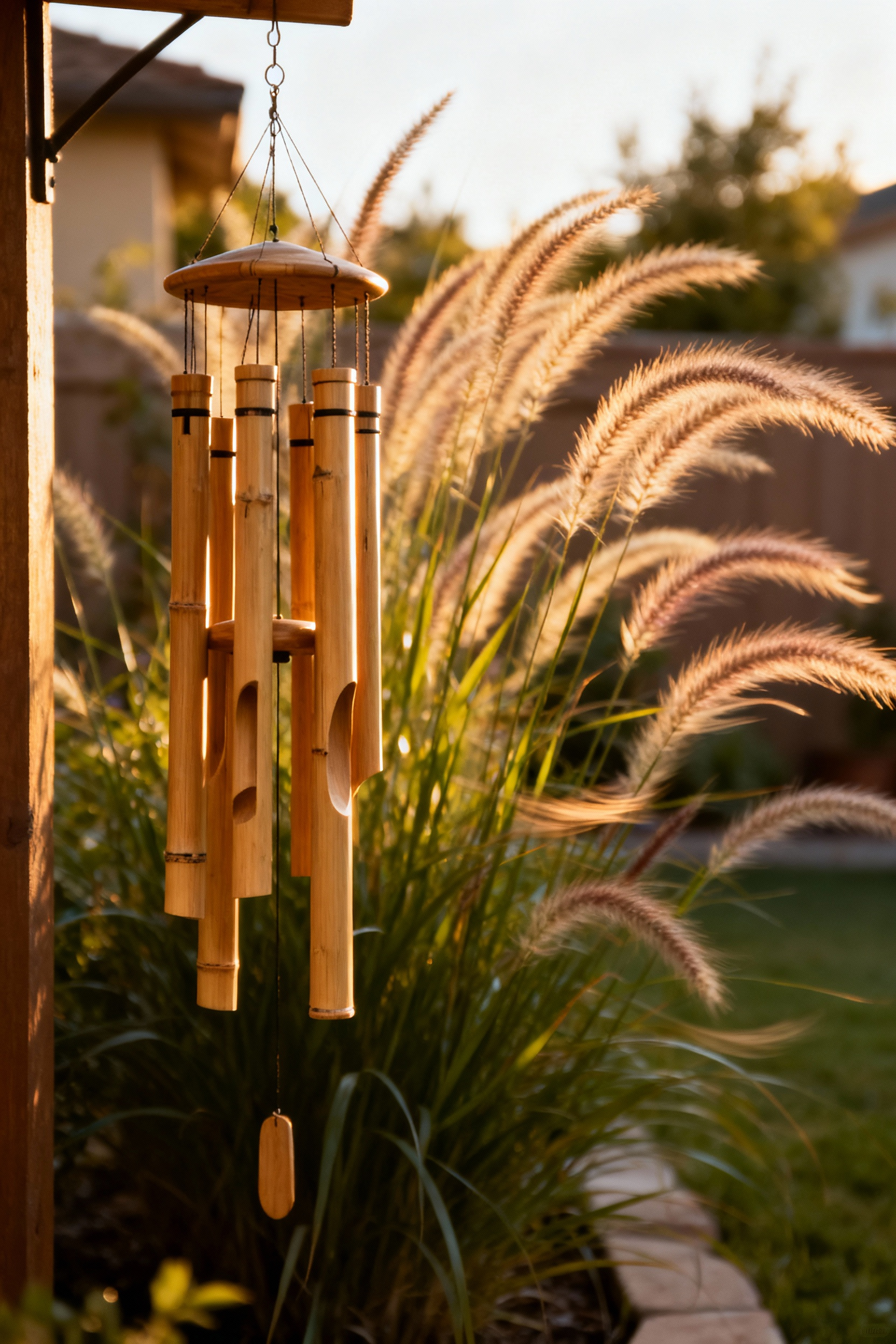
Choose wind chimes with a discerning ear, opting for materials that produce soft, resonant tones that harmonize with the garden’s natural soundscape, rather than create a jarring interruption. Place them where they will catch a gentle breeze but won’t be in constant motion. Beyond sound, consider visual movement. Tall ornamental grasses swaying in unison, a delicate mobile turning slowly in the air, or even the shimmering leaves of a quaking aspen can create a mesmerizing, hypnotic effect. This constant, gentle motion offers a focal point for a meditative gaze, adding a layer of vitality that makes the entire sanctuary feel like it is breathing with you.
12. Creating Microclimates for Year-Round Enjoyment
A truly functional sanctuary is one you can enjoy throughout the year, not just on perfect-weather days. By thoughtfully designing for thermal bioclimatics, you can create comfortable microclimates that buffer you from the elements. This is about strategically shaping your environment to provide shelter from harsh winds, offer cooling shade in the summer, and capture warming sun in the winter.

For summer comfort, nothing beats the living shade of a deciduous tree; its leaves provide a dense, cooling canopy when needed most, then drop to allow the winter sun to shine through. A pergola covered in vines can create a similar effect, cooling the air through natural evapotranspiration. To create a warm, sheltered spot for cooler months, plant a dense row of evergreens to block chilly winter winds and place a stone bench where it will absorb the low-angled sun. From my professional experience, a well-placed fire pit does more than provide physical warmth—it becomes a primal gathering point, drawing people together and extending the garden’s use deep into the evening and shoulder seasons.
Advanced Applications: Crafting Thematic Zones of Restoration and Contemplation
Having laid the foundations, we now elevate our design to create dedicated zones for deeper well-being. These advanced applications focus on crafting specific areas within your sanctuary that are intentionally engineered for restoration, mindfulness, and profound connection.
13. The Art of the ‘Threshold Pathway’
A pathway should be more than just a way to get from one place to another; it should be a mindful transition. A ‘Threshold Pathway’ is designed to be an experience in itself, a corridor that prepares your mind and body for the unique energy of the space you are about to enter. It’s a design element that encourages you to slow down and arrive fully present.
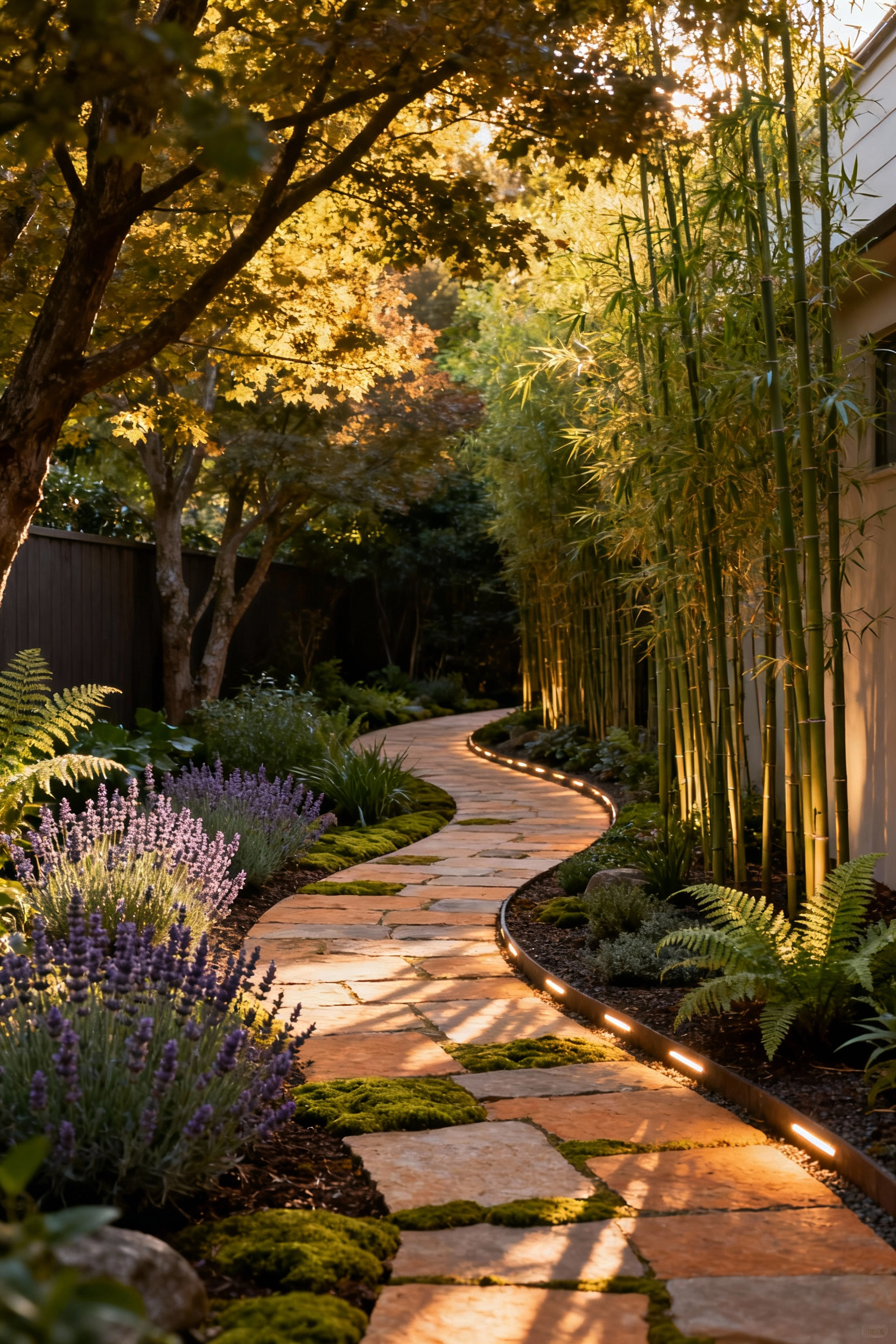
This is achieved through a conscious curation of sensory details. Varying the texture underfoot—from the soft crunch of fine gravel to the silent give of a mossy path—changes your gait and heightens awareness. Lining the path with fragrant herbs like lavender or chamomile releases subtle aromatherapy as you brush past. Creating a gentle curve in the path adds a sense of mystery and discovery, preventing the mind from rushing ahead. I’ve seen this play out when a simple path to a meditation bench is transformed by a subtle overhead archway of climbing jasmine. It becomes a ritual of passage, helping to shed the distractions of the day before you even sit down.
14. Engineering a Nook for Contemplation
In a world of constant stimulation, a dedicated space for quiet and stillness is not a luxury—it’s essential for mental and emotional health. A Contemplative Praxis Nook is a small, secluded sanctuary engineered for meditation, journaling, or simply being. The key design principle is creating a sense of gentle enclosure that buffers you from visual and auditory distractions, allowing the mind to settle.
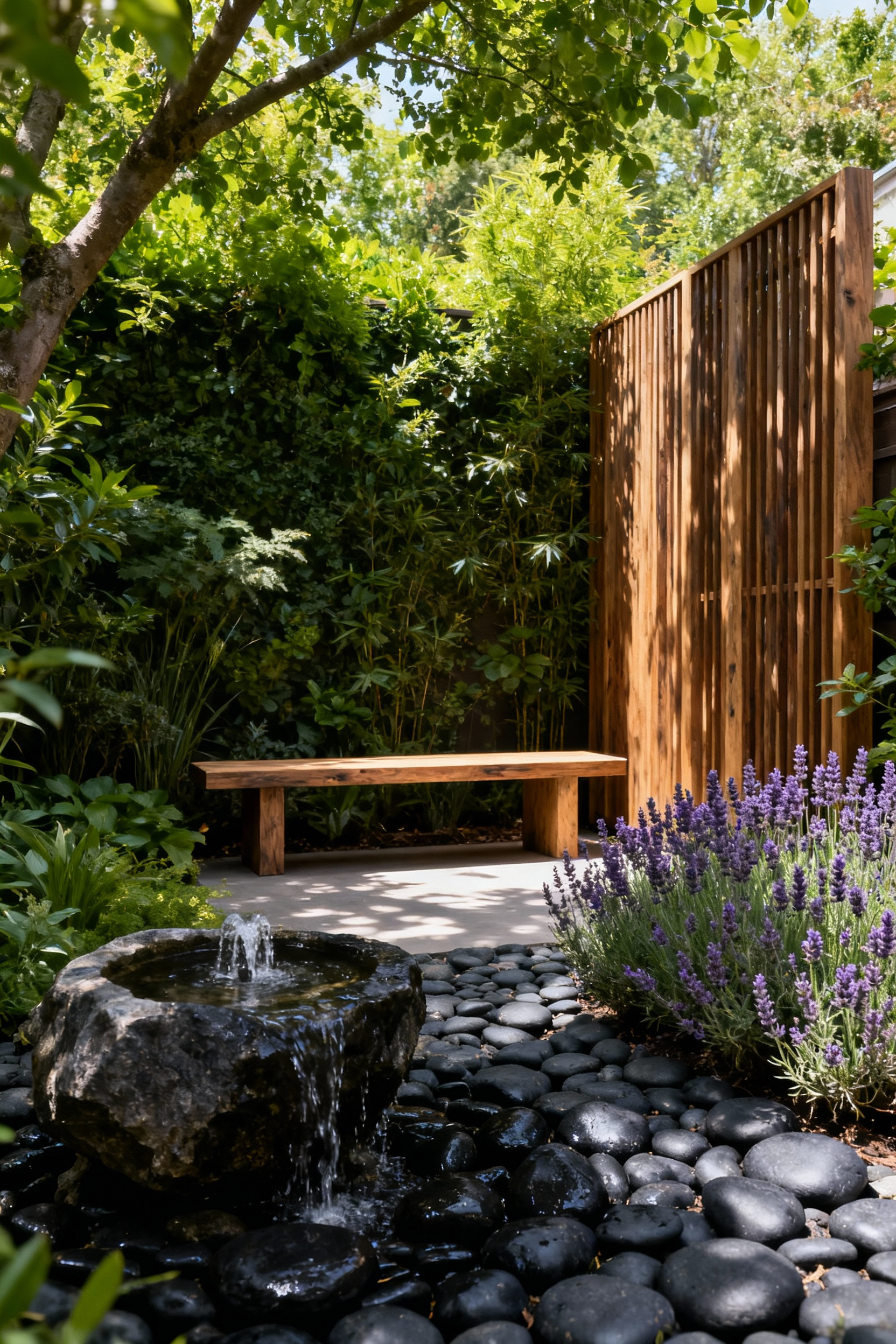
This might be achieved with a screen of tall, slender bamboo, a gracefully curved stone wall, or a soft “living wall” of evergreen shrubs. The seating should be simple and comfortable, inviting stillness. Keep the space uncluttered, focusing on a few intentional elements: a beautiful, smooth stone to hold, a miniature water feature for gentle sound, or a single plant with fascinating texture. Here’s what’s interesting: the power of this space comes from its simplicity and its clear purpose. By dedicating a corner of your garden to inner peace, you give yourself a powerful anchor for your mindfulness practice.
15. The Elemental Gathering Circle
For communal spaces, move beyond the standard patio and envision an Elemental Gathering Circle. This is an area designed not just for entertaining, but for fostering a deeper, more harmonious connection between people and the natural elements. The design subtly encourages face-to-face interaction and a shared experience of the environment.
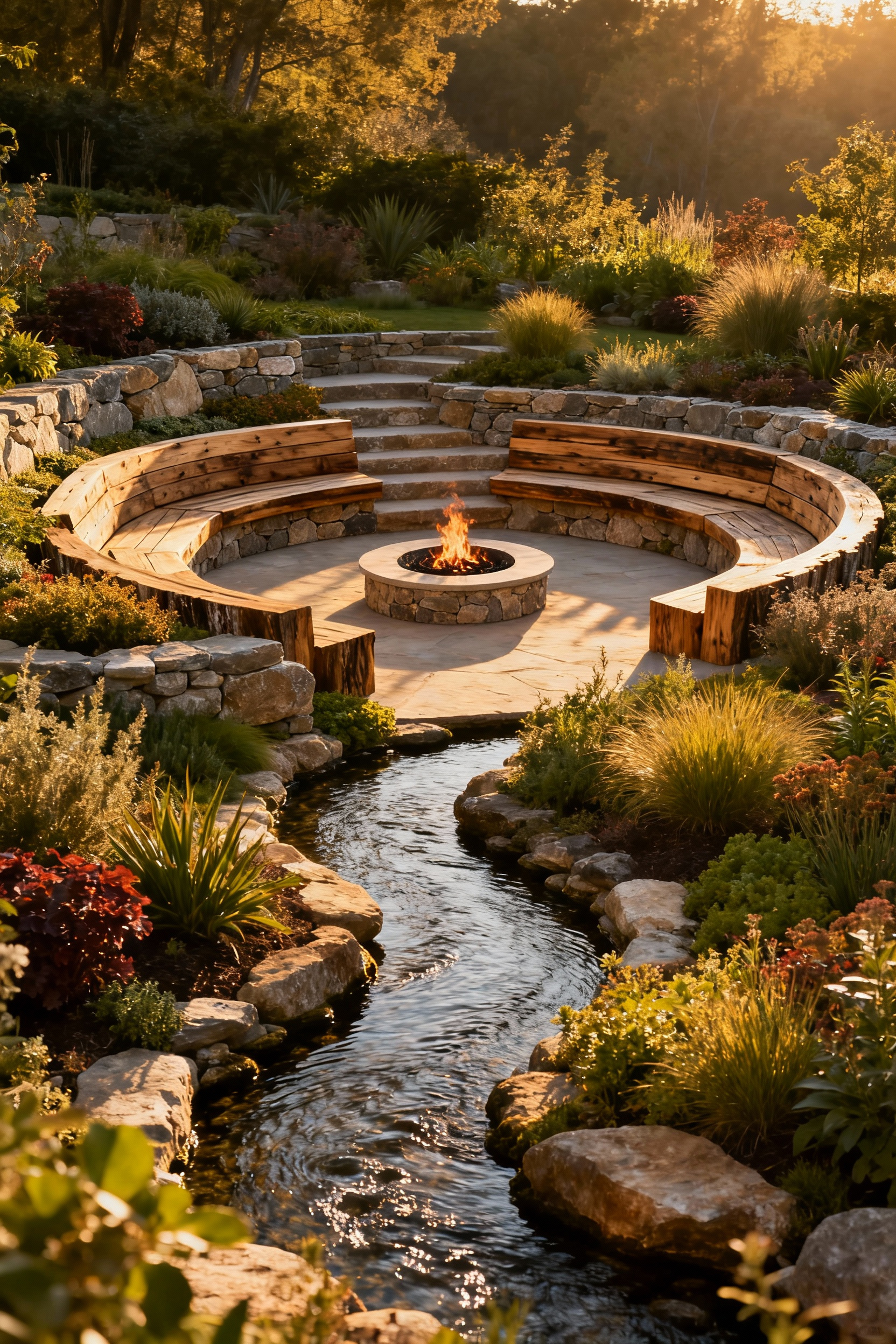
Instead of a rigid square, consider a circular or semi-circular layout with curved seating built from natural materials like stone or wood. This shape naturally draws people together. At the center, an elemental focal point becomes the heart of the space—a mesmerizing fire pit for warmth and primal connection, or a tranquil reflection pool that mirrors the sky. Position the entire zone to frame a key view, like the sunset or a majestic old tree. This configuration creates an atmosphere of collective resonance, inviting shared moments that feel grounded, intimate, and deeply connected to the cycles of nature.
16. The Biophilic Immersion Pool
Reimagine the backyard pool, moving away from sterile blue rectangles toward a living aquatic ecosystem. A Biophilic Immersion Pool, often called a natural swimming pool, uses plants and beneficial microbes to filter the water, eliminating the need for harsh chemicals. It’s a design that offers holistic refreshment for both body and planet.

These pools are often designed with organic shapes, stone ledges, and shallow beach-style entries that mimic natural ponds. A separate but connected regeneration zone, filled with aquatic plants like water lilies and reeds, acts as a living filter, creating water that is crystal clear and silky smooth on the skin. Swimming in a biophilic pool is a completely different sensory experience—it feels like immersing yourself in a pristine mountain lake. It becomes a vibrant habitat for dragonflies and other beneficial wildlife, offering a profound daily connection to a thriving ecosystem.
Preserving Harmony: Adaptive Stewardship and Evolving Ecosystemic Resonance
A sanctuary is a living space, not a static creation. The final and most profound stage of design is to embrace the role of a mindful steward. This means adopting practices that are adaptive, gentle, and in sync with nature’s rhythms, ensuring your backyard continues to evolve as a vibrant and resilient haven of well-being.
17. Embracing Perennial Rhythms
The most resilient and beautiful gardens are those that honor the cycles of the seasons. Mastering perennial rhythms is about orchestrating a succession of blooms, textures, and colors that provide continuous interest and ecological support throughout the entire year. It’s a design that celebrates the constant, graceful unfolding of nature.
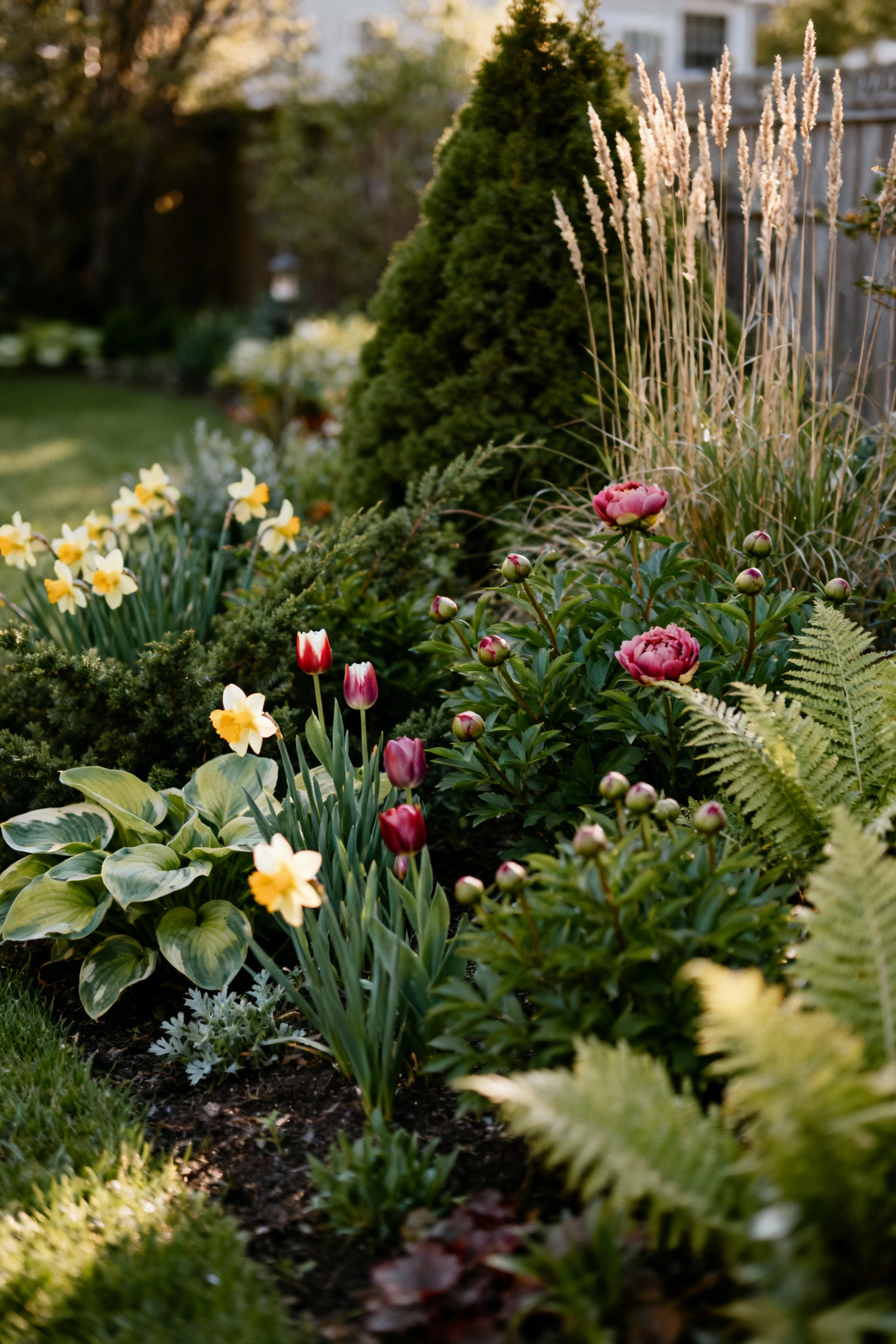
This goes beyond just planting for summer flowers. Think in layers. Start with early spring bulbs that signal the awakening of the earth. Follow with summer-blooming perennials that provide nectar for pollinators, and finish with late-season asters and ornamental grasses that offer structure and beauty well into the winter. I learned this when I stopped fighting the “end” of the season and started designing for it; leaving seed heads on plants like coneflowers and sedum not only creates stunning winter silhouettes but also provides crucial food for birds. This approach ensures your garden is always offering a gift, no matter the season.
18. Fostering an Integrated Pest Ecology
True harmony in the garden comes from letting go of the need for absolute control. An Integrated Pest Ecology is a mindset shift away from “good” and “bad” bugs toward fostering a balanced, biodiverse system where nature keeps itself in check. It’s about creating an environment so healthy and full of life that pests never get the upper hand.
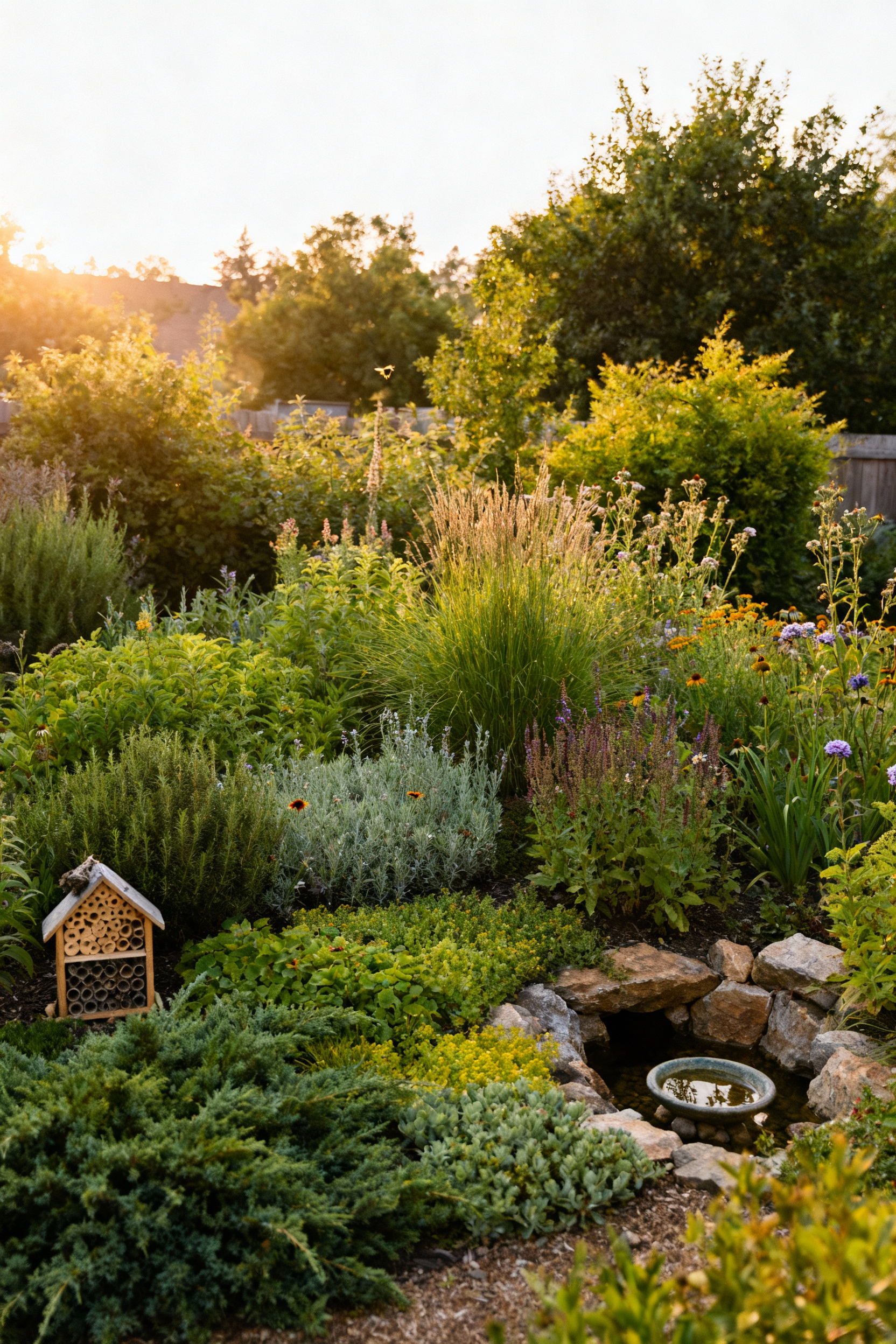
The strategy is simple: invite in the predators. Planting flowers like dill, fennel, and yarrow attracts beneficial insects like ladybugs, lacewings, and parasitic wasps that are the best pest control you could ask for. Providing a small water source and some areas of undisturbed leaf litter gives them a place to live and thrive. A garden teeming with life is a resilient one. When you see a few aphids on a rose, you can trust that a predator is not far behind. This approach transforms you from a warrior fighting pests to a conductor orchestrating a complex, beautiful, and self-regulating ecosystem.
19. The Art of Imperceptible Intervention
The goal of garden maintenance should be to create a sense of undisturbed tranquility. This is the art of ‘imperceptible intervention’—a mindful, gentle approach that works with the garden’s natural tendencies rather than imposing a rigid order upon it. It’s about guiding, not dominating.
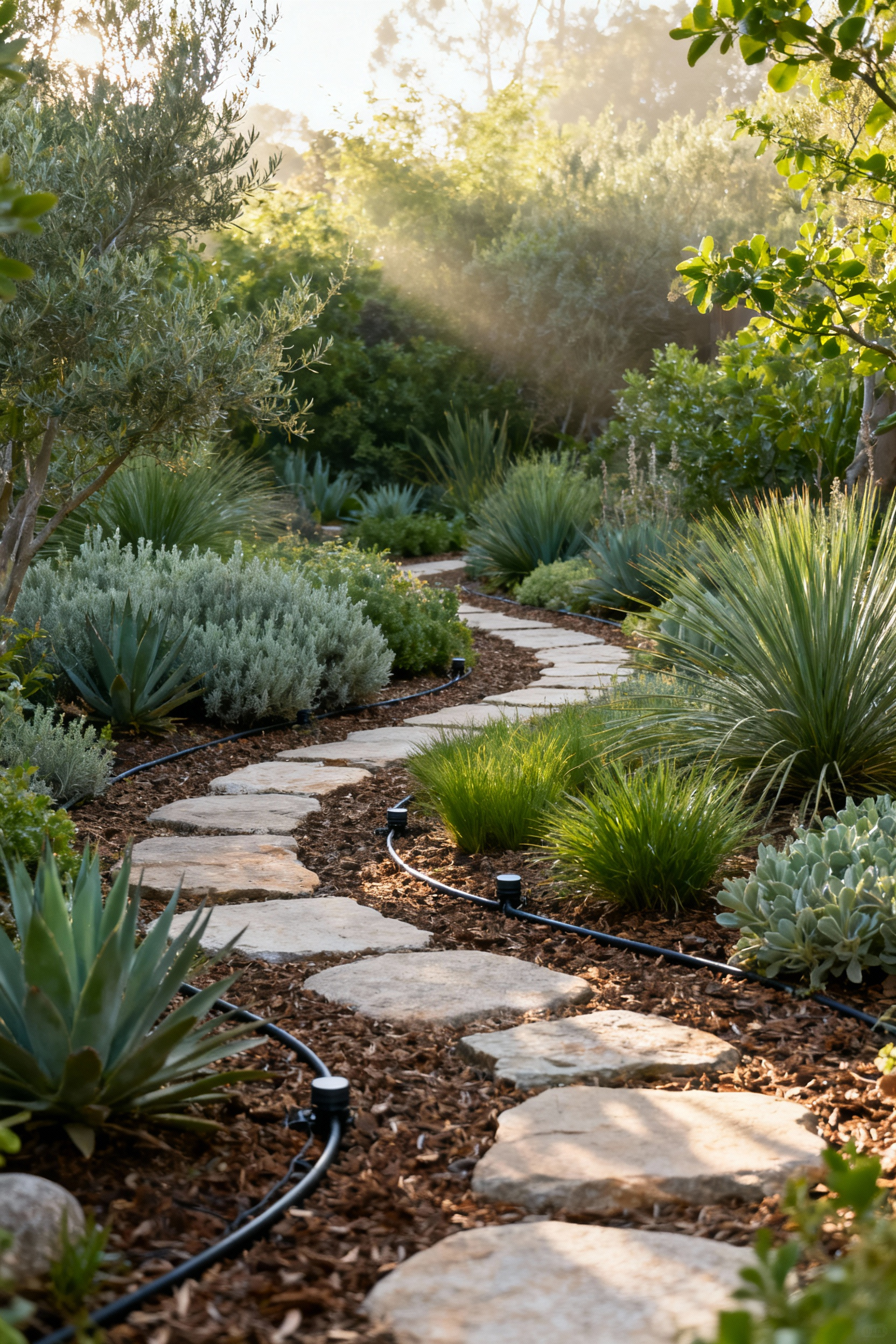
Instead of aggressive pruning, make small, selective cuts that enhance the plant’s natural form. Instead of raking away every fallen leaf, allow them to decompose in place, creating a natural mulch that feeds the soil and protects plant roots—a practice called ‘leaving the leaves.’ Water deeply but infrequently to encourage strong, resilient root systems. In my professional experience, the most serene gardens are those where the hand of the gardener is barely visible. By adopting these quieter, more respectful practices, you reduce your own workload and cultivate a space that feels effortlessly and authentically beautiful.
20. Designing for Climactic Adaptation
In a world with a changing climate, future-proofing your sanctuary is an act of profound care. Designing for resilience means making conscious choices that will help your garden thrive amidst environmental shifts, whether that’s longer droughts, heavier rains, or warmer temperatures. This is about creating a robust, adaptive ecosystem.
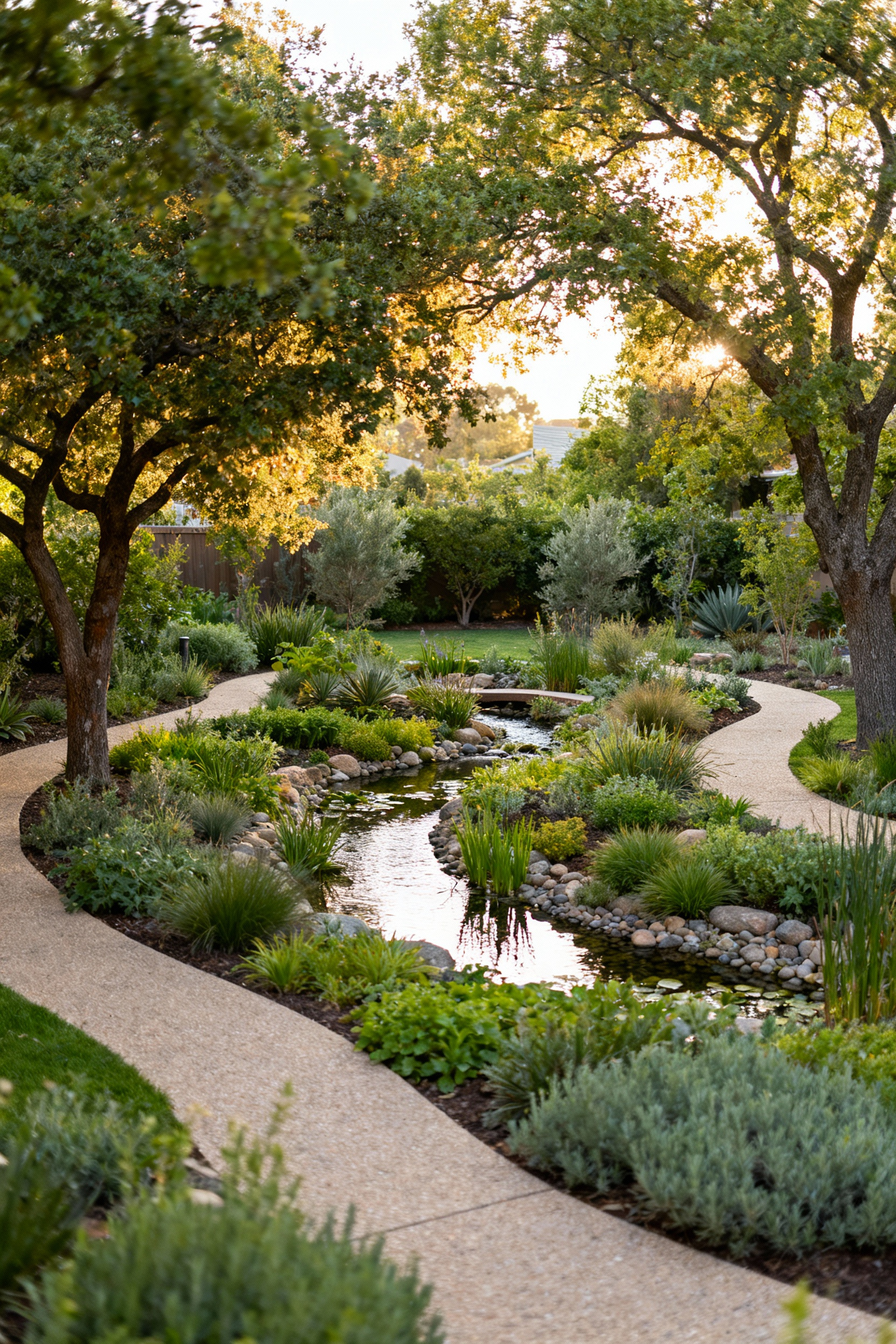
Start by prioritizing native and climate-appropriate plants that are naturally suited to your region’s challenges. Improve your soil’s capacity to hold water by consistently adding compost and mulch; healthy soil is your best defense against both drought and deluge. I often guide my clients to incorporate smart water-management strategies like rain gardens or permeable paving, which allow precious rainwater to slowly seep back into the earth rather than running off. By thinking ahead and making these adaptive choices, you ensure your sanctuary will not only survive but flourish, offering you a steadfast source of peace and connection for many years to come.
Conclusion
As our exploration of these 20 holistic paradigms concludes, it’s clear that crafting a backyard sanctuary is a journey far deeper than simple landscaping. It is an intentional act of co-creating a space that actively gives back, nourishing our well-being on every level. We have seen how the rustle of leaves, the scent of rain on dry earth, and the feel of cool stone underfoot are not just fleeting sensations, but essential ingredients in the recipe for a calmer, more centered life.
These back yard ideas are invitations to weave a richer story of connection into the fabric of your daily life. The principles—from honoring the spirit of your land to embracing the art of imperceptible intervention—are threads you can use to craft a personal tapestry of tranquility. The profound truth is that by tending to the world outside our door, we are invariably tending to the landscape within our own hearts.
So, I encourage you to begin. Not with a grand overhaul, but with one small, intentional act. Perhaps it’s creating a tiny nook for contemplation, or planting a single fragrant herb by your door. Let your backyard become your partner in well-being, a living sanctuary that reflects your deepest desire for peace, health, and a harmonious connection to the natural world.