
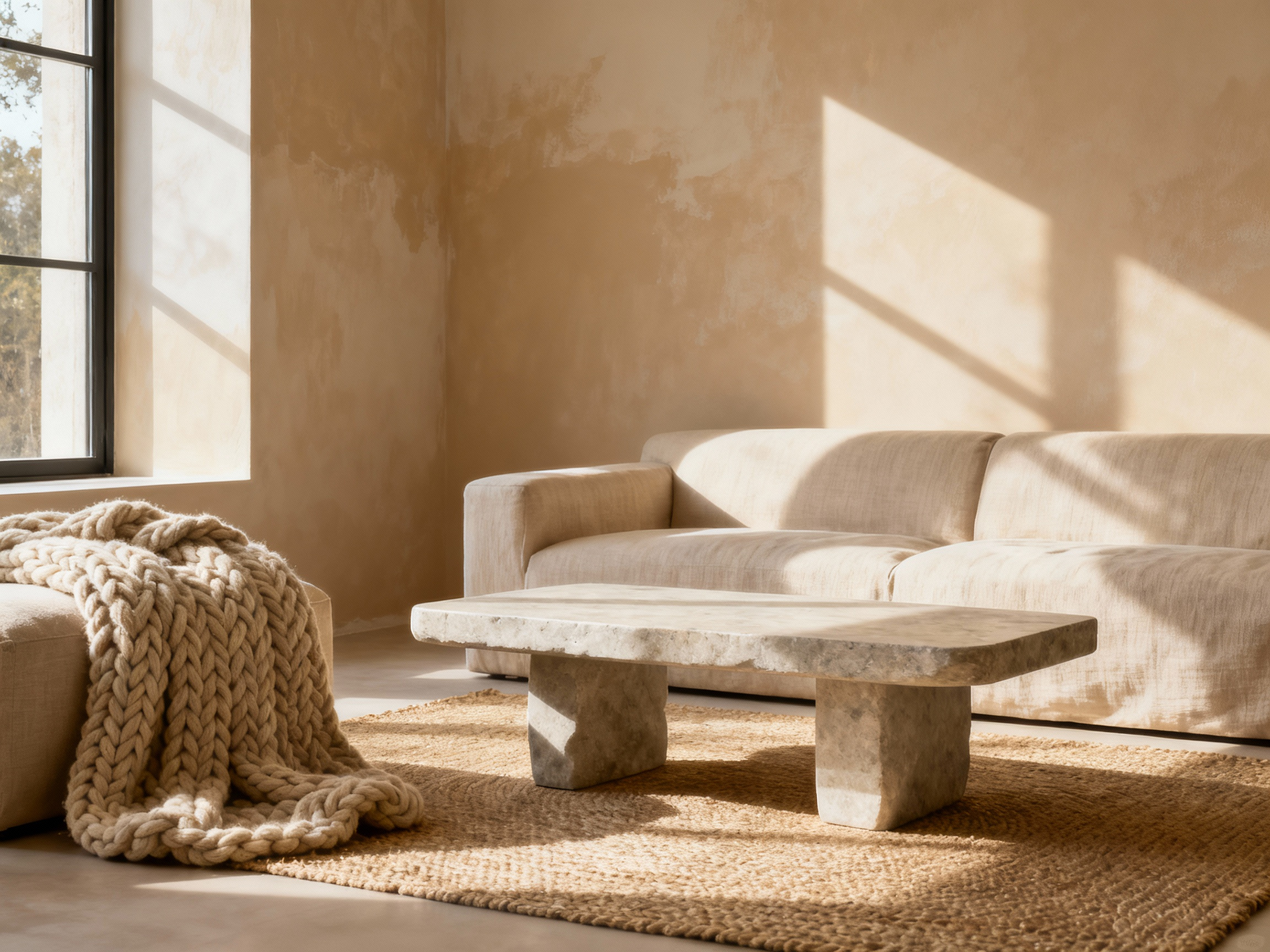

To design a home is to engage in an act of profound self-care—every choice reflects not just a surface preference, but deeper values about how you wish to feel in the world. The most compelling sanctuaries aren’t simply decorated; they are authored, composed with an intention that resonates through every surface and shadow. These 20 principles are what separate a space that is genuinely nurturing from one that merely looks the part.
In my work designing wellness spaces, I’ve come to understand that beige living room decor is far more than a safe or neutral choice. It is a powerful foundation for serenity. When we approach it with intention, beige ceases to be a mere color and becomes a canvas for the beautiful, subtle dance of light, texture, and mindful living. It has a quiet power, an ability to embrace and stabilize, allowing your mind to unfurl and your spirit to rest. This guide is an invitation to explore that power, moving from the foundational philosophy of calm to the practical application of creating a space that truly holds you.
Part 1: The Philosophical Foundation of Beige
Before we touch a single fabric or paint swatch, we must begin with the “why.” Understanding beige as a state of being, not just a color, is the first step in creating a sanctuary. This is where we explore its intrinsic ability to soothe the nervous system and create a backdrop for a more intentional life.
1. Harnessing Beige’s Psychological Soothing Power
At its heart, beige is a psychological embrace. Color psychology teaches us that muted, earthy tones can lower blood pressure and reduce feelings of anxiety. Unlike assertive colors that demand a reaction, beige speaks in a whisper, allowing for an uninterrupted state of mental repose. It provides a visual stillness that quiets the cognitive chatter of a busy world, offering stability and grounding when we need it most.
This tranquility isn’t an absence of stimulation but a conscious cultivation of peace. From my work in holistic home design, I’ve seen clients physically relax—shoulders dropping, breath deepening—the moment they step into a space composed of these gentle tones. It is a testament to the hue’s timeless power to create an environment where emotional and mental restoration begins from within.
2. Articulating a Palette of Varied Beige Tones
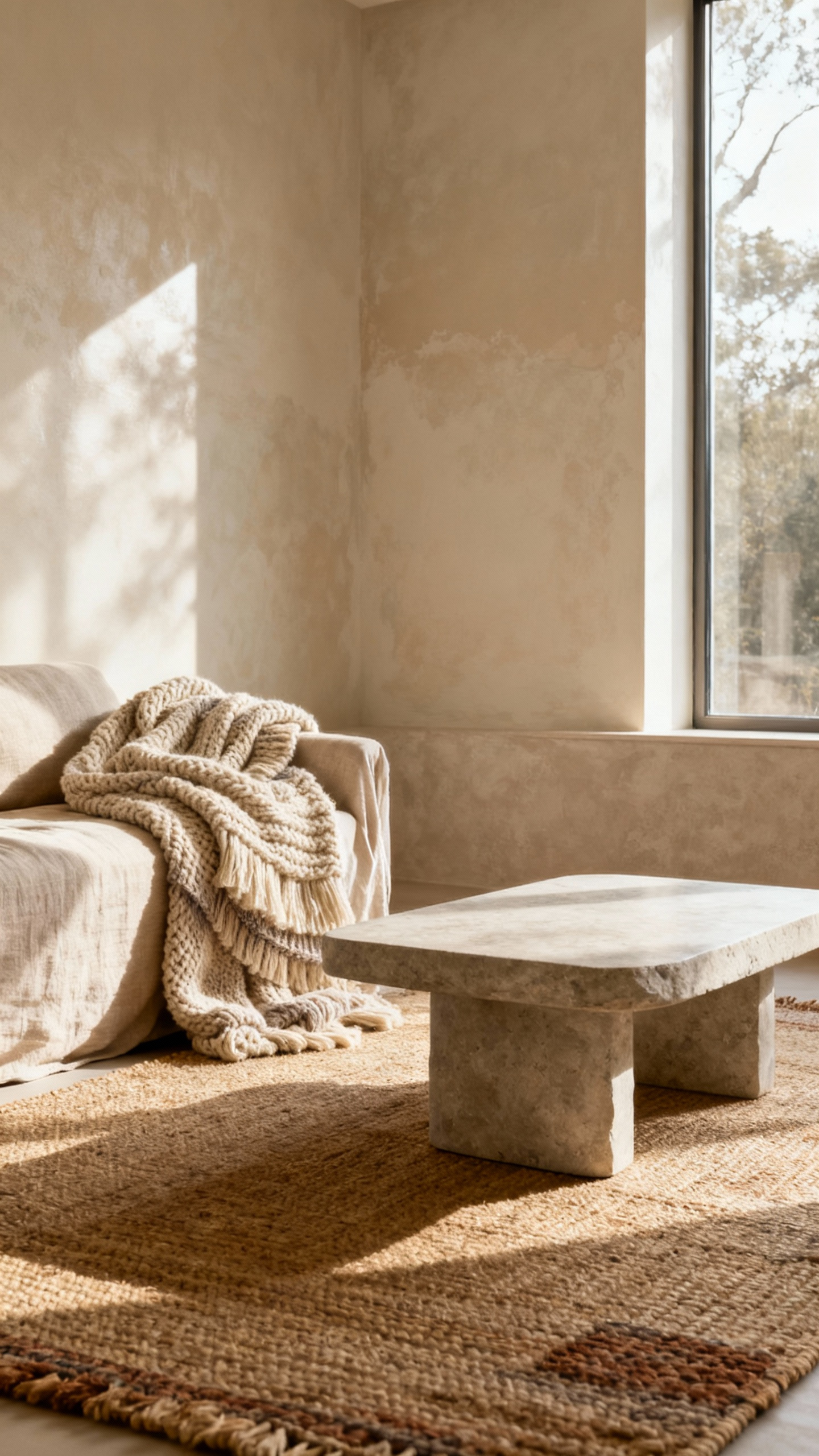
To speak of “beige” as a single color is to miss its extraordinary depth. In truth, it is a vast spectrum of undertones, from cool, stony shades that evoke minimalist serenity to warm, honeyed hues that radiate a nurturing glow. Mastering a beige interior means becoming fluent in this nuanced language. Think of layering tones like oat milk, warm sand, and cool alabaster to create a rich, dimensional experience.
Each variant carries a different energy. In my wellness sanctuary design practice, I often use warmer, earthier beiges to anchor a space and foster a sense of grounding, aligning with feng shui principles of stability. The cool, airy beiges can then be used to lift the energy and create a feeling of spaciousness and mental clarity. It is this intentional blend that prevents a neutral room from ever feeling one-dimensional.
3. Mapping Tones to Your Living Room’s Purpose
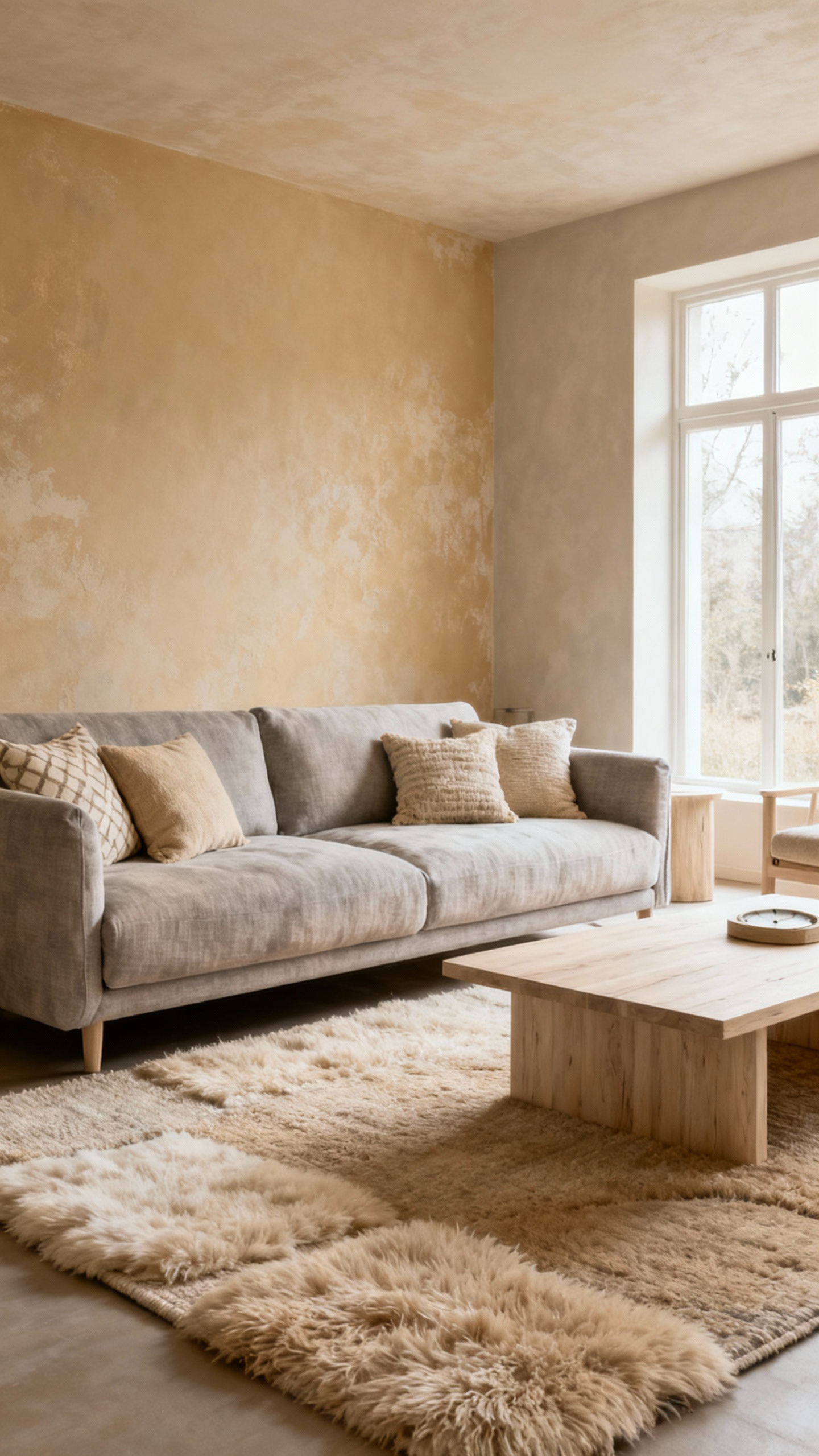
A truly holistic design is responsive. It understands that different areas within a single room serve different purposes. You can map your chosen beige tones to the unique function and desired energy of each zone. For a tranquil reading nook, a lighter, cooler beige can promote mental focus. In a conversation area, a warmer, flaxen-hued beige fosters a sense of connection and intimacy.
What I tell my clients is to think about the activities and rhythms of their life within the room. A space for quiet meditation calls for the most ethereal of beiges, while an area for family connection benefits from tones that feel more like a gentle hug. This mindful allocation ensures every corner of your living room supports its intended purpose, creating micro-environments that flow together in perfect harmony.
4. Choosing Luminous Matte Finishes as Your Canvas
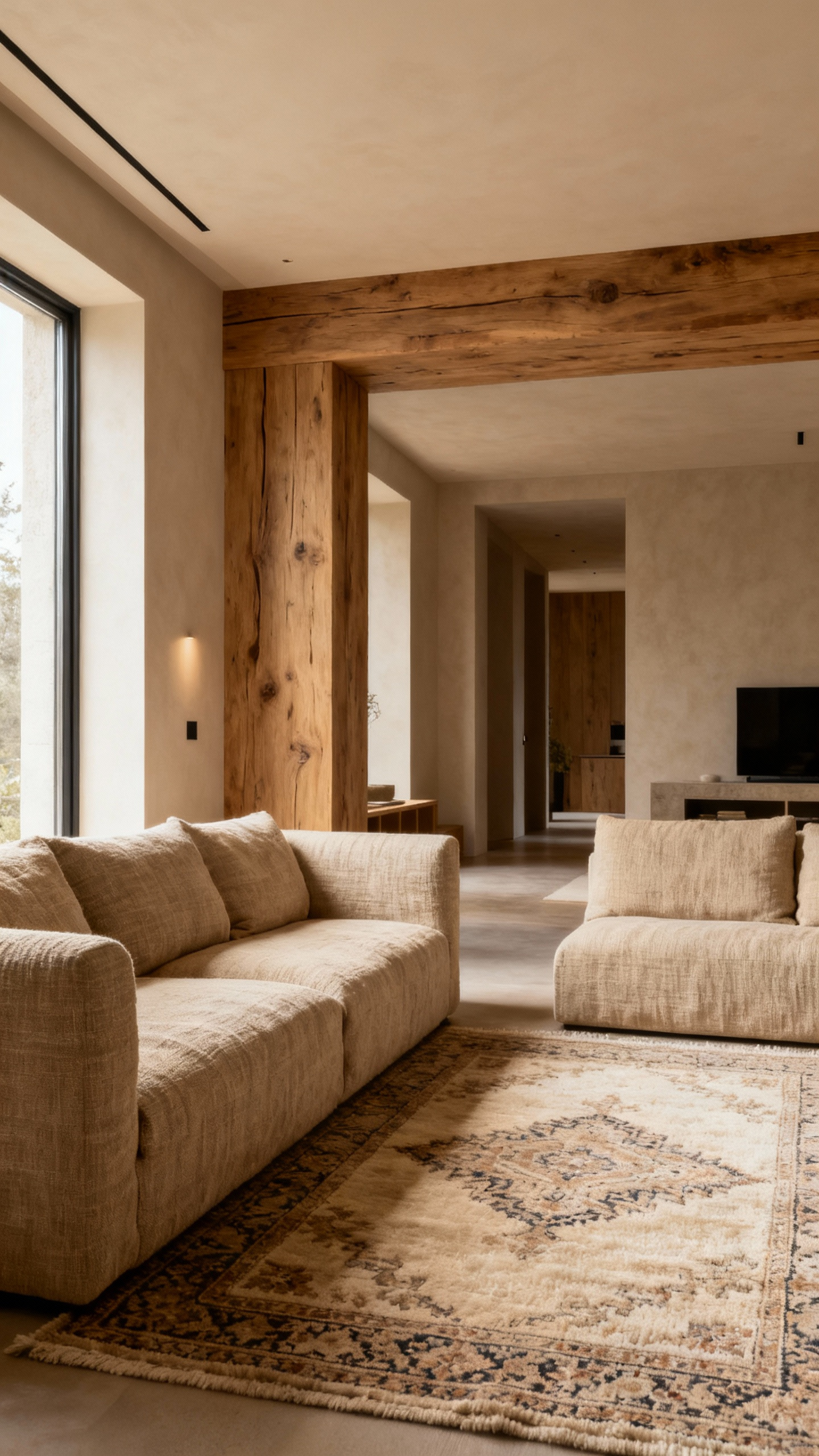
The walls are the very skin of your sanctuary, and their finish profoundly influences the room’s atmosphere. I almost exclusively recommend matte or eggshell finishes because they diffuse light rather than reflect it. This gentle scattering of light eliminates the harsh glare that can subtly agitate the nervous system, instead creating a soft, ethereal glow that feels deeply calming—much like the soft light on a quiet, overcast day.
A luminous matte finish also adds a subtle, velvety texture to the walls, enriching the space with a sophisticated depth. Years of professional experience taught me that this foundational choice is one of the most impactful. It sets a tone of understated elegance and makes the walls active participants in the room’s tranquility, allowing all the other elements—the art, the textiles, the people—to truly resonate.

5. Leveraging Ambient Light for Natural Vibrancy
A beige room without thoughtful light is a story half-told. Beige is a chameleon; it doesn’t just sit there, it interacts, absorbing and reflecting the changing light throughout the day. It translates the cool blue of dawn and the golden warmth of dusk into a living, breathing part of your decor. This responsiveness is the key to its tranquil power.
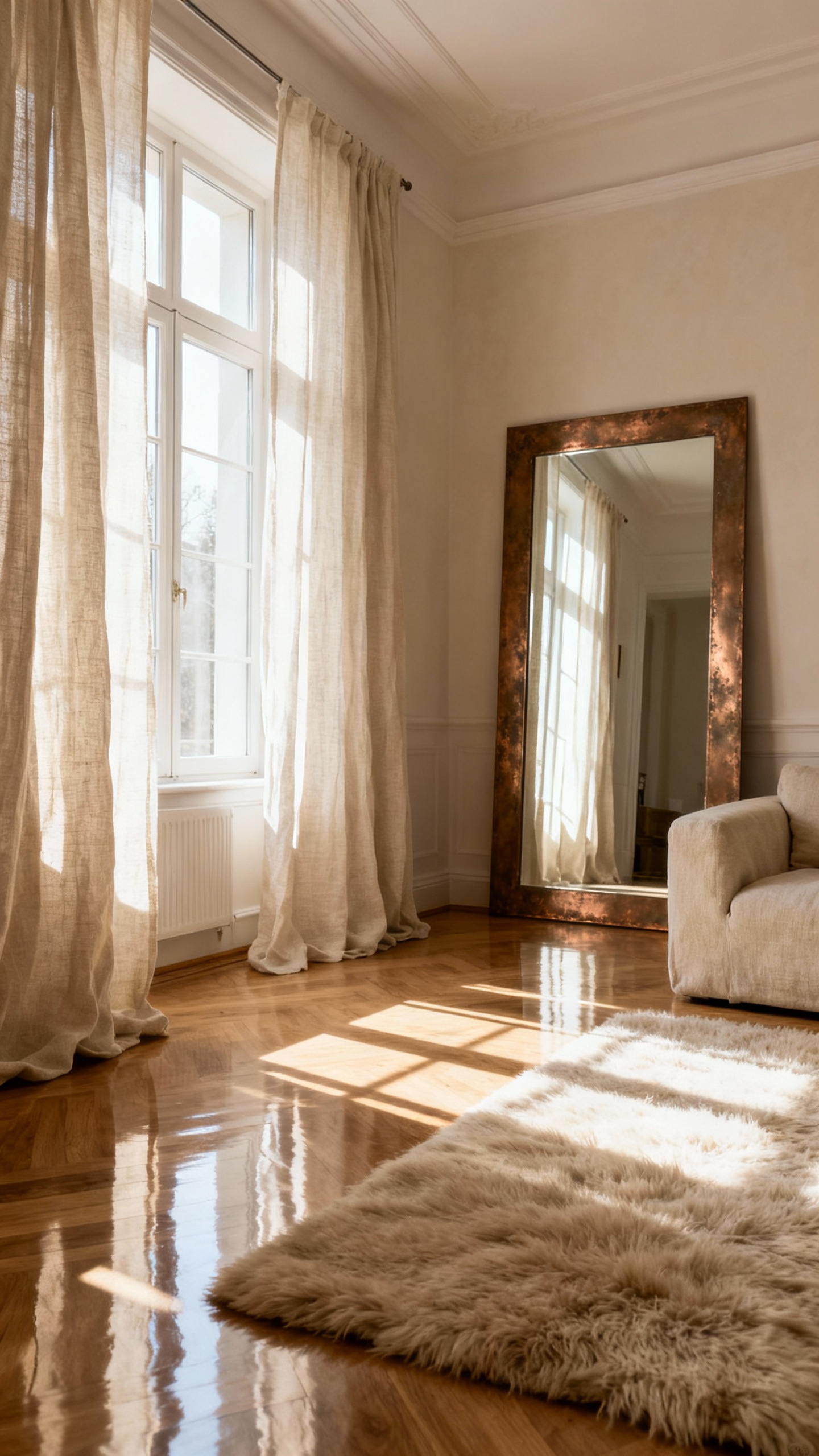
To truly harness this quality, see your windows not as openings but as primary sources of artistry. Use sheer, natural fabrics like linen or voile to filter sunlight, softening it into a gentle wash of light that caresses every surface. I often suggest placing a mirror opposite a window—not just to make the room feel larger, but to literally amplify and conduct light into darker corners. Your beige sanctuary will then feel alive, shifting and breathing with the natural rhythms of the day.
Part 2: Tactile Architectures for Depth and Comfort
A true sanctuary is felt as much as it is seen. Now we move into the realm of touch, exploring how the deliberate layering of materials and organic forms creates a space that is rich, complex, and profoundly inviting.
6. Anchoring with Expansive Upholstered Pieces
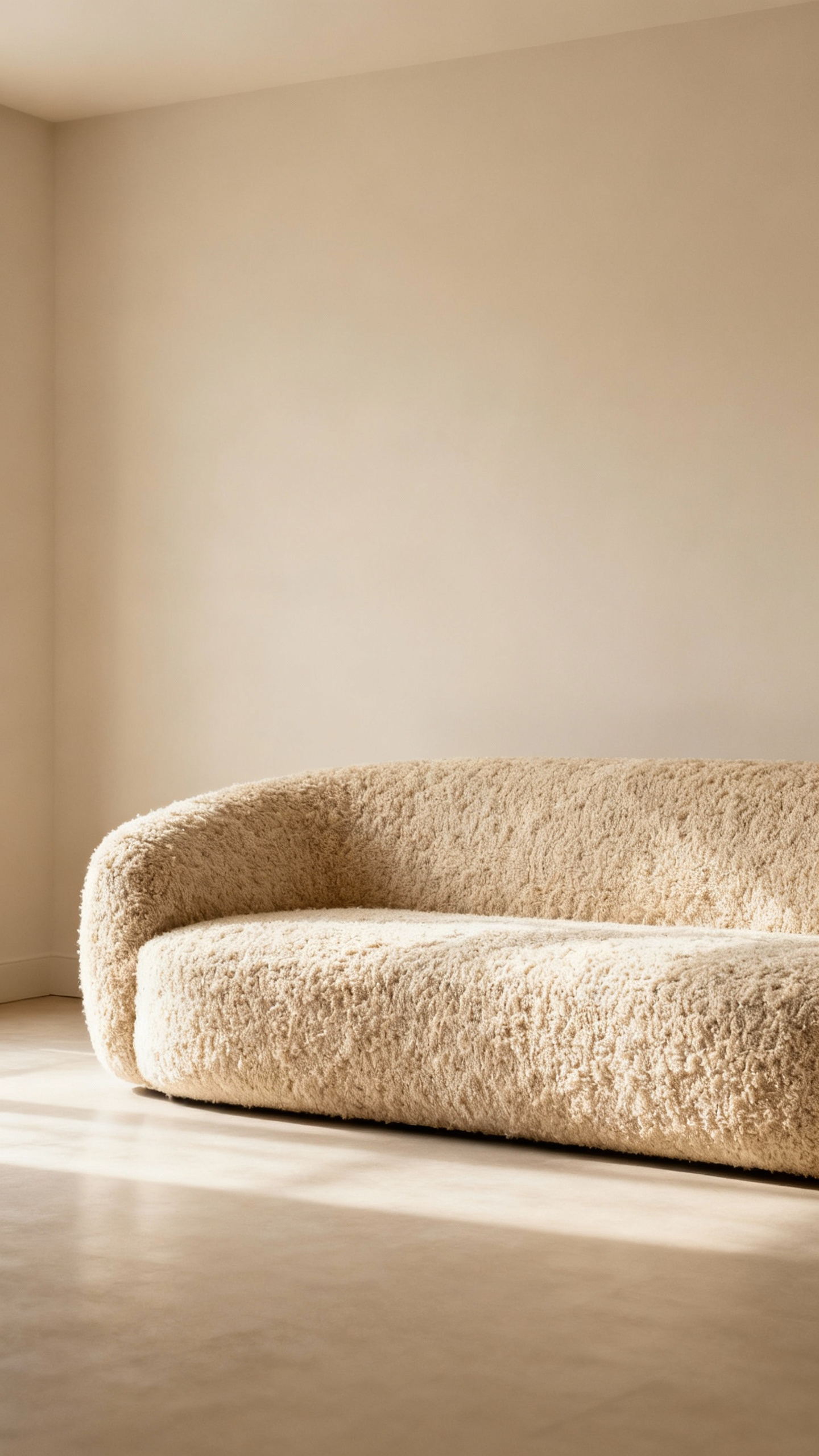
The largest pieces of furniture, like a sofa or sectional, are the foundational anchors of your room’s comfort. In a beige space, they become monumental canvases for texture. Instead of looking for a bold color, seek out the nuanced language of a nubby bouclé, a softly brushed cotton, or a relaxed slub linen. Each fiber tells a story and interacts with light in a unique way.
These pieces should signal an invitation to rest. Choose forms that feel generous and silhouettes that are soft. I’ve noticed that my clients feel most at ease with deep-seated sofas and gently curved armchairs that cradle the body. This isn’t just about aesthetics; it’s about creating a physical destination for release and repose within your home.
7. Integrating Natural Wood for Earthy Warmth
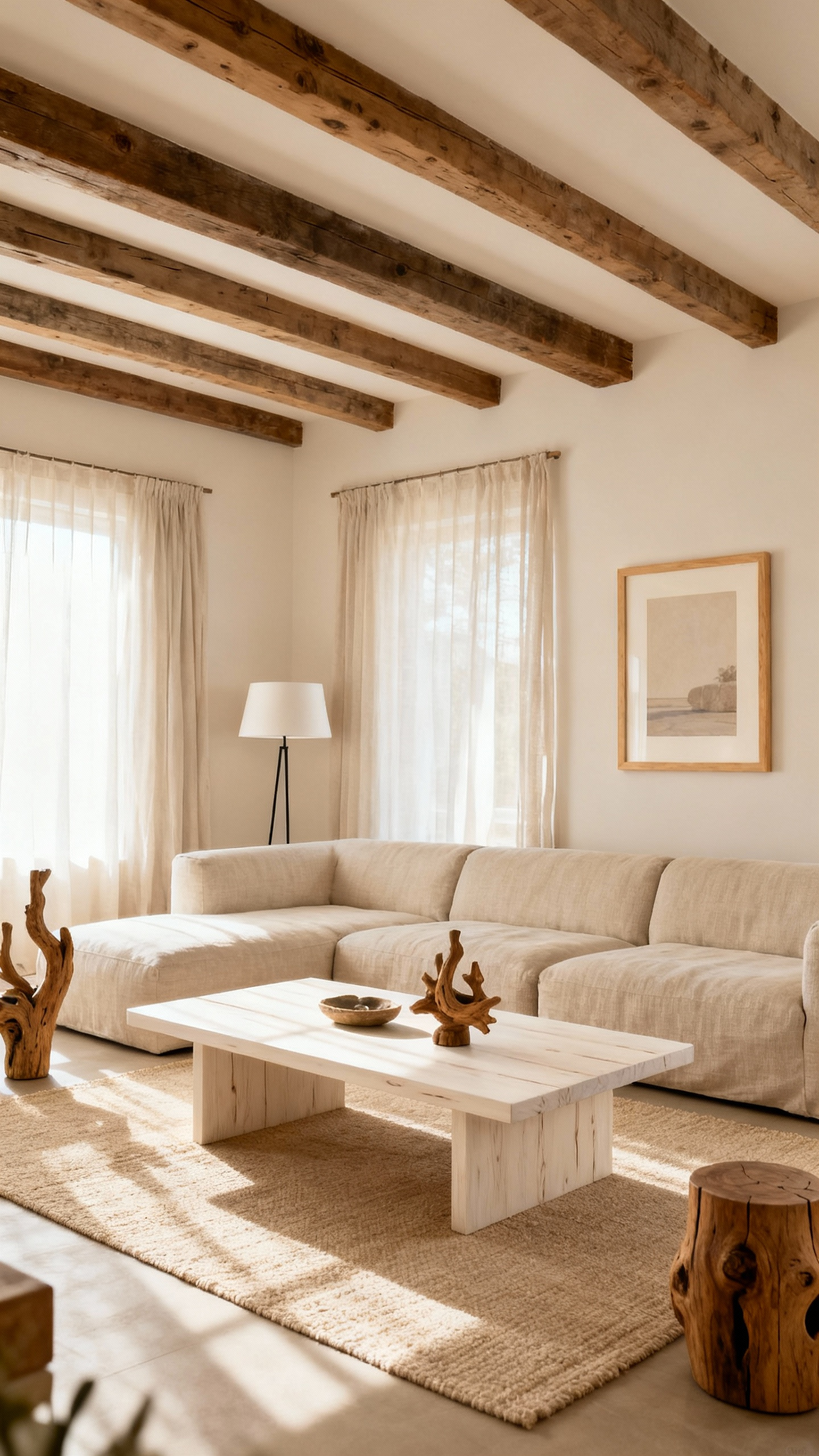
To keep a beige palette from feeling sterile, you must invite in the grounding energy of the earth. Natural wood tones provide a perfect harmonic contrast to soft textiles. The pale glow of white oak, the rich depth of walnut, or the sun-kissed charm of rattan each contributes an organic fingerprint, a unique signature of warmth and life.
Look for finishes that celebrate the wood’s innate beauty—a matte oil that lets the grain breathe or a gentle lime wash. A solid coffee table, a sculptural side chair, or simple floating shelves in a natural wood connect the space to the world outside. This simple biophilic act fosters a deep sense of authenticity and calm.
8. Weaving a Narrative with Lofty Textiles
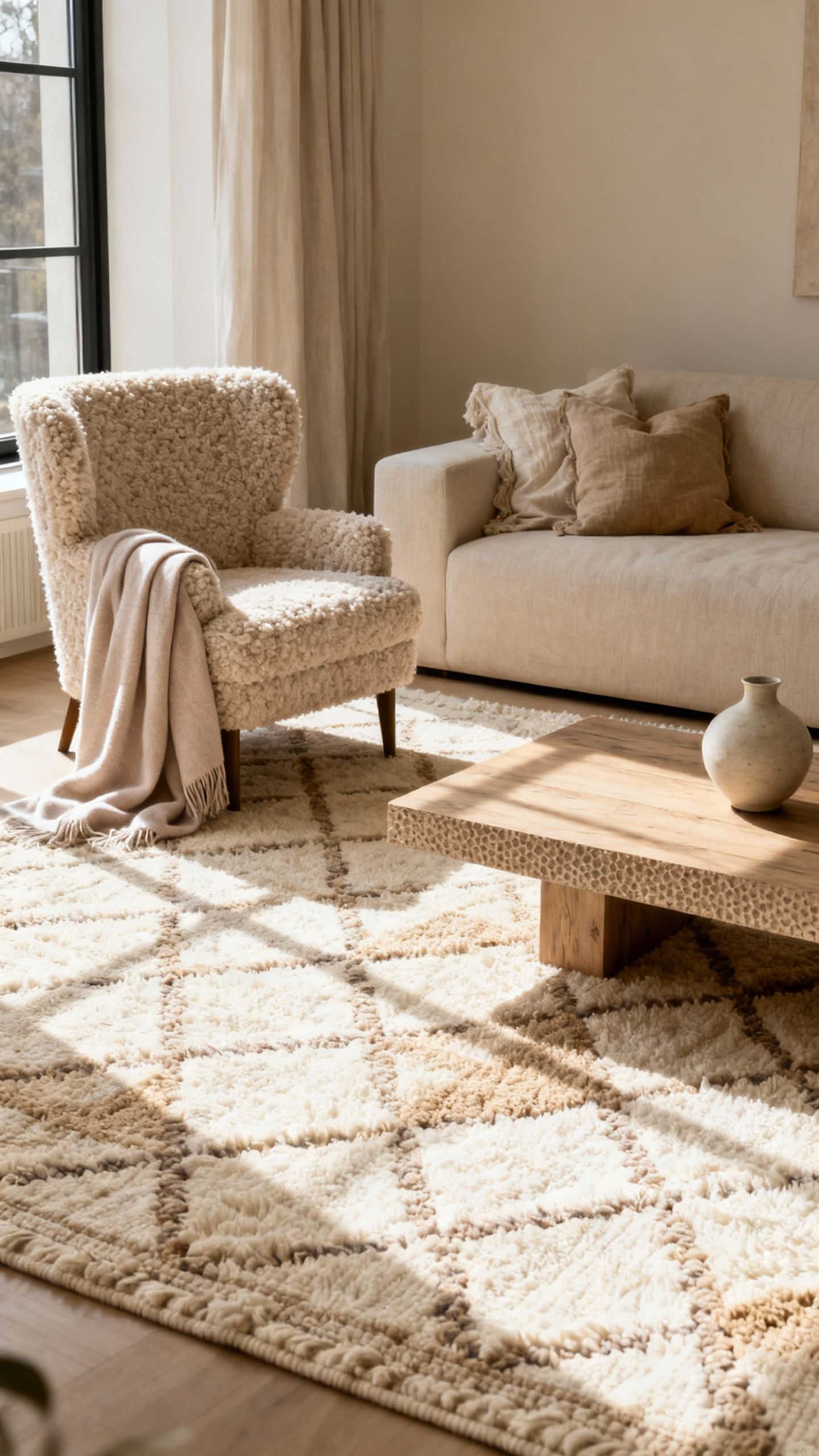
With your foundational pieces in place, it’s time to weave in layers of sensory indulgence. Secondary textiles like throws, pillows, and rugs are the elements that make a room feel truly personal and luxurious. This is where you can play with a symphony of textures within your harmonious beige palette.
Imagine the sumptuous drape of an alpaca throw, the cool smoothness of a silk cushion, or the rustic charm of a chunky wool blanket. Juxtapose these different materials to create a delightful tactile dialogue. From a holistic design perspective, these layers communicate nurture and a deep understanding of comfort, transforming a beautiful room into an intimate embrace.
9. Employing Organic Forms in Functional Accents
Even the smallest objects contribute to the room’s energy. Here, we embrace sculptural minimalism, choosing functional accents—vases, bowls, lamps—that celebrate organic form. Look for pieces inspired by nature’s beautiful imperfections: soft curves, fluid lines, and an absence of harsh angles. Unglazed ceramics, raw stone, or smoothly polished wood all work wonderfully.
These accents should be placed with intention to create subtle focal points—a single, elegant vase on a mantelpiece or a small cluster of nested bowls on a coffee table. In my professional experience, this “less but better” approach allows each object to be fully appreciated. It transforms your living space into a quiet gallery of curated beauty, deepening the sense of tranquility and sophistication.
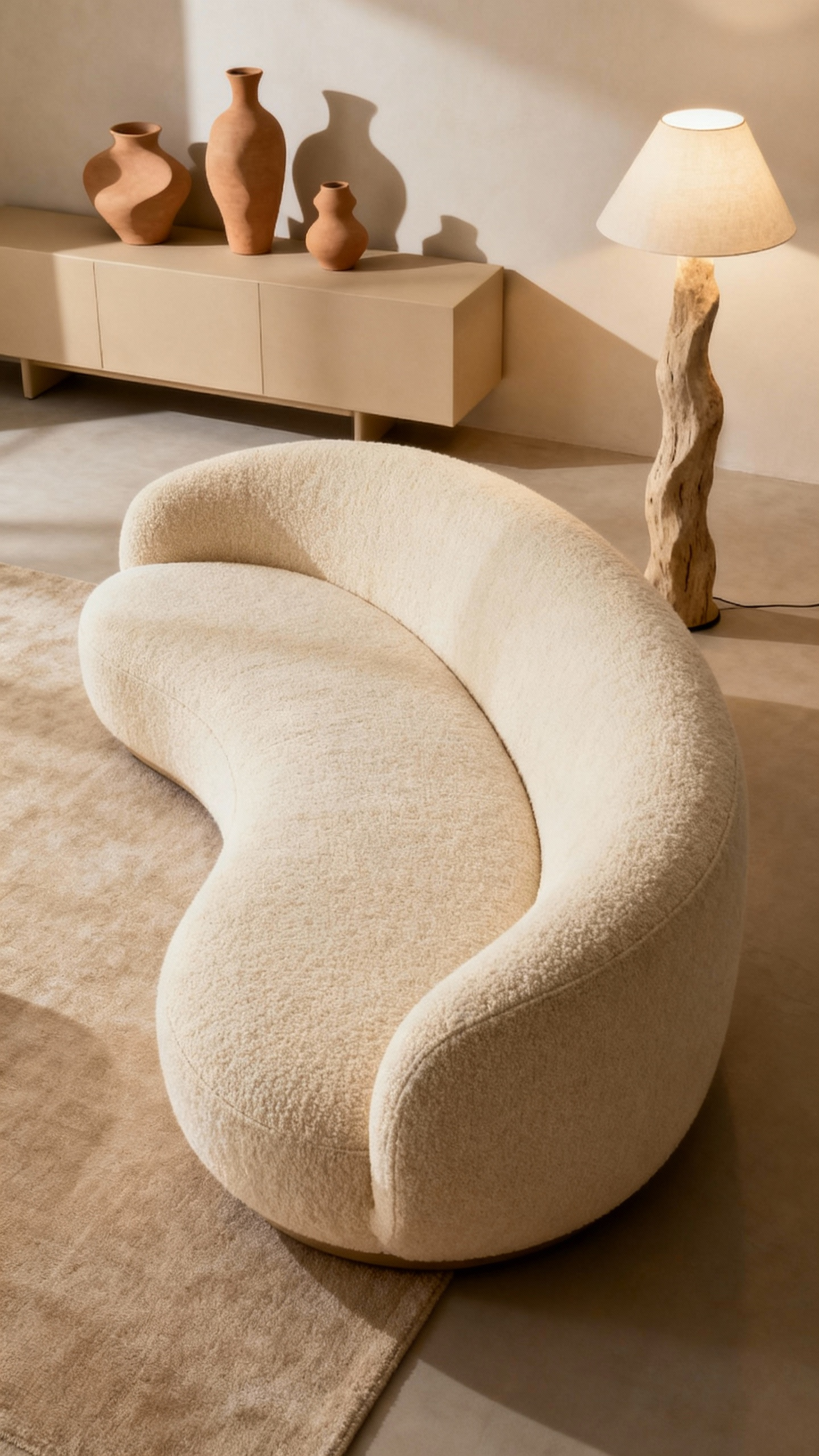
10. Achieving Acoustic Serenity with Soft Materials
A sanctuary should sound as peaceful as it looks. Hard surfaces—bare floors, large windows, empty walls—can create harsh echoes that are subtly stressful. The textiles you choose are powerful tools for softening the sonic landscape of your room. Think of them as architects of acoustic tranquility.
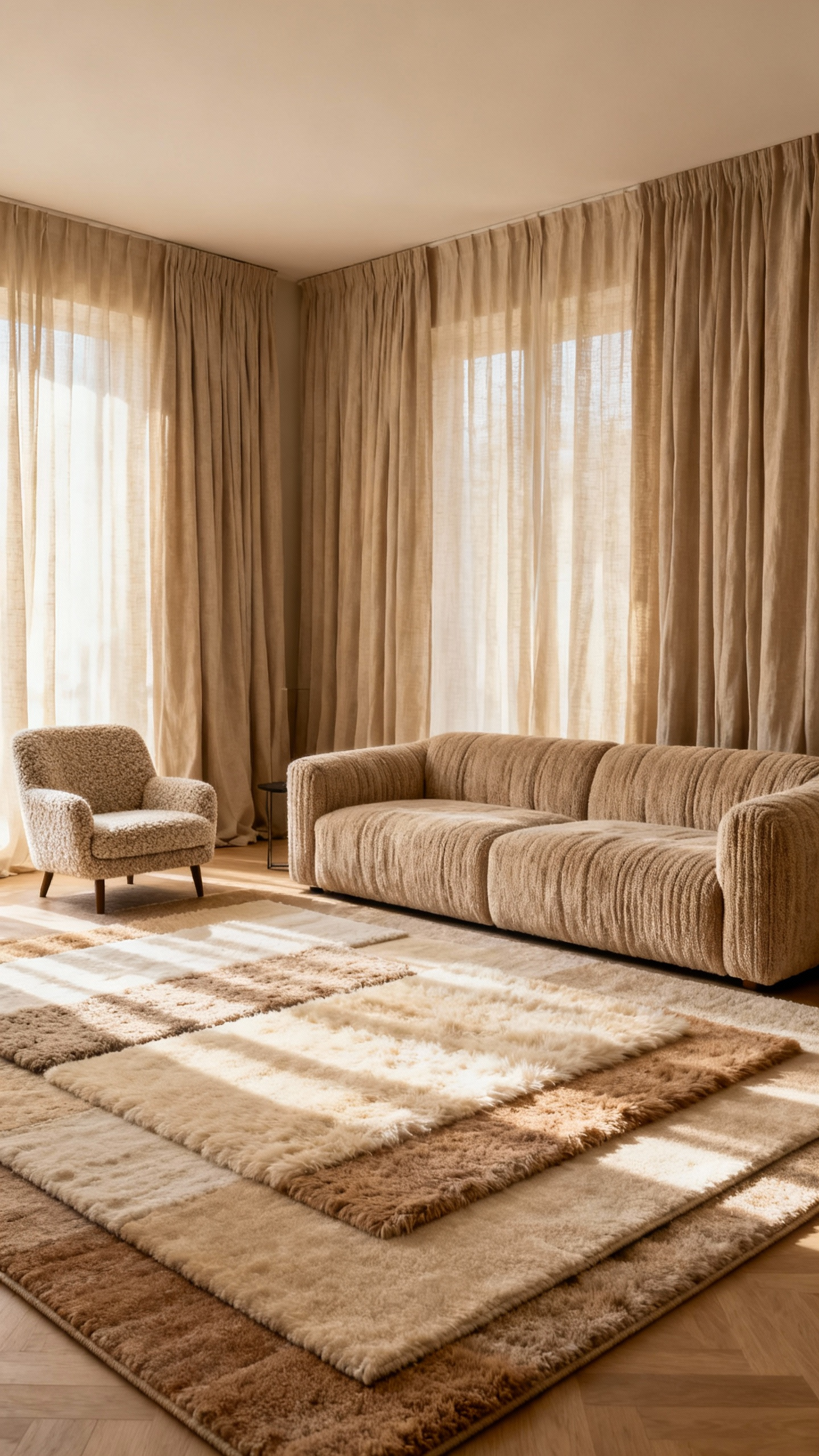
A generous, high-pile wool rug is the single most effective element for absorbing sound and creating a sense of quiet. Floor-to-ceiling drapery made from heavy linen or velvet not only adds softness and height but also acts as a remarkable sound buffer. These layers cradle the room in a quieter embrace, allowing for peaceful reflection and easy conversation.
Part 3: Sculpting Ambiance with Light and Life
Here, we explore the more ethereal elements of design. Light and living things are not accessories; they are vital energies that can transform a room’s atmosphere, sculpting it into a space that feels vibrant, healthy, and alive.
11. Engineering Layered Lighting for Dynamic Atmosphere
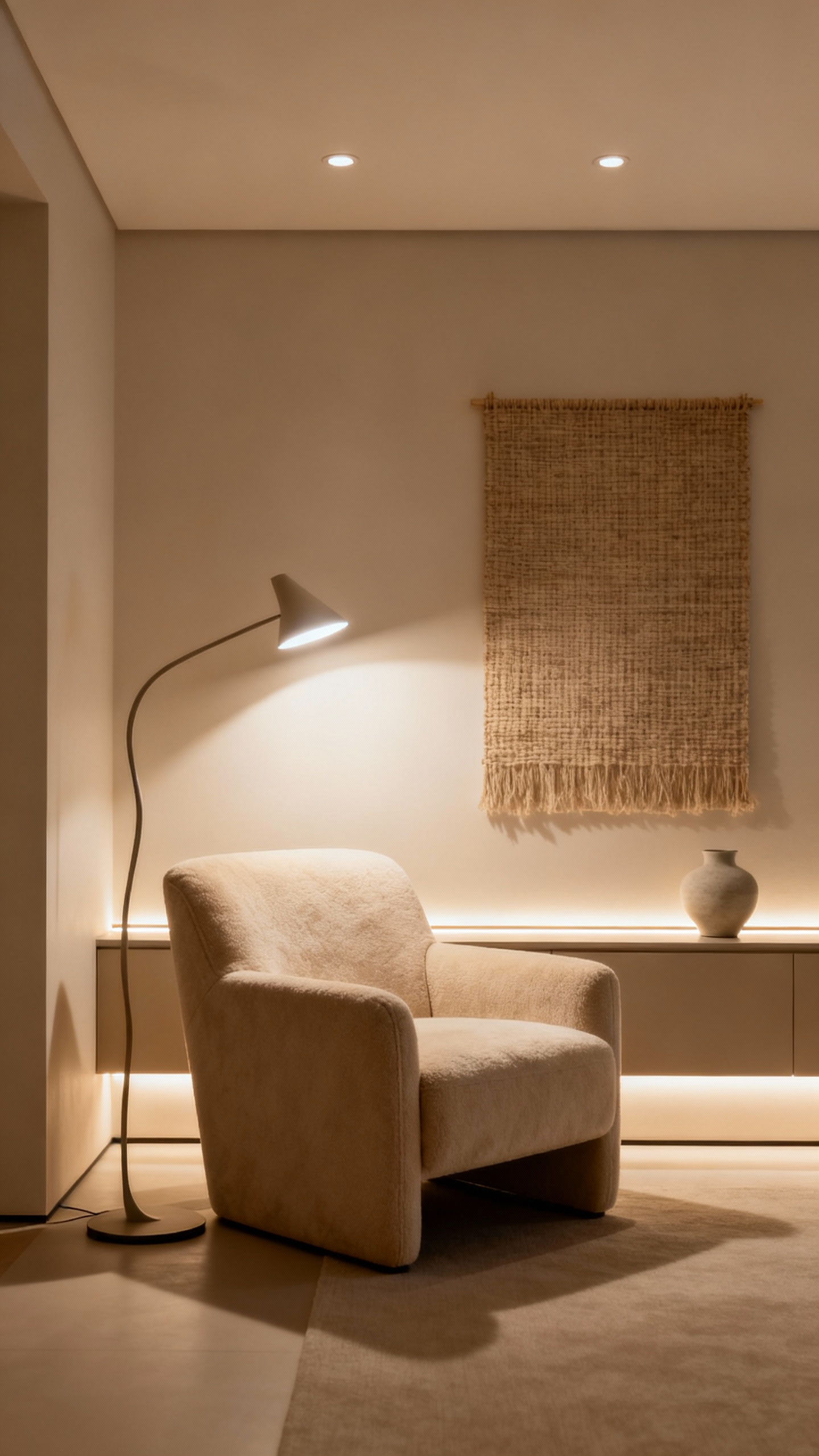
Lighting is the emotional architect of a room. In a beige space, it’s absolutely crucial. A successful lighting plan involves multiple layers: ambient, task, and accent. Ambient light provides the general, foundational glow; task lighting offers focused illumination for activities like reading; and accent lighting highlights art or architectural features.
Use dimmers on every circuit. This allows you to effortlessly shift the room’s atmosphere from bright and energizing to intimate and restorative. I often advise clients to choose bulbs with a warm temperature (around 2700K) to replicate the comforting glow of candlelight. The interplay of these layers of light will give your beige decor the depth and soul it deserves.
12. Incorporating Vertical Biophilia for Aerial Greenery
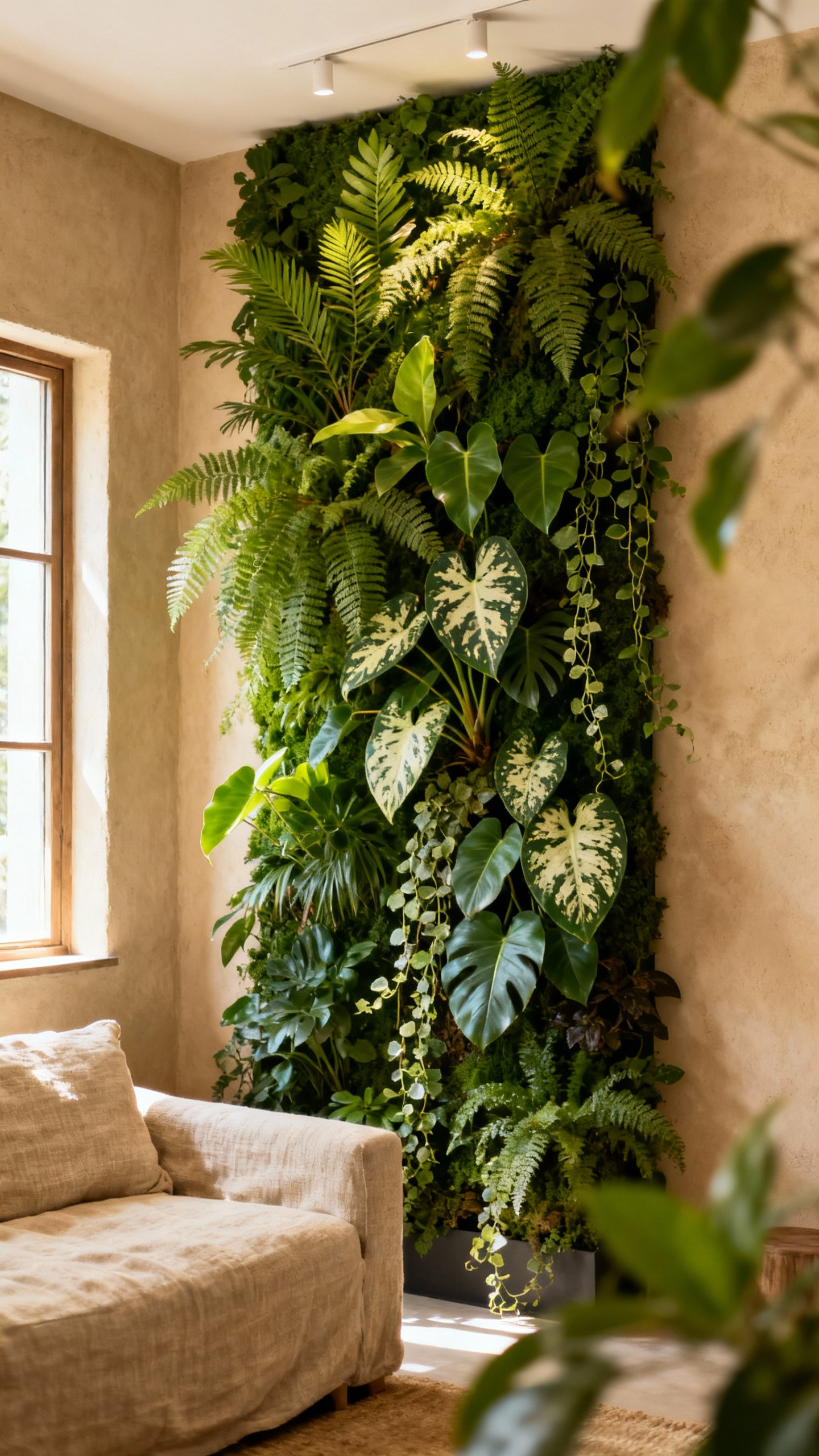
Our innate need to connect with nature—biophilia—is a cornerstone of wellness design. Introducing living plants is one of the most powerful ways to breathe life and vitality into a beige room. Go beyond a simple pot on the floor and think vertically. Trailing plants like Pothos or Philodendron hung from the ceiling or placed on a high shelf draw the eye upward and create a lush, aerial garden.
Living walls, or even a simple series of wall-mounted planters, can turn a blank surface into a vibrant work of art. Not only do plants offer visual beauty against a calm beige backdrop, but they are also natural air purifiers, actively improving the health of your sanctuary.
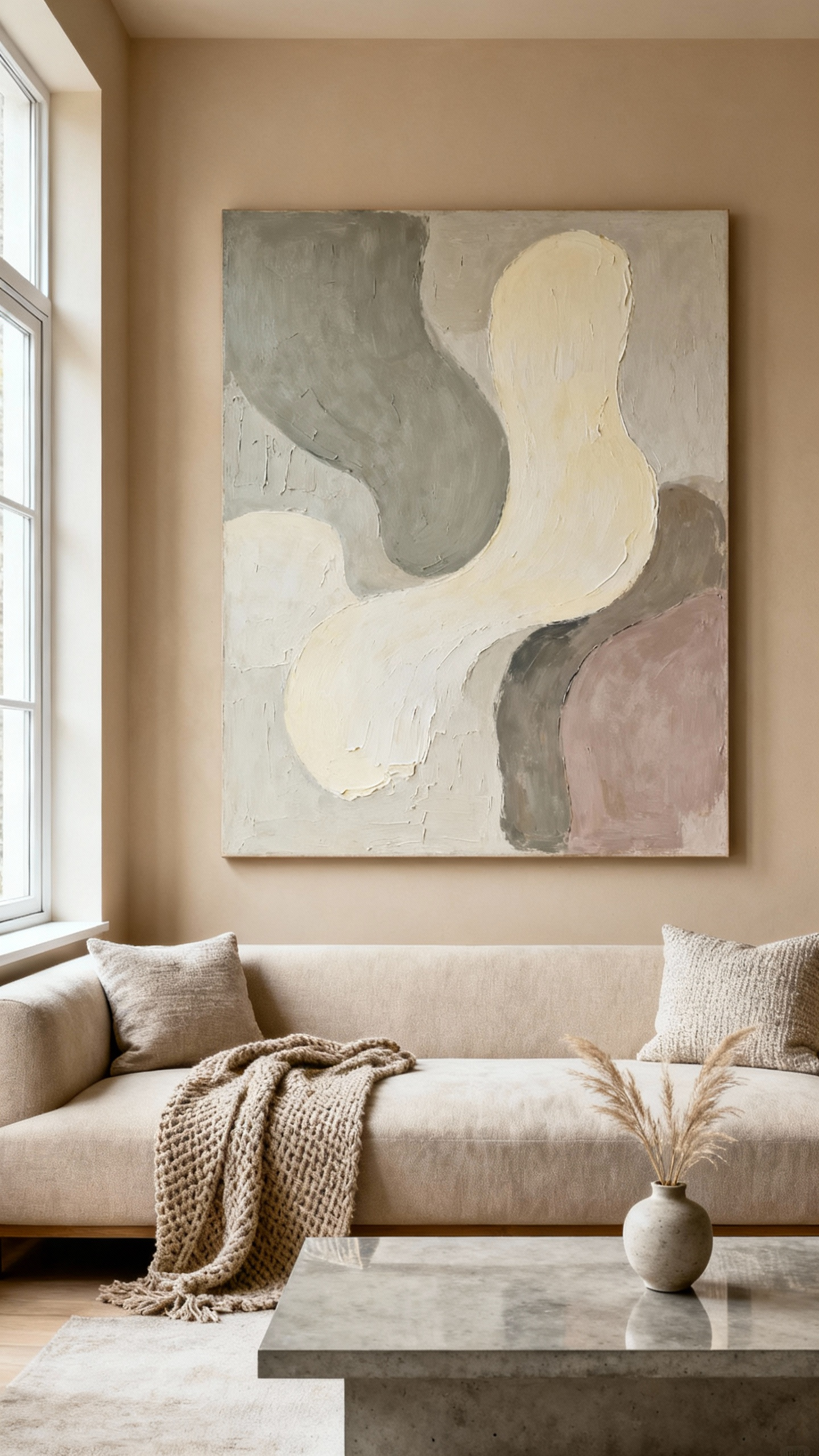
13. Selecting Abstract Art to Echo Tranquility
Art in a serene sanctuary should be a quiet whisper, not a loud declaration. Abstract art is perfect for this, as it evokes emotion rather than depicting a literal scene. It invites personal interpretation and quiet contemplation. Choose pieces that echo the room’s tranquil mood, with a muted palette that complements your beige tones.
Look for art that features texture—layered paint, woven fibers, or handmade paper. This adds another layer of sensory interest. Place a single, impactful piece as a focal point, leaving plenty of negative space around it. This allows the art—and your mind—to breathe, reinforcing the room’s expansive calm.
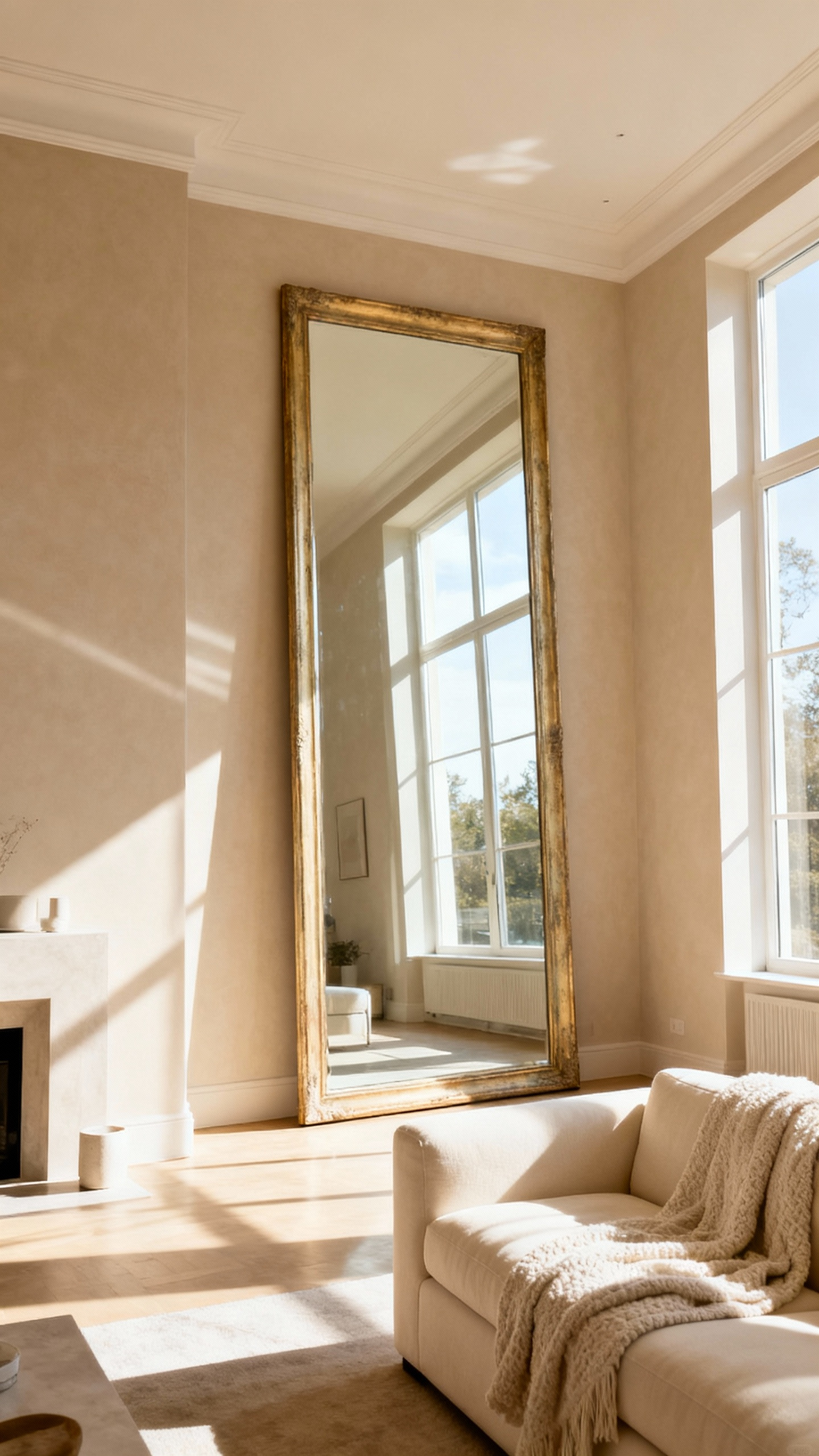
14. Positioning Mirrors for Expansive Light
Mirrors are profound tools for sculpting light and space. In a beige room, they become almost magical, amplifying luminosity and creating an illusion of depth. As I mentioned before, placing a large mirror opposite a window is the most effective way to capture and redistribute natural light, instantly making the room feel brighter and more alive.
Consider the frame as another textural element—a slim, brushed brass adds a touch of warmth, while a natural wood frame adds an earthy quality. An arched, floor-standing mirror leaning against a wall can add a soft, elegant architectural element. Mirrors engage in a silent, beautiful dialogue with their surroundings, transforming a static wall into a dynamic canvas.
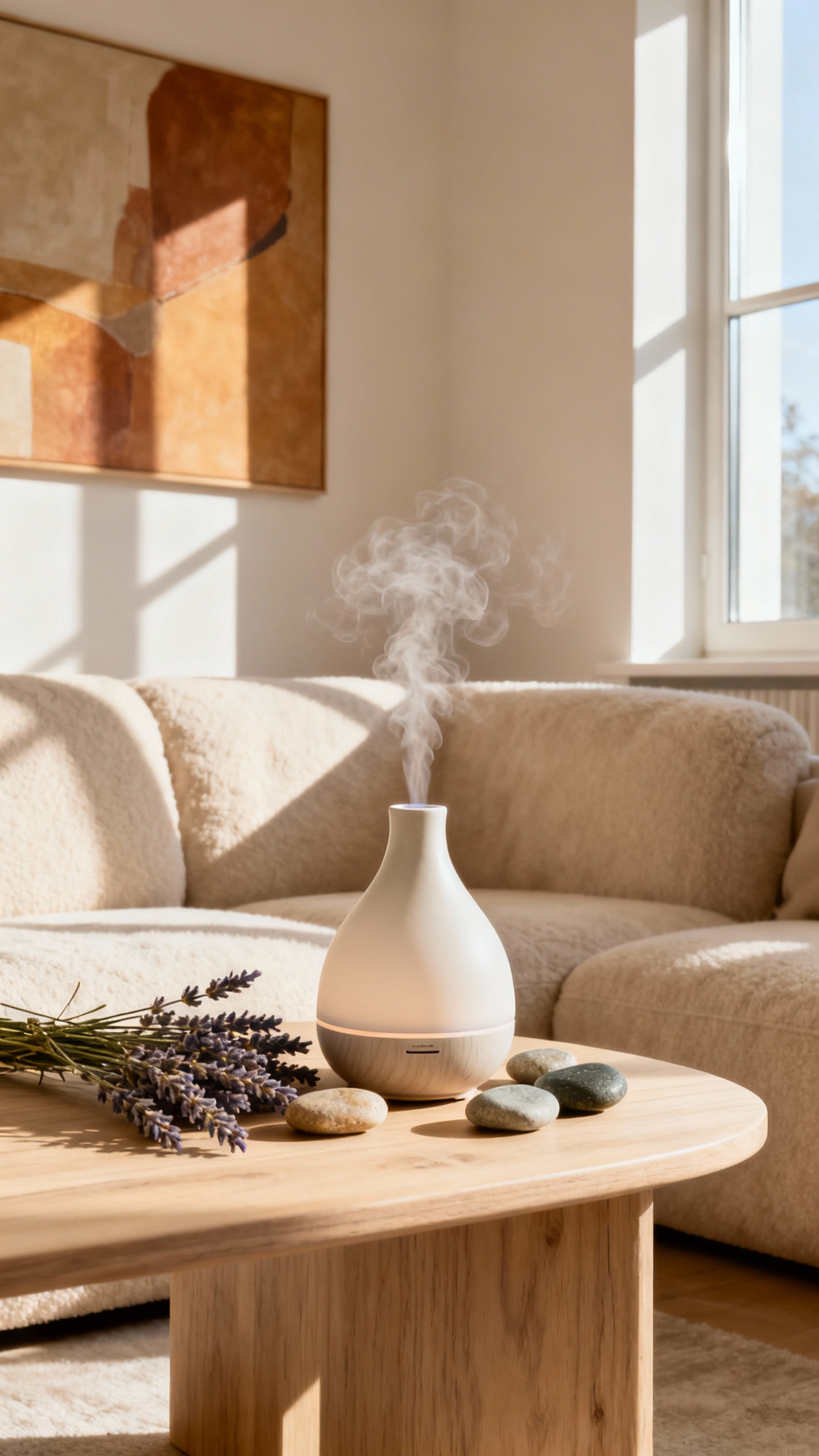
15. Employing Aromatic Botanicals for Olfactory Well-being
Our sense of smell is directly linked to the parts of our brain that control memory and emotion. An intentional aromatic narrative is the invisible yet powerful final layer of your sanctuary. Skip synthetic fragrances and turn instead to nature: essential oil diffusers, fresh eucalyptus in a vase, or a bowl of dried lavender and cedar.
In my holistic home design practice, scent is non-negotiable for creating a complete sensory experience. Choose grounding scents like sandalwood or frankincense for relaxation, or gentle florals like chamomile and neroli for a sense of calm uplift. A subtle, natural aroma completes the embrace of a beige sanctuary, engaging all the senses in the act of restoration.
Part 4: The Art of Deliberate Refinement
A sanctuary is not a project that is ever truly “finished.” It is a living space that evolves with you. This final set of principles is about the ongoing practice of mindful curation—the gentle editing and thoughtful care that sustain the serenity of your space over time.
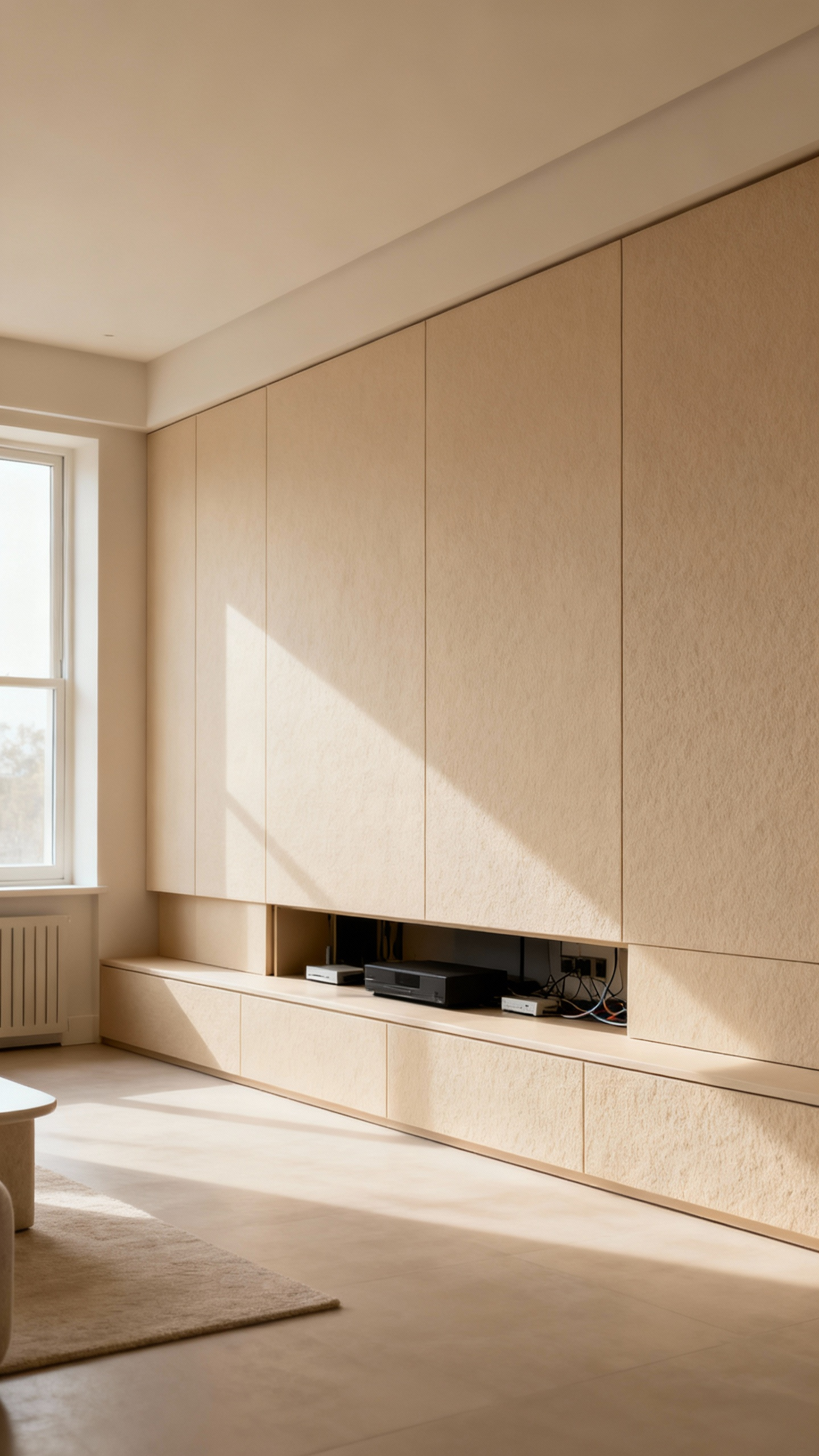
16. Concealing Digital Interruptions for Seamless Flow
Visible cables, blinking lights, and black screens are subtle forms of visual clutter that can disrupt a room’s tranquil energy. Create harmony by thoughtfully concealing your technology. Bespoke cabinetry that blends with your wall color, beautiful woven baskets for remotes and chargers, or even a television that displays art when not in use can help technology recede.
The goal is to honor modern convenience without sacrificing the room’s serene atmosphere. By creating intentional homes for our devices, we reclaim our living spaces as places for human connection and quiet contemplation, free from constant digital demands.
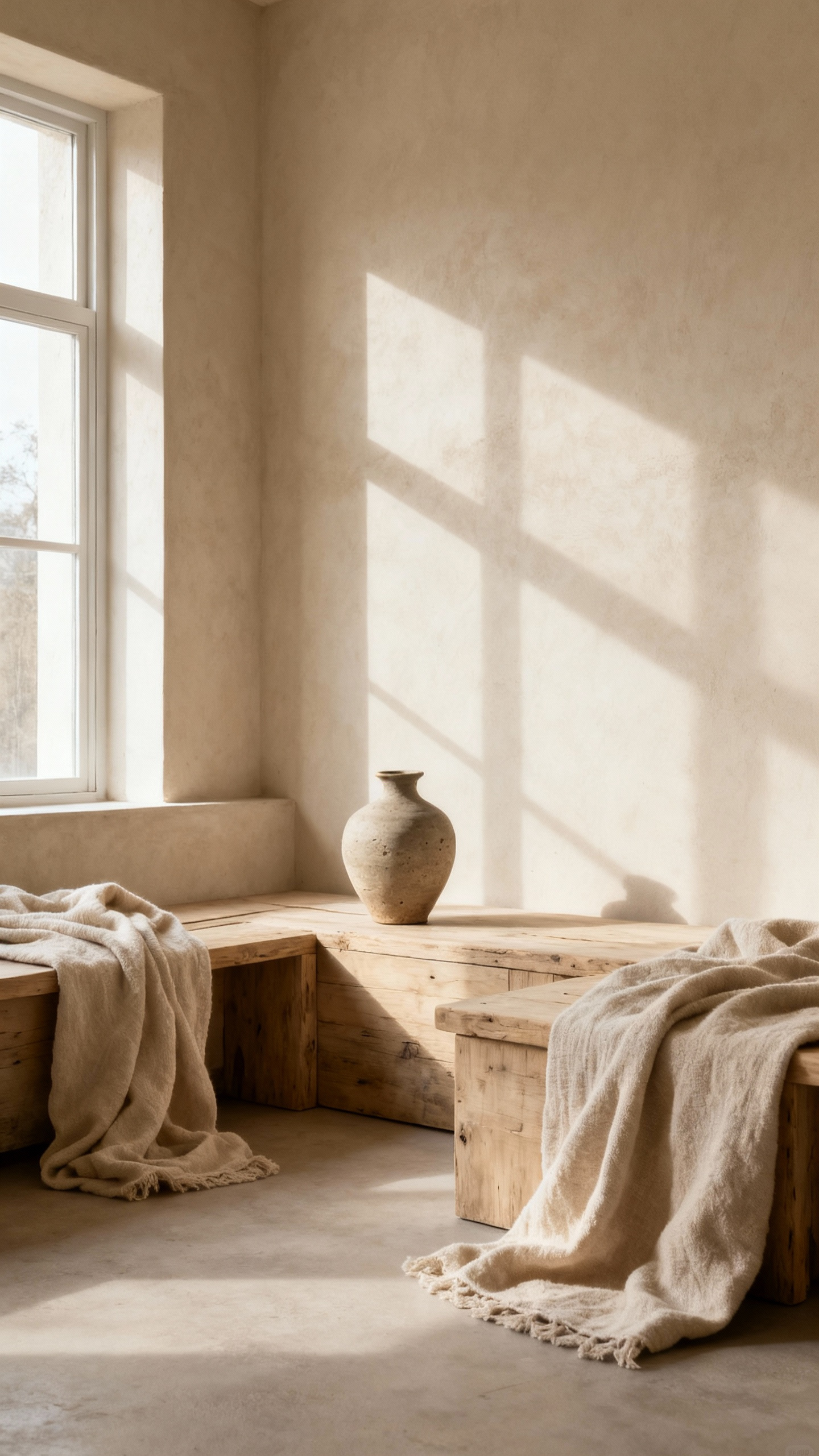
17. Mastering ‘Wabi-Sabi’ and Curated Emptiness
The Japanese principle of Wabi-Sabi—finding beauty in imperfection and impermanence—is a powerful guide for a serene interior. It champions the art of “curated emptiness,” reminding us that negative space is as important as the objects within it. Resist the urge to fill every surface. Let things be beautifully simple.
This is where the true elegance of a beige room shines. The neutral backdrop amplifies the quiet beauty of a single hand-thrown ceramic vase or a treasured wooden bowl. What really gets me is when a room has space to breathe; it has a profound effect on our own ability to feel spacious and calm. This is not about deprivation, but about the powerful presence of restraint.
18. Adapting Elements for Seasonal Metamorphosis
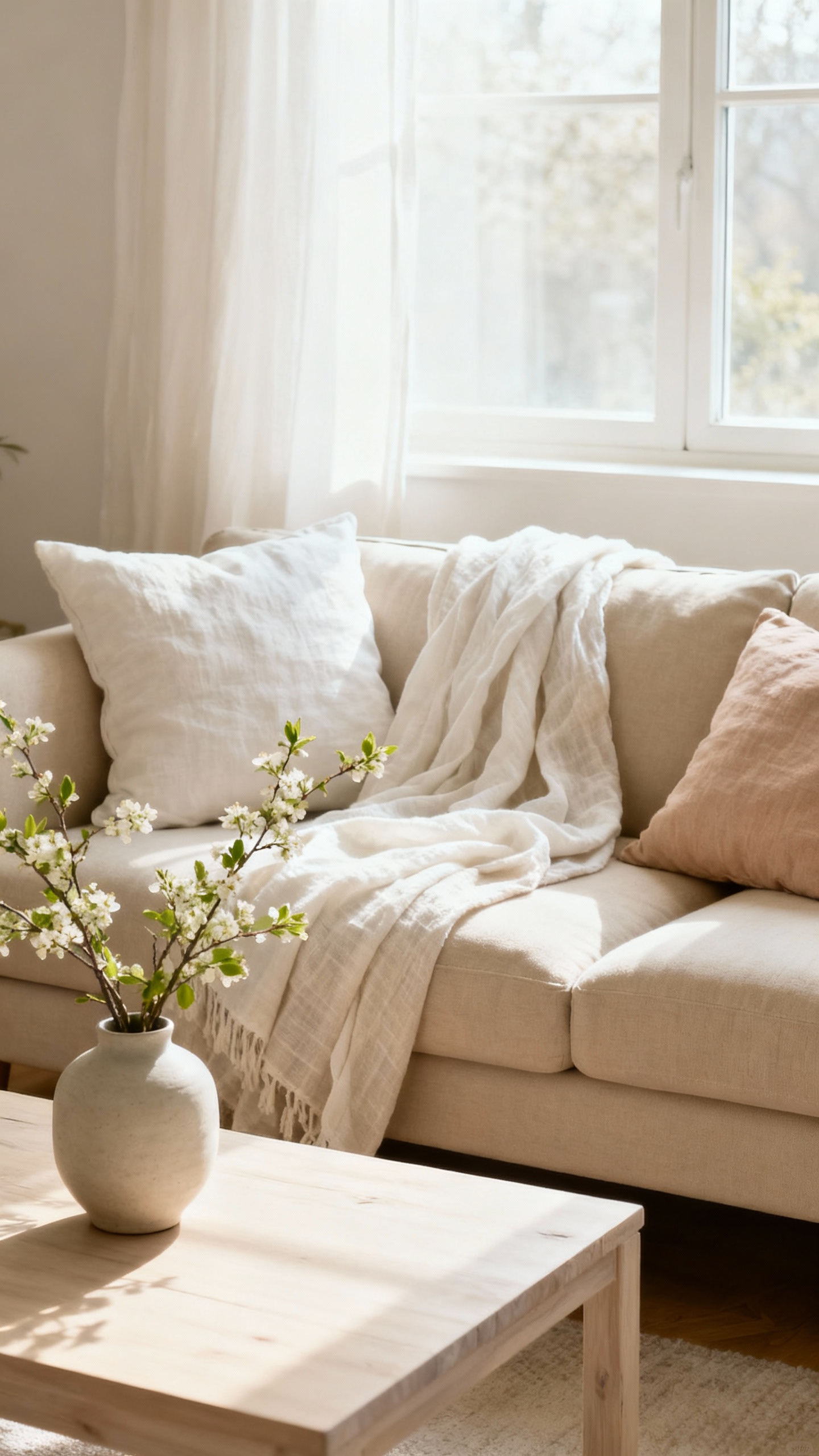
A truly living sanctuary reflects the gentle rhythms of nature. Allow your beige decor to undergo a subtle metamorphosis with the seasons. In winter, add sumptuous textures like cashmere, wool, or faux fur in deeper shades of beige to create a cozy cocoon. In spring, swap them for light, breathable linens and cottons in crisp ivories and creams.
This simple ritual can be a beautiful way to stay connected to the natural world. A few bare branches in a vase can reflect winter’s stark beauty, while a fresh bouquet of peonies ushers in the energy of summer. This rhythmic refreshment keeps your sanctuary feeling dynamic, responsive, and alive.
19. Introducing Ephemeral Accents and Sculptural Vessels
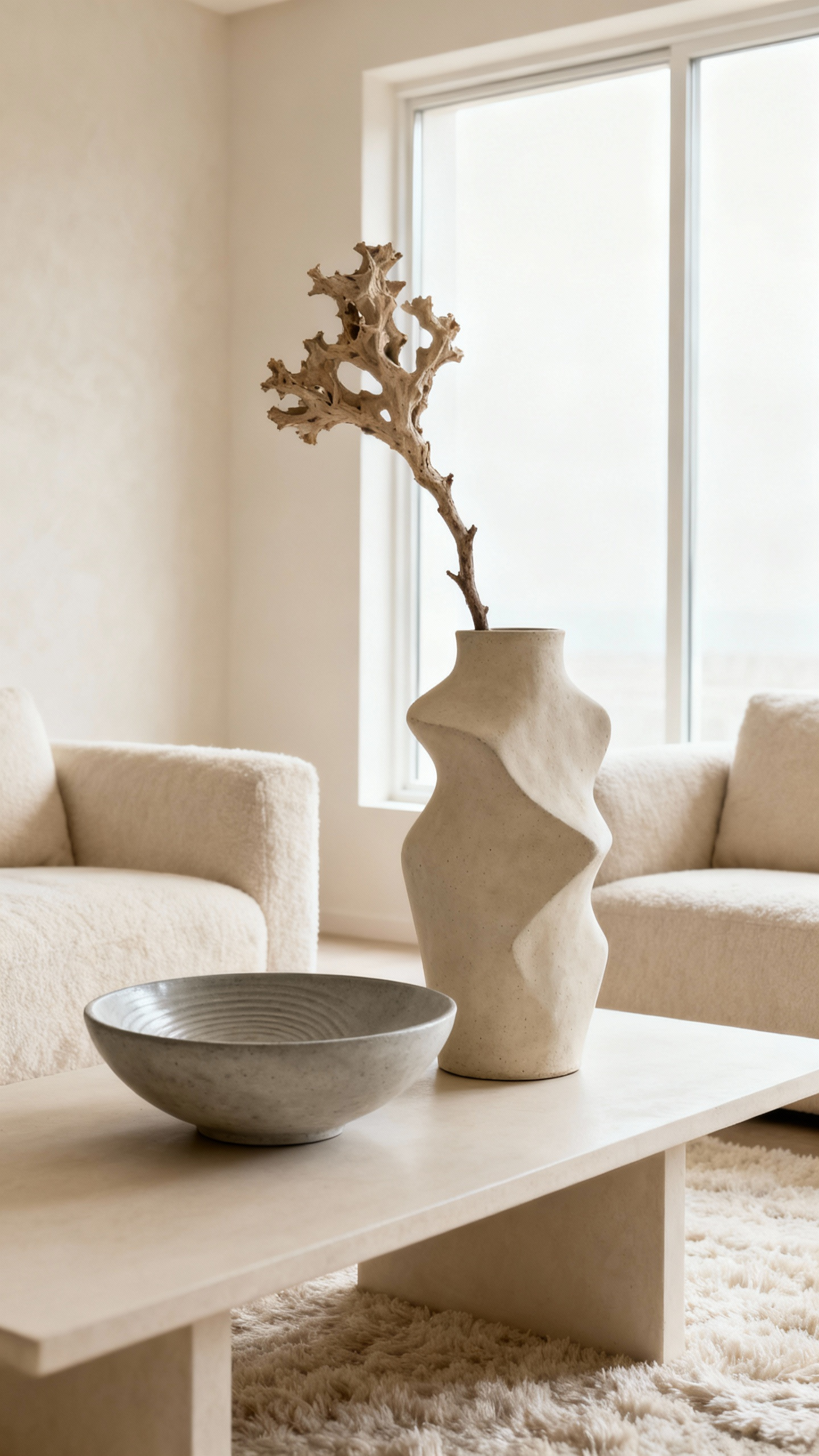
Small, sculptural objects can act as quiet, resonant artworks within the calm landscape of your room. These ephemeral accents are tactile invitations to pause and appreciate form and material. A beautifully shaped stoneware bowl, a frosted glass vase, or a polished stone can add profound character.
These pieces don’t need to be permanent fixtures. They can be rotated or their contents changed—a single, dramatic leaf one week, an interesting branch the next, or simply left beautifully empty. This practice of engaging with beautiful objects elevates the everyday into an experience of mindful artistry.
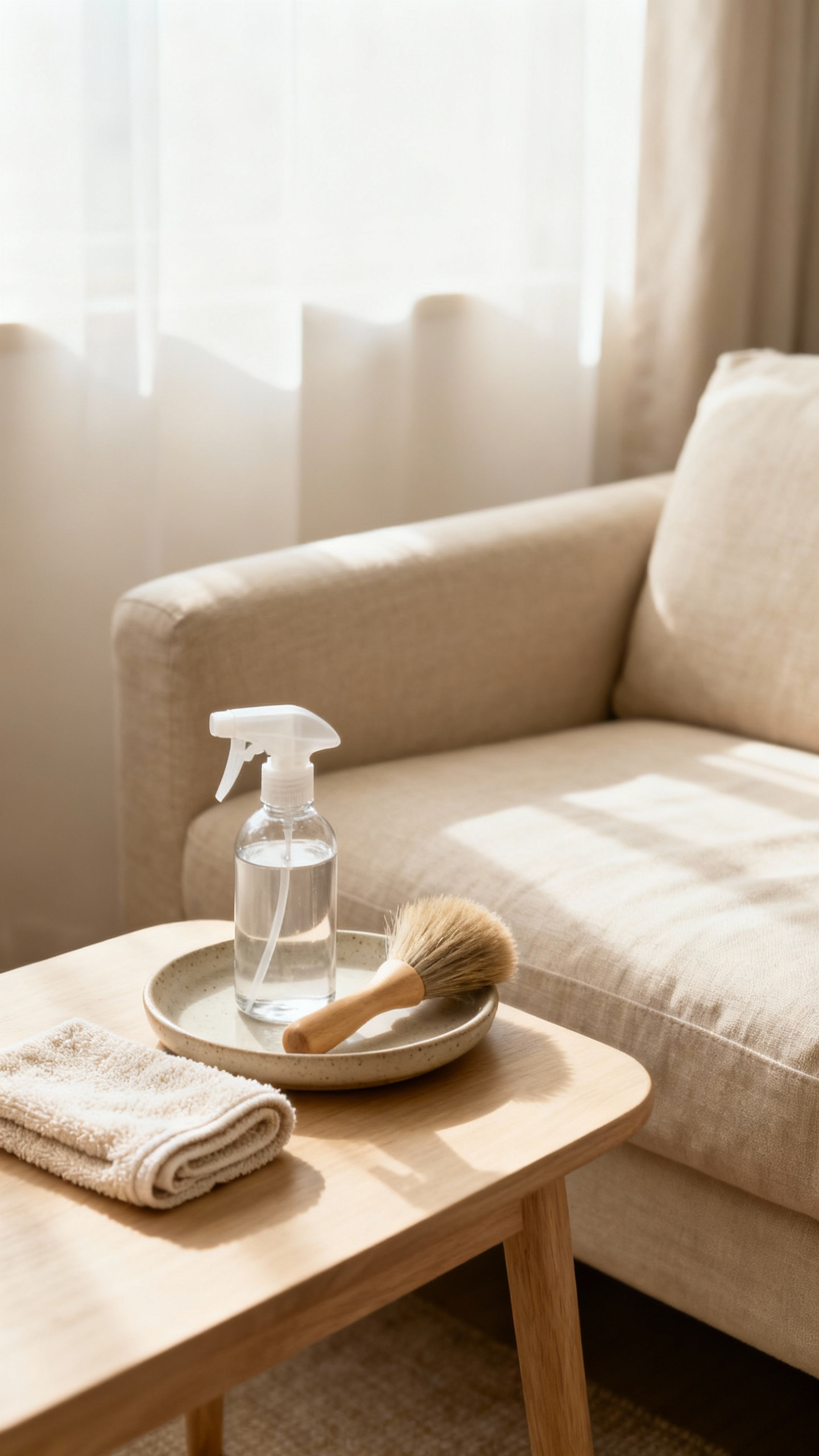
20. Implementing Eco-Conscious Cleaning as a Ritual
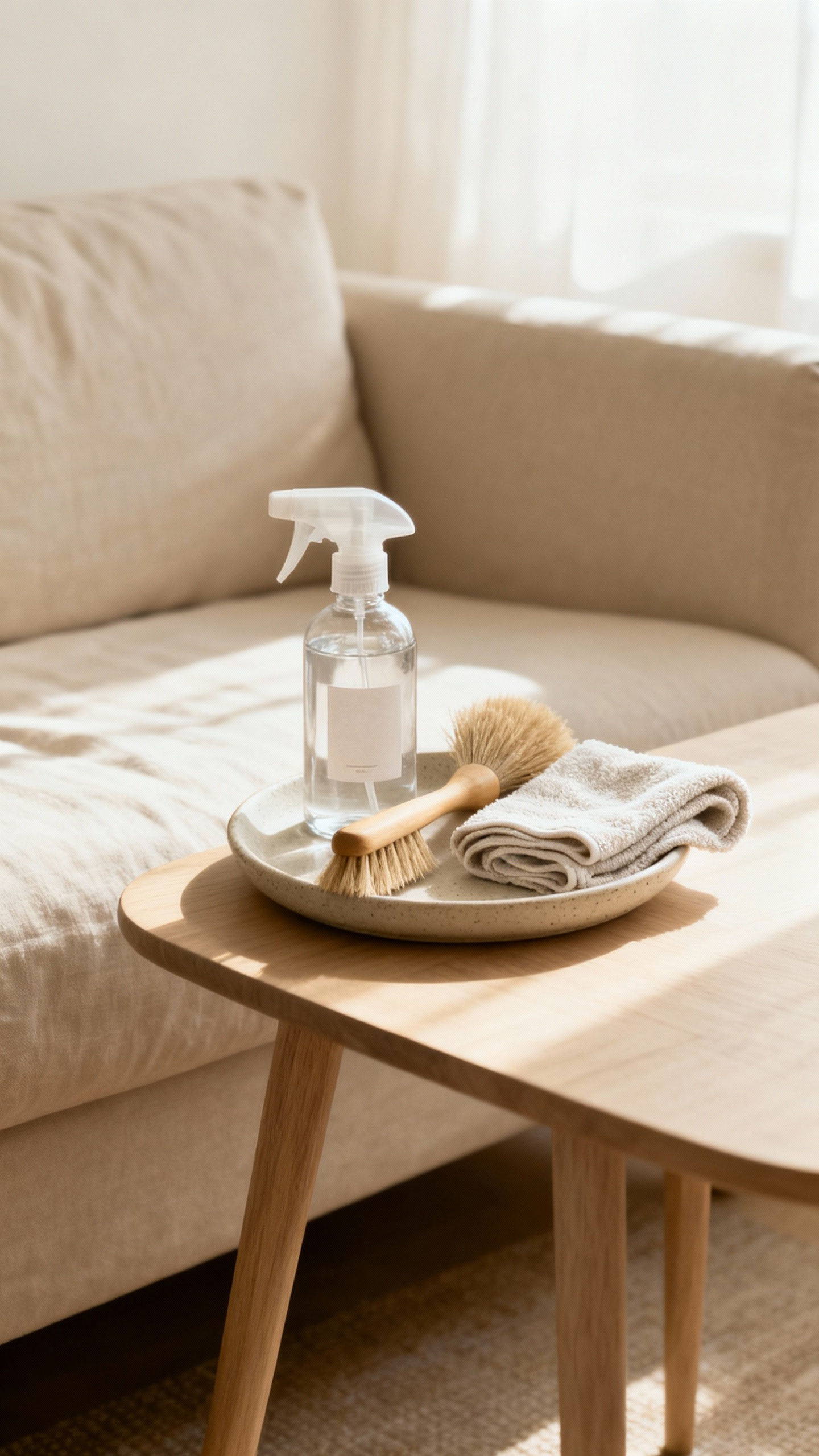
Finally, sustaining serenity involves how we care for our space. Shifting our mindset from “cleaning” as a chore to “stewardship” as a ritual can be transformative. Use gentle, eco-conscious cleaning products that honor the natural materials in your home—the wool, linen, and wood—and protect the air you breathe.
This practice of proactive stewardship is an act of gratitude for your sanctuary. By tending to your space with mindfulness and care, you reinforce the calm and intentionality that define it. This reciprocal relationship—as you nurture your space, it nurtures you—is the true essence of creating a home that supports your well-being on every level.
Conclusion
As our journey concludes, it’s clear that creating a serene beige living room decor is an act of deep intention. We’ve moved beyond its reputation as a simple neutral and uncovered its potential as an ethereal canvas for well-being. Each of these principles, from the psychological power of its tones to the mindful layering of textures, illustrates a core philosophy: a truly restorative space is felt, not just seen. It is a gentle dialogue between you and your environment.
Let this guide serve not as a set of rigid rules, but as an invitation to listen to your own intuition. Approach your living room as a space to be authored, a sanctuary to be felt into being. By doing so, your home becomes a resonant echo of your own inner calm—a haven where the subtle language of thoughtful design whispers peace into your daily life.